Europe’s 10 Strongest Armies (2026): Where Russia, France and Turkey Stand
Europe is home to some of the densest concentrations of military power on Earth. But which is the continent’s strongest army in 2026? Is a NATO member on top, or the giant standing against the West? And most of all: where does Turkey rank on this list?
Based on GlobalFirepower’s 2026 data, this countdown ranks Europe’s 10 strongest armies from #10 to #1. A note: although most of Russia’s landmass lies in Asia, it is included as the continent’s largest military force — both reader expectation and strategic reality demand it. The war in Ukraine has upended supply chains and doctrines alike; some armies have leapt forward on combat experience while others have been worn down.
The ranking features NATO heavyweights, war-hardened forces, and rapidly rearming states of Eastern Europe. The real surprises sit in the top five. Let the countdown begin.
#10 Greece
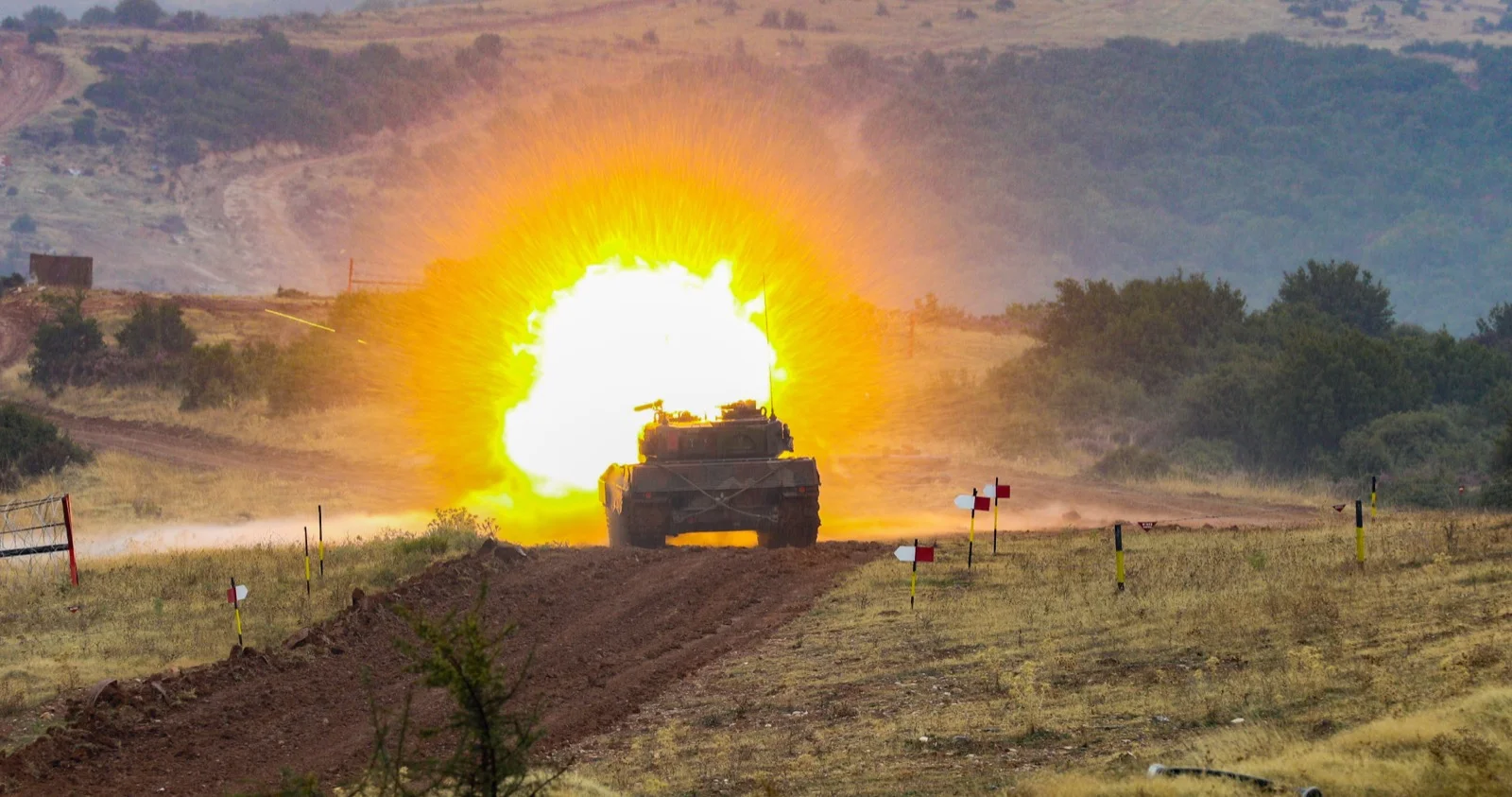
~200 fighter jets · ~1,344 tanks · Budget ~$8.5 billion
We open the list from the far shore of the Aegean, with a NATO member that keeps defense spending among the highest as a share of GDP. Greek military doctrine is almost single-axis: deterrence against Turkey. That is why the country fields a land and air force enormous for its population. In recent years Athens modernized its inventory with Rafale fighters from France and FDI Belharra frigates, and has weighed an F-35 acquisition.
The air force looks formidable with a mix of F-16 Viper, Rafale and Mirage 2000, yet Greece’s core weakness is depth and resources. Economic fragility keeps fighter and tank counts high but denies the budget to sustain them in a prolonged conflict. Even so, 11 submarines and 13 frigates keep a navy afloat that is far from negligible in the Eastern Mediterranean. Compared to its regional rival Turkey, its population and industrial base are far smaller — making it the most fragile link in this countdown.
| Power Element | Figure |
|---|---|
| Personnel (active) | 142,700 |
| Fighter Jets | ~200 |
| Tanks | ~1,344 |
| Submarines | 11 |
| Budget | ~$8.5 billion |
But next up is an army that has turned the spending taps wide open.
#9 Poland
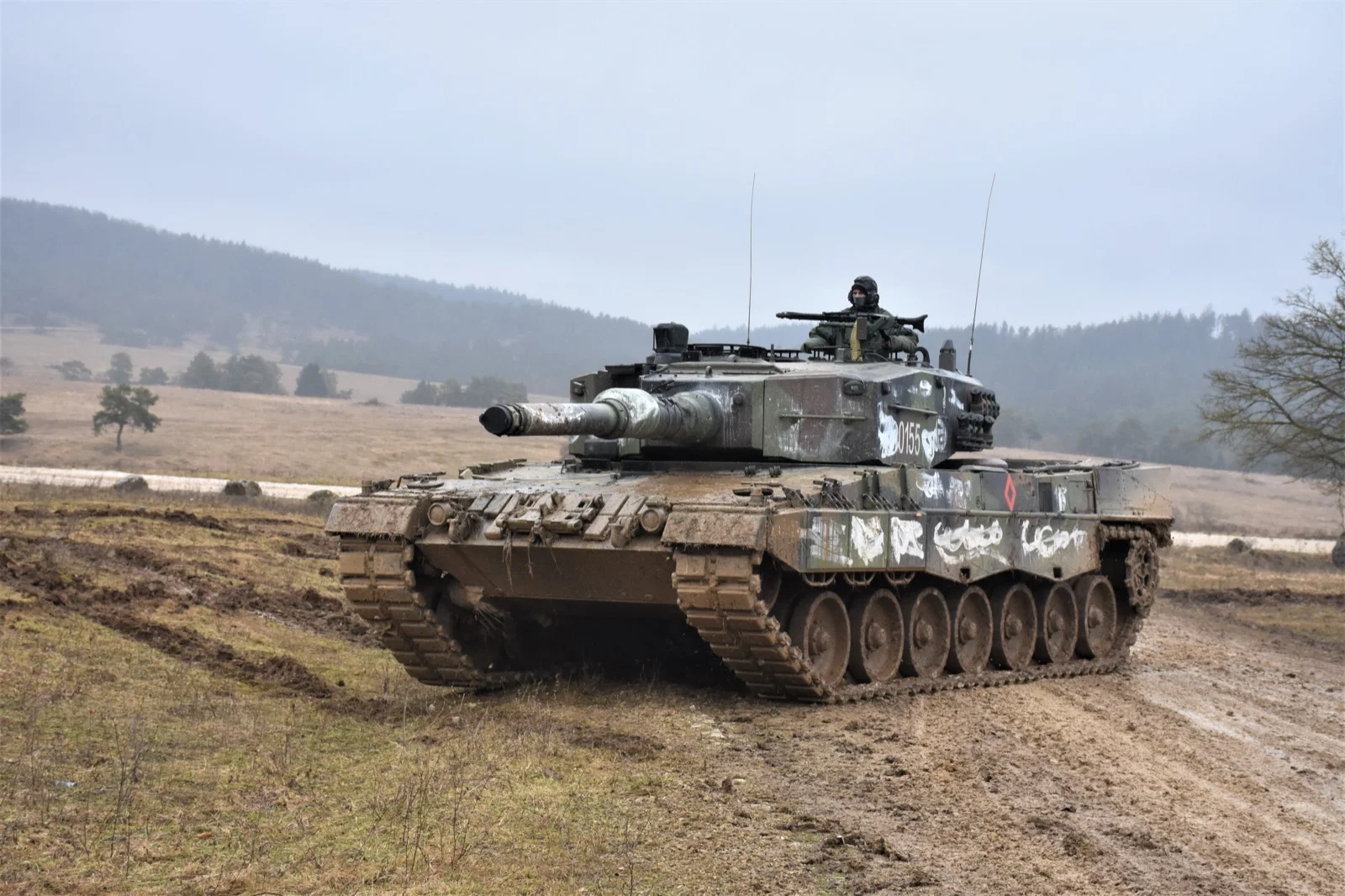
1,300+ tanks · Budget ~$35 billion (4%+ of GDP)
Poland is the fastest-rearming army in 2026 Europe. Living with the Russian threat as a next-door neighbor, Warsaw pushed its defense budget above 4% of GDP, becoming NATO’s proportional leader. That money turns directly into steel and powder: an armored force exceeding 1,300 vehicles built from American M1 Abrams, German Leopard 2 and South Korean K2 Black Panther tanks. In artillery, Korean-made K9 howitzers and US-made HIMARS rocket systems are in service.
The air force adds F-35 orders and Korean FA-50 light fighters alongside its F-16s. Poland’s doctrine is clear: build a heavy land army able to absorb the first blow in a possible clash with Russia until NATO reinforcements arrive. Its 202,000-strong personnel base is growing fast. It commands a far deeper budget and industrial-partnership network than regional rival Greece; however, the absence of a domestically designed fighter or nuclear deterrent keeps it outside the top five.
| Power Element | Figure |
|---|---|
| Personnel (active) | 202,000 |
| Aircraft (total) | 461 |
| Tanks | 1,300+ |
| Fighter Jets | F-16 / F-35 (order) / FA-50 |
| Budget | ~$35 billion |
Yet the next army tests its tanks not on the assembly line, but directly at the front.
#8 Ukraine
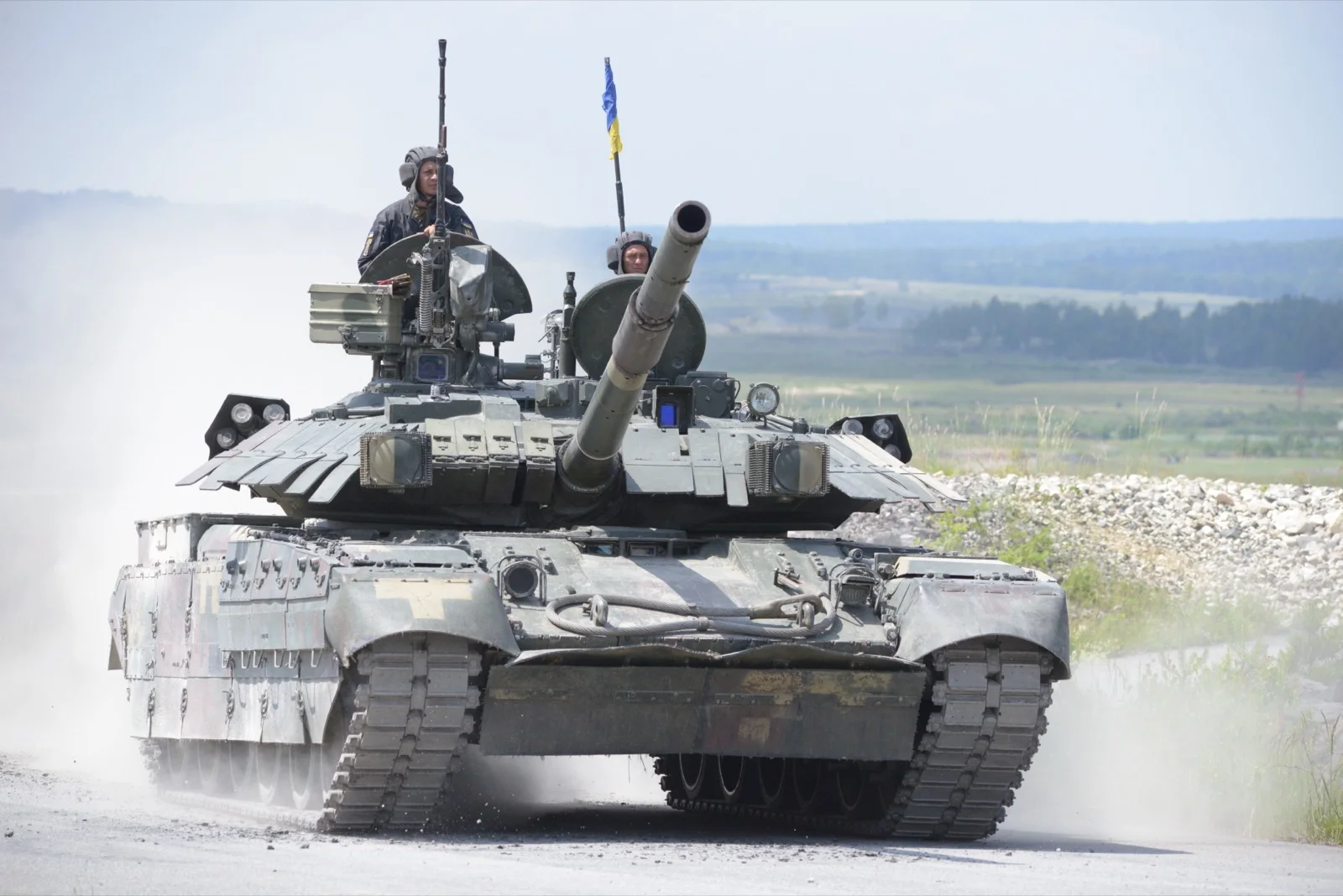
~900,000 mobilized personnel · Inventor of drone warfare
On paper it may trail some armies, but Ukraine is 2026 Europe’s most combat-experienced force. Years of total war have turned its army into a laboratory. Mobilization has pushed personnel to 900,000, blending Soviet-legacy equipment with Western Leopard 2, Abrams and Challenger tanks. F-16s are now in the air — but the real revolution is happening not up high, but at low altitude.
Ukraine rewrote the rules of modern warfare with FPV drones and naval unmanned vehicles; pushing back the Russian navy in the Black Sea almost without a conventional fleet of its own is now a page in military history. The army’s weaknesses are stark: it has practically no navy, its air defense is under constant strain, and its war economy leans heavily on Western financing. Yet it leads the world in drone innovation, electronic warfare and distributed-command doctrine. It has less money than regional rival Poland, but has accumulated far more real combat data.
| Power Element | Figure |
|---|---|
| Personnel (mobilized) | ~900,000 |
| Aircraft (total) | ~324 |
| Tanks | ~1,100 |
| Navy | Almost none |
| Combat experience | Highest (Europe) |
The next country takes the stage with an aircraft carrier.
#7 Spain
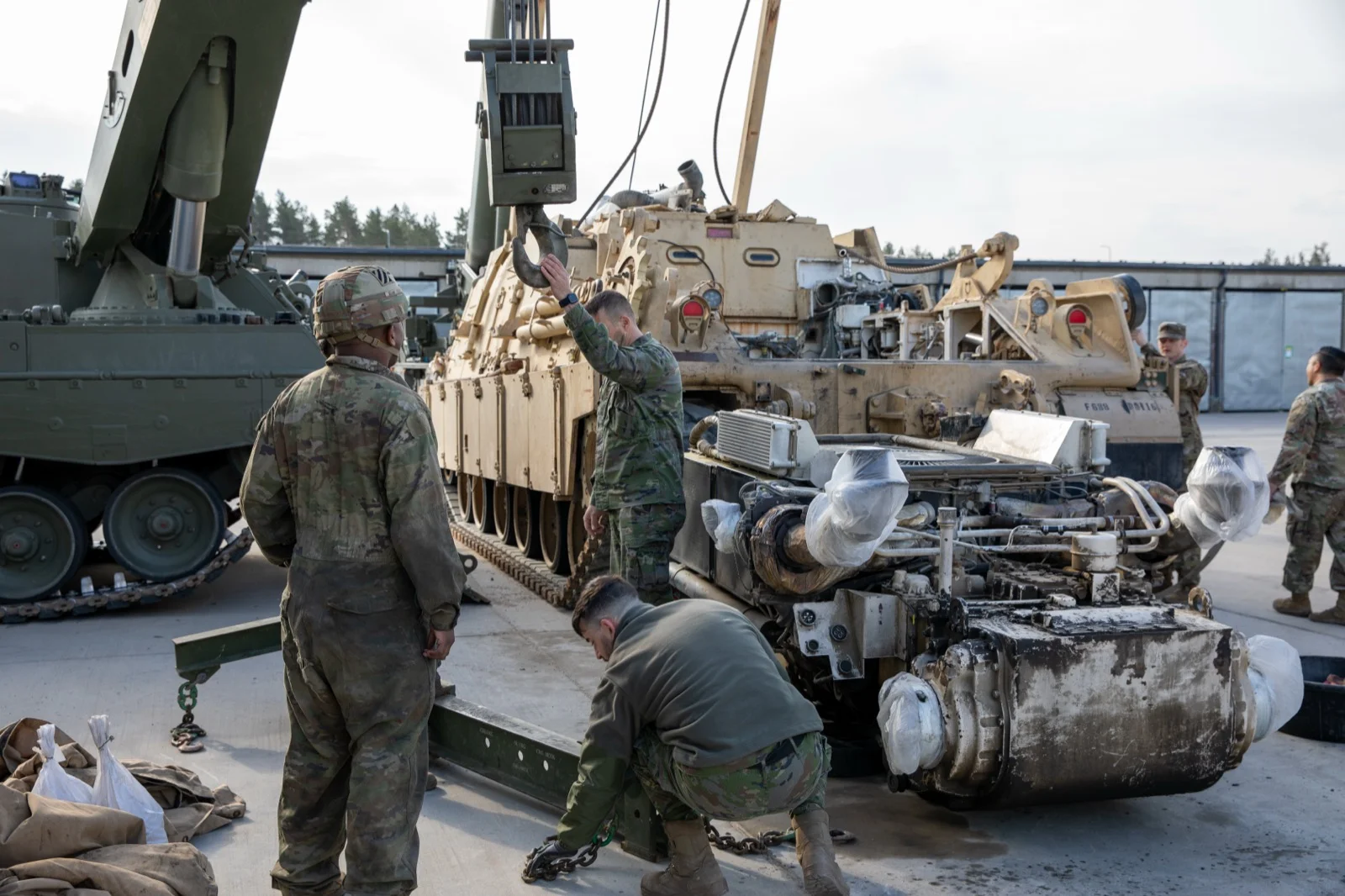
327 tanks · Juan Carlos I LHD · Budget ~$23 billion
Iberia’s major power, Spain, sits mid-table with a balanced but cautious army. Its land forces provide a NATO-standard armored backbone with 327 Leopard 2E main battle tanks. Naval power is Spain’s most striking card: the Juan Carlos I amphibious assault ship (LHD) can serve both as a landing platform and as a carrier for short takeoff and landing aircraft — a design that inspired Turkey’s own TCG Anadolu.
The air force is trying to modernize an ageing fleet with a mix of EF-18 Hornet and Eurofighter Typhoon. New domestic S-80 class submarines are entering service, but their number is still limited to three. Spain’s doctrine is built around stability on NATO’s southern flank and overseas deployability, focused more on alliance contribution than aggressive deterrence. Facing no direct land threat regionally, its defense spending stayed low for a long time, leaving it behind its higher-budget neighbors.
| Power Element | Figure |
|---|---|
| Personnel (active) | 122,000 |
| Aircraft (total) | 480 |
| Fighter Jets | ~140 |
| Tanks | 327 |
| Budget | ~$23 billion |
The next country is living through the biggest defense-budget revolution in its history.
#6 Germany
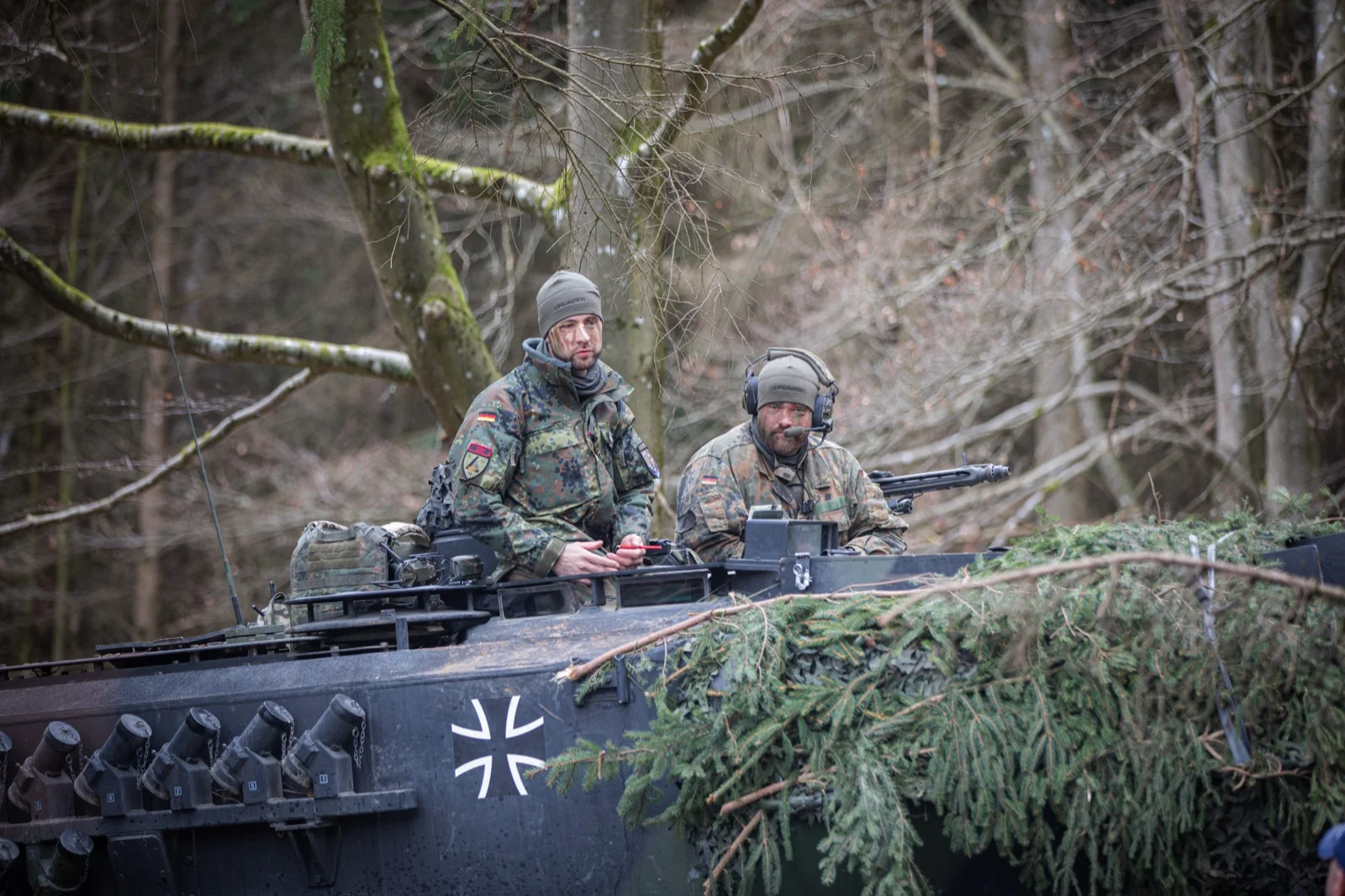
296 Leopard 2 tanks · Budget ~$86 billion (Zeitenwende)
Europe’s economic giant, Germany, is rearming under the “Zeitenwende” (turning point) doctrine after decades of military neglect. A special fund of hundreds of billions of euros, announced in the shock of the Ukraine war, aims to put the Bundeswehr back on its feet. Today’s figures still don’t fully reflect that potential: with 296 Leopard 2 tanks it keeps a relatively small version of its famed armored tradition — yet the Leopard 2 remains one of the world’s most respected main battle tanks.
The air force will bolster its Eurofighter and ageing Tornado fleet with ordered F-35s. Below the waves, Type 212A class submarines are considered a world standard for silence. Germany’s budget is among the largest on the list, but this money has yet to translate fully into ready force; shortfalls in readiness rates, ammunition stocks and personnel numbers draw criticism. Still, given its industrial capacity and financial muscle, Germany is the candidate most likely to climb this ranking in the coming years. With no regional rival, its real strength lies in its potential.
| Power Element | Figure |
|---|---|
| Personnel (active) | 180,000 |
| Aircraft (total) | 617 |
| Fighter Jets | ~130 |
| Tanks | 296 |
| Budget | ~$86 billion |
Now we enter the top five, and a long-established Mediterranean power awaits.
#5 Italy
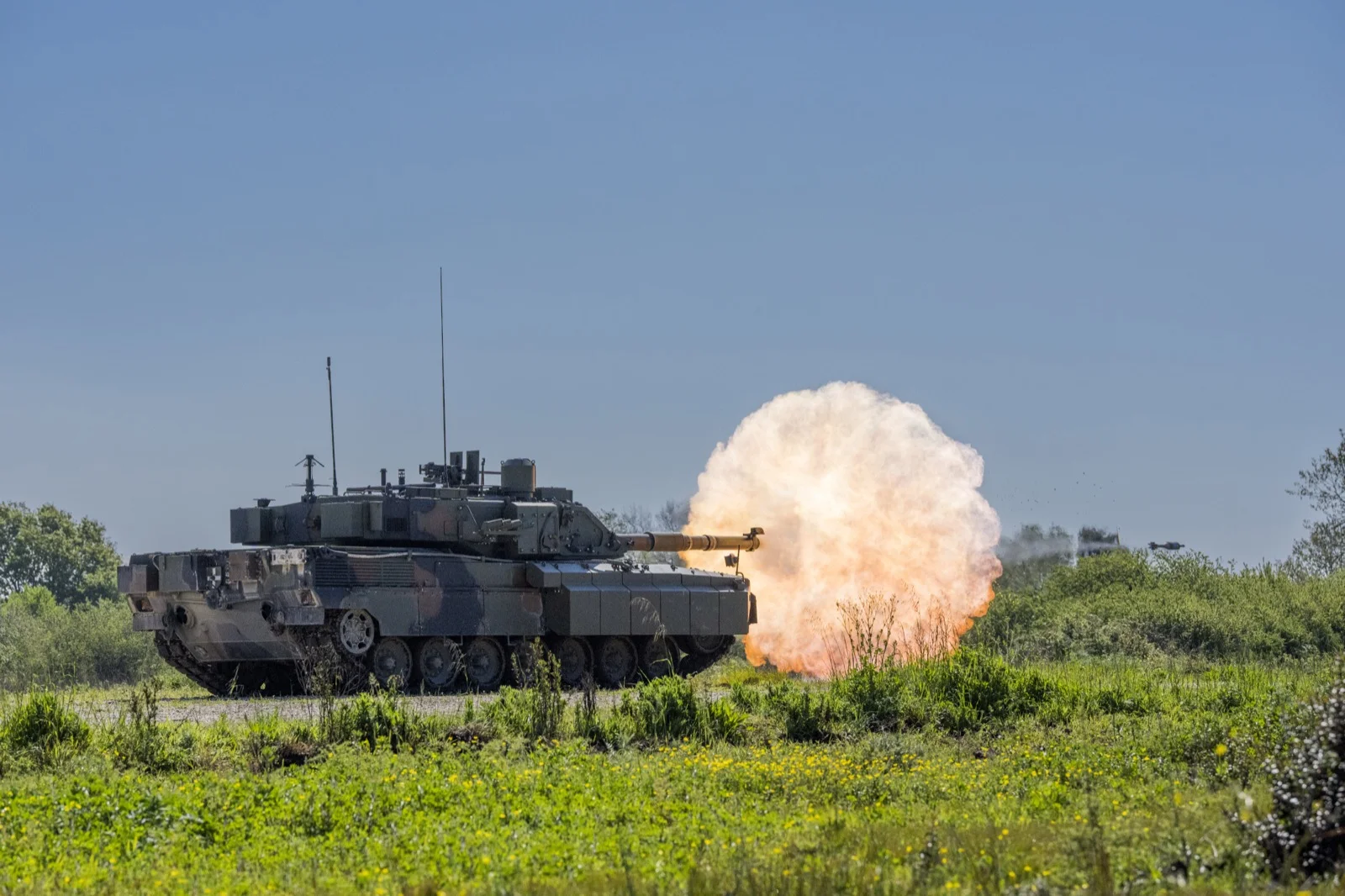
Two aircraft carriers · PwrIndx 0.1863
The Mediterranean’s most balanced naval power, Italy, enters the top five with two carriers: the light carrier Cavour and the amphibious assault ship Trieste. Once both are equipped with F-35Bs, Italy will be one of the few European countries able to project air power from multiple points. This reflects the core of Italian doctrine: a broad navy and overseas power projection.
The air force operates both F-35A and F-35B alongside the Eurofighter Typhoon, making Italy one of the central states in NATO’s fifth-generation ecosystem. Its land power is relatively modest with 200 Ariete tanks, but Italy’s true weight is at sea and in the air. With a defense giant like Leonardo, Italy is a power that not only uses weapons but also produces and exports them. With 8 submarines and strong amphibious capability, it is one of Turkey’s principal naval rivals in the Mediterranean. Its technology base runs deeper than its regional rivals; but the limited scale of its land army keeps it from climbing higher.
| Power Element | Figure |
|---|---|
| Personnel (active) | 165,000 |
| Aircraft (total) | 729 |
| Fighter Jets | ~90 |
| Tanks | 200 |
| Budget | ~$33 billion |
And here we are: our flag flies in the very next spot.
#4 TURKEY
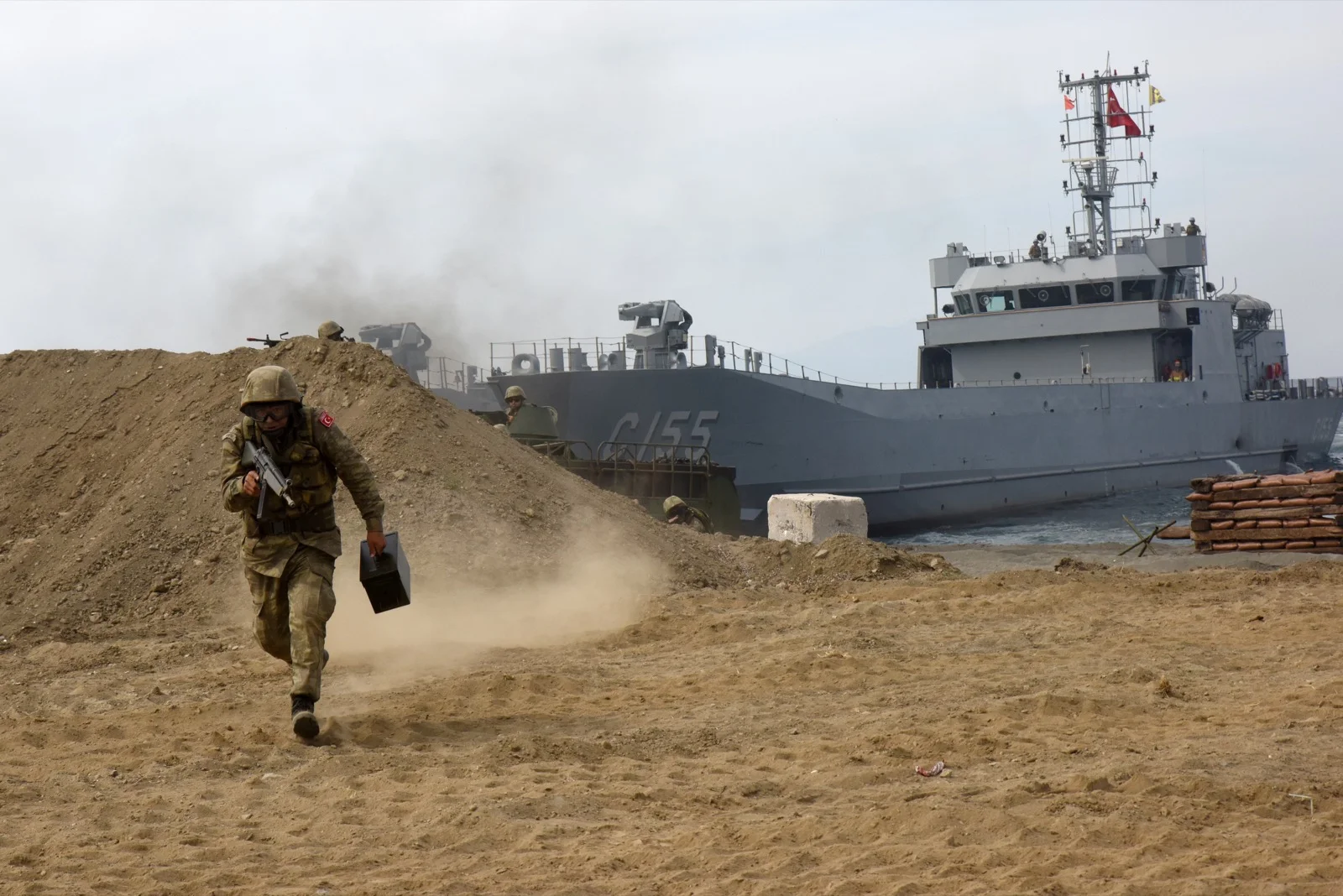
PwrIndx 0.1697 · 355,200 personnel · 2,238 tanks · 1,083 aircraft
And at number four stands Turkey. This is no coincidence but the reflection of a strategic fact: Turkey holds the largest land army in Europe apart from Russia. With over 355,000 active personnel and as one of the youngest-manned forces on the continent, it commands one of Europe’s highest mobilization capacities. With 2,238 tanks, 1,083 aircraft and 205 fighter jets, the Turkish Armed Forces stand out not only in numbers but in operational experience: a doctrine tested along a combat line stretching from Syria to Libya to Karabakh.
What makes Turkey the most striking name in this countdown is the steady localization of its inventory. At sea it operates TCG Anadolu (LHD), the world’s first drone-carrying ship of its kind; its 156-strong naval force, with 16 frigates and 12 submarines, is a decisive actor in the Eastern Mediterranean. Turkey leaves behind every army of Western Europe — including Germany, Italy, Spain and Poland — trailing only the nuclear powers Russia, the United Kingdom and France.
Why Is Turkey Here — and Can It Climb Higher?
Turkey’s real ranking potential lies less in today’s paper figures and more in its future domestic projects. As the fifth-generation national fighter KAAN, the unmanned combat aircraft KIZILELMA, the jet trainer and light attack aircraft HÜRJET, the next-generation main battle tank ALTAY, the national frigate family MİLGEM and the SİPER/HİSAR air defense systems enter service, Turkey’s dependence on foreign supply collapses while its striking power multiplies. The TB2 and Akıncı drones have already set a global standard. Once these programs reach full capacity, it will be no surprise to see Turkey playing for a top-three place — or European leadership among non-nuclear powers.
Turkey’s true strength in this ranking lies not in its inventory but in its shipyards and assembly lines. Serial production of KAAN, KIZILELMA landing aboard ship, HÜRJET exports, ALTAY delivered with a domestic engine, and the multiplication of MİLGEM frigates are transforming Turkey from an import-dependent buyer into a self-sufficient producer. Once the SİPER air defense system is fully fielded, Turkey will reach a combination no Western European army possesses: large-scale land power + domestic air power + drone superiority + layered air defense. This heralds not a force clinging to fourth place, but one poised to challenge the top three.
| Power Element | Figure |
|---|---|
| Personnel (active) | 355,200 |
| Aircraft (total) | 1,083 |
| Fighter Jets | 205 |
| Tanks | 2,238 |
| Frigates / Submarines | 16 / 12 |
| Budget | ~$40 billion |
The shared secret of the three armies ahead of Turkey is a single word: nuclear.
#3 United Kingdom
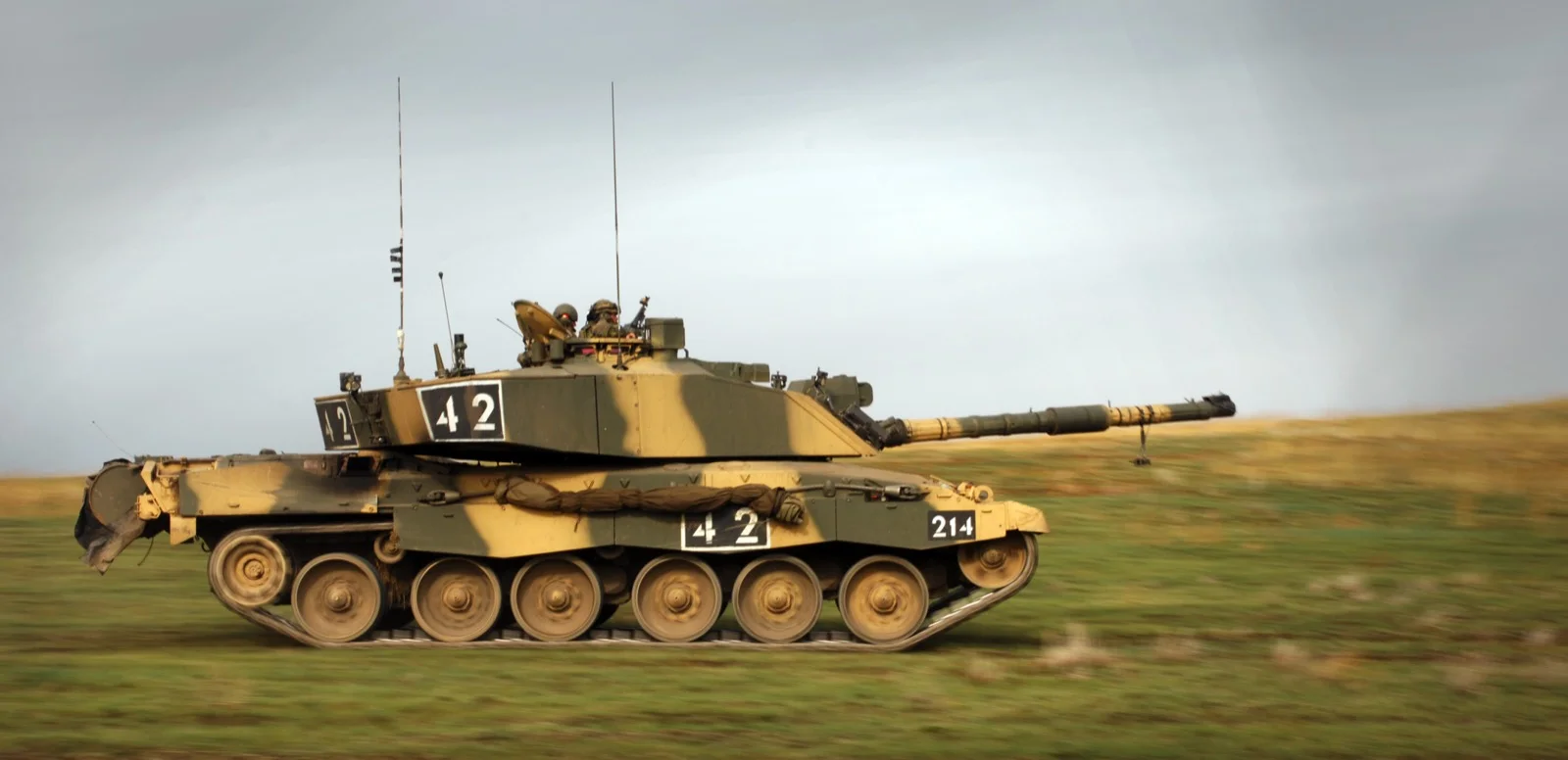
PwrIndx 0.1785 · 2 aircraft carriers · Nuclear power
In third place stands the United Kingdom, heir to the world’s first industrial empire. What lifts Britain one rung above Turkey is its nuclear deterrent: four Vanguard class SSBN submarines represent a doomsday force on permanent patrol at sea. To this are added the Astute class, among the quietest attack submarines in the world.
The Royal Navy has global power-projection capacity with two large carriers, Queen Elizabeth and Prince of Wales, carrying F-35B fighters. The air force forms one of NATO’s most capable fleets with a mix of Typhoon and F-35B. Its land power is relatively small with 213 Challenger tanks; postwar Britain built its doctrine on a sea-air-nuclear triad rather than land mass. With 185,000 personnel it trails Turkey in numbers, but its nuclear status and network of global bases lift it into a higher league. Turkey is well ahead in total tanks and personnel; but nuclear warheads prove decisive in this ranking.
| Power Element | Figure |
|---|---|
| Personnel (active) | 185,000 |
| Aircraft (total) | 631 |
| Fighter Jets | ~145 |
| Tanks | 213 |
| Submarines (incl. SSBN) | 10 |
| Budget | ~$68 billion |
The power in second place carries nuclear independence further than any other on the continent.
#2 France
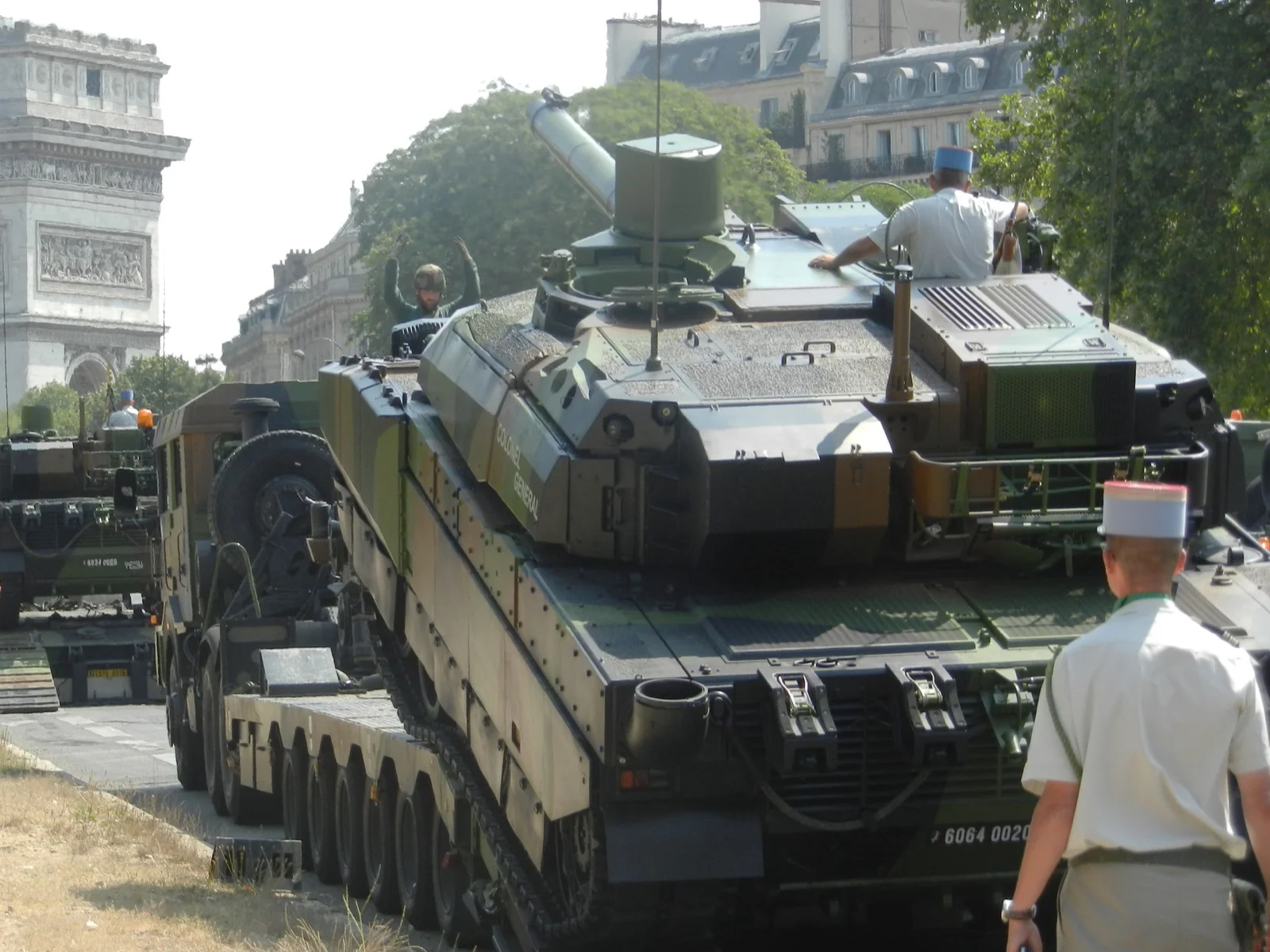
PwrIndx 0.1878 · Nuclear-powered carrier Charles de Gaulle
The European Union’s only nuclear power, France, sits in second place. What lifts France here is the most independent and balanced force structure on the continent. The Charles de Gaulle is Europe’s only nuclear-powered aircraft carrier, able to project air power anywhere on Earth with unlimited range. It is joined by Mistral class amphibious assault ships and four Triomphant class SSBN submarines. France’s nuclear deterrent operates independently from both sea and air, making it the NATO army least dependent on the United States.
The air force is equipped with the Rafale, one of the world’s most-exported fighters; countries from Greece to India, Egypt to the UAE have chosen it. Its land power is qualified but small in scale, with 215 Leclerc tanks. French doctrine is built on power projection in Africa and overseas territories together with strategic autonomy. With 205,000 personnel it trails Turkey and sits well below it in tank and personnel counts, but its nuclear triad capability and defense-industrial depth make it Europe’s strongest army after Russia.
| Power Element | Figure |
|---|---|
| Personnel (active) | 205,000 |
| Aircraft (total) | 972 |
| Fighter Jets | ~230 |
| Tanks | 215 |
| Submarines (incl. SSBN) | 9 |
| Budget | ~$55 billion |
And finally, the summit: the giant that dwarfs the continent by sheer scale.
#1 Russia
PwrIndx 0.0788 · 1.32 million personnel · ~5,500 nuclear warheads
And Europe’s strongest army, by a wide margin, is Russia. With a power index of 0.0788 (lower means stronger), it is among the very top military forces not just on the continent but in the world. With 1.32 million active personnel, 4,292 aircraft and 809 fighter jets, no army on this list compares in scale. Its enormous armored force of 5,750 tanks has been badly worn in the Ukraine war, but it remains the world’s largest; the Russian defense industry has the depth to replace losses.
What carries Russia to the undisputed summit is the world’s largest nuclear arsenal of roughly 5,500 warheads. Its carrier Kuznetsov may be largely idle, but its 63 submarines — most nuclear-powered and ballistic-missile-armed — pose a strategic threat on their own. The Ukraine war exposed the Russian army’s weaknesses in modern combat (logistics, command, inability to win air superiority); yet the same war also proved its absorption capacity and depth. Despite economic sanctions, with a budget of ~$126 billion Russia stands at a summit no European army comes close to in raw scale, nuclear power and resource depth.
| Power Element | Figure |
|---|---|
| Personnel (active) | 1,320,000 |
| Aircraft (total) | 4,292 |
| Fighter Jets | 809 |
| Tanks | 5,750 |
| Submarines | 63 |
| Budget | ~$126 billion |
Final Assessment: Where Is Europe’s Balance of Power Heading?
Europe’s 2026 military landscape tells a three-axis story. First, the nuclear divide. It is no accident that Russia, France and the United Kingdom share the top three places; nuclear deterrence is the factor that lifts an army into a higher league even when another looks larger in conventional balance. This pins even a country like Turkey — which surpasses France and Britain in personnel and tank counts — to fourth place.
Second, a continent reshaped by war. The Ukraine war put two great lessons before Europe: mass land power and ammunition depth still matter; but cheap drones, electronic warfare and distributed command can decide the fate of expensive platforms. Ukraine ranking ahead of wealthier armies on this list shows that raw combat experience is a multiplier invisible in inventory tables. Germany’s rearmament through “Zeitenwende” and Poland’s record budget signal a remilitarizing continent.
Third, and most critical for Turkey: the power of domestic defense industry to shift the ranking. Today Turkey holds the largest land army in Europe apart from Russia and the most balanced conventional force structure. The only barrier ahead of it is nuclear status. But once projects like KAAN, KIZILELMA, HÜRJET, ALTAY, MİLGEM and SİPER reach full capacity, Turkey will transform from an import-dependent buyer into a power producing its own fifth-generation fighter, unmanned combat aircraft and air defense system. That means a leap that will widen the gap with France and the United Kingdom in conventional power.
So can Turkey break into the top three? Mathematically it is hard while the nuclear powers hold their places; but among non-nuclear powers Turkey is already Europe’s clear leader, and it reinforces that edge every year through domestic production. As the global rise of China and Russia pushes NATO toward greater burden-sharing in Europe, Turkey’s geography and manufacturing capacity together make it one of the continent’s indispensable military actors. Over the coming decade, the name most likely to move on this ranking will almost certainly be Turkey — with the momentum of a power that has not merely risen, but already arrived.
Comparison Table
| Rank | Country | Key Metric | Tanks | Fighter Jets | Personnel | Budget |
|---|---|---|---|---|---|---|
| 1 | Russia | 0.0788 | 5,750 | 809 | 1,320,000 | ~$126B |
| 2 | France | 0.1878 | 215 | ~230 | 205,000 | ~$55B |
| 3 | United Kingdom | 0.1785 | 213 | ~145 | 185,000 | ~$68B |
| 4 | TURKEY | 0.1697 | 2,238 | 205 | 355,200 | ~$40B |
| 5 | Italy | 0.1863 | 200 | ~90 | 165,000 | ~$33B |
| 6 | Germany | 0.2601 | 296 | ~130 | 180,000 | ~$86B |
| 7 | Spain | — | 327 | ~140 | 122,000 | ~$23B |
| 8 | Ukraine | — | ~1,100 | at war | ~900,000 | West-funded |
| 9 | Poland | — | 1,300+ | F-16/FA-50 | 202,000 | ~$35B |
| 10 | Greece | — | ~1,344 | ~200 | 142,700 | ~$8.5B |
Next Military Power Analysis
Coming up: Africa’s 10 strongest air forces — Egypt or Algeria on top?
Frequently Asked Questions
Where does Turkey rank among Europe’s strongest armies?
According to GlobalFirepower 2026 data, Turkey is Europe’s 4th strongest army. It trails only the nuclear powers Russia, France and the United Kingdom, and leaves behind all Western and Eastern European armies including Germany, Italy, Spain and Poland. It holds the continent’s largest land army apart from Russia.
Why is Russia included on the Europe list?
Although most of Russia’s territory lies in Asia, it is included because its population and capital are on the European side, it sits at the center of Europe’s security balance, and it is the continent’s largest military force. A European military ranking without Russia would be incomplete.
Why is Turkey behind France and the United Kingdom?
Turkey clearly surpasses France and the UK in conventional elements such as tanks and personnel. But what lifts these two ahead is their nuclear deterrence and strategic assets such as nuclear-powered carriers and submarines. Among non-nuclear powers, Turkey is Europe’s clear leader by a wide margin.
How do KAAN and KIZILELMA change the ranking?
As the fifth-generation national fighter KAAN, the unmanned combat aircraft KIZILELMA, HÜRJET, the ALTAY tank and the SİPER air defense system enter serial production, Turkey’s foreign dependence will fall while its striking power and deterrence multiply. Once these programs reach full capacity, Turkey is expected to challenge the top three in conventional power.
Why does Ukraine rank even above Poland?
Being in constant combat, Ukraine has Europe’s most combat-experienced army. Its mobilized personnel approaching 900,000, its pioneering innovations in drones and electronic warfare, and its real battlefield data provide a multiplier invisible in inventory tables. Despite the lack of a navy and its dependence on foreign funding, this experience lifts it to a higher spot.
Sources
- Source: GlobalFirepower — 2026 military strength index and inventory data
- SIPRI — defense spending and arms transfers database
- IISS Military Balance — force structure and inventory analysis
- NATO — alliance defense spending and force contributions
- Defense ministries and official procurement programs of the relevant countries