UK Signs $10.5B Babcock Deal to Speed Up Nuclear Submarine Maintenance

The UK Ministry of Defence (MoD) has signed a five-year contract with Babcock, called the Gateway Agreement, bringing submarine maintenance, engineering, technical support and base services under a single framework. The MoD values the deal at £8 billion ($10.5 billion), while Babcock calculates it at £8.7 billion, which the company calls a record for itself. The agreement takes effect on 1 December, replacing the Future Maritime Support Programme contract, which ends on 30 November; the initial five-year term can be extended to up to 15 years.
Which bases and boats are covered
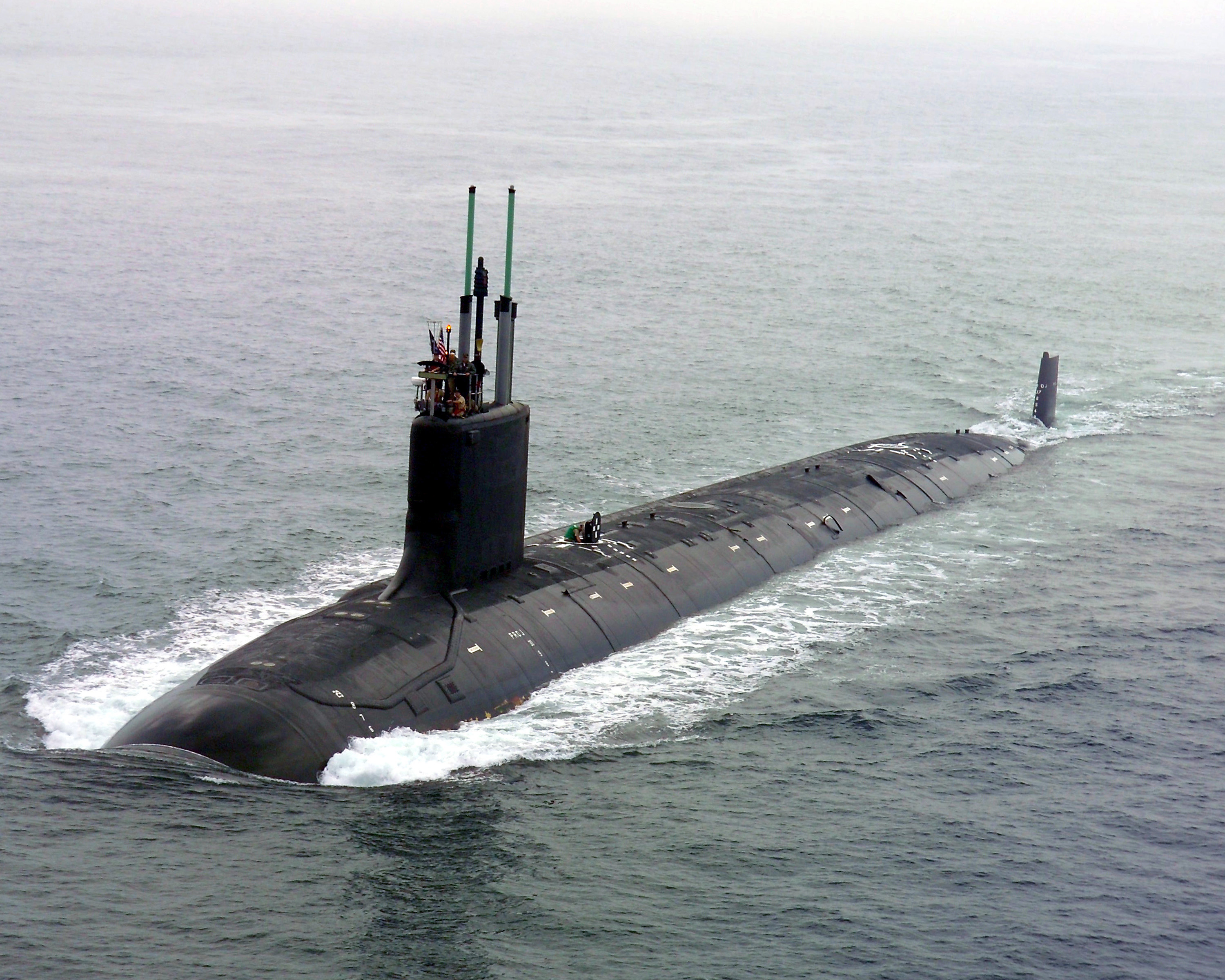
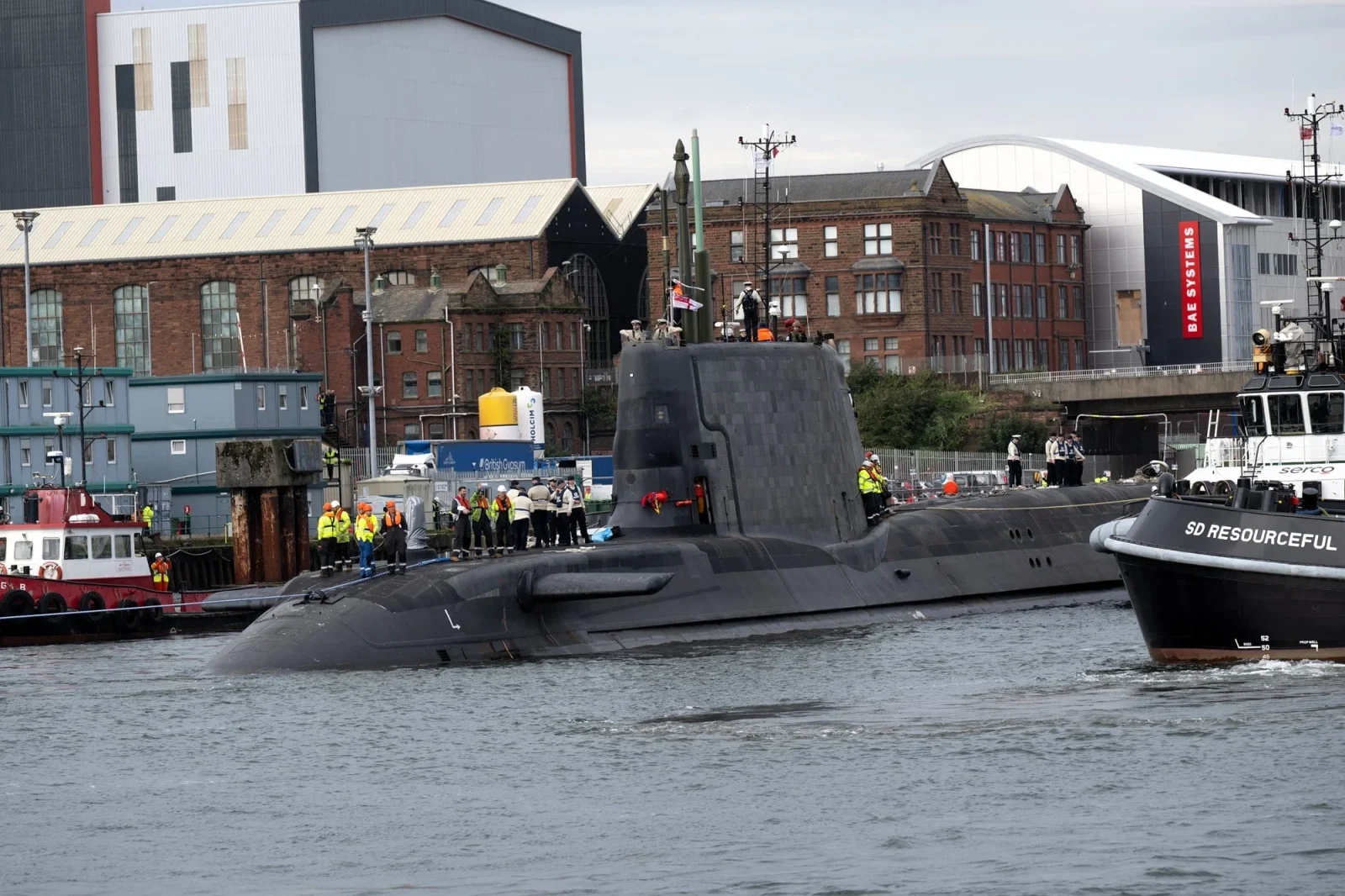
Services will be delivered at HMNB Devonport, Devonport Dockyard and HMNB Clyde, with the framework also covering surface fleet facilities, naval training and future autonomous capabilities. The agreement is specifically designed to support the transition from the current Vanguard-class ballistic missile submarines to the new Dreadnought class. The Astute-class attack submarine HMS Agamemnon, which began sea trials in September, is mentioned only as context and is not presented as a direct part of this contract.
Part of the £26 billion Project Royal Oak
The Gateway Agreement sits within the wider, ten-year, £26 billion Project Royal Oak, which aims to modernise infrastructure at Devonport, Clyde and Portsmouth. The MoD says the deal supports 8,500 existing jobs and is expected to create about 3,000 new skilled jobs plus roughly 2,500 apprentice and graduate roles in Plymouth, Clyde and Bristol. Around £2.4 billion ($3.1 billion) will be spent in the wider UK supply chain, with about £1 billion going to small and medium-sized enterprises. Babcock and the MoD also signed a separate memorandum of understanding for a longer-term relationship.
What officials said
Defence Secretary Wes Streeting, visiting Devonport, said “the deterrent is only as strong as our ability to keep it at sea.” First Sea Lord Gen. Sir Gwyn Jenkins said submarines’ ability to operate “is dependent on us to maintain them.” The framework includes incentives for faster turnaround, aimed at keeping more submarines ready for deterrent patrols and NATO and AUKUS commitments.
What it means for Babcock
Babcock has held a near-monopoly position in UK submarine maintenance infrastructure for decades; Devonport Dockyard is the only facility that carries out planned maintenance on the Royal Navy’s nuclear submarines. Replacing the Future Maritime Support Programme, the Gateway Agreement gives the company revenue visibility for up to 15 years, making it easier to plan its Devonport and Clyde workforce and supply chain over the long term. Babcock describing the deal as its own record points to both its size and its duration.
Timing of the Dreadnought transition
The shift from Vanguard-class to Dreadnought-class submarines is a critical juncture for the continuity of the UK’s nuclear deterrent. While the new class is under construction, the existing Vanguard fleet needs to spend less time in maintenance and more time on patrol — exactly what the Gateway Agreement’s faster-turnaround incentives are designed to deliver. That the deal also covers HMNB Clyde shows that Dreadnought-class basing operations are being planned within the same framework.
FAQ
Which submarine classes does the deal cover?
It primarily supports the transition from Vanguard-class to Dreadnought-class ballistic missile submarines; Astute-class attack submarines are mentioned only as context.
Why do the MoD and Babcock figures differ?
The MoD values the deal at £8 billion while Babcock calculates £8.7 billion; the discrepancy is not explained in the reporting.
Which bases will deliver the services?
HMNB Devonport, Devonport Dockyard and HMNB Clyde.
Sources
- The Defense Post, 26 November 2026