Lockheed Martin Wins $211M to Build New UAE THAAD Launchers After Iran Strikes Exposed Gaps

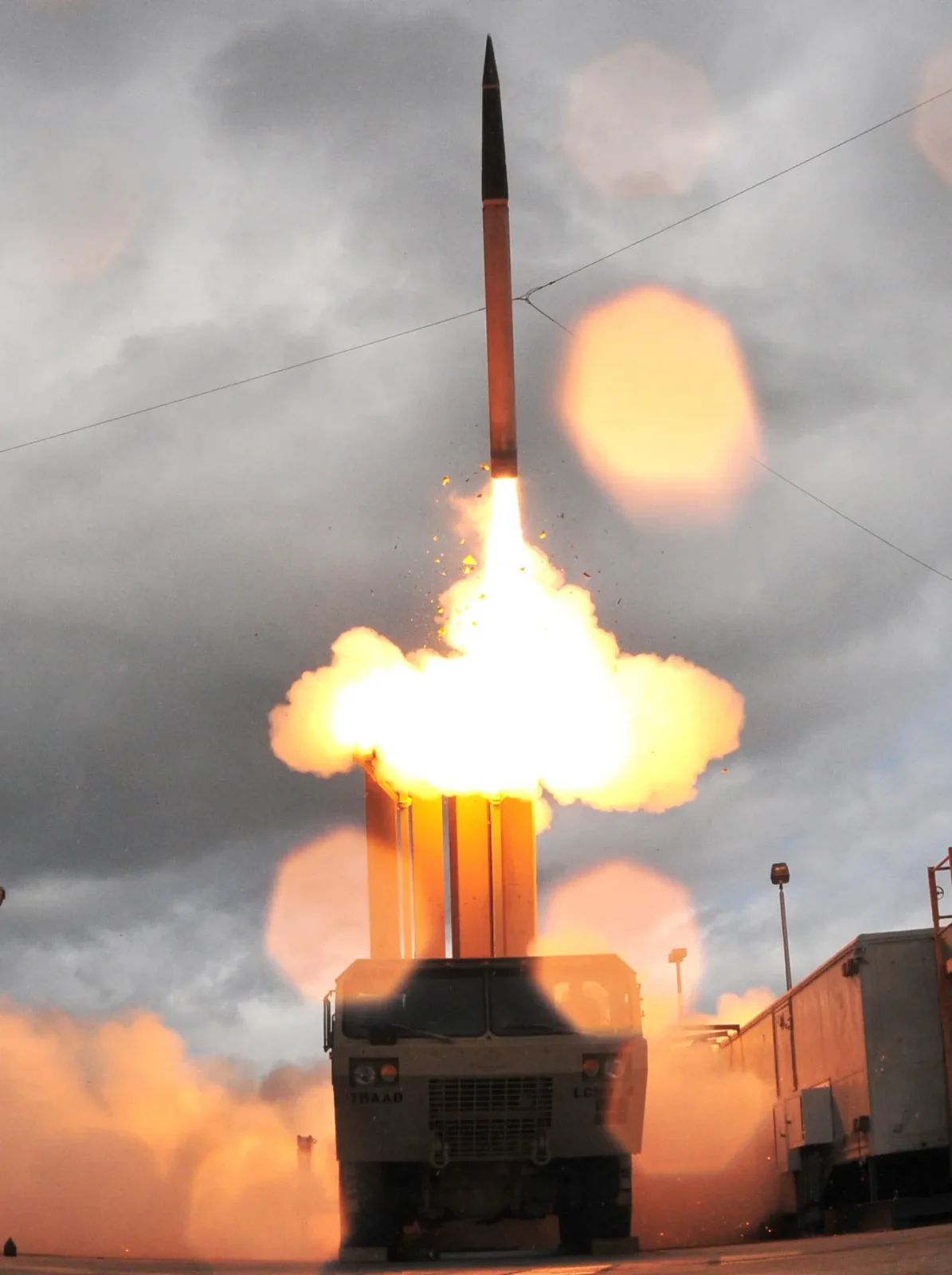
Lockheed Martin Space has been awarded a $211.4 million contract modification to produce a new batch of Configuration 3 THAAD launchers for the United Arab Emirates, with production running from August 2026 through January 2031. The order follows a year in which Iranian-linked strikes tested — and in places outpaced — the Gulf state’s missile-defense sensing capacity.
At a Glance
- Lockheed Martin Space will build new Configuration 3 (C3) THAAD launchers for the UAE under a $211.4 million contract modification.
- Production is scheduled from August 2026 to January 2031.
- The award brings the cumulative value of the underlying THAAD contract to roughly $1.0545 billion.
- Separately, the US State Department cleared a $4.5 billion THAAD radar and command package to rebuild UAE sensing capacity.
- The UAE has operated THAAD since 2011 and used it operationally during this year’s Iran-Israel war.
Background
The UAE was the first foreign customer to order THAAD back in 2011, and remains the only Gulf state to field the system. It saw its first combat intercepts against Houthi ballistic missiles and attack drones in 2022, and was called on again this year as the Iran-Israel conflict spilled into regional airspace. That episode reportedly strained the UAE’s radar and detection layer enough that Washington moved on two fronts almost simultaneously: rebuilding sensing capacity with a $4.5 billion radar package, and now expanding the launcher inventory itself with new C3-standard units built at Lockheed’s Alabama production line.
The Configuration 3 launcher is an upgraded variant intended to improve THAAD battery reaction time and coverage. Deliveries will roll out in stages through early 2031, layering onto an already dense pipeline of Gulf air-defense spending — US arms agreements with GCC states hit roughly $41 billion in the first half of 2026 alone, more than four times the total for all of 2025, as counter-UAS and layered missile defense become the region’s fastest-growing procurement category.
Regional Impact
The UAE case is a pointed illustration of what happens when a top-tier terminal-defense system meets a sustained, multi-vector missile and drone threat: even a proven combat record didn’t stop this year’s strikes from exposing sensor gaps that required emergency-scale reinvestment. For Gulf neighbors weighing their own layered air-defense upgrades — and for Turkey, which is building out its indigenous SIPER and Hisar families rather than relying solely on imported systems — the episode underscores how quickly radar and sensor shortfalls, not just launcher counts, can become the binding constraint in modern missile defense.
FAQ
What does THAAD actually do?
It intercepts ballistic missiles during their terminal phase, inside or just above the atmosphere, using a hit-to-kill interceptor.
When will the new launchers arrive?
Production runs from August 2026 through January 2031, delivered in stages.
Is this the UAE’s first THAAD order?
No — the UAE ordered THAAD in 2011. This contract expands and modernizes an existing operational fleet.
Sources
- DefenseMirror – Lockheed Martin Wins $211.4M to Produce New THAAD C3 Launchers for U.A.E.
- Army Recognition – U.S. Approves $4.5B THAAD Radar Package for UAE to Restore Missile Defense After Iran Strikes
- ClearanceJobs – Lockheed Martin Wins $211M THAAD Launcher Contract for UAE
- AGBI – US approves $41bn of arms sales to GCC in six months