The 8 Best SHORAD Systems in the World (2026): Short-Range Air Defense Ranked
Summary Not Found.
As cheap drones, loitering munitions and cruise missiles flood the modern battlefield, short-range air defense (SHORAD) has returned to the center of NATO planning. This Defense News-style ranking weighs combat record, sensor performance, export success and procurement momentum to identify the eight SHORAD systems most armies actually want, from the alliance-standard NASAMS to Germany’s fast-selling IRIS-T SLS.
Each system is scored 0-10 across 8 criteria; the weighted total is out of 100.
Criterion
Weight
What It Measures
Operational Success
%18
Mission performance and operational reliability
Combat Experience
%16
Proven record in real conflicts
Technology Level
%16
Level of sensor, weapon and protection technology
Export Success
%12
International sales and contract volume
Operator Count
%10
Number of active operator nations
Upgrade Potential
%10
Availability of upgrade and modernization paths
Production Status
%10
Whether serial production continues
Cost-Effectiveness
%8
Unit price and life-cycle cost
Ranking Table
Rank
System
Origin
Score
#1
NASAMS
Norway / United States
93.2/100
#2
IRIS-T SLS / SLM
Germany
88.2/100
#3
Crotale NG / Crotale Mk3
France
77.2/100
#4
GURZ (Korkut + HISAR-A+ + Sungur)
Turkey
74.8/100
#5
SPYDER-SR
Israel
74.8/100
#6
Tor-M2 (SA-15 Gauntlet)
Russia
74.4/100
#7
Pantsir-S1 (SA-22 Greyhound)
Russia
70.6/100
#8
Avenger (AN/TWQ-1)
United States
63.4/100
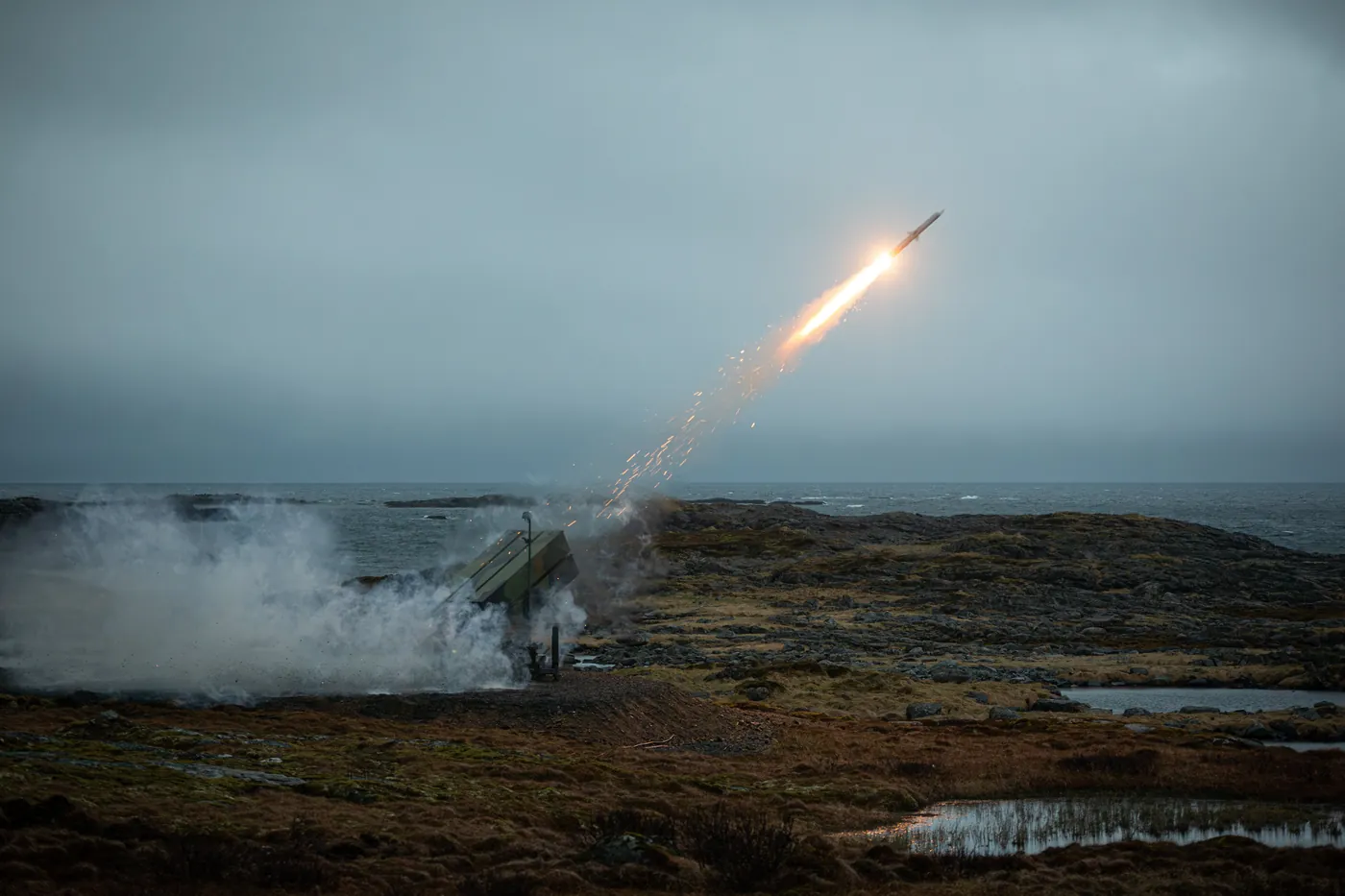
#1 — NASAMS (Norway / United States) · 93.2/100
NASAMS — Public domain
Score Breakdown — 93.2/100
Operational Success10/10
Combat Experience10/10
Technology Level9/10
Export Success10/10
Operator Count10/10
Upgrade Potential9/10
Production Status9/10
Cost-Effectiveness6/10
NASAMS has become the de facto NATO short-to-medium SHORAD standard, fielded by 13 or more nations and validated in heavy combat over Ukraine with very high reported intercept rates against cruise missiles and drones.
Its open, networked architecture lets distributed launchers fire AMRAAM, AMRAAM-ER and AIM-9X from beyond visual range, and it guards Washington D.C. itself, the strongest possible export reference.
Key Specifications
Effective range
AMRAAM ~25 km / AMRAAM-ER ~40 km
Interceptors
AIM-120 AMRAAM, AMRAAM-ER, AIM-9X Sidewinder
Radar
AN/MPQ-64F1 Sentinel 3D
Architecture
Open, networked, distributed launchers
Operators
13+ nations
In service
1998 (Block upgrades ongoing)
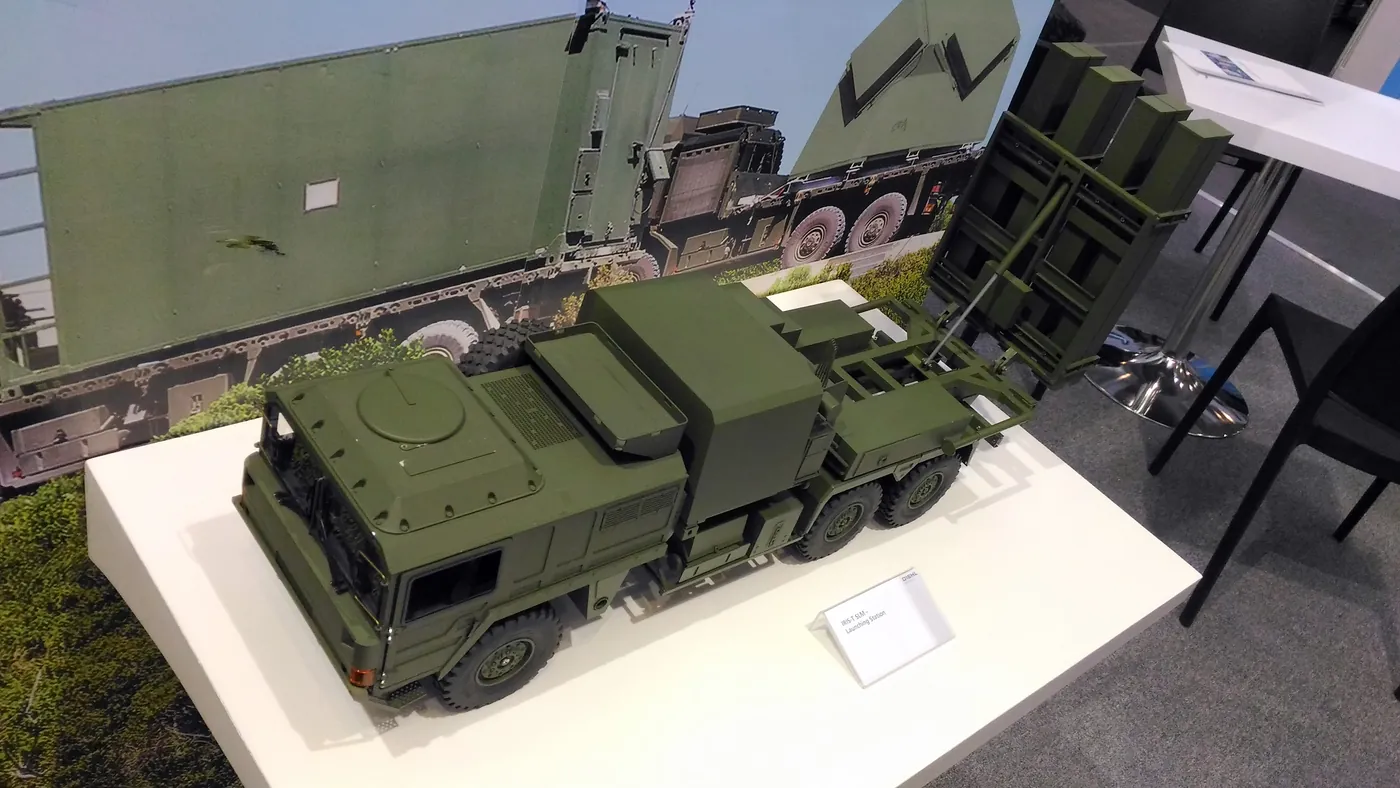
#2 — IRIS-T SLS / SLM (Germany) · 88.2/100
IRIS-T SLS / SLM — CC BY-SA 4.0
Score Breakdown — 88.2/100
Operational Success9/10
Combat Experience10/10
Technology Level9/10
Export Success9/10
Operator Count8/10
Upgrade Potential10/10
Production Status8/10
Cost-Effectiveness6/10
IRIS-T SLS and the longer-range SLM have become the fastest-growing air defense family in Europe, anchoring Germany’s European Sky Shield Initiative and posting near-perfect reported intercept rates in Ukrainian service.
Vertical-launch, all-aspect IIR missiles paired with the TRML-4D AESA radar give it excellent counter-cruise-missile and counter-drone performance, drawing export orders from across NATO and the Gulf.
Key Specifications
Effective range
SLS ~12 km / SLM ~40 km
Interceptor
IRIS-T SL, IIR seeker, 360 deg
Radar
Hensoldt TRML-4D AESA
Reaction
Vertical launch, all-aspect
Combat record
~99% reported intercepts in Ukraine
In service
2022 (SLM)
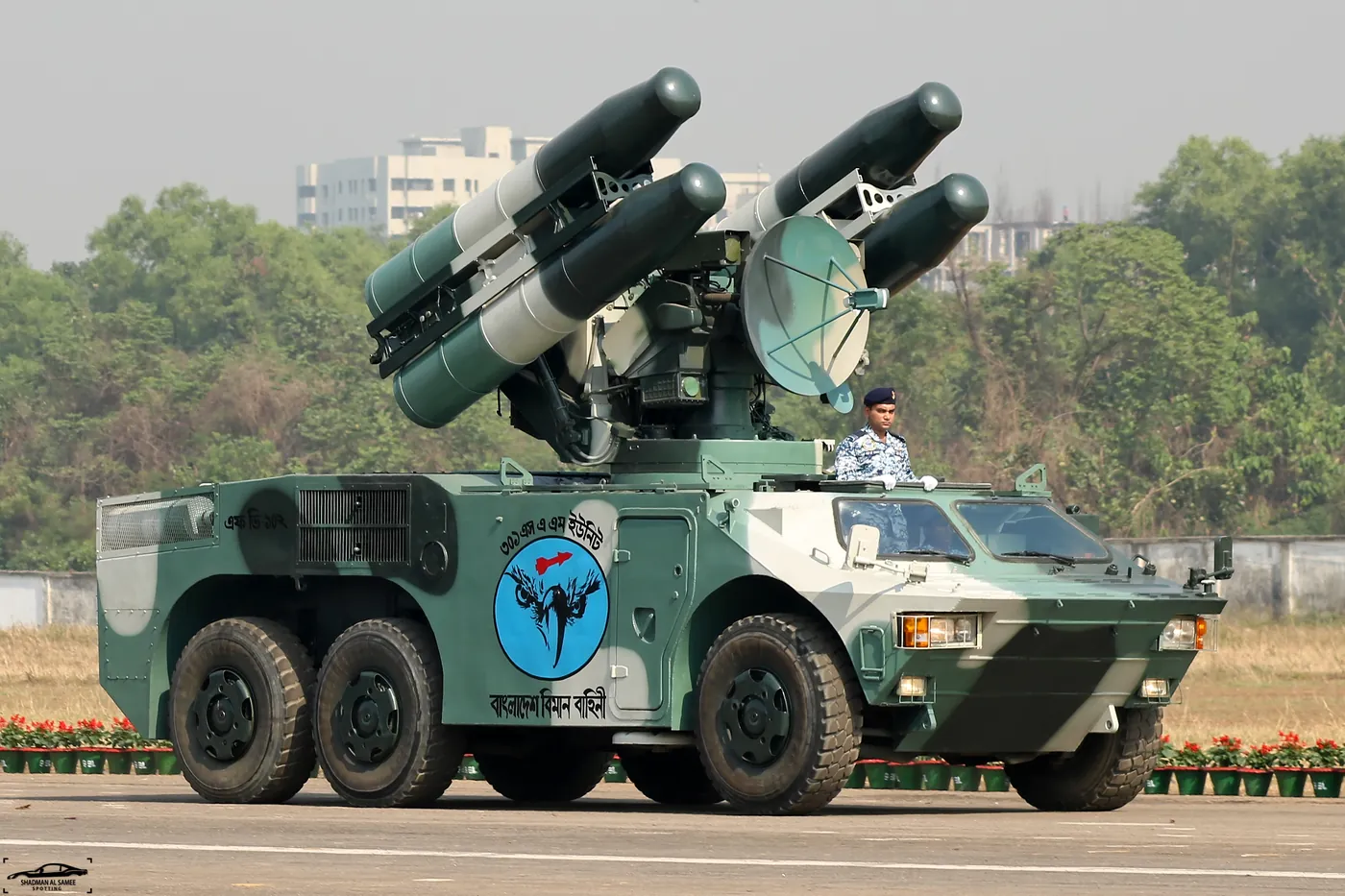
#3 — Crotale NG / Crotale Mk3 (France) · 77.2/100
Crotale NG / Crotale Mk3 — CC BY-SA 2.0
Score Breakdown — 77.2/100
Operational Success8/10
Combat Experience8/10
Technology Level8/10
Export Success8/10
Operator Count8/10
Upgrade Potential7/10
Production Status7/10
Cost-Effectiveness7/10
Crotale is one of the most widely exported Western SHORAD families ever built, serving more than fifteen nations from France, Greece and Finland to the Gulf and East Asia in both land and naval forms.
The modern Mk3 pushes engagement range past 15 km with the VT1 missile and a high rate of fire, keeping the design competitive against drones and precision-guided weapons decades after its debut.
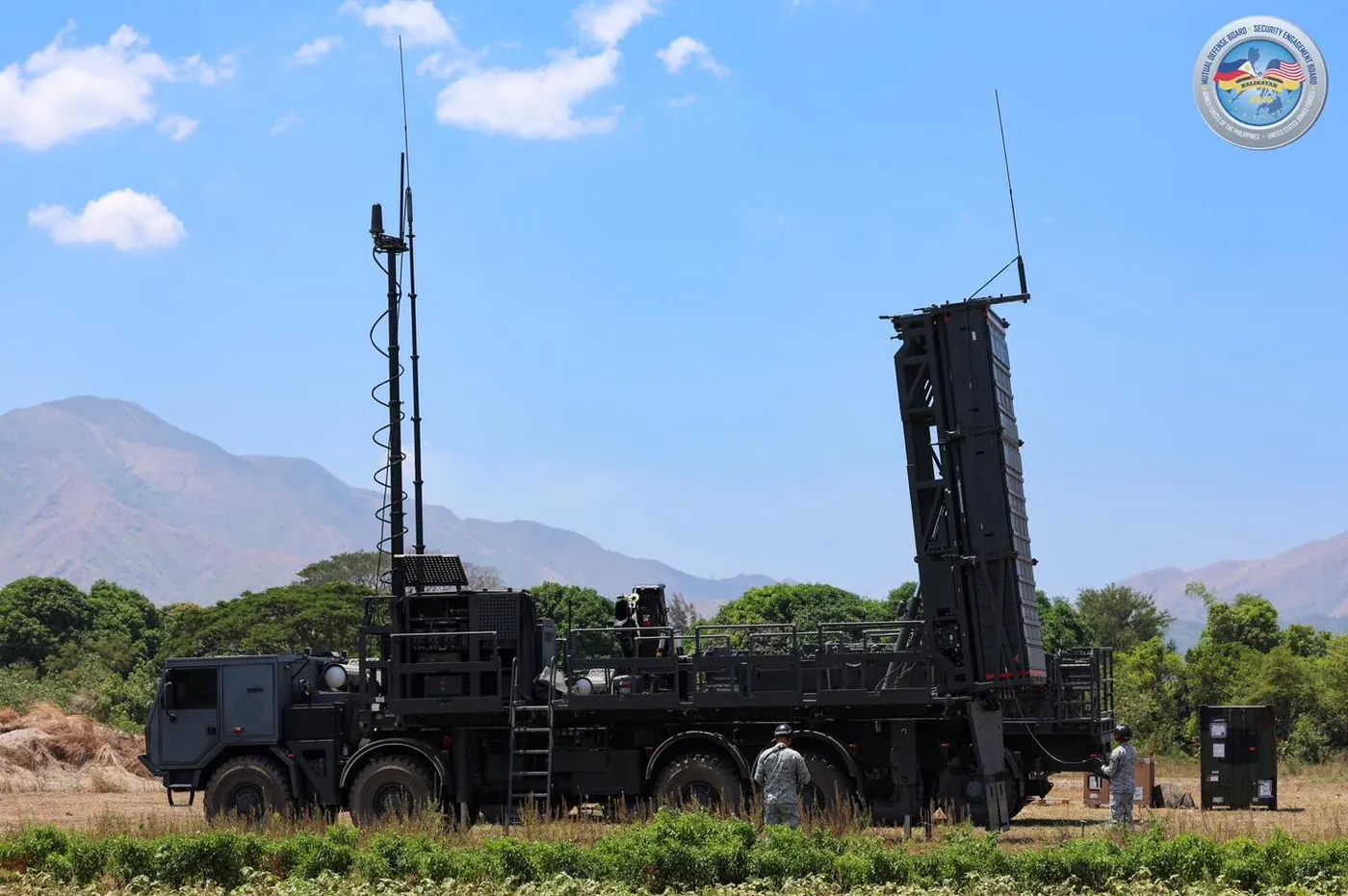
GURZ fuses ASELSAN’s KORKUT 35 mm airburst cannon with Sungur and HISAR-A+ missiles and four fixed AESA radar faces, giving a single 8×8 vehicle layered gun-and-missile defense purpose-built against drones and loitering munitions.
As the mobile low-altitude tier of Turkey’s Steel Dome (Celik Kubbe) network, GURZ shows how ASELSAN and ROKETSAN have leapt into the top rank of SHORAD technology, though combat history and exports are only now beginning.
Key Specifications
Layers
35 mm gun + Sungur (~8 km) + HISAR-A+ (~25 km)
Gun
Twin 35 mm, ~1,100 rpm, airburst rounds
Radar
Four fixed AESA arrays, 360 deg
Role
Hybrid gun-missile counter-drone SPAAGM
Programme
Part of Steel Dome (Celik Kubbe)
Unveiled
IDEF 2023, serial production begun
#5 — SPYDER-SR (Israel) · 74.8/100
SPYDER-SR — Public domain
Score Breakdown — 74.8/100
Operational Success8/10
Combat Experience7/10
Technology Level8/10
Export Success8/10
Operator Count7/10
Upgrade Potential8/10
Production Status7/10
Cost-Effectiveness6/10
SPYDER-SR adapts Rafael’s proven Python-5 and Derby air-to-air missiles into a rapid-reaction surface launcher, giving a dual infrared and radar engagement capability that complicates enemy countermeasures.
Strong export traction in India, Singapore, the Czech Republic and Southeast Asia, plus combat-credible Israeli pedigree, keep SPYDER among the most attractive Western-aligned SHORAD options outside the United States.
Key Specifications
Effective range
SR ~15-20 km
Interceptors
Python-5 (IR) + Derby (active radar)
Guidance
Dual seeker, lock-on after launch
Reaction
Rapid, 360 deg surface launch
Operators
India, Singapore, Czech Rep., others
In service
2005
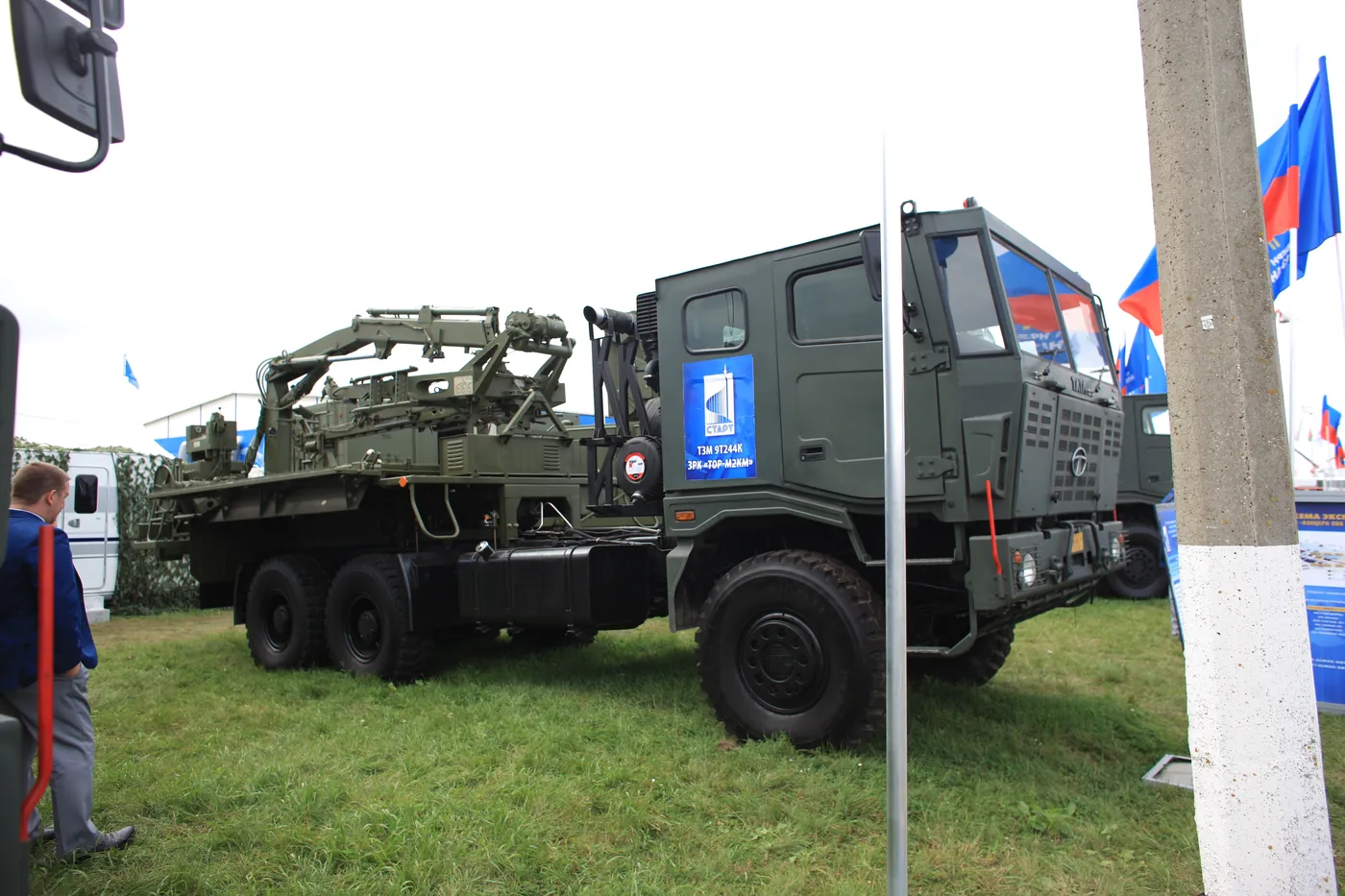
#6 — Tor-M2 (SA-15 Gauntlet) (Russia) · 74.4/100
Tor-M2 (SA-15 Gauntlet) — CC BY-SA 2.0
Score Breakdown — 74.4/100
Operational Success8/10
Combat Experience8/10
Technology Level7/10
Export Success7/10
Operator Count7/10
Upgrade Potential7/10
Production Status8/10
Cost-Effectiveness7/10
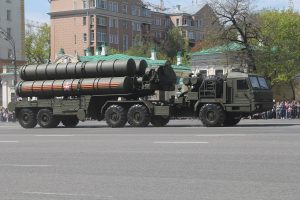
The Tor family is the benchmark short-range point-defense system in Russian and many former-Soviet inventories, with the M2 carrying up to sixteen vertically launched missiles and an integrated radar on a single tracked chassis.
Built specifically to kill precision munitions, drones and aircraft on the move, it has been exported to Belarus, Iran, Egypt and others, though combat in Ukraine exposed its vulnerability to saturation and electronic attack.
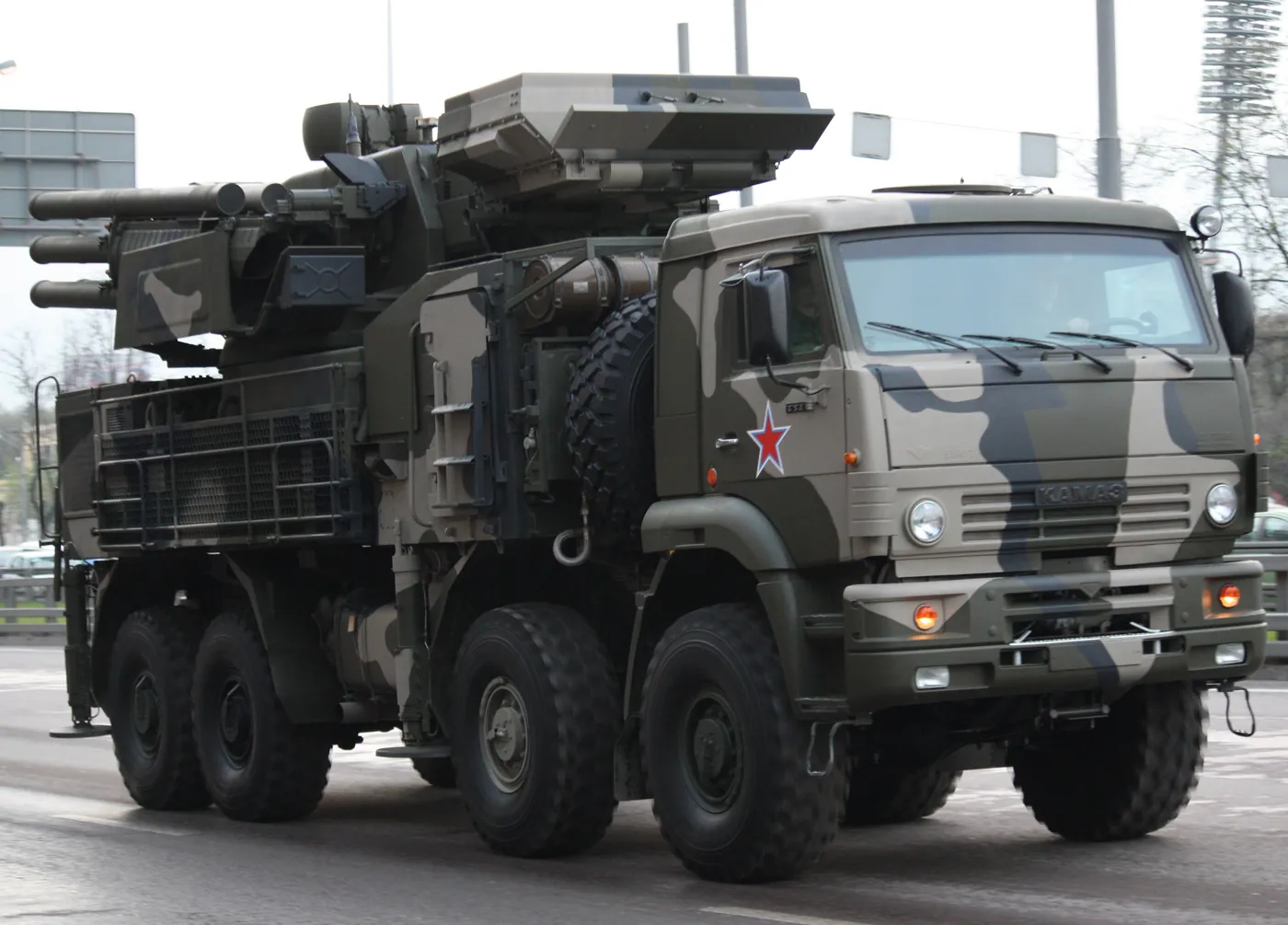
Pantsir-S1 pairs two 30 mm autocannons with twelve radar-guided missiles on one wheeled chassis, a dual gun-missile concept that made it a popular Gulf and North African export, notably with the UAE which co-funded its development.
Its combat record is mixed: numerous Pantsirs have been lost in Ukraine and the Middle East to anti-radiation missiles and drones, exposing gaps in radar management that temper an otherwise capable point-defense system.
The Humvee-mounted Avenger is the classic US maneuver SHORAD, fielding eight Stinger missiles and a heavy machine gun in a light, air-transportable package that has armed allies including Egypt and Taiwan.
Now a baseline rather than a leader, it remains the bridge to the US Army’s M-SHORAD effort and a cheap, proven counter-helicopter and counter-drone option for forces that need volume over sophistication.
France, Greece, Finland, Saudi Arabia, UAE, South Korea, Oman, others
GURZ / Korkut
Turkey (Steel Dome); export marketing to Gulf and partner states
Pantsir-S1
Russia, UAE, Algeria, Iran, Syria, Iraq, Serbia
SPYDER-SR
Israel, India, Singapore, Czech Republic, Vietnam, Philippines
Avenger
United States, Egypt, Taiwan, Bahrain
Frequently Asked Questions
Which is the best SHORAD system in the world?
NASAMS leads this ranking because it combines the widest operator base of any Western short-range system, a heavy combat record over Ukraine with very high intercept rates, and a networked open architecture that fires AMRAAM, AMRAAM-ER and AIM-9X from distributed launchers. It even defends Washington D.C., the strongest export reference any air defense system can hold.
What exactly counts as SHORAD?
Short-range air defense covers ground-based systems engaging aircraft, helicopters, drones, cruise missiles and precision-guided munitions at ranges up to roughly 15 to 25 kilometers, sitting below medium-range systems such as Patriot or SAMP/T and above man-portable MANPADS.
Why has SHORAD become so important again?
The proliferation of cheap drones, loitering munitions and cruise missiles in Ukraine, the Middle East and the Red Sea has forced NATO armies to rebuild short-range, high-volume defenses that can affordably intercept saturating low-cost threats, a capability allowed to atrophy after the Cold War.
How does Turkey’s GURZ fit into the ranking?
GURZ is among the most technologically modern entries, fusing a 35 mm airburst cannon with Sungur and HISAR-A+ missiles and four fixed AESA radar faces as the mobile tier of Turkey’s Steel Dome. It ranks high on technology and modernity but lower on combat record and exports, which are only beginning.
How are these SHORAD systems ranked?
Each system is scored on operational reach, combat record, technology, export success, operator base, modernization, production maturity and cost-effectiveness, with combat performance and export traction weighted most heavily for this NATO and procurement-focused list.