USS Tucson Submarine Arrives at New Homeport in Guam

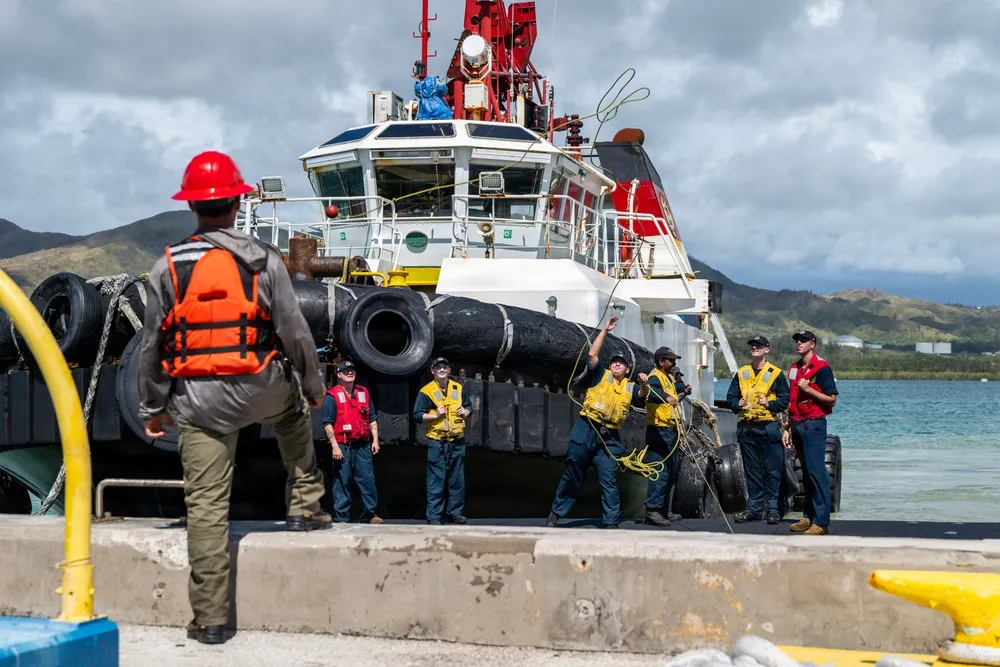
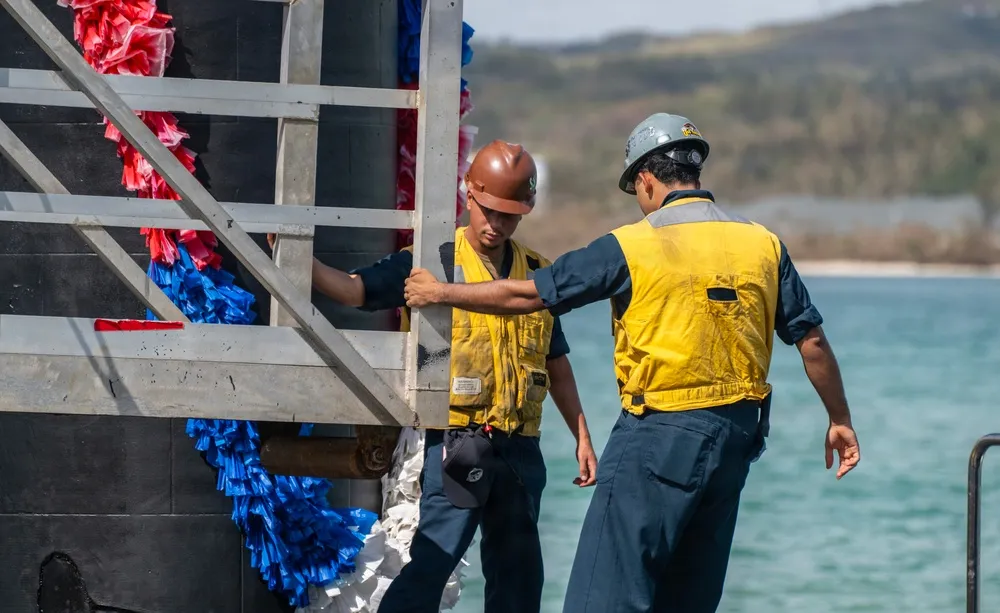
The Los Angeles-class fast-attack submarine USS Tucson (SSN 770) arrived at its new homeport in Guam on July 10, 2026, as part of the U.S. Navy’s continuing effort to reinforce its forward-deployed submarine presence in the Indo-Pacific. The relocation was confirmed through official Navy channels, including the Defense Visual Information Distribution Service (DVIDS).
USS Tucson has been assigned to Commander, Submarine Squadron 15, headquartered at Polaris Point, Naval Base Guam. Commanding Officer Cmdr. Vince Bove said following the arrival that “Tucson brings an exceptional crew of Sailors who represent the very best of our submarine force.”
A shifting squadron lineup
With Tucson’s arrival, the number of forward-deployed fast-attack submarines based in Guam rises to four. The boat takes over the berth vacated by USS Jefferson City (SSN 759), which shifted its homeport from Guam to Pearl Harbor, Hawaii. Tucson will now operate alongside USS Minnesota (SSN 783), which is already stationed in the region.
Commissioned in 1995, USS Tucson is the 59th Los Angeles-class submarine built and the 20th of the Improved 688 (688i) variant. Despite the class’s long service history, regular modernization and maintenance cycles have kept these boats operationally capable well into their fourth decade of service.
Part of a broader strategic laydown
The relocation falls under the Navy’s Strategic Laydown Plan for the Indo-Pacific, designed to strengthen deterrence and regional stability. Guam’s geographic position makes it a key forward operating hub for U.S. submarine activity across the Western Pacific, offering shorter transit times to potential areas of operation than bases in Hawaii or the continental United States.
Expanding the submarine presence in the region is widely viewed as a tangible expression of the deterrence strategy Washington pursues alongside regional allies. Fast-attack submarines like Tucson are capable of countering surface and subsurface threats while also performing intelligence, surveillance and reconnaissance (ISR) missions critical to monitoring activity across contested waters.
Regional balance implications
Rising maritime traffic and regional tensions across the Western Pacific have factored into the Navy’s decision to bolster its forward-deployed submarine force. Bringing the Guam-based squadron up to four boats aligns with the Navy’s stated goal of maintaining a continuous, ready submarine presence in the theater.
Analysts note that these forward-deployment moves send a reassuring signal to regional allies while also shortening potential response times in a crisis, adding operational flexibility. The arrival of USS Tucson in Guam represents one more step in the Navy’s gradual, multi-year effort to strengthen its regional undersea capability.
Source note: This report draws on official U.S. Navy sources distributed through DVIDS, dated July 10, 2026.