Can SDT’s ACMI Pod compete with the Cubic P5?

Quick answer: The established player in the air combat training pod market is the P5 Combat Training System from US-based Cubic; by company figures, more than 2,000 P5 pods are used by 17 partner nations at 30 training ranges worldwide. The SDT ACMI pod is a later entrant, backed by the Turkish Air Force program and the Pakistan integrations, and its data link technology has also been sold to South Korea’s KF-21 program. The two systems do the same job; the differences emerge in scale, cryptographic certification and F-35 compatibility.
What problem do both systems solve?
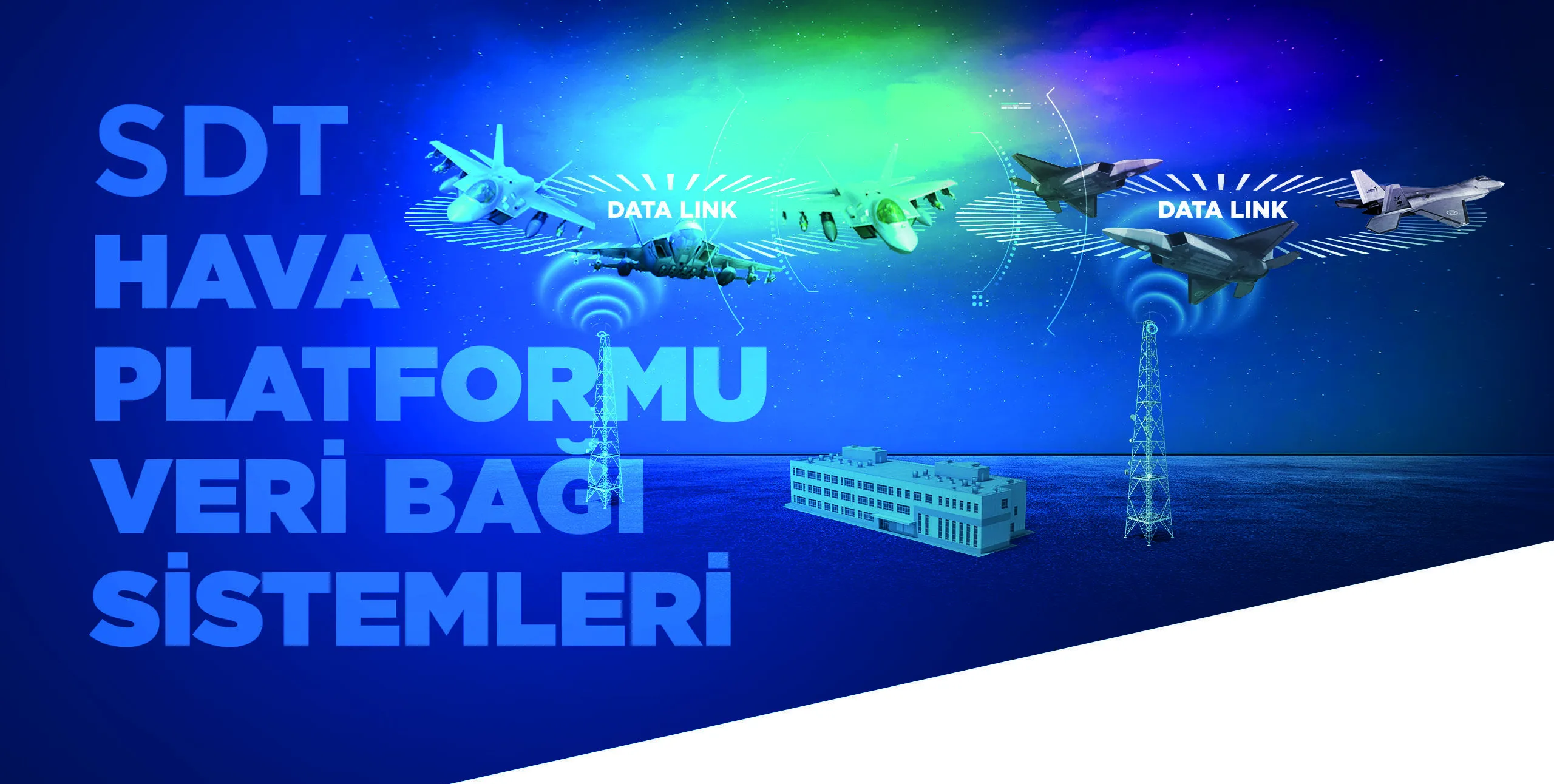
Both products let fighter aircraft train for air combat in real flight without expending live ammunition. The pod generates the aircraft’s time-space-position information (TSPI), simulates weapon firings and passes the result over an encrypted data link to the other aircraft and the ground station. According to Cubic’s official materials, the P5 provides real-time weapon flight simulations and kill notification. SDT’s official page lists the same functions as autonomous position generation, high-fidelity weapon simulation and real-time hit-or-miss notification. The two feature sets overlap to a large degree.
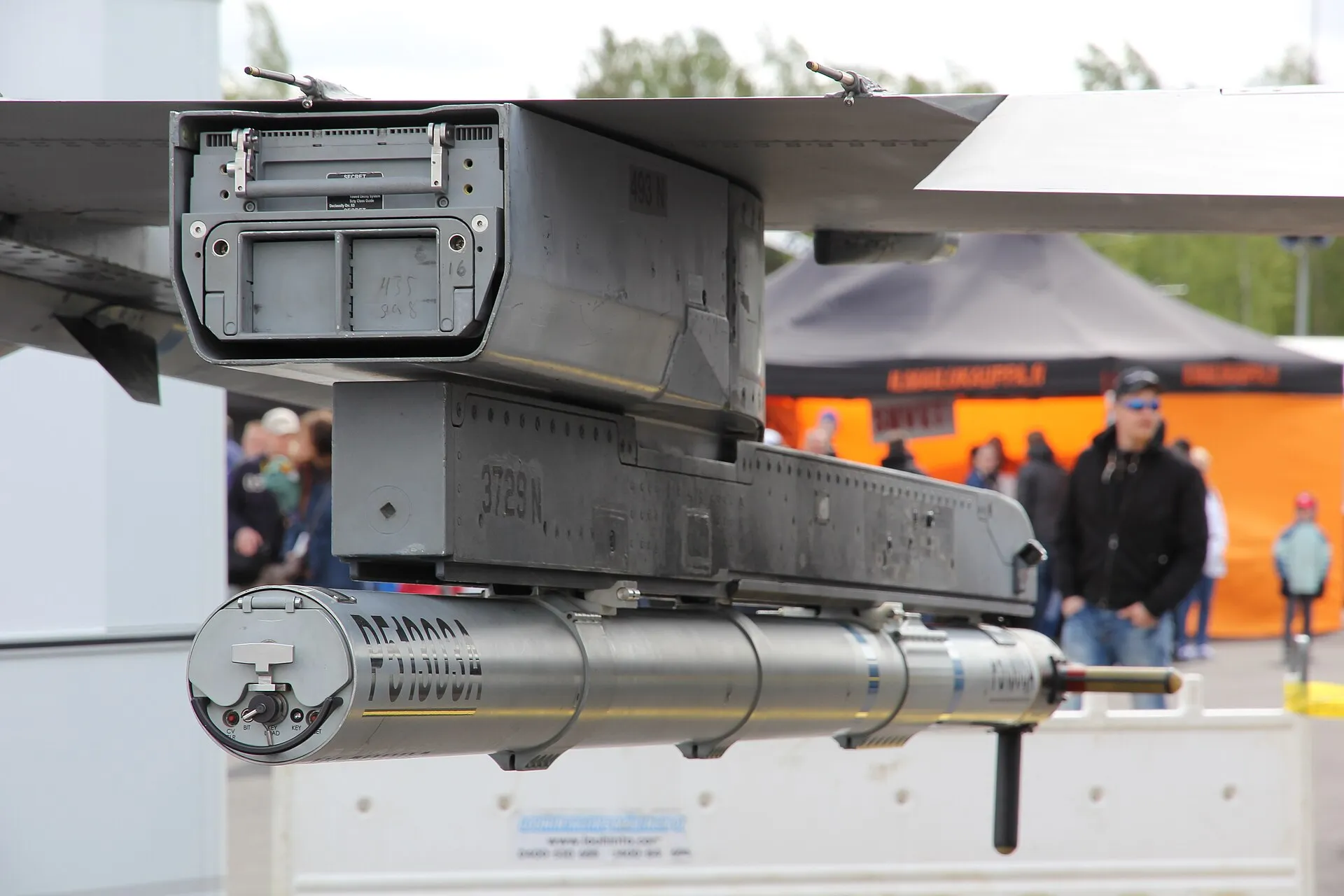
What do the numbers show side by side?
| Criterion | SDT ACMI | Cubic P5 CTS |
|---|---|---|
| Producer country | Turkey | United States |
| Data link speed | 5 Mbps (official product page) | Not disclosed; encrypted TSPI transfer |
| Range | 200 NM air-to-air, 100 NM air-to-ground | Not officially disclosed |
| Encryption | AES-256 | NSA-certified Type-1 crypto (upgrade package) |
| Scale of use | Quantities not disclosed; Turkish Armed Forces, Pakistan statements | 2,000+ pods, 17 nations, 30 ranges (company figures) |
| F-35 compatibility | Not disclosed | Internal subsystem produced; 1,000th unit delivered in 2022 |
| LVC training support | Yes (official statement) | Yes (company materials) |
The 98 percent mission readiness rate reported by Cubic is the company’s own claim; no independent audit data is publicly available. On the SDT side, user quantities have likewise not been officially disclosed.
Where does Cubic hold the advantage?
The P5’s strongest asset is its installed base and allied interoperability. The US Air Force announced a production order for encrypted ACMI in May 2025; the system’s NSA-certified Type-1 crypto update enables secure joint training with US and allied fleets. According to a Business Wire announcement of August 2022, Cubic delivered the 1,000th P5 internal subsystem for the F-35, which makes the P5 the de facto standard in joint exercises between fifth-generation aircraft and fourth-generation fleets. For users seeking multinational exercise infrastructure at NATO scale, that ecosystem can be decisive.
Where is SDT’s opening?
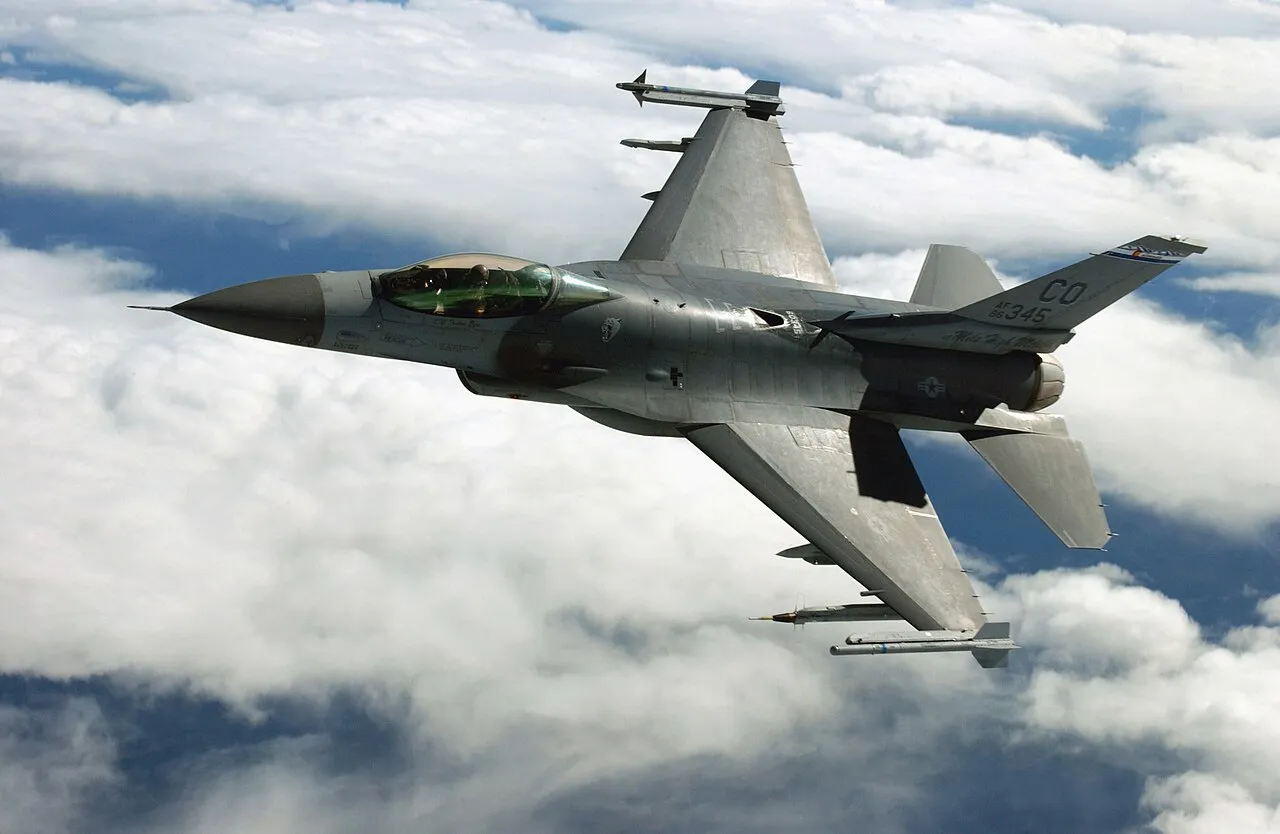
SDT’s card is offering an alternative with more flexible export controls and a national cryptographic infrastructure. The company’s product has served in the Turkish Air Force ACMI program; by General Manager Ömer Korkut’s account, Pakistan was able to bring the US-built F-16 and the JF-17, jointly produced by China and Pakistan, together on the same training network. The data link core was sold through an international tender to South Korea’s KF-21 program; that reference shows the product also works in fifth-generation fighter programs. For countries outside the US export regime, SDT is a realistic option beyond the P5 ecosystem. The product’s technical details are in the ACMI pod file, and the company’s general profile in the what-is-SDT file.
Frequently asked questions
How many countries use the P5 pod?
According to Cubic’s promotional figures, more than 2,000 P5CTS/TCTS pods are used by 17 partner nations at 30 training ranges.
How many SDT ACMI pods have been produced?
Not officially disclosed. The known user references are the Turkish Air Force program and the Pakistan integrations stated by the general manager.
Can the two pods work together?
No interoperability test has been made public. Since the crypto infrastructures differ, it is assessed that joint exercises would require separate integration; there is no official data on this.
Is a price comparison possible?
No. Neither manufacturer discloses unit prices, and tender terms vary from country to country.
Does the KF-21 carry the P5 or the SDT product?
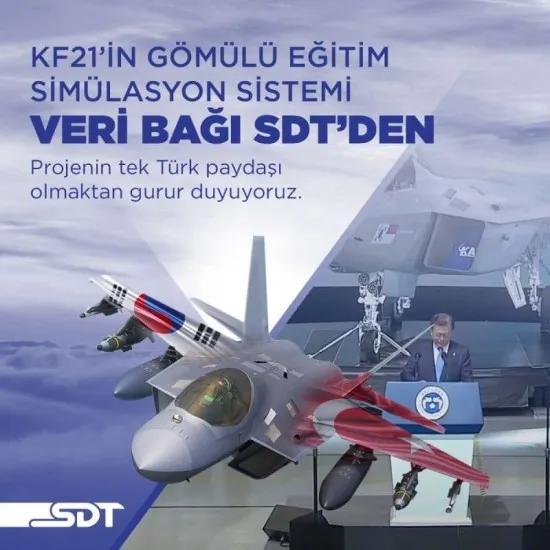
SDT announced that it sold its embedded training simulation data link to the KF-21 program and is the program’s sole Turkish stakeholder; no public data places Cubic in the KF-21 program.
Sources and verification note
The comparison was limited to the two manufacturers’ official materials and independent sector announcements; items that could not be confirmed are marked “not disclosed.” Assessments were kept within the bounds of neutrality. Commons photographs are used with their license information.
- https://www.sdt.com.tr/tr/cozumlerimiz/simulasyon-sistemleri-ve-bilisim-teknolojileri/acmi-pod-sistemi (Accessed: August 12, 2026)
- https://www.sdt.com.tr/tr/cozumlerimiz/radar-elektronik-harp-ve-haberlesme/acmi-pod-data-link-sistemleri (Accessed: August 12, 2026)
- https://www.cubic.com/industries/training/air-combat/acmi (Accessed: August 12, 2026)
- https://www.businesswire.com/news/home/20220822005659/en/Cubic-Delivers-1000th-P5-Internal-Subsystem-for-the-F-35 (Accessed: August 12, 2026)
- https://soldiersystems.net/2025/05/21/cubic-awarded-u-s-air-force-production-order-for-encrypted-air-combat-maneuvering-instrumentation-acmi-2/ (Accessed: August 12, 2026)
- https://euronewsport.com/sdt-uzay-savunma-teknolojileri-genel-muduru-omer-korkut-sdt-olarak-kontrollu-buyumeyi-hedefliyoruz/ (Accessed: August 12, 2026)
- https://commons.wikimedia.org/wiki/File:F-16CM_2030_Turku_Airshow_2015_04_pylon.JPG (Accessed: August 12, 2026)
- https://commons.wikimedia.org/wiki/File:USAF_F-16C_Profile.jpg (Accessed: August 12, 2026)