





Netherlands’ Special Forces Caracal: First of 12 H225Ms Takes Shape With Cyber-Hardened Fit

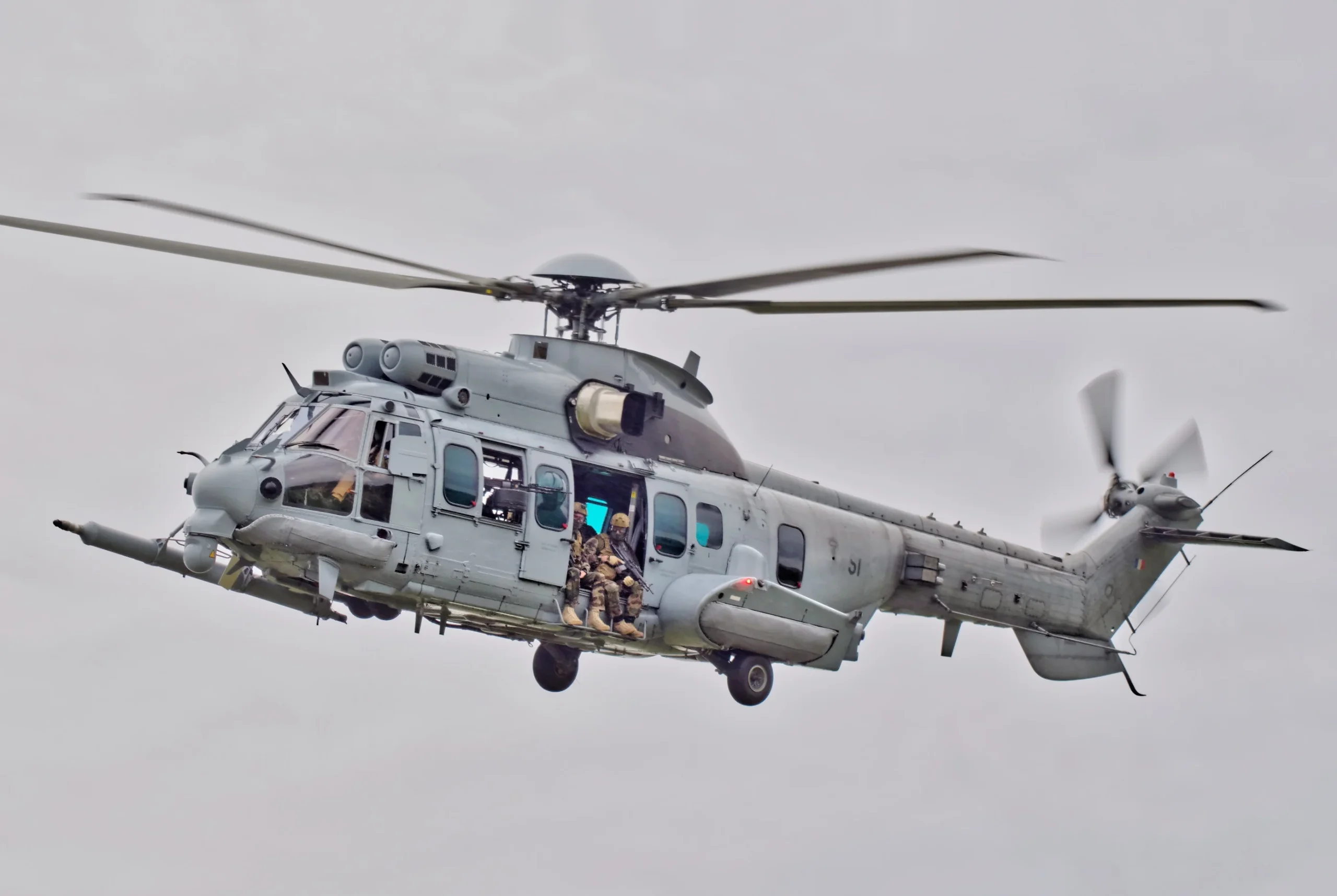
Airbus Helicopters and the Royal Netherlands Air and Space Force (RNLASF) are developing a special-operations configuration of the H225M Caracal, with the first aircraft under the Dutch contract now entering the build phase, Infodefensa reported on 20 November 2026.
The Dutch-specific variant adds enhanced protection, communications and self-protection upgrades, including hardened cyber-defence features. Airbus describes it as one of the most advanced tactical variants developed within the Super Puma family to date.
The Netherlands selected the H225M in June 2023 after evaluating alternative platforms. The definitive contract, covering 12 helicopters plus an initial package of support and logistics services, was signed on 5 November 2024. Deliveries are scheduled to run from 2030 through 2032.
The aircraft will be flown by 300 Special Operations Squadron, stood up on 1 October 2024 at Gilze-Rijen Air Base. The new Caracals will gradually replace the AS532 Cougar, which the Dutch air arm has operated for roughly three decades; a parallel modernisation effort is keeping the Cougar fleet airworthy until the replacements arrive.
The squadron’s mission set spans special reconnaissance, offensive action and military support, operating in coordination with the Army’s Commando Corps and the Navy’s special operations forces.
Selection criteria ran to more than 100 parameters, including range, lift capacity, configuration flexibility, interoperability with allied systems and compatibility with special-operations equipment. A decisive factor was the ability to support both land- and maritime-based special units from a single common platform.
The H225M can carry a 360-degree electronic self-protection suite and uses four-axis digital flight controls for degraded-visibility operations. It supports fast-rope and SPIE (Special Patrol Insertion/Extraction) techniques for inserting and recovering troops, and Airbus says the airframe can absorb new technology insertions throughout its service life.
The Netherlands originally planned for 14 helicopters before trimming the order to 12. Accounts differ on why: one report attributes the cut to cost discipline, while the Dutch Ministry of Defence’s own statement points to mission-equipment costs running higher than expected. Either explanation underlines how sensitive the budget math gets once a special-operations fit is added to the base airframe.
That the first aircraft has now reached the physical configuration stage confirms engineering work toward the 2030 delivery target is genuinely under way — and underscores just how long integration and certification can take for a special-operations helicopter even after a contract is signed.
The program matters beyond the Netherlands. European militaries have relied heavily on US-built MH-47 and MH-60 variants for special-operations lift; a European ally choosing a European-built platform for this mission set reads as a concrete data point in the continent’s broader push for defence-industrial autonomy.
The next milestone will be flight testing of the first configured aircraft, for which no date has yet been announced. A joint Airbus–Dutch MoD timeline, once published, will clarify how realistic the 2030 target remains.
Sources
Infodefensa, “Países Bajos prepara una de las versiones más avanzadas del helicóptero H225M para sus unidades de operaciones especiales”, 20 November 2026, infodefensa.com — Primary source for the contract dates, delivery schedule, unit information and technical specifications used in this article.