Liberia’s Military Power: Which Units, Boats and Vehicles Are in the Inventory? (2026)

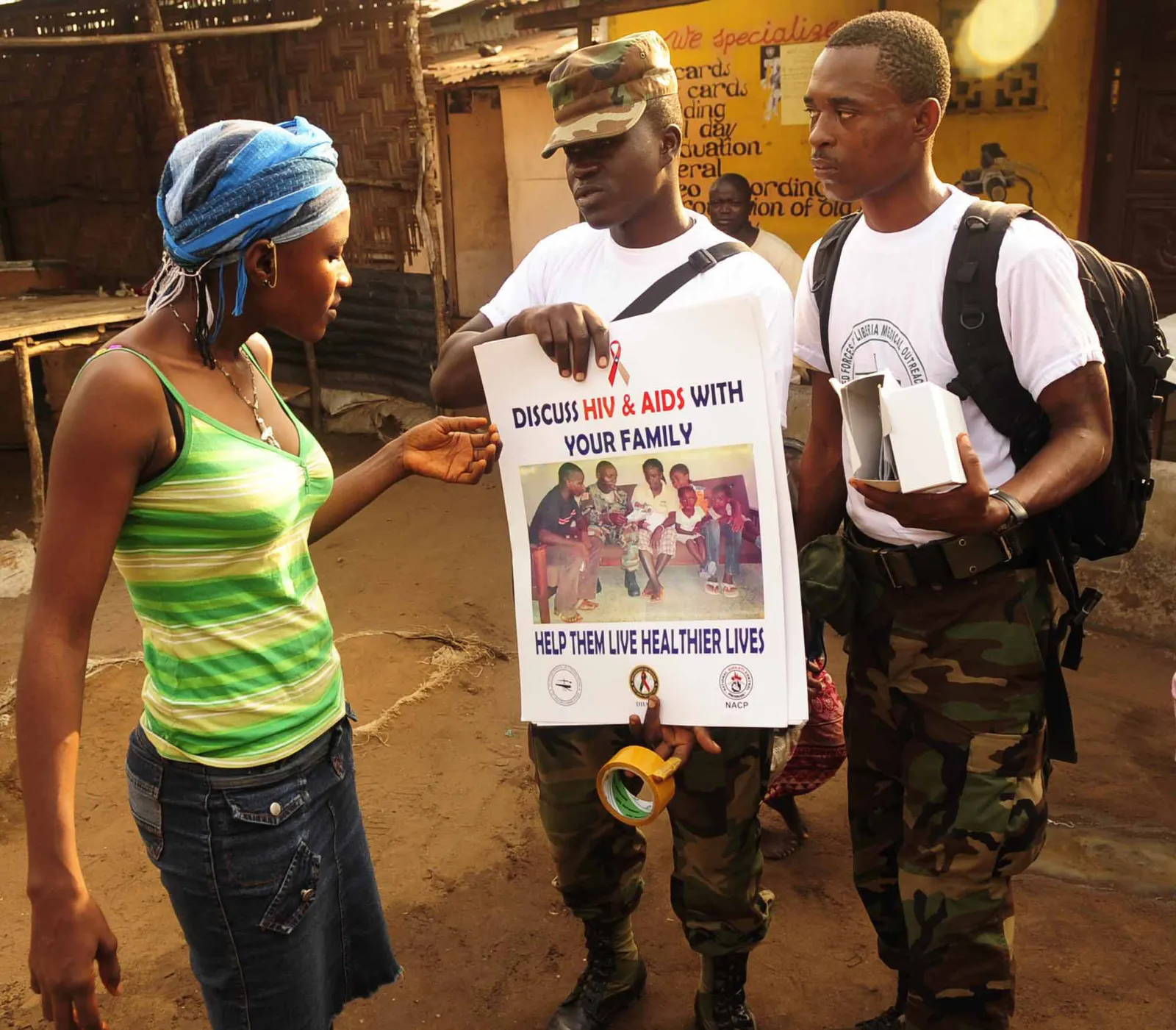
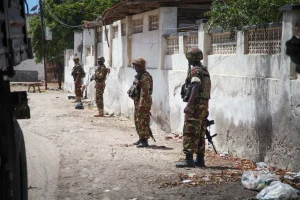
Liberia’s military inventory describes a small army rebuilt from scratch under US leadership after the civil war ended in 2003. The Armed Forces of Liberia (AFL) today consist of a single infantry brigade, an Air Wing still being established and a small National Coast Guard; there is no heavy armour, combat aircraft or missile system.
At a Glance
- Active personnel: About 2,000 personnel (IISS estimate), mostly in the 23rd Infantry Brigade, with roughly 60 in the Coast Guard
- Tanks: None; no heavy armour is documented in the inventory
- Armoured vehicles: No documented armoured personnel carrier fleet; the force relies on light logistics and transport vehicles
- Military aircraft: The Air Wing is effectively not operational; reports in 2026 say it has no flying capability
- Navy: National Coast Guard: small US-donated patrol craft and two rigid inflatable boats delivered by the EU in 2026
- Defence budget: No current reliable figure; about US$12.9 million was reported for 2013-14, and the force depends heavily on foreign support
Note: The inventory figures below are approximate values drawn from open sources such as Global Firepower, the IISS Military Balance and SIPRI.
About the Liberia Armed Forces
The Armed Forces of Liberia grew out of the militia of the first settlers placed by the American Colonization Society; it became permanent in 1908 as the Liberian Frontier Force and took its present name in 1956. The two civil wars of 1989-2003 destroyed the old army. The 2008 National Defense Act redefined the force, which was rebuilt from scratch under a US-backed programme. The Chief of Staff is Major General Davidson Forleh.
Total personnel number about 2,000: roughly 1,900 in the 23rd Infantry Brigade and about 60 in the Coast Guard. There is no current, reliable defence budget figure; about US$12.9 million was reported for 2013-14. The United States says it has invested more than US$300 million in the Liberian armed forces.
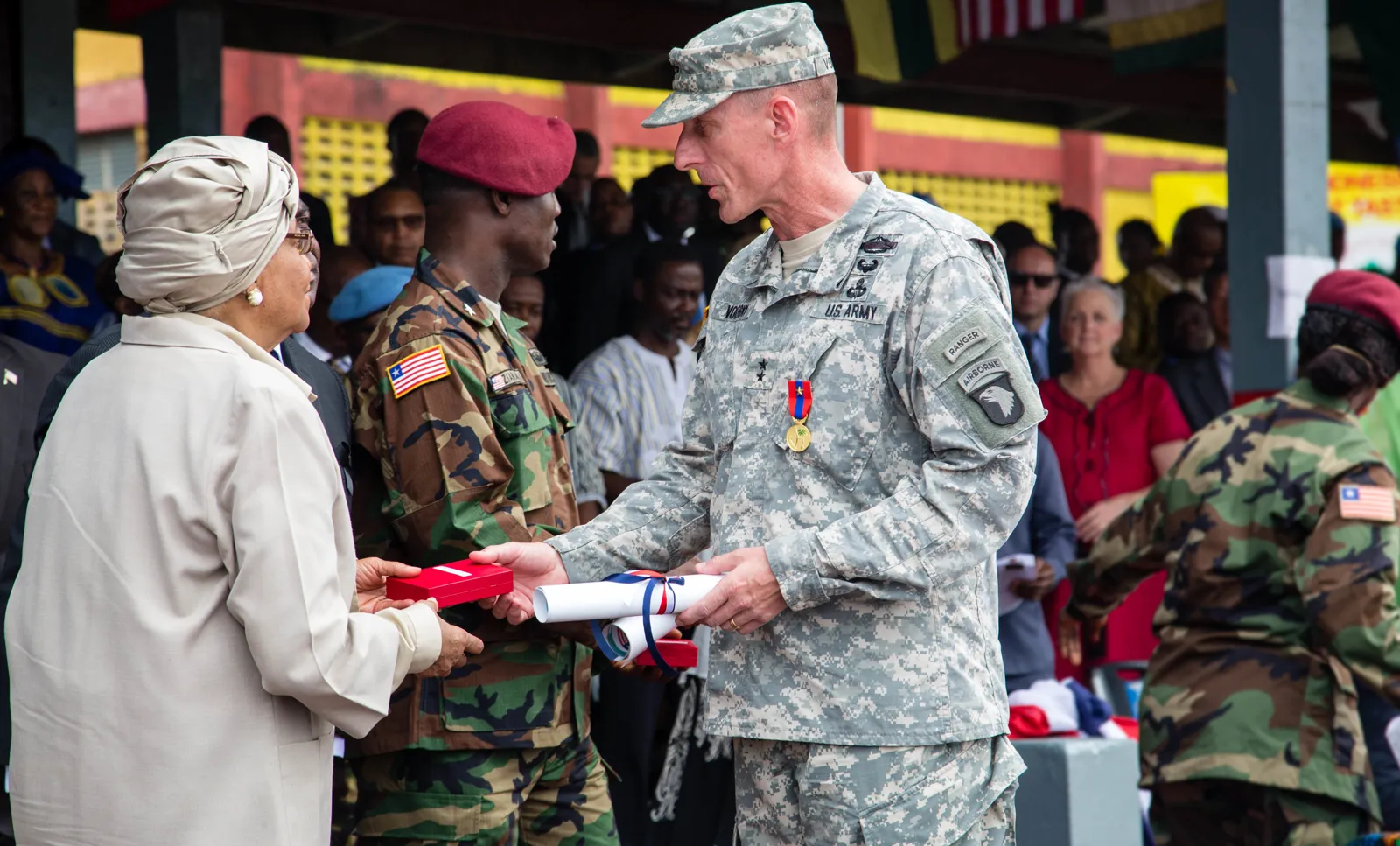
Land elements rest on light infantry. There are no tanks, artillery or documented armoured personnel carrier fleet; the inventory is mainly US-origin small arms and logistics vehicles. In October 2026 Morocco flew military vehicles and logistics supplies to Roberts International Airport aboard a C-130 and plans to train about 140 soldiers in commando operations. The African Union also supplied logistics equipment in 2025.
The Air Wing is effectively not operational. Reports in 2026 say the army has no flying capability; during Chief of Staff Forleh’s September 2026 talks in Rabat, Morocco’s help in establishing the Air Wing was sought, and Nigeria and Ghana have offered training. No combat aircraft, helicopter or UAV is confirmed in open sources.
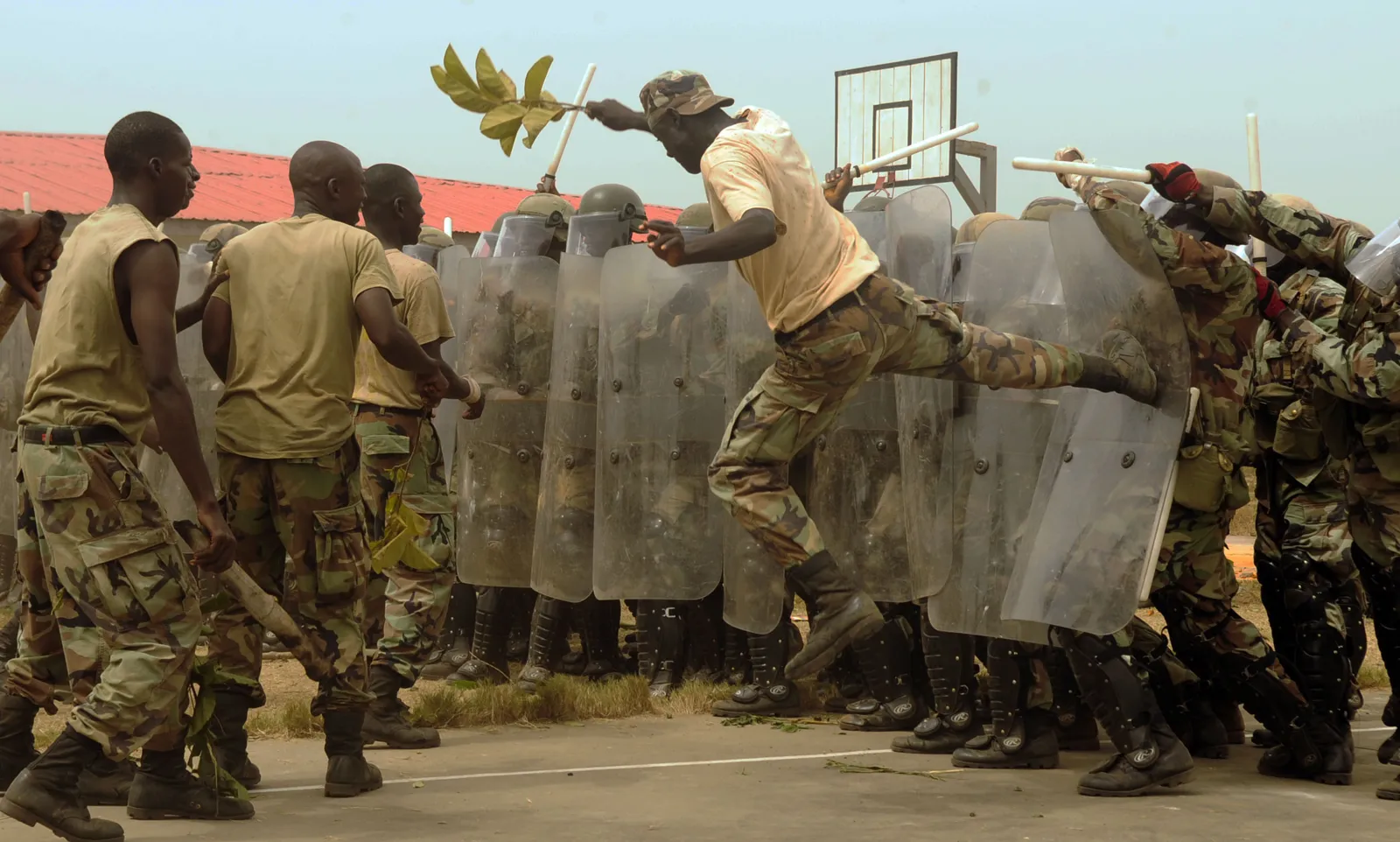
There is no missile or air-defence layer. No guided anti-tank, anti-ship or surface-to-air missile system is documented; Liberia’s defence posture rests on internal stability, border security and peacekeeping rather than deterrence against external threats.
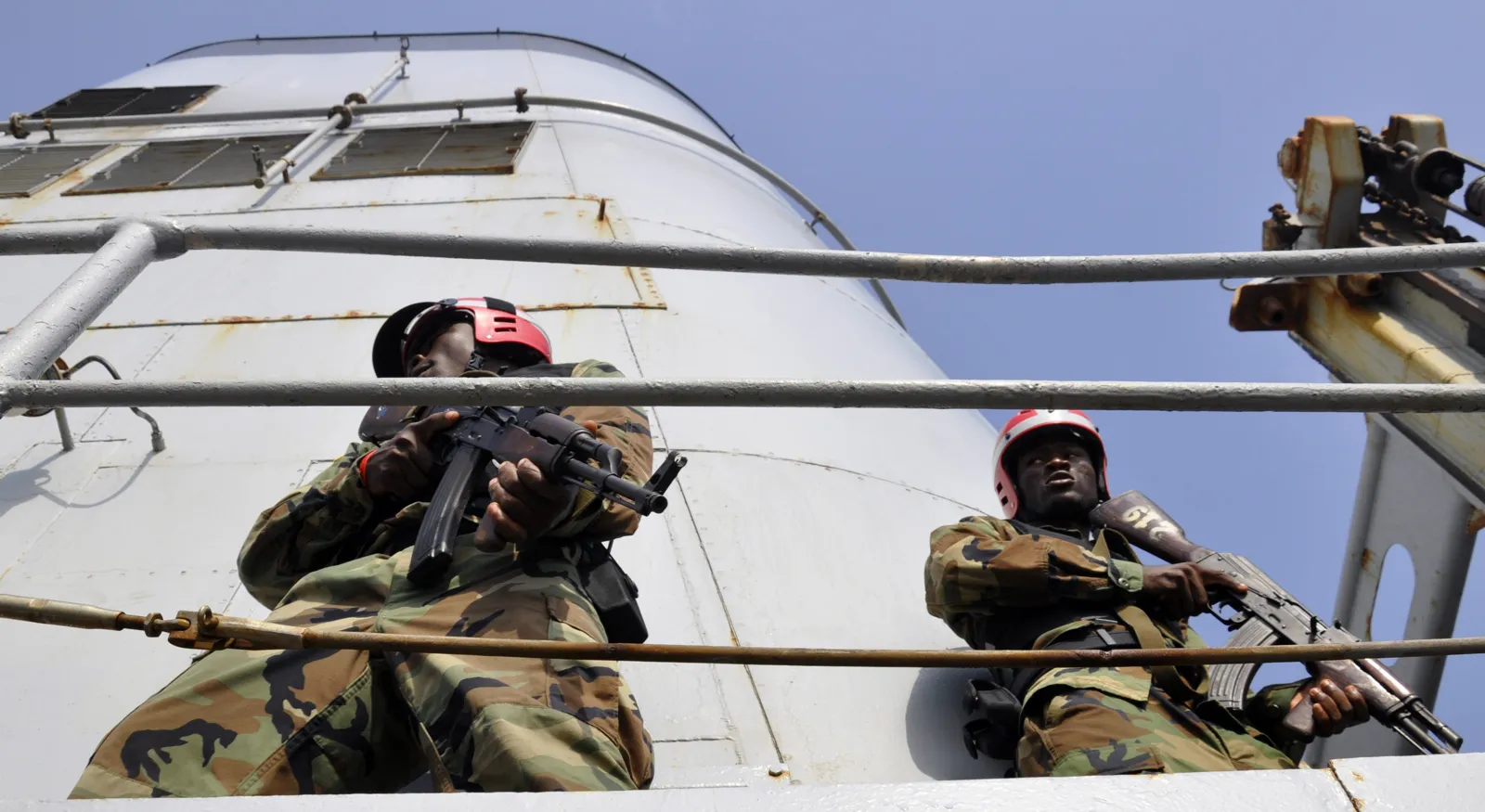
The National Coast Guard was rebuilt with US Africa Partnership Station training and operates small US-donated patrol craft. A Shiprider agreement signed with the United States in May 2026 enables joint maritime enforcement, and in 2026 the EU handed over two rigid inflatable boats and technical equipment under the Support to West Africa Integrated Maritime Security project. For a country with a long coastline and an illegal-fishing problem, this capacity is limited.
Land Forces Inventory
| System type | Est. quantity |
|---|---|
| Tanks | None; heavy weapons were dissolved when the civil war ended in 2003 and the new army was built as light infantry |
| Brigade structure | A single infantry brigade (23rd Infantry Brigade) with infantry battalions, engineers and support units; roughly 1,900 personnel |
| Small arms | Mainly US-origin rifles and light support weapons, re-equipped under US-led training since 2009 |
| Logistics and vehicles | Military vehicles and logistics supplies flown in by a Moroccan C-130 to Roberts International Airport in October 2026; the African Union has also supplied logistics equipment |
| Ground-based air defence | No air-defence system is documented |
Air Force Inventory
| Platform | Est. quantity |
|---|---|
| Combat aircraft | None; a Liberian Air Force existed in 1987-2005, and today’s Air Wing is at the stage of being rebuilt from scratch |
| Helicopters | No confirmed military helicopter in service; transport needs are met by foreign partners |
| Rebuilding effort | During Chief of Staff Davidson Forleh’s September 2026 visit to Rabat, Morocco’s help in establishing the Air Wing was sought; Nigeria and Ghana have also offered training support |
| UAVs and radar | No UAV or air-surveillance radar is documented in the inventory in open sources |
Missile and Air-Defence Systems
| System | Type / Note |
|---|---|
| Anti-armour | No guided anti-tank system is documented; capability is limited to infantry-level light weapons |
| Anti-ship | None; the Coast Guard’s role is maritime law enforcement and surveillance, not combat |
| Surface-to-air missiles | None |
Naval Power
| Class / Type | Est. quantity |
|---|---|
| Patrol craft | Small US-donated patrol craft, including Defender-class types; some sources also list Chinese Shanghai-class boats but their currency is unconfirmed |
| EU-donated boats | Two rigid inflatable boats and technical equipment handed over in 2026 under the Support to West Africa Integrated Maritime Security project |
| US Shiprider agreement | An agreement signed in May 2026 lets officials of both countries conduct joint boardings aboard each other’s vessels |
| Personnel | About 60 Coast Guard personnel, based in Monrovia and rebuilt with US Africa Partnership Station training |
The Turkey Angle: Turkish Defence Industry
Open sources document no defence-industry agreement, procurement contract or joint exercise between Türkiye and Liberia. Liberia’s current suppliers and trainers are the United States, Morocco, the EU, Nigeria, Ghana and the African Union.
The Turkish link should therefore be read as a potential field rather than a market claim. Liberia’s evident needs overlap with product groups that Turkish industry has proven in exports: patrol boats and rigid inflatables for coastal surveillance, light and mine-protected armoured vehicles, tactical UAVs and training services.
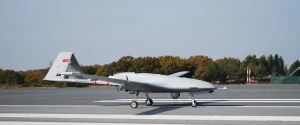
The Bayraktar TB2 experience in Mali, Burkina Faso and Niger and the Turkish armoured-vehicle presence in Côte d’Ivoire serve as regional precedents that make Liberia’s options concrete. For a country planning to build an Air Wing from scratch, trainer aircraft, light transport and UAV packages could be natural entry points.
Frequently Asked Questions
How many tanks does Liberia have? None. The Armed Forces of Liberia were rebuilt as light infantry after the civil war and no tank is documented in the inventory.
Does Liberia have fighter jets? No. The Air Wing is effectively not operational; 2026 reports say the army has no flying capability and Morocco’s help is being sought to establish it.
How many soldiers does Liberia have? About 2,000 by approximate figures: roughly 1,900 in the 23rd Infantry Brigade and about 60 in the Coast Guard.
What boats does the Liberian Coast Guard use? Small US-donated patrol craft and two rigid inflatable boats delivered by the EU in 2026 are the main units. There are no major warships or anti-ship missiles.
Is there defence cooperation between Türkiye and Liberia? No defence agreement or procurement is documented in open sources. Liberia’s needs for patrol boats, light armoured vehicles, UAVs and training overlap with Turkish product groups; this is a potential field.
Bottom Line
The Liberian inventory shows a post-civil-war army with no heavy weapons and a total dependence on outside support. Its strength is expanding partnerships with the United States, Morocco and the EU; its weakness is the gap in air power, air defence, armour and naval capability. For Türkiye this is not a market claim but a potential field in patrol boats, light vehicles, UAVs and training.