Kongsberg Wins NOK 1.1 Billion Order for Canadian Army Weapon Stations
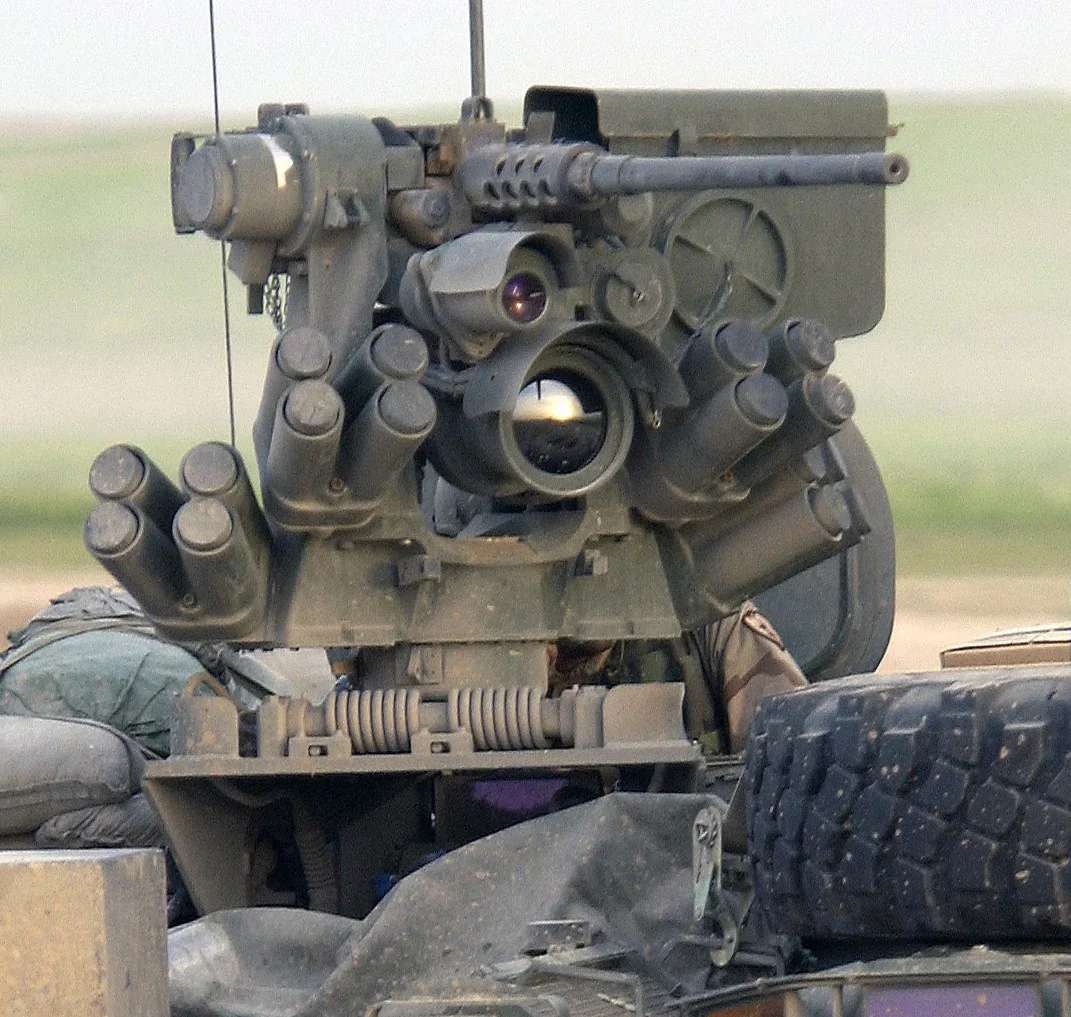
Norwegian defence group Kongsberg Defence & Aerospace has signed a contract with General Dynamics Land Systems-Canada to deliver PROTECTOR RS4 remote weapon stations for the Canadian Army. The deal is valued at NOK 1.1 billion.
The award is a follow-on order under Canada’s Armoured Combat Support Vehicle (ACSV) programme. Kongsberg has supplied remote weapon stations for the same vehicle family before, and the new contract tracks the growth of that fleet.
What the ACSV programme covers
The ACSV is Canada’s answer to an ageing fleet of M113 and Bison support vehicles. Built on the General Dynamics LAV 6 hull, it comes in a spread of mission variants — ambulance, command post, ammunition carrier, mobile repair vehicle and more.
Support vehicles were never meant to trade fire on the forward edge. That assumption has aged badly. Resupply and casualty-evacuation columns are now routinely hunted by small drones and ambush teams, and the vehicles that carry them need a weapon that can actually answer back. Arming the logistics tail is no longer an afterthought in NATO fleet planning.
Inside the RS4
PROTECTOR is among the most widely fielded remote weapon station families in the world. It lets a crew aim and fire a roof-mounted weapon without breaking the armour envelope. The RS4 is the newest generation, and it will take 5.56 mm, 7.62 mm and 12.7 mm machine guns, 40 mm automatic grenade launchers, and anti-tank guided missiles where the customer wants them.
Three features separate it from earlier marks: an architecture prepared for wireless control, multi-sensor fusion, and counter-UAS engagement. The last two are direct lessons from Ukraine. Cheap one-way attack drones opened a threat axis that conventional armour was never shaped to counter, and the roof-mounted gun has been rediscovered as the first layer of an answer.
Sensor fusion means the station blends thermal imagery, day-channel video and laser rangefinder returns into a single picture. Against a small object moving fast and low, the time saved between detection and a firing solution is the whole game.
Why remote stations took over
The category grew out of Iraq and Afghanistan, where the exposed vehicle gunner was the single most vulnerable person in a convoy. Moving the weapon outside the hull and the operator inside cut casualties and, almost incidentally, improved accuracy: a stabilised mount tracks a target while the vehicle is moving, which a person standing in a hatch cannot reliably do.
The second dividend was optical. A thermal channel sees at ranges and in conditions the human eye does not, which quietly turned the weapon station into a surveillance sensor. Plenty of operators now value RS4-class systems as much for what they see as for what they shoot.
Where this sits for Kongsberg
Kongsberg is better known for the Naval Strike Missile and the NASAMS air defence system, but remote weapon stations are among its steadiest export lines, with users from the US Army to Finland, Sweden and Germany. Recent RS4 orders have come from Patria for German and Swedish CAVS vehicles and from Sweden’s FMV for the CV90 fleet. Canada adds to that run.
Canada’s posture on NATO’s eastern flank sits behind the purchase. Ottawa is the framework nation for the multinational battlegroup in Latvia, and modernising the armour it commits to that mission has become a standing budget priority. Keeping a single weapon station type across the fleet also does something unglamorous but valuable: it collapses training, spares and maintenance into one pipeline, which is where life-cycle cost is actually won or lost.
Sources
- KONGSBERG — “KONGSBERG to deliver Remote Weapon Systems to Canada”, company statement, 20 August 2026
- General Dynamics Land Systems-Canada — ACSV programme material