Israel Tests Upgraded Iron Dome Integrated With Iron Beam Laser

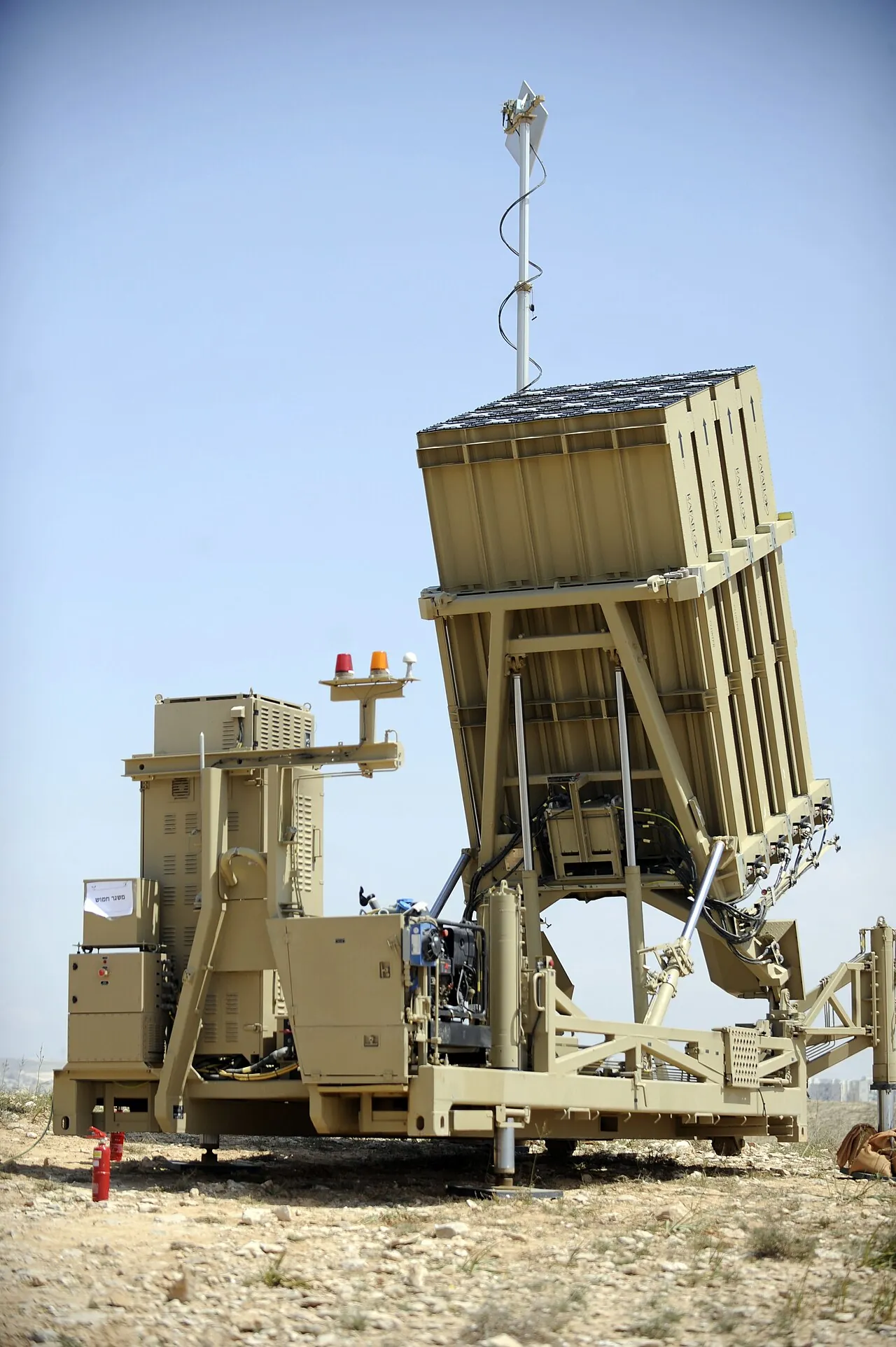
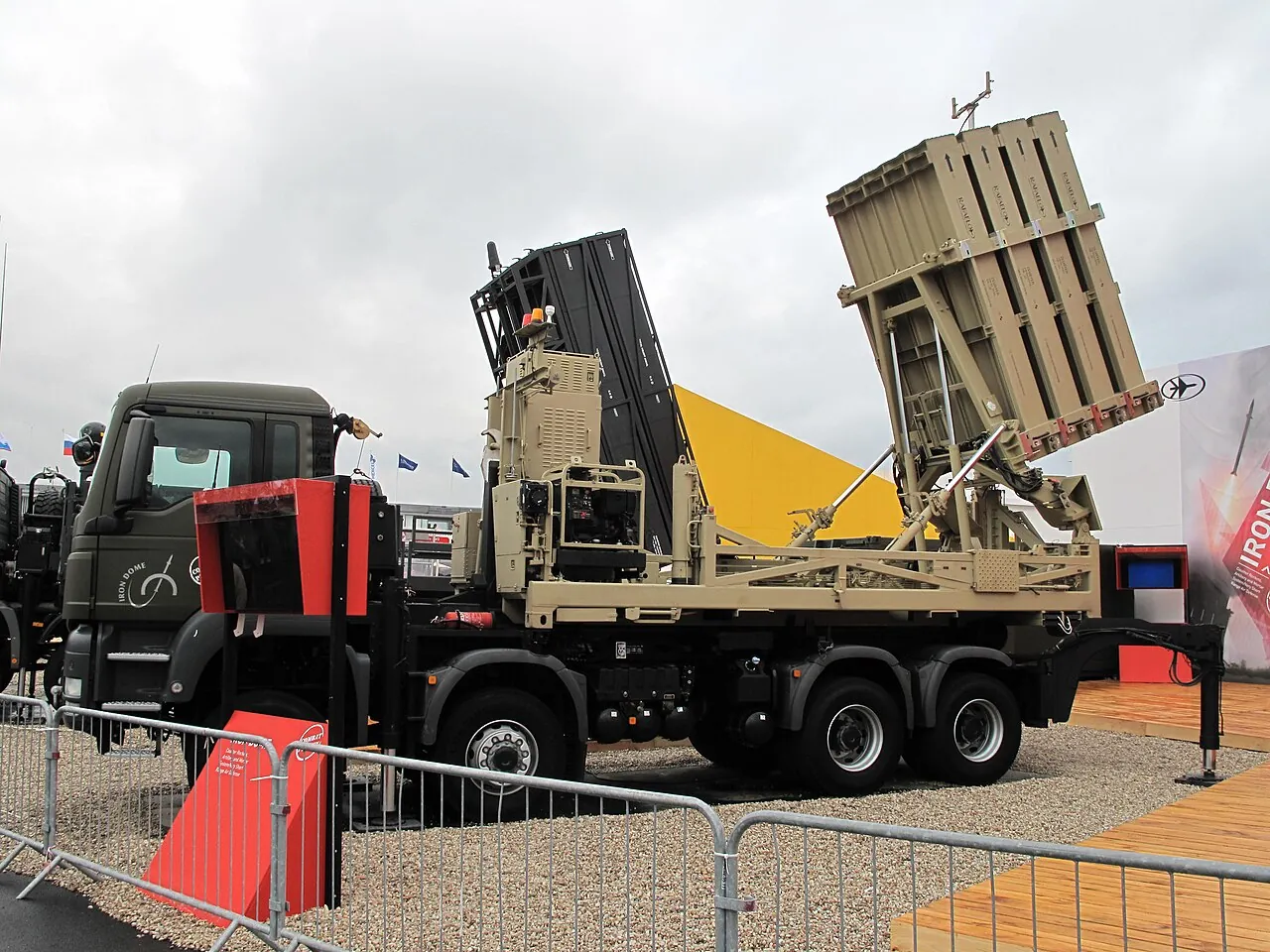
Israel has taken another step in layered air defense. According to Israel’s Ministry of Defense and Rafael, an upgraded version of Iron Dome was tested in integration with the high-energy Iron Beam laser. The trials were led by the IMDO and Rafael Advanced Defense Systems, with the participation of the Israeli Air Force.
One question sat at the center of the tests: how do you stop many cheap threats arriving at once without economically exhausting the defense? Combining Iron Dome’s Tamir interceptors with Iron Beam’s laser shots is positioned as the answer to this saturation problem.
What Are Iron Dome and Iron Beam?
Iron Dome is Israel’s air defense system for short-range rockets and artillery. Fielded in 2011 and built by Rafael, with radar and battle management supported by IAI’s ELTA division and mPrest, it calculates each incoming threat’s trajectory and engages only those set to hit populated areas with a Tamir interceptor.
Iron Beam is a high-energy laser weapon meant to complement Iron Dome, with its laser source supplied by Elbit Systems. It can neutralize a target roughly 4-5 seconds after lock-on, at a range of about 10 kilometers. Its clearest advantage is cost: each shot runs a few dollars, while a single Tamir interceptor costs around $50,000.
What the Test Involved
The series put the upgraded Iron Dome through scenarios simulating rockets, cruise missiles and unmanned aircraft. The distinguishing feature was high-volume, dense salvos, that is, many threats arriving simultaneously. Joint operational scenarios with Iron Beam were run inside Iron Dome’s battle management center.
According to the IMDO, the upgrades increase the system’s ability to withstand high rates and volumes of fire, letting the defense manage large, concentrated salvos more effectively. The organization said it is also pursuing efforts to accelerate interceptor production in both Israel and the United States, with improvements drawn from operational lessons learned under fire during the war.
| Item | Detail |
|---|---|
| System | Iron Dome (upgraded) + Iron Beam |
| Role | Short-range rocket, cruise missile, UAV defense |
| Iron Beam type | High-energy laser (directed energy) |
| Effect time | ~4-5 seconds after lock-on |
| Range | About 10 km |
| Cost per shot | Laser: a few dollars / Tamir: ~$50,000 |
| Prime contractor | Rafael |
| Laser source | Elbit Systems |
| Service history | Iron Dome operational since 2011 |
Why It Matters: The Cost Equation
Modern air defense’s biggest problem is cost asymmetry. When the attacker launches swarms of a few-hundred-dollar drones or cheap rockets, the defender must answer each threat with an interceptor worth tens of thousands of dollars. Over time, that equation wears down the defender economically.
Laser systems like Iron Beam are designed to reverse it: at a few dollars per shot, cheap threats are defeated cheaply, while expensive interceptors are reserved for high-end threats such as ballistic missiles. Integrating Iron Dome with Iron Beam builds exactly this ‘right weapon for the right threat’ logic.
What It Means for Türkiye
The ‘cheap laser plus expensive missile’ logic Israel follows aligns with Türkiye’s air defense roadmap. Türkiye is merging layers from the long-range SİPER to the medium- and low-altitude HİSAR family into an integrated air and missile defense architecture called the Steel Dome (Çelik Kubbe). Significant contracts for the program were announced in 2026.
Türkiye has also moved on the laser side. ASELSAN’s GÖKBERK mobile laser air defense system and its ALKA directed-energy weapon have passed test and live-fire stages against unmanned aircraft. The logic matches Israel’s: answer cheap drone and munition threats with low-cost-per-shot lasers.
Israel’s test against saturation salvos is, in that sense, a validation for Türkiye as well. In an age of swarming drones and cheap missiles, layered defense must be built not only along the range axis but along the cost axis. The Steel Dome’s laser layer aims to provide an indigenous answer to that need.
Frequently Asked Questions
What is Iron Beam?
What exactly was tested?
What is the laser’s advantage over a missile?
Does Türkiye have a similar system?
Conclusion
Israel’s test integrating Iron Dome with Iron Beam defines the future of air defense along the cost axis: a cheap answer to a cheap threat. The same logic underpins Türkiye’s Steel Dome and indigenous laser programs. In the age of drone swarms, layered defense is now measured not only by range but by cost per shot.