HÜRKUŞ Deliveries Explained: How Many for the Air Force, and Which Countries Operate It?

HÜRKUŞ Deliveries Explained: How Many for the Air Force, and Which Countries Operate It?
Yazı Özetini Göster
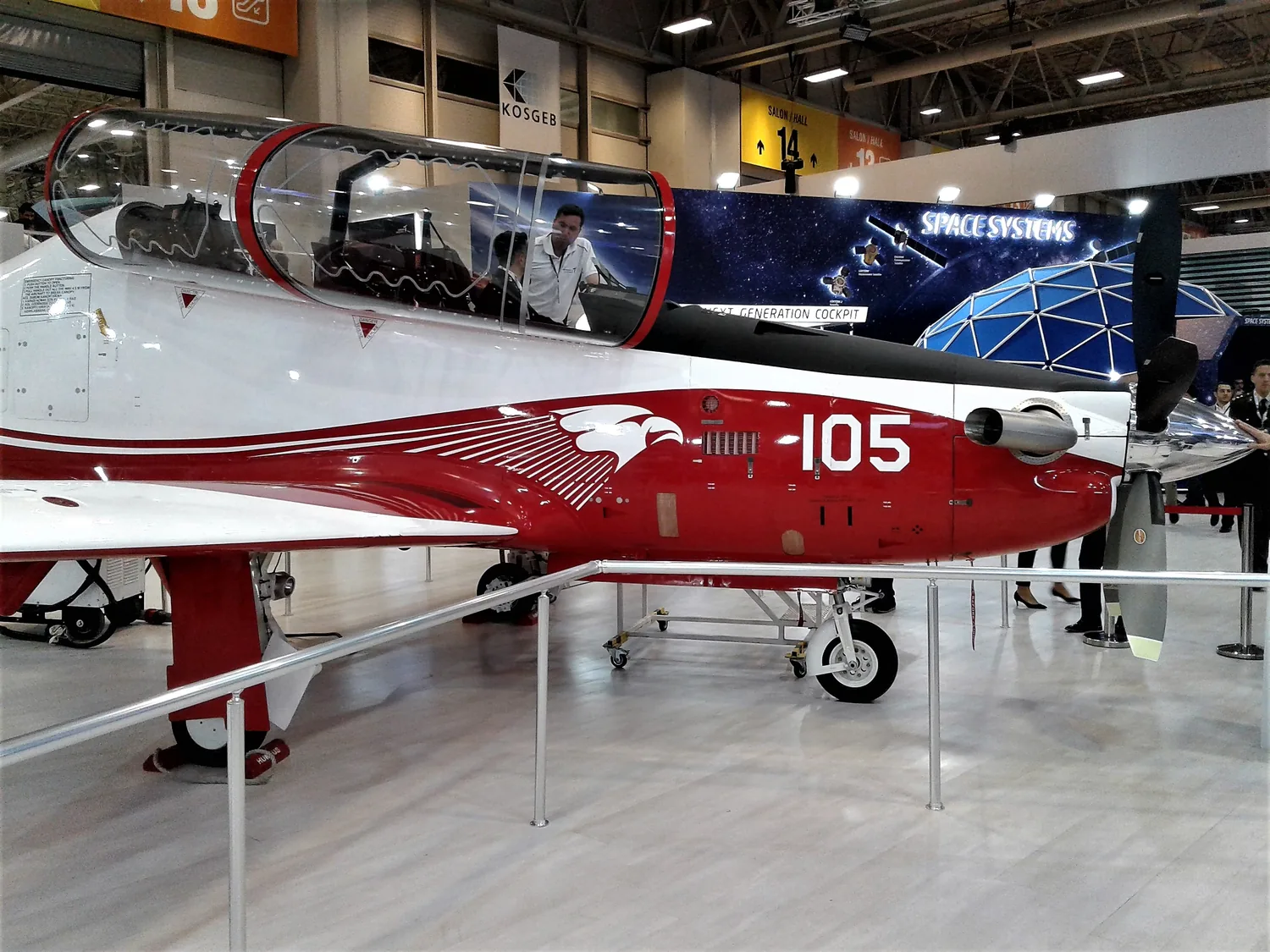
TUSAŞ HÜRKUŞ temel egitim ucagi
The TUSAŞ HÜRKUŞ basic trainer aircraft. Source: Wikimedia Commons (CC).

HÜRKUŞ is an indigenous basic trainer and light-attack aircraft developed by TUSAŞ. Positioned as the Turkish Air Force’s new-generation basic pilot trainer, HÜRKUŞ — through its armed HÜRKUŞ-C variant — can also perform light-attack and border-security missions. First flown as a prototype on 29 August 2013, HÜRKUŞ is now in Air Force service and has been exported to Niger, Chad and Libya. This dossier compiles HÜRKUŞ’s delivery timeline, variants, operators and technical data from open sources.

2013
First flight
55 units
Air Force contract
18 units
Delivered (HÜRKUŞ-B)
3 countries
Exports
Contents: Tap each heading to expand or collapse — what HÜRKUŞ is, variants, operators, delivery schedule, exports, timeline, specs and FAQ.
What is HÜRKUŞ?

HÜRKUŞ is a single-engine turboprop aircraft developed primarily to train new pilots on an indigenous platform. Its tandem two-seat cockpit, modern avionics and glass cockpit make it an ideal stepping stone before jet trainers.

The armed HÜRKUŞ-C variant can perform light attack, close air support, reconnaissance and border security at low cost. This versatility makes HÜRKUŞ a family combining training and operational needs on a single platform.

Variants: A / B / C
VariantRole
HÜRKUŞ-ACivil-certified basic/aerobatic variant
HÜRKUŞ-BMilitary basic trainer (Air Force)
HÜRKUŞ-CArmed mission aircraft — light attack, CAS, reconnaissance
Which institutions and countries operate it?

HÜRKUŞ’s main operator is the Turkish Air Force Command. The armed HÜRKUŞ-C first entered operational use through exports.

OperatorStatus
Turkish Air ForceActive (HÜRKUŞ-B training)
NigerHÜRKUŞ-C (first foreign operator)
ChadHÜRKUŞ delivery (with ANKA)
LibyaHÜRKUŞ operator
Turkish inventory and delivery schedule

The Turkish Air Force currently fields 18 HÜRKUŞ-B trainers. Under the contract with the defense authority, 55 HÜRKUŞ-B are planned in total.

Per the schedule, the first 15 aircraft are to be delivered in 2025 and the remaining 40 by 2027, largely shifting the Air Force’s basic pilot-training fleet to an indigenous platform.

PeriodDeliveriesNote
Current18 unitsHÜRKUŞ-B (Air Force)
2025+15 unitsFirst contract batch
By 2027Remaining 40 units55 total target
Exports: Niger, Chad, Libya

HÜRKUŞ became one of the early export successes among Turkish aircraft. The armed HÜRKUŞ-C’s first foreign operator is Niger, with a 2021 agreement for 6 aircraft. Chad received 3 HÜRKUŞ (with 2 ANKA), and Libya is also a HÜRKUŞ operator.

These exports highlighted HÜRKUŞ as a versatile platform that, with low operating cost, also meets light-attack needs — and much of the first production batch was exported.

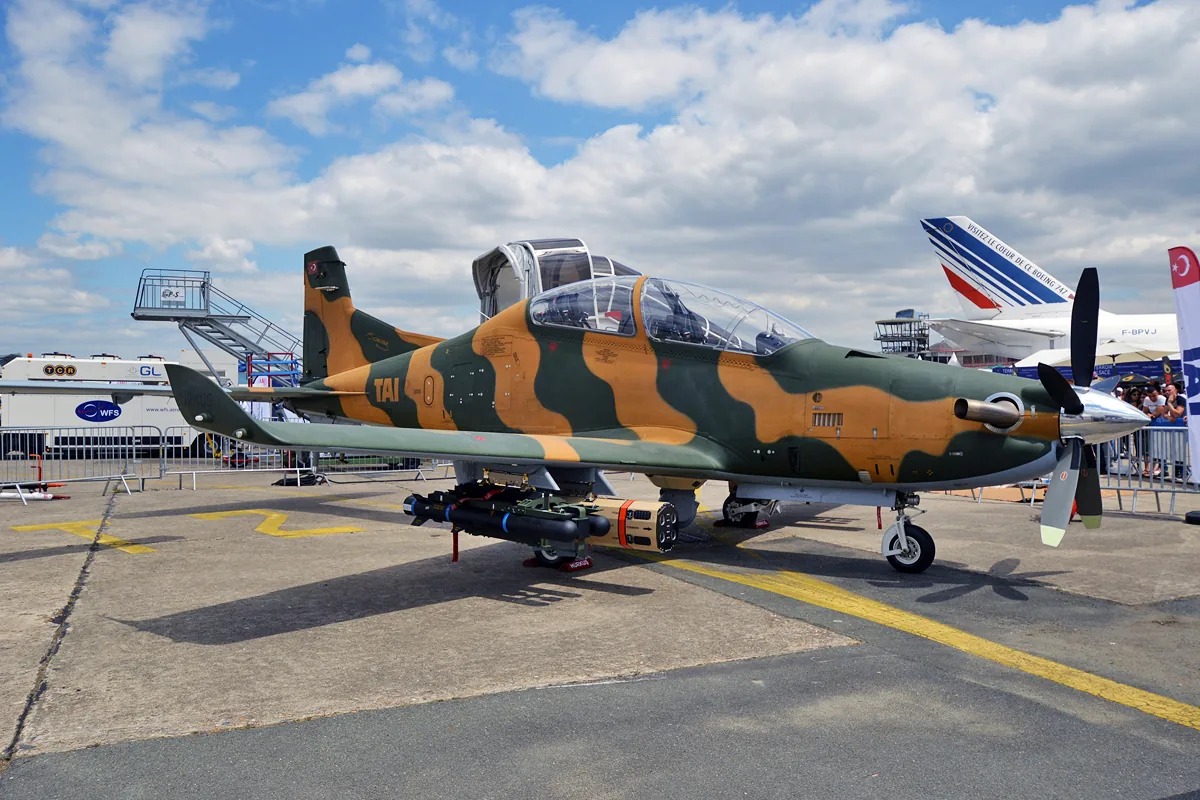
Silahli HURKUS-C gorev ucagi
Silahlı görev uçağı HÜRKUŞ-C. Kaynak: Wikimedia Commons (CC).
Timeline
DateEventSource
29 Aug 2013First prototype flightTUSAŞ / Wikipedia
2010sCertification and serial productionPress
2021HÜRKUŞ-C agreement with NigerPress
2023+Chad and Libya deliveriesTUSAŞ
2025–2027Air Force 55-unit HÜRKUŞ-B deliveriesDefense authority
Technical specifications
FeatureValue
ClassSingle-engine turboprop basic trainer / light attack
Crew2 (tandem cockpit)
EngineTurboprop (PT6 class)
AvionicsGlass cockpit, modern training systems
HÜRKUŞ-C armamentHardpoints (rockets, bombs, guided munitions)
RolesBasic training, light attack, CAS, reconnaissance
ManufacturerTUSAŞ
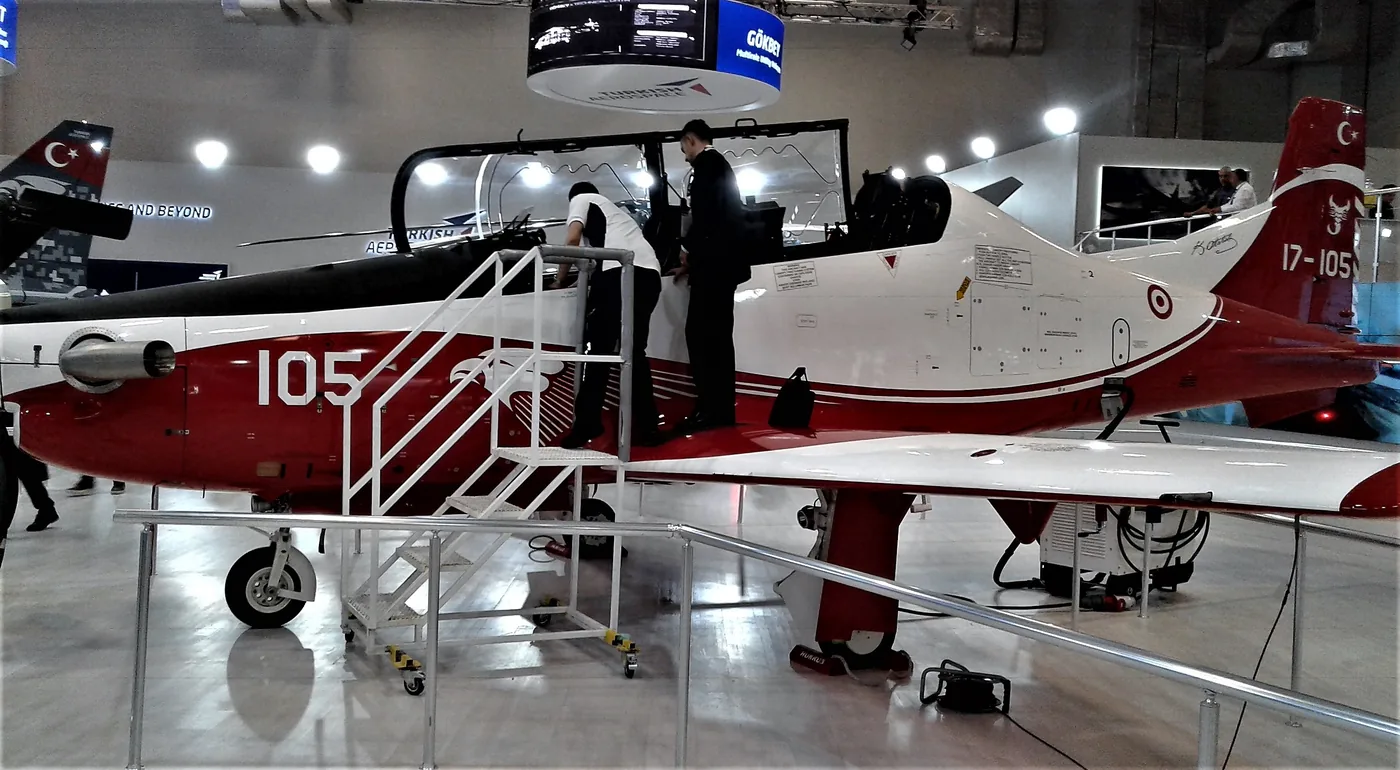
HURKUS egitim ucagi havada
HÜRKUŞ eğitim uçağı. Kaynak: Wikimedia Commons (CC).
Manufacturer and significance

The prime contractor is TUSAŞ. HÜRKUŞ lets Türkiye build its pilot-training infrastructure with indigenous means, reducing external dependence.

The engineering experience from HÜRKUŞ also paved the way for the HÜRJET jet trainer and other indigenous aircraft projects, making HÜRKUŞ a

HÜRKUŞ-C’s weapon integration brings Türkiye’s indigenous smart munitions and guided rockets into the export package, so the aircraft and its munitions can be offered together.

Meeting the Air Force’s basic-training need with an indigenous aircraft also nationalizes the first link of the pilot-training chain that extends to the HÜRJET jet trainer and the KAAN fighter.

An improved HÜRKUŞ variant reportedly on the agenda further strengthens the program’s long-term sustainability and export potential.

HÜRKUŞ was designed to replace the foreign-built basic trainers the Turkish Air Force operated for decades. Indigenous production means maintenance, spare-parts supply and avionics upgrades can be done in-country without relying on third parties. This lowers costs and raises operational readiness; because uninterrupted operation of the training fleet directly affects the pace of pilot production, it is a critical advantage.

The armed HÜRKUŞ-C variant offers a cost-effective alternative to expensive combat jets, especially in low- and medium-intensity conflict environments. Able to perform close air support, border patrol and precision strike at a far lower cost per hour, it is an attractive option for budget-constrained air forces — a key driver of HÜRKUŞ-C’s export success in African and Middle Eastern markets.

On the export side, HÜRKUŞ is offered not as a bare platform sale but as an integrated package including training, logistics support, simulators and munitions. This approach builds long-term relationships with buyer nations and opens the door to follow-on orders. Niger, Chad and Libya show Türkiye becoming a lasting supplier in these markets.

The program also served as a school for Türkiye’s aircraft-development ecosystem. The design, certification and serial-production experience gained on HÜRKUŞ fed directly into more complex projects such as the HÜRJET jet trainer and the KAAN fighter, making HÜRKUŞ less a single aircraft than the starting point of a body of capability.

Once the planned 55-aircraft delivery to the Air Force is complete, Türkiye’s basic pilot training will run largely on an indigenous platform. That means a sustainable training infrastructure independent of restrictions a foreign supplier might impose, strengthening the long-term planning of national air power.

cornerstone of Türkiye’s aircraft-development capability.

Frequently Asked Questions

When did HÜRKUŞ first fly?

HÜRKUŞ made its first prototype flight on 29 August 2013.

How many HÜRKUŞ will the Air Force receive?

A total of 55 HÜRKUŞ-B are planned under contract; 18 are currently in inventory.

Which countries operate HÜRKUŞ?

The armed HÜRKUŞ-C was first exported to Niger; Chad and Libya are also operators.

What is HÜRKUŞ-C?

HÜRKUŞ-C is the armed mission variant capable of light attack, close air support, reconnaissance and border security.

How many crew does HÜRKUŞ carry?

HÜRKUŞ has a tandem two-seat cockpit.

Who makes HÜRKUŞ?

HÜRKUŞ is produced by TUSAŞ.

Sources

The HÜRKUŞ program mobilized a broad indigenous supplier network from engine integration to avionics, an accumulation that brings cost and schedule advantages to later aircraft projects.

The trainer market is a long-lived, stable global segment; HÜRKUŞ’s low operating cost and flexible weapon options make it attractive especially to budget-conscious air forces.

With HÜRKUŞ, Türkiye can train pilot candidates on an indigenous platform from their first flight hours — meaning both training doctrine and the maintenance chain become national.

Leave a Comment

Your email address will not be published. Required fields are marked *

Related Posts