Greece or Turkey? Which Army is Stronger? (2026 Military Power Comparison)

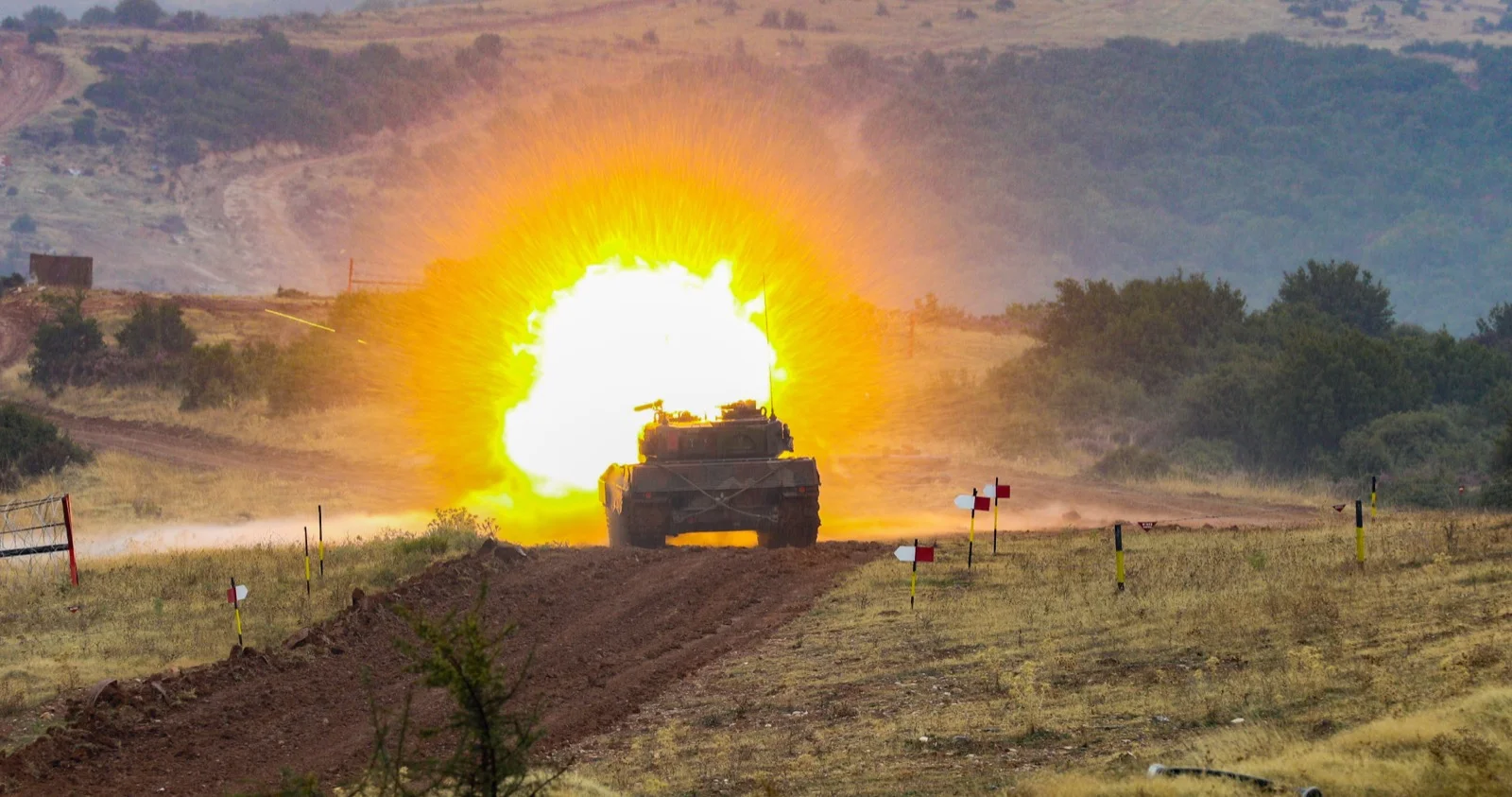
Two neighbors of the Aegean and Eastern Mediterranean are in a balance struggle that has lasted for decades. With 2026 data, the Turkish and Greek armies are facing off in detail — but how significant is the real difference?
Although Turkey and Greece are under the same NATO umbrella, they are constantly calculating military balance due to disputes over Aegean islands, Eastern Mediterranean energy resources, and airspace. Both countries allocate a significant portion of their defense budgets to mutual deterrence.
In this comparison, we examine the two armies in detail instead of a classic countdown: personnel, land power, air power, navy, defense budget, and perhaps the most decisive factor — domestic defense industry. We analyze which country has the upper hand in light of Global Firepower data, along with the strategic differences beyond the numbers.
Countdown Begins: #10 → #1
Personnel Strength
~355,000
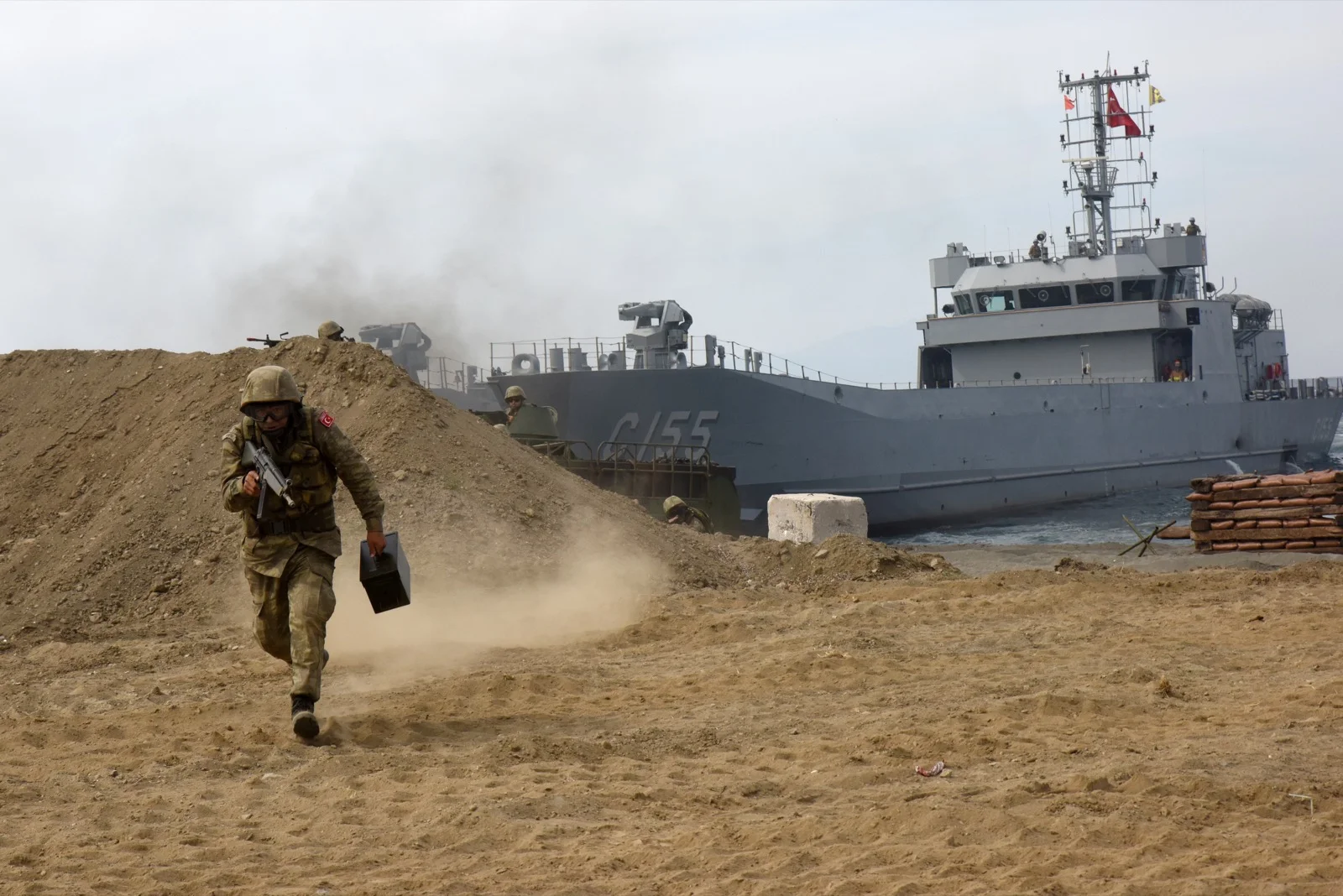
There is a significant scale difference between the two countries in terms of personnel. Turkey operates one of NATO’s largest armies with approximately 355,000 active personnel and a large reserve pool. Greece, on the other hand, maintains its defense with a more compact structure of about 140,000 active personnel. The population difference (85 million vs. 10 million) naturally tilts this balance in favor of Turkey. Greece tries to compensate for the numerical disadvantage with mandatory military service and a high readiness rate. However, Turkey has a clear advantage in total mobilization capacity.
Turkey surpasses Greece in personnel numbers by approximately 2.5 times.
| Turkey active | ~355,000 |
| Greece active | ~140,000 |
| Turkey reserve | Wide |
| Superiority | 🇹🇷 Turkey |
➤ So, is the table changing in land power?
Land Power
~2,230
In land forces, Turkey has a clear numerical superiority with approximately 2,230 tanks and a wide inventory of armored vehicles. The mass production of the M60T (Israeli modernization), Leopard 2A4, and the domestic ALTAY tank strengthens the land power both numerically and qualitatively. Greece, on the other hand, has a strong armored force in the region with approximately 1,300 tanks — mostly Leopard 2 and Leopard 1. Although the Greek Leopard 2A6 fleet is qualified, Turkey’s domestic ALTAY production and armored vehicle industry (FNSS, Otokar, BMC) determine the long-term balance.
Turkey nearly doubles Greece in tank count; additionally, it closes the qualitative gap with domestic ALTAY production.
| Turkey tank | ~2,230 |
| Greece tank | ~1,300 |
| Domestic | ALTAY in production |
| Superiority | 🇹🇷 Turkey |
➤ The main critical item is determined in the sky.
Air Power
~1,080
Air power is the most sensitive balance item between the two countries. Turkey has a numerical superiority with approximately 1,080 aircraft and a modernized large F-16 fleet (Freedom project). Greece responds with qualified capabilities through Rafale fighter jets and F-16 Viper modernization; Greek Rafales offer a significant range advantage with Meteor missiles. However, the real difference lies in domestic production: Turkey is producing the future of air power with the KIZILELMA unmanned combat aircraft, AKINCI and TB2 UAVs, along with the HÜRJET and KAAN projects. Greece has to procure these platforms from abroad.
Turkey leads in numbers and domestic production; Greece establishes a qualified balance with the Rafale+Meteor combination.
| Turkey aircraft | ~1,080 |
| Greece aircraft | ~610 |
| Domestic UAV | 🇹🇷 KIZILELMA, TB2 |
| Superiority | 🇹🇷 Turkey |
➤ Which country is stronger at sea?
Navy
~150+
In the navy, Turkey stands out both numerically and technologically. The MİLGEM project (Ada and Istanbul class corvettes/frigates), domestically produced TCG Anadolu (the world’s first UAV ship), and the growing submarine fleet (Reis class) make the Turkish navy one of the strongest actors in the Eastern Mediterranean. Greece, on the other hand, has a strong navy with qualified MEKO frigates and a modern submarine fleet (Type 214); French FDI Belharra frigates strengthen the fleet. However, Turkey’s domestic shipbuilding capacity and power projection platforms like TCG Anadolu determine the balance.
Turkey leads in the number of ships and domestic production; TCG Anadolu provides a unique power projection capacity in the region.
| Turkey ships | ~150+ |
| Greece ships | ~115 |
| Amphibious | 🇹🇷 TCG Anadolu |
| Superiority | 🇹🇷 Turkey |
➤ So how does the budget and industry affect this table?
Budget and Industry
Domestic industry
The last and perhaps the most decisive item: defense budget and domestic industry. Turkey’s defense budget is larger than Greece’s; however, the real difference lies in how the spending is utilized. Turkey is reducing dependency by directing a significant portion of its budget to domestic production: companies like ASELSAN, ROKETSAN, TUSAŞ, Baykar, FNSS, and HAVELSAN produce a wide range of products from drones to missiles, tanks to fighter jets. Although Greece spends a high amount on defense relative to its GDP, a large portion of this budget is allocated to external procurement (Rafale, FDI frigates). Domestic production capacity provides Turkey with strategic depth in long-term deterrence.
Although Greece spends a high percentage of its GDP, it is dependent on external sources; Turkey gains strategic independence through domestic production.
| Turkey budget | Larger |
| Greece | High GDP ratio |
| Domestic industry | 🇹🇷 Very strong |
| Superiority | 🇹🇷 Turkey |
What sets Turkey apart is not just numerical superiority; it is a defense industry ecosystem that produces its own fighter jet (KAAN), UAVs (TB2, AKINCI, KIZILELMA), tank (ALTAY), ship (MİLGEM), and missile. This localization means supply independence and rapid modernization in times of crisis — an advantage that a dependent army cannot possess.
➤ So what is the result when all items come together?
Conclusion: Which Army is Stronger?
The item-by-item evaluation shows that Turkey has numerical and structural superiority in all categories: personnel, land power, air power, navy, and defense industry. Greece establishes a qualified deterrence with Rafale fighter jets, Meteor missiles, and modern frigates, making it a strong army relative to its region. However, the overall scale, geographical depth, and especially domestic production capacity clearly set Turkey apart.
Conclusion Assessment
The military balance between Turkey and Greece is a constantly calculated delicate equation, despite both countries being NATO members. The numerical comparison shows a clear superiority for Turkey: in terms of personnel, tanks, aircraft, and ships, Turkey is ahead. However, Greece’s recent modernization efforts — Rafale fleet, F-16 Viper upgrades, and FDI Belharra frigates — demonstrate the seriousness of its efforts to close the qualitative gap.
Greece’s strategy is based on balancing its numerical disadvantage with the most modern Western platforms. The range advantage provided by the Rafale jets with Meteor missiles is a significant factor in the Aegean air balance. However, this model is entirely dependent on external supply; every modernization step requires assistance from Paris, Berlin, or Washington.
Turkey’s difference becomes evident precisely here. Ankara is meeting an increasingly large portion of its defense needs with its own industry: the ALTAY tank, MİLGEM ships, TB2 and AKINCI drones, the KIZILELMA unmanned combat aircraft, and the KAAN fifth-generation fighter jet project. This localization means supply independence in times of crisis, rapid modernization, and a growing export revenue. What is now decisive in the balance between the two countries is not just the inventory numbers, but who can produce that inventory. From this perspective, Turkey is entering both today’s and the next decade’s military equation on a more solid foundation.
Comparison Table
| Item | Turkey | Greece | Advantage |
|---|---|---|---|
| Active Personnel | ~355,000 | ~140,000 | 🇹🇷 Turkey |
| Tank | ~2,230 | ~1,300 | 🇹🇷 Turkey |
| Total Aircraft | ~1,080 | ~610 | 🇹🇷 Turkey |
| Naval Ship | ~150+ | ~115 | 🇹🇷 Turkey |
| Domestic UAV/UCAV | TB2, AKINCI, KIZILELMA | Foreign supply | 🇹🇷 Turkey |
| 5th Generation Aircraft | KAAN (development) | None | 🇹🇷 Turkey |
| Rafale/Meteor | None | Available | 🇬🇷 Greece |
| Defense Industry | Very strong | Limited | 🇹🇷 Turkey |
Tomorrow: NATO’s Strongest Armies
USA, France, UK, Turkey… The top 10 strongest armies of the alliance and the surprising ranking will be on envantermedya tomorrow.
Frequently Asked Questions
Which is stronger, Turkey or Greece?
According to the 2026 Global Firepower data, Turkey ranks ahead of Greece in terms of personnel, tanks, aircraft, and ships, and is much higher in the overall military power ranking.
What is Greece’s strongest card?
Greece’s strongest card is the Rafale fighter jets equipped with Meteor missiles and the modernized F-16 Viper fleet.
What is Turkey’s biggest advantage?
Turkey’s biggest advantage is its domestic defense industry: it can produce its own tanks, ships, drones, missiles, and fighter jets.
Are both countries NATO members?
Yes, both Turkey and Greece are NATO members; however, mutual deterrence continues due to ongoing disputes in the Aegean and Eastern Mediterranean.
Is the Greek navy stronger than the Turkish navy?
Although the Greek navy has qualified frigates and submarines, Turkey stands out with its number of ships, domestic production, and power projection platforms like TCG Anadolu.
Sources
Global Firepower 2026 comparative country profiles; IISS Military Balance; SIPRI defense expenditures; TSK, ASELSAN, Baykar and relevant official sources.
Source: https://www.globalfirepower.com/