ATLAS 2A vs JIM Compact and Recon V: what it offers

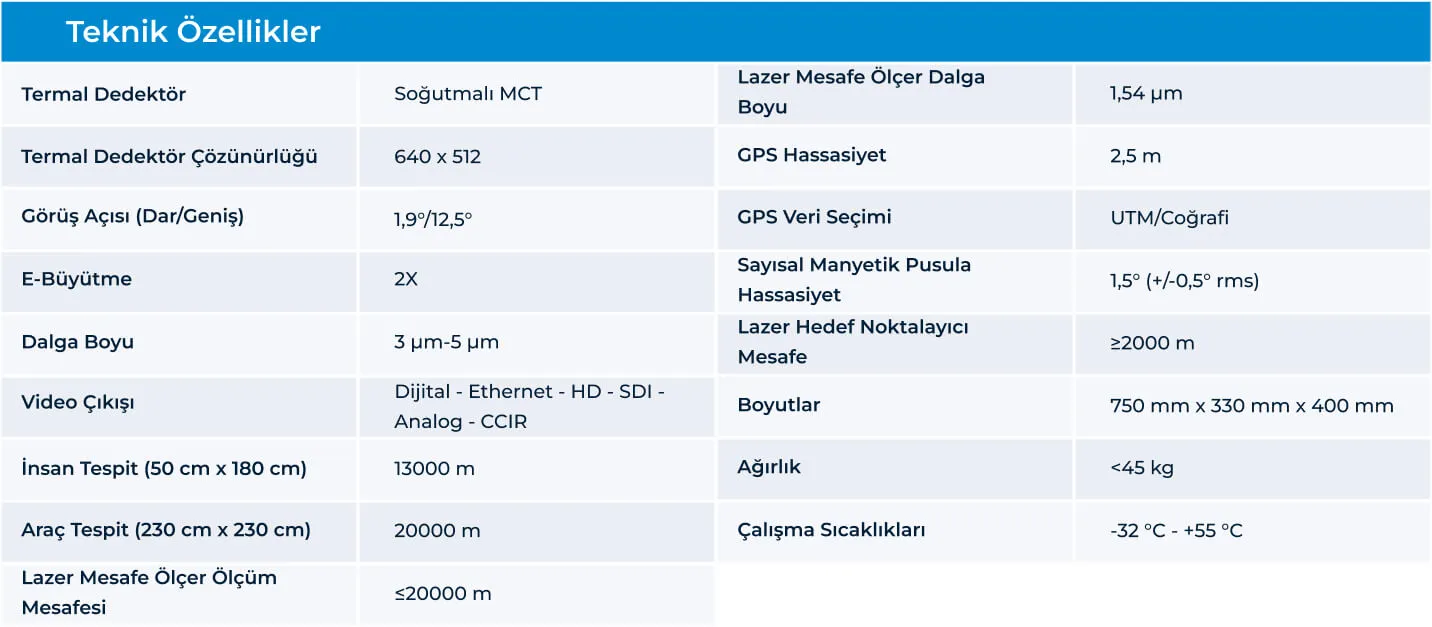
Quick answer: FOTONİKS’ ATLAS 2A competes in the same mission class as Safran’s JIM Compact and Teledyne FLIR’s Recon V: long-range reconnaissance with a cooled MWIR thermal camera and target coordinate generation using a laser rangefinder, GPS and a digital compass. The difference lies in the form factor. ATLAS 2A is a pan-tilt system solution, while the French and US products belong to the hand-held binocular class. This file compares the three using only figures published by their manufacturers.
One mission, three approaches
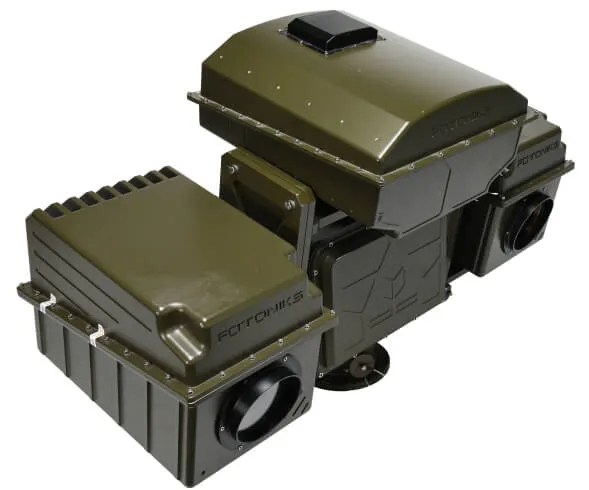
The common denominator of the three systems is the target location chain: the range to a target detected in the thermal or day channel is measured by laser, and the target’s geographic coordinates are computed from the operator’s GPS position and the magnetic compass bearing. Safran’s JIM Compact packs that chain into a single body weighing under 2 kilograms. Recon V emphasises hand-held endurance with 10x optical zoom and MEMS-based image stabilisation. ATLAS 2A moves the chain into a static surveillance architecture with an operator control unit, a pan-tilt positioner and automatic target tracking software; automatic tracking of a marked suspect target is the function the manufacturer highlights.
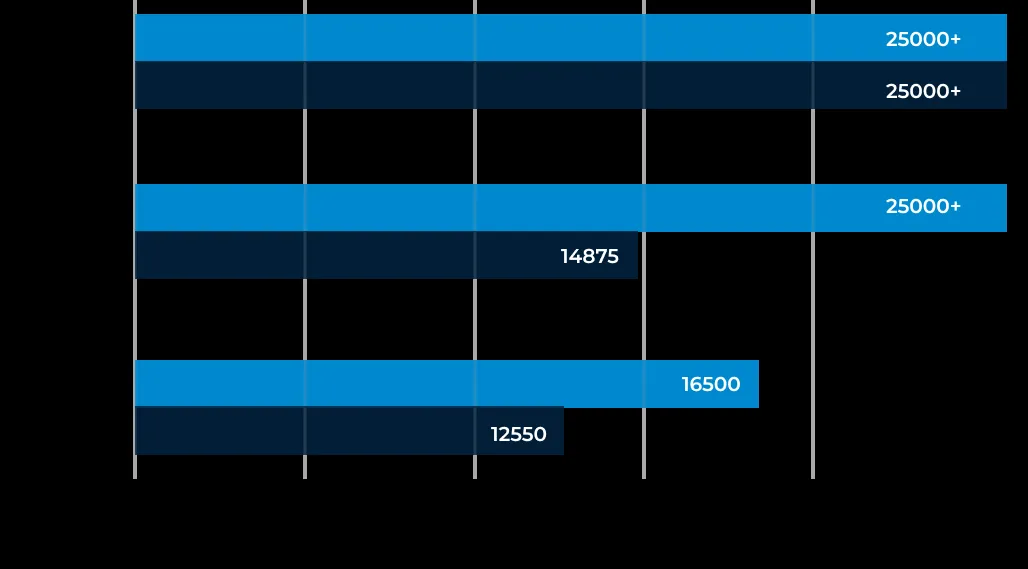
Comparison table based on official data
Only figures from the three manufacturers’ own publications were used in the table. Undisclosed cells were not filled in by estimate.
| Feature | ATLAS 2A (FOTONİKS) | JIM Compact (Safran) | Recon V (Teledyne FLIR) |
|---|---|---|---|
| Form factor | Pan-tilt system + operator control unit | Hand-held multifunction binocular | Hand-held multi-sensor binocular |
| Thermal channel | Cooled MWIR | Cooled MWIR, 640×480, cool-down <3 min | Cooled MWIR, 640×480 |
| Day channel | Day vision camera | 14 MP colour camera | Colour EO channel |
| Additional channel | SWIR (optional) | Low-light channel, 1280×1024 | Not officially disclosed |
| Laser rangefinder | Fitted (range not disclosed) | Eye-safe, up to 12 km | Fitted (range not disclosed) |
| Target coordinate generation | GPS (2.5 m accuracy) + digital compass | Internal GPS + digital compass + tilt sensor | Internal GPS + digital compass |
| Laser pointer | ≥2,000 m | See-Spot function | Long-range laser pointer |
| Magnification / stabilisation | 2X electronic zoom | 1-4x continuous e-zoom, image stabilisation | 10x continuous optical zoom, MEMS stabilisation |
| Weight | Not officially disclosed | <2 kg (battery included) | Not officially disclosed |
| Power / operating time | Not officially disclosed | 4-6 hours (depending on battery type) | Up to 6 hours on AA lithium cells |
| Automatic target tracking | Fitted | Not officially disclosed | Not officially disclosed |
What the table says, and what it does not
The data show that the three systems sit in the same sensor class, the 640-class cooled MWIR. JIM Compact stands out for the depth of its public data, with numerical values published from weight through to laser range. On the ATLAS 2A side, detection-recognition ranges, weight and power figures do not appear on the official page. That does not license any conclusion, favourable or unfavourable, about the product’s capability; it shows only that the disclosure policy differs. The form factor gap also limits direct comparison, since a hand-held binocular and a pan-tilt system overlap only partly in mission profile. For a buyer, the decisive criteria are total package weight, coordinate accuracy, integration interfaces and life-cycle cost. FOTONİKS’ approach to life-cycle cost is set out in the executive profile.
The competitive ground for a Turkish manufacturer
Manufacturers such as Safran, Teledyne FLIR, Elbit and Hensoldt hold established positions in the long-range reconnaissance system market. FOTONİKS’ card in this class is a production model that keeps design and critical technologies in-house; the company says this lets it bid independently of third-country export restrictions. The export file traces how that model is evolving from indirect exports towards direct projects. For the parallel contest in weapon station sensors, see the KESKİN file.
Frequently asked questions
Is ATLAS 2A a direct competitor to JIM Compact?
The mission class is shared (long-range reconnaissance and target location), but the form factor differs. JIM Compact is hand-held and ATLAS 2A is a pan-tilt system; depending on the tender, they may be alternatives or complements.
Which system has the longer range?
No comparison is possible. Neither manufacturer has published detection-recognition ranges for ATLAS 2A or Recon V; for JIM Compact, a laser rangefinder measurement of up to 12 kilometres is disclosed. That is not the same as imaging range.
Do all three use cooled thermal detectors?
Yes, all three use cooled MWIR detectors. A cooled architecture delivers long-range performance at the cost of a cool-down period and higher price.
Are prices known?
No. None of the three manufacturers publishes list prices; in defence procurement, price is set by configuration and quantity. Not officially disclosed.
Is this comparison based on independent test data?
No. The table places the manufacturers’ own published statements side by side; independent test results are not public for any of the three products.
Sources and verification note
- https://www.fotoniks.com.tr/tr/urun/kesif-gozetleme-sistemi-atlas-2a — Accessed: August 12, 2026
- https://www.safran-group.com/products-services/jim-compact-lightweight-multifunctional-long-range-binocular-system — Accessed: August 12, 2026
- https://www.safran-group.com/sites/default/files/2022-05/Safran-Electronics-Defense_Folder_JIM-Compact_2022-05_web.pdf — Accessed: August 12, 2026
- https://www.flir.com/products/recon-v/ — Accessed: August 12, 2026
All values are manufacturer statements. Undisclosed cells were left as “Not officially disclosed”; no field was filled in by estimate.