What Is the Blue Homeland (Mavi Vatan)? Türkiye’s Maritime Jurisdiction Doctrine
A country’s strength is measured not only by its land, but by its seas too. The core concept of Turkish naval strategy, the Blue Homeland defines the rights and jurisdiction areas Türkiye holds in the three seas around it (Black Sea, Aegean, Eastern Mediterranean). The concept was introduced by retired Admiral Cem Gürdeniz and over time became the name of Türkiye’s official naval doctrine.
The Blue Homeland is not just a map or a slogan, but a strategy. It includes the protection of about 462,000 square kilometers of maritime jurisdiction, of energy resources, sea trade routes and continental shelf rights. This protection is possible with a strong navy, a deterrent naval force and indigenous naval platforms.
The Meaning and Scope of the Blue Homeland
The Blue Homeland is an approach that adds the maritime dimension to Türkiye’s land-based concept of ‘homeland’. A country’s sovereignty and jurisdiction do not end at land borders; maritime areas such as territorial waters, the continental shelf and the exclusive economic zone (EEZ) are also part of this sovereignty. The Blue Homeland defines these maritime jurisdiction areas in a single strategic framework.
The region where the doctrine especially stands out is the Eastern Mediterranean. The natural gas resources in this region have increased the importance of maritime borders and the continental shelf. Within the Blue Homeland framework, Türkiye defends its rights in these areas; the 2019 Türkiye-Libya maritime jurisdiction memorandum is a concrete example of this approach. The doctrine also forms the basis of Türkiye’s maritime arguments on issues such as the Aegean and Cyprus.
The Blue Homeland and Indigenous Naval Power
A doctrine gains meaning only with the tools that put it into practice. The tools of the Blue Homeland are largely Türkiye’s indigenous naval power drive. The Ada-class corvettes that began with the MİLGEM project, the Istanbul-class frigates and the developing TF-2000 air-defense destroyer strengthen the backbone of the Turkish navy with indigenous production.
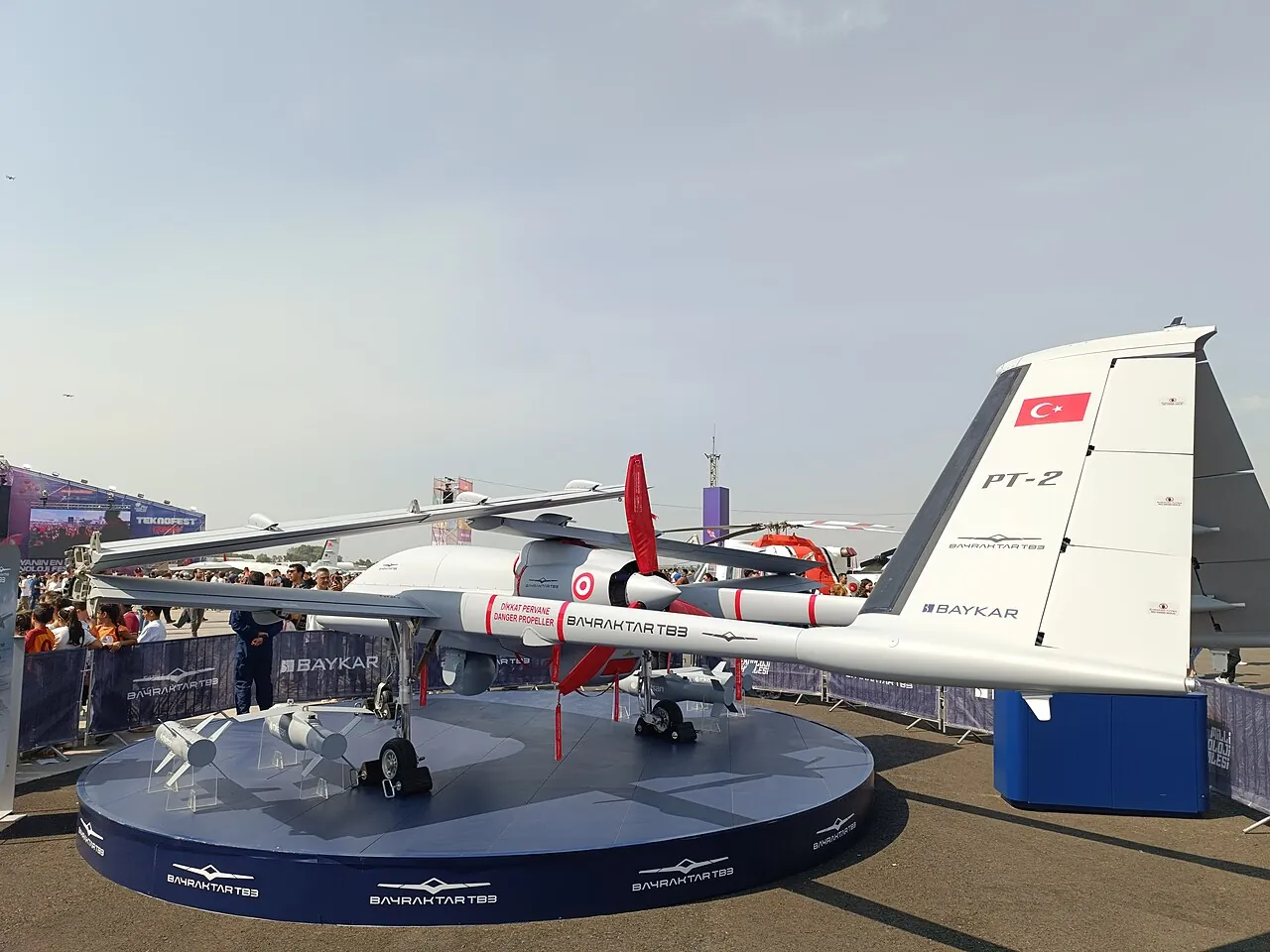
Naval power is not limited to surface ships. The Reis-class (Type 214TN) submarines and the developing MİLDEN (National Submarine) feed underwater capability; the TCG Anadolu amphibious ship feeds overseas power projection. Unmanned systems such as the Bayraktar Kızılelma and the ANKA-3 add a new dimension to this vision by turning TCG Anadolu into an ‘unmanned aircraft carrier’.
| Element | Explanation |
|---|---|
| Doctrine | Blue Homeland (maritime jurisdiction) |
| Scope | Black Sea, Aegean, Eastern Mediterranean |
| Area | ~462,000 km² |
| Legal basis | Continental shelf, EEZ, territorial waters |
| Surface power | MİLGEM, Istanbul class, TF-2000 |
| Underwater | Reis class, MİLDEN |
| Power projection | TCG Anadolu + Kızılelma/ANKA-3 |
| Seabed | Pipeline and cable security |
Why Is Naval Power Strategic?
Naval power is the unseen but critical support of a country’s economy and security. The overwhelming majority of world trade is carried by sea; energy resources and undersea infrastructure (pipelines, cables) run along the seas. A country’s ability to protect these areas depends on a strong navy and a clear naval doctrine.
The Blue Homeland meets exactly this need: a strategic framework to protect Türkiye’s maritime jurisdiction areas, resources and trade routes. This framework guides both diplomatic arguments and military investments; it covers a wide area from the protection of seabed infrastructure to energy exploration and drilling activities.
What the Blue Homeland Means for Türkiye
The Blue Homeland is the name of Türkiye’s claim to transform from a ‘land power’ into a ‘naval power’ too. For Türkiye, with a long coastline and coasts on three seas, being able to protect its maritime jurisdiction areas is a strategic necessity. By placing this necessity in a clear framework, the doctrine guides both diplomacy and the defense industry.
The most concrete reflection of the doctrine is Türkiye’s indigenous naval power drive. The surface ships stretching from MİLGEM to TF-2000, the Reis-class and MİLDEN submarines, the TCG Anadolu amphibious ship and the Kızılelma/ANKA-3 unmanned systems are all tools to defend the Blue Homeland. That these platforms are largely indigenous gives Türkiye the ability to build naval power without external dependence.
The Blue Homeland is also a tool of export and influence. Türkiye exports indigenous naval platforms (MİLGEM/Ada corvettes) to countries such as Pakistan, Ukraine and Malaysia; it uses naval power both to protect its own jurisdiction areas and to build regional influence. The doctrine is the umbrella of Türkiye’s long-term vision at sea; the indigenous industry is the foundation that makes this vision possible.
Frequently Asked Questions
What is the Blue Homeland?
How large is its area?
Who introduced the concept?
Which tools defend the Blue Homeland?
Conclusion
The Blue Homeland is the strategic doctrine that protects Türkiye’s maritime jurisdiction areas, resources and trade routes; the umbrella of the country’s claim to be a naval power. What puts this doctrine into practice is the indigenous naval power drive stretching from MİLGEM to TF-2000, from submarines to the Kızılelma. Together, the Blue Homeland and the indigenous naval industry are making Türkiye a stronger and more independent actor at sea.