Trump Says US Will ‘Certainly’ Consider Reversing Turkey’s F-35 Ban

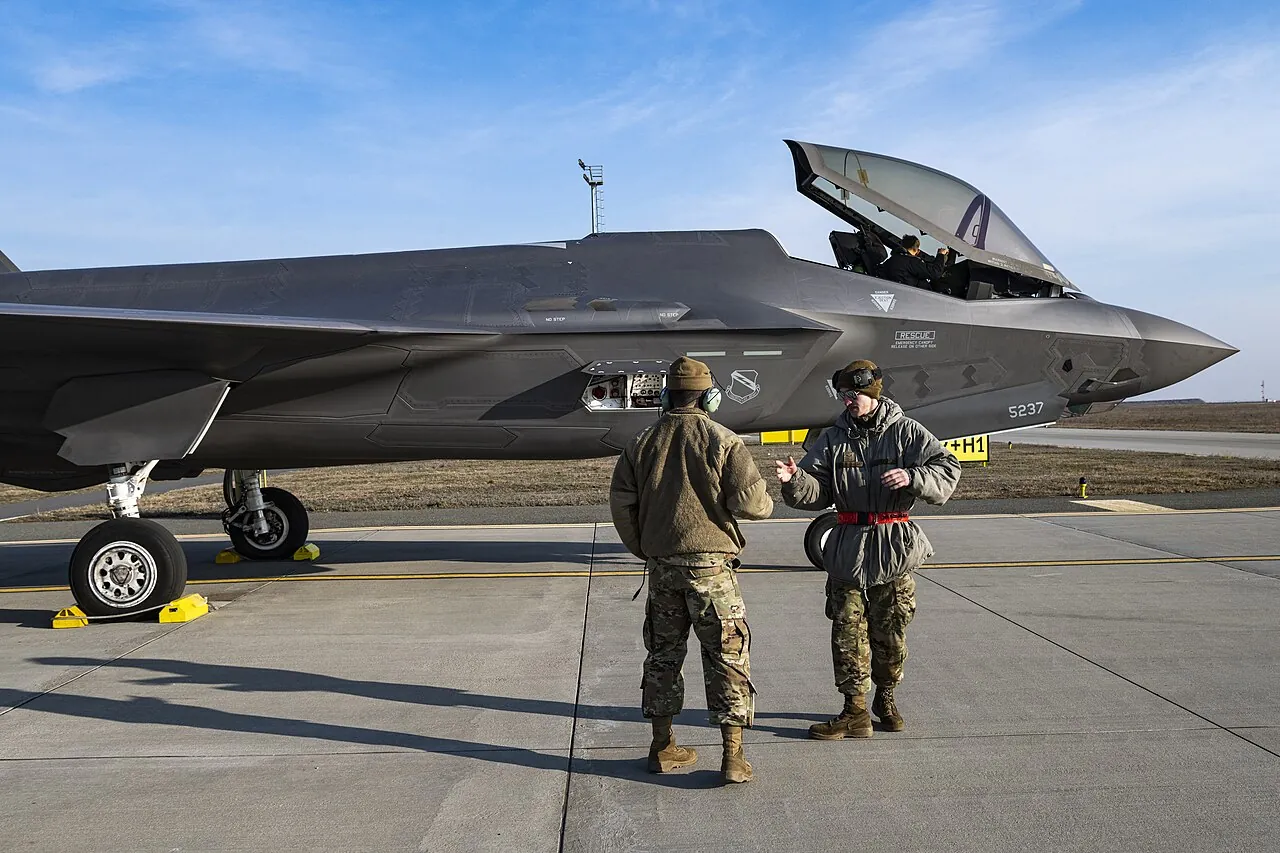
US President Donald Trump said at the Beştepe Presidential Complex in Ankara on 7 July 2026, standing alongside Turkish President Recep Tayyip Erdoğan, that reinstating Turkey in the F-35 programme was something Washington would ‘certainly’ consider. The remarks came on the sidelines of the NATO summit hosted in Ankara.
Trump added that the State, Defense and Treasury departments were working on lifting sanctions on Turkey, saying ‘we don’t want to sanction our friends, it’s very simple’ — language suggesting the issue has moved from a purely technical question to an active political decision.
Erdoğan said the F-35 issue was already under discussion with Washington and noted that Turkey had previously secured commitments for five aircraft. Turkey was removed from the F-35 programme in 2019 after purchasing the Russian S-400 air defence system, and jets already built for Turkey were withheld.
| Who | Donald Trump (US President) – Recep Tayyip Erdoğan (Turkish President) |
| What | Signal to review the F-35 sales ban on Turkey |
| Where | Ankara, NATO summit (Beştepe) |
| When | 7 July 2026 |
| Legal barrier | 2020 NDAA — bars F-35 transfer while Turkey retains the S-400 |
| Opposition | Republican and Democratic lawmakers, Israel |
Background of the F-35 Ban
Turkey was removed from the US F-35 co-production and procurement programme in 2019 after deciding to purchase the Russian S-400 air defence system. Turkish industry’s production shares in the programme were cancelled, and aircraft built for the Turkish Air Force were never delivered.
The legal basis for the ban is a provision of the 2020 National Defense Authorization Act (NDAA), which prohibits F-35 transfers to Turkey as long as it retains the S-400. Additional sanctions under CAATSA (Countering America’s Adversaries Through Sanctions Act) also remain in place against Turkey.
What Was Discussed at the Summit
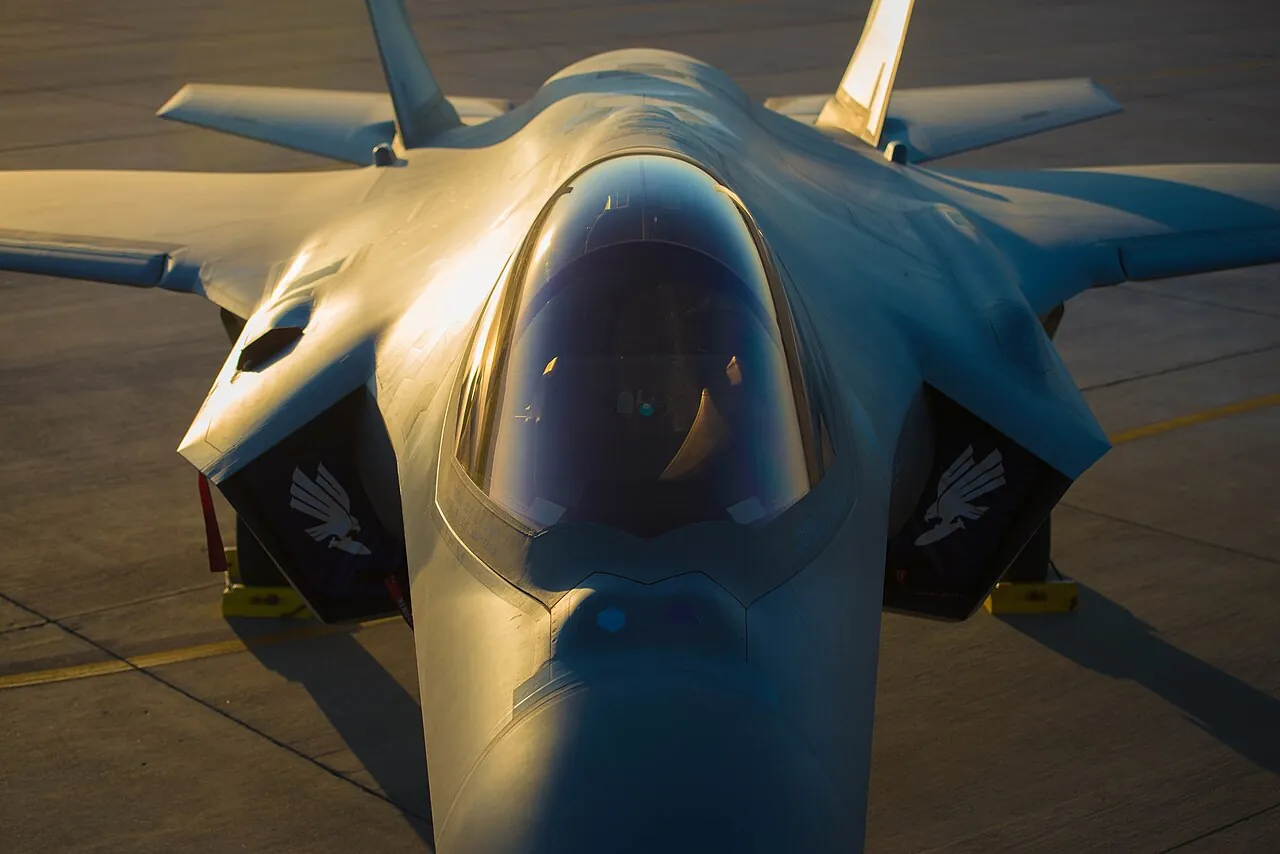
Trump’s comments followed a bilateral meeting held on the margins of the NATO summit in Ankara. The signal from the White House indicates the file carries diplomatic and economic dimensions alongside the military one; Trump confirmed the sanctions-relief effort was under way at three separate cabinet departments, indicating the matter is now in an institutional review phase.
Erdoğan’s reference to prior commitments for five aircraft points to F-35As that Turkey had already paid into before being expelled from the programme — jets that were built but never delivered and remain in US custody.
Congressional and Israeli Positions
In Washington, both Republican and Democratic lawmakers remain wary of reopening F-35 sales to Turkey, citing the continued presence of the S-400 in Turkey’s inventory as a risk to the technical security of NATO’s most advanced fifth-generation fighter. Israel is also among the parties opposing the move, citing concerns over the regional balance of air power.
Still, the Trump administration’s explicit public framing suggests the file is being revisited at least at the technical level. The final outcome is expected to hinge on the status of the S-400 system, congressional posture, and how allied objections are managed.
Why It Matters for Turkey
The reopening of the F-35 file should be read as a window of opportunity for Turkey rather than a threat. Since its 2019 expulsion, Turkey has accelerated its indigenous fighter programme KAAN, pursuing a roadmap that reduces dependence on foreign fifth-generation platforms. A potential F-35 return would not mean abandoning KAAN — if anything, it strengthens the case for a complementary mixed-fleet scenario in which both platforms operate side by side.
Turkey’s indigenous air-defence layer, developed in the wake of its S-400 purchase, does not change this picture either. The HİSAR family (low-to-medium altitude), jointly produced by ASELSAN and ROKETSAN, and the long-range SİPER system demonstrate that Turkey has matured a national air-defence architecture as an alternative to the S-400. That gives Ankara leverage to bring the S-400 to any negotiation not as an irreplaceable system but as one element among national alternatives already coming online.
A possible F-35 plus KAAN mixed fleet would directly affect the air-power balance on NATO’s eastern-southern flank. The Turkish Air Force would become one of the rare alliance members both benefiting from a shared fifth-generation platform and fielding its own indigenous fifth-generation fighter — a combination that strengthens, rather than undermines, Turkey’s independent defence-industrial capacity.
Frequently Asked Questions
What exactly did Trump say?
That an F-35 sale to Turkey was something Washington would ‘certainly’ consider, and that the State, Defense and Treasury departments were working on lifting sanctions.
What is the legal basis for the F-35 ban?
The 2020 National Defense Authorization Act (NDAA) bars F-35 transfers to Turkey as long as it retains the S-400 system.
How many jets had Turkey already paid for?
According to Erdoğan, Turkey had secured commitments for five aircraft before being removed from the programme.
Who opposes the move?
Both Republican and Democratic members of Congress, as well as Israel.
Does this affect the KAAN programme?
No; Turkey’s indigenous fighter programme KAAN continues, and a possible F-35 return would reinforce a mixed-fleet scenario rather than replace it.
Bottom Line
Trump’s remarks in Ankara put the long-frozen F-35 file back on the White House’s active agenda. While the final decision still hinges on Congress and the status of the S-400, the indigenous capability Turkey has built through KAAN and its national air-defence systems strengthens Ankara’s hand regardless of how the file ultimately moves.
Sources
- Army Recognition — verification, names and dates
- Breaking Defense — primary report, direct quotes
- The Jerusalem Post — Israeli perspective