Ulchi Freedom Shield Ends Early, and Seoul Found Out With Everyone Else
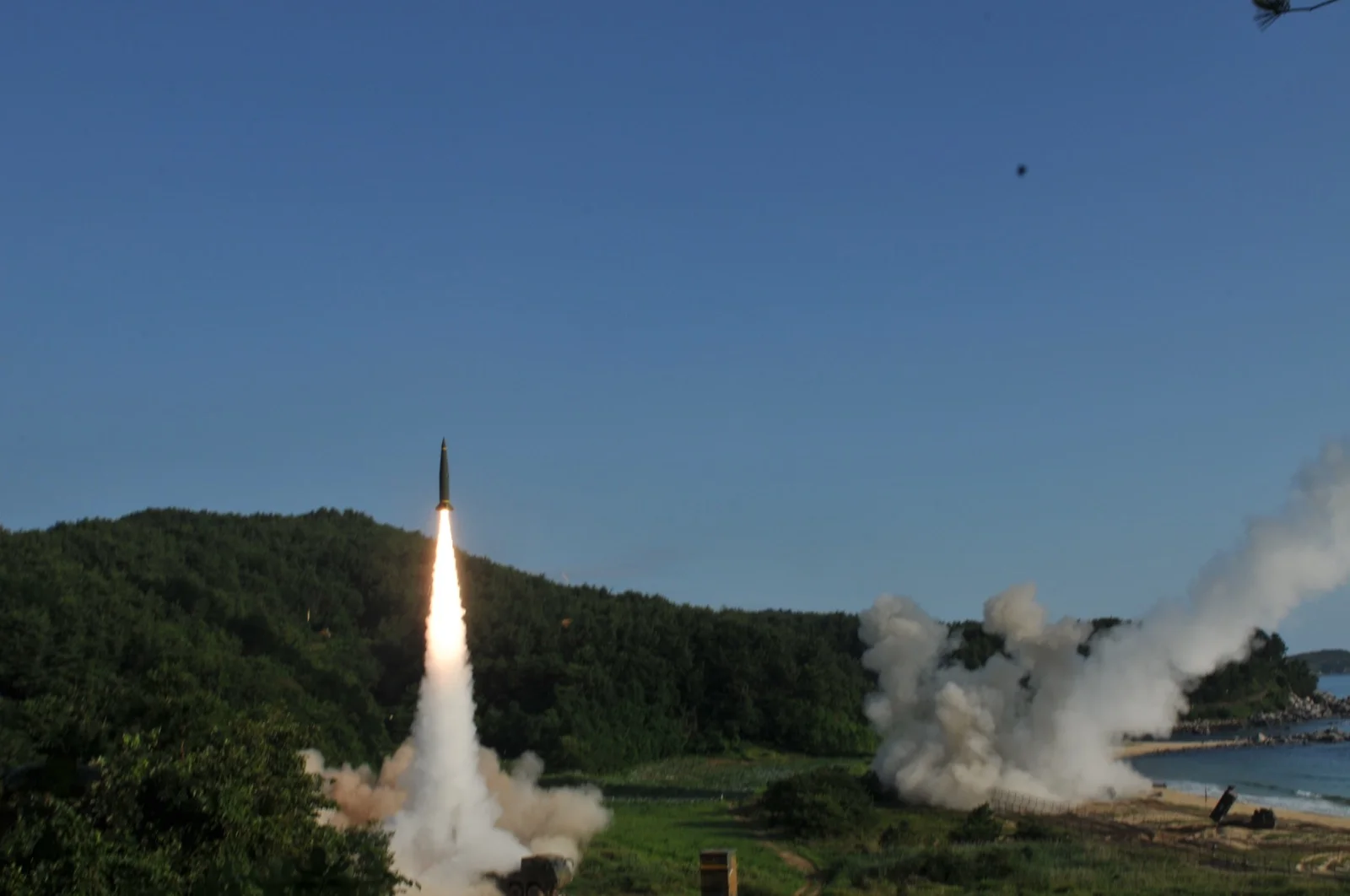
Ulchi Freedom Shield, the annual command post exercise run jointly by the United States and South Korea, will end on Friday 21 August rather than 27 August as planned. The exercise began on Monday 17 August.
The change followed a directive from US President Donald Trump to substantially reduce the exercise — an instruction that arrived hours before the drills were due to begin.
What was cut
Ulchi Freedom Shield is largely computer-simulated. It runs in two phases: defensive operations first, counteroffensive operations second. Ending on Friday closes the exercise at the end of phase one. The counteroffensive phase drops off this year’s calendar entirely.
Some associated field training events were cancelled outright and others converted to simulation. A Pentagon official confirmed the adjustments and framed them as preserving essential readiness and training objectives, saying there would be no degradation to US training objectives.
The South Korean military said the allies had agreed to adjust the duration and scale of the exercise and to downsize some joint field training. Neither side published a full accounting of which events were dropped.
The notification problem
In Seoul the substance mattered less than the sequence. Foreign Minister Cho Hyun said neither the South Korean government nor officials inside the US administration had prior knowledge of what Trump announced on social media. Defence Minister Ahn Gyu-back described the same sequence.
Trump called the drills costly and said they send a signal that is totally inappropriate and hostile toward North Korea, citing his relationship with Kim Jong Un. He also linked his displeasure to Seoul’s position on Iran.
Pyongyang was unimpressed by the gesture. Kim Yo Jong said the provocative and aggressive nature of the drills would not change even though their duration and size had been reduced.
Not the first time
Scaling back exercises on the peninsula for political reasons has precedent. After the 2018 Singapore summit, Ulchi Freedom Guardian — then among the largest allied exercises — was suspended, and several large drills were subsequently broken into smaller, less visible formats. The Ulchi Freedom Shield name is itself a product of that restructuring.
The argument then was the argument now: whether exercises function usefully as diplomatic currency, and whether pausing them imposes a measurable cost on readiness. Military officials have periodically noted that extended gaps in field training erode combined skills at unit level in ways that command post work does not fully replace.
What distinguishes this year is timing and coordination rather than scale. The exercise was shortened, not cancelled, and only its second phase was removed — a narrower change than 2018. But it was announced without allied coordination and on the eve of execution.
Why allies elsewhere are watching
Exercise calendars are planned months ahead through institutional channels precisely because predictability is part of what an alliance provides. Rewriting one hours before it starts, without notice to the partner hosting it, converts a routine event into a signal about how decisions get made.
That signal is not confined to the peninsula. European members of NATO have spent recent years assessing the continuity of American commitments with more attention than they once did. For Turkey and other allies, episodes like this reinforce a familiar conclusion: capability you own outright is capability that is not subject to another capital’s scheduling decisions. Investment in national defence industry and in autonomous decision-making is, in that framing, insurance against exactly this class of surprise.
Roughly 28,500 US troops remain stationed in South Korea. Whether the counteroffensive phase returns to the calendar next year, and whether this year’s compression becomes a standing arrangement, are the questions that will determine how much this episode ultimately mattered.
Sources
- US Department of Defense official statement, 19 August 2026
- Republic of Korea Joint Chiefs of Staff and Ministry of National Defense statements
- Remarks by Foreign Minister Cho Hyun and Defence Minister Ahn Gyu-back
- Kim Yo Jong statement via KCNA, 18 August 2026
- CNN, Military.com and UPI reporting, 18-19 August 2026
- Image: file photo from a US-South Korea joint precision fire exercise (representative; not from Ulchi Freedom Shield 2026).