Ukraine’s Group 13 Hits Two S-400 Launchers in Crimea with Sea-Launched FPVs

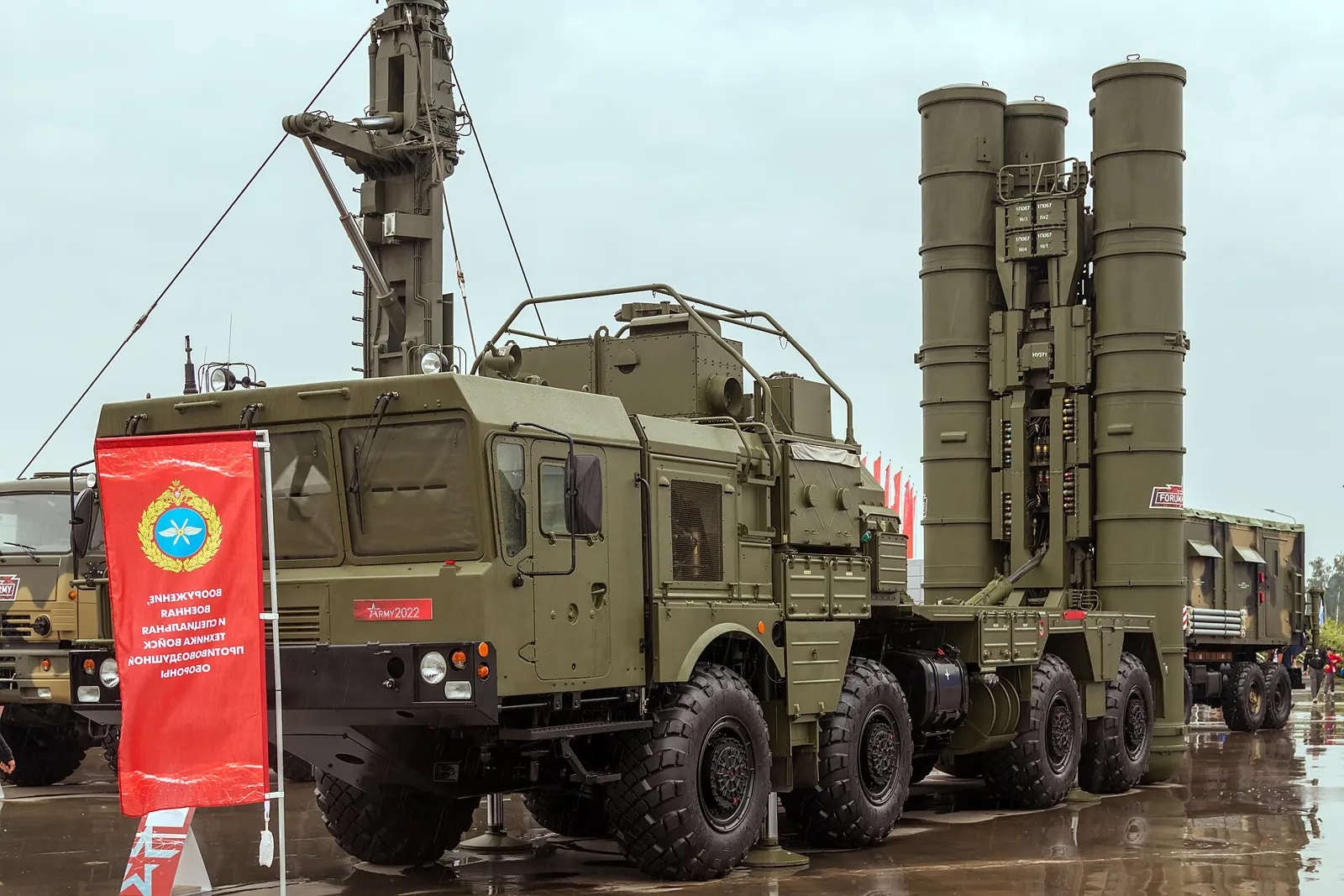
The GUR-subordinated Group 13 unit struck two S-400 Triumf launchers and an Orion UAV control antenna in occupied Crimea, using FPV drones launched from Magura multipurpose naval platforms.
At a Glance
- Group 13 struck 2 S-400 Triumf launchers and 1 Orion UAV control antenna in Crimea
- FPV drones were launched from Magura multipurpose naval platforms at sea
- GUR confirmed the operation and released video; the strike took place in early August
- GUR assesses losses potentially in the tens of millions of dollars; no independent verification
- The S-400 is among Russia’s most advanced long-range air defense systems
- The sea-based FPV mothership concept keeps eroding Crimea’s air defense network from the coast
What happened
Group 13, a unit subordinated to Ukraine’s military intelligence agency GUR, struck two S-400 Triumf launchers and an Orion unmanned aerial vehicle control antenna in occupied Crimea. According to Defense Express on August 10, 2026, the strike took place in early August; GUR confirmed the operation and published video of it.
The method relied on Magura multipurpose naval platforms carrying FPV drones — a ‘mothership’ concept in which uncrewed surface vessels approach the coast and release FPV drones against targets ashore. GUR’s damage assessment puts potential losses in the tens of millions of dollars. Those figures rest on GUR’s own statement and have not been independently verified.
Why these targets matter
The S-400 Triumf ranks among Russia’s most advanced long-range air defense systems, and the batteries deployed on the peninsula anchor Russian control of the airspace over Crimea and the northern Black Sea. Every launcher lost opens a costly gap in the layered air defense architecture covering the region.
The Orion control antenna represents critical ground infrastructure for UAV command and control. Without such antennas, mission management for Orion-class aircraft is degraded. Pairing the launchers with the antenna in a single strike suggests the operation targeted both Russia’s air defense and its unmanned reconnaissance capability in the area.
The mothership concept and its wider audience
Magura naval drones previously struck Russian ships and helicopters in the Black Sea. Converting the platform into an FPV carrier extends the sea-based strike concept from naval targets to objects on land, and the attrition campaign waged from offshore is making Crimea’s air defense network increasingly difficult to protect against small, cheap threats arriving from the sea.
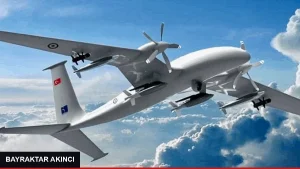
The concept has a growing family of practitioners. Turkey, among others, is developing kamikaze uncrewed surface vessels such as TUFAN and working on integrating naval platforms with aerial drones. For navies and system developers worldwide, the Black Sea has become the live testing ground where the sea-launched FPV template is being written in real operations.
Why It Matters
The strike is another step in the systematic erosion of Russia’s air defense network in Crimea from the seaward direction. That high-value systems like the S-400 can be hit by comparatively cheap FPV drones delivered by uncrewed vessels deepens the cost asymmetry in the attacker’s favor — even without confirmation of GUR’s tens-of-millions estimate, the unit value of the targeted systems makes the imbalance plain.
The FPV mothership concept also broadens what uncrewed surface vessels are for, moving them from anti-ship strike toward coastal land targets. That evolution carries lessons for any military that positions air defenses near a coastline, and for the growing number of countries building their own kamikaze USV programs.
Frequently Asked Questions
What did Group 13 strike in Crimea?
Two S-400 Triumf launchers and one Orion UAV control antenna. The strike occurred in early August; GUR confirmed the operation and released video.
How was the attack carried out?
FPV drones were carried to the area by Magura multipurpose naval platforms and launched from the sea — the so-called mothership concept.
Has the damage been independently verified?
No. GUR assesses potential losses in the tens of millions of dollars, but the damage assessment and figures rest on GUR’s statement and have not been independently confirmed.
Sources
- Defense Express — Targets struck, method and GUR damage assessment; August 10, 2026