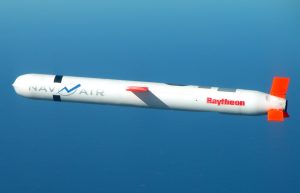
Ukraine and Raytheon jointly produce Patriot missile: consumption rate at the front exceeds Western capacity

- Who: Ukraine + Raytheon (delegation led by Vice President Joseph DeAntona)
- What: Licensed joint assembly of the interceptor missile PAC-2 GEM-T
- When: Announced on July 23, 2026; launch will take at least a year
- Authorization: Trump approved production at the NATO Summit in Ankara on July 8, 2026
- Why: Ukraine consumes 60-70 regular missiles per month and 150-180 during intensive attacks
Consumption Rate Changes the Supply Equation
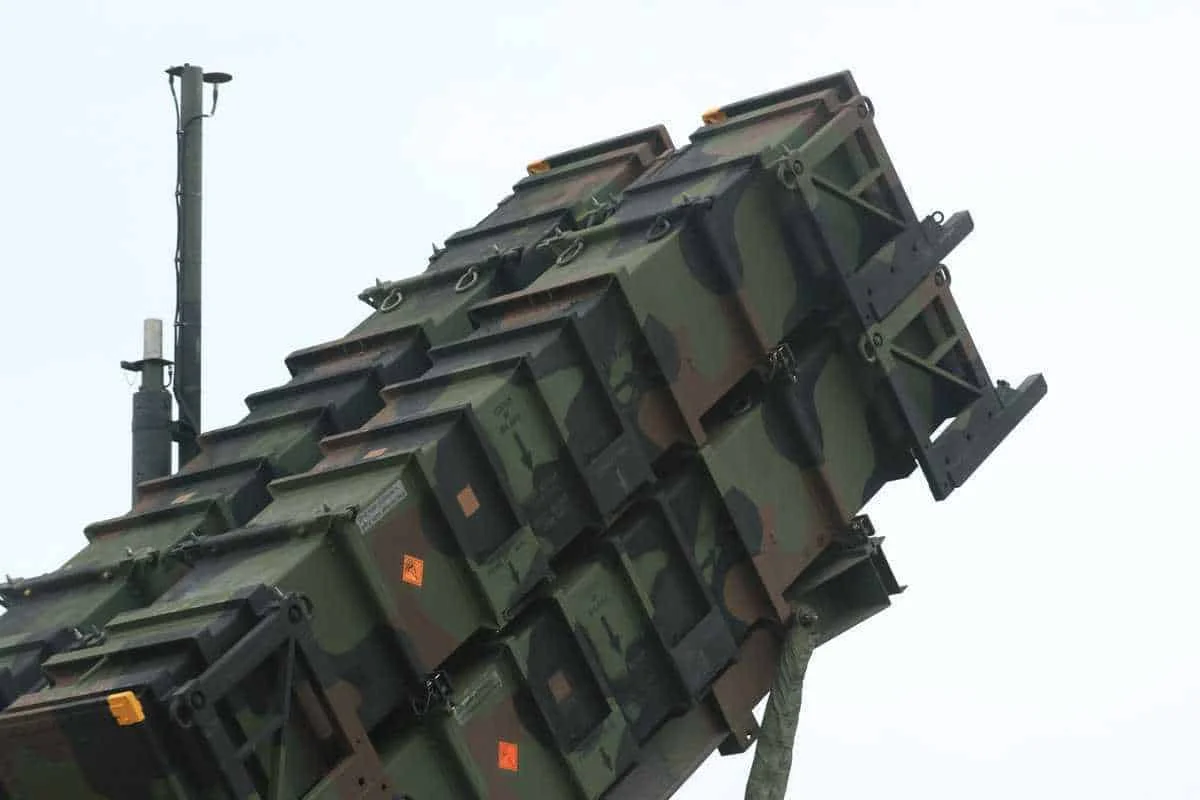
The framework announced by Zelensky includes licensed assembly within Ukraine of the PAC-2 GEM-T missile — the larger fragmentary warhead member of the Patriot family — while urgent needs are met through existing European infrastructure such as the COMLOG facility in Germany. The logic is a strict calculation: Ukraine is depleting interceptor missiles at an unprecedented rate to stop Russian Iskander-M and Kh-47M2 Kinzhal ballistic missiles.
The numbers frame the crisis: 60-70 missiles in a normal month, rising to 150-180 during waves of intensive strikes. Annually, this means 720-840 missiles just to keep up with consumption, and 1800-2160 at peak times. For comparison, Lockheed Martin produced about 620 PAC-3 MSE missiles in 2025 — production that also serves the U.S. Army reserves, training, and requests from allies.
Who makes it and where?
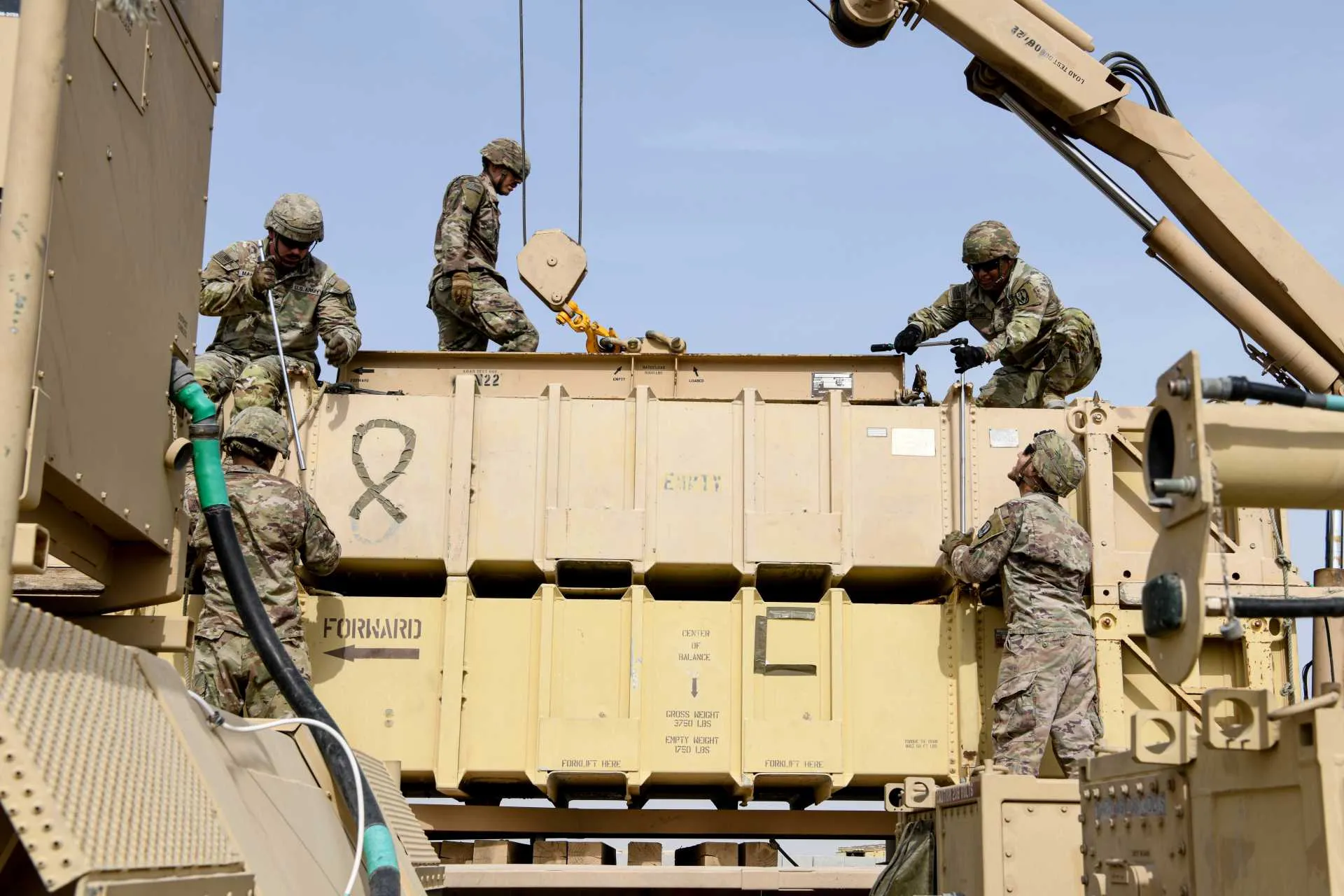
Crucial details remain open: no annual production target, no confirmed factory location, and no confirmed model. The most mature option is the GEM-T line in COMLOG in the German city of Schropenhausen, expected to be operational by early 2027. The second path is a triad arrangement involving the U.S., Poland, and Ukraine. In a distributed model, seekers and guidance electronics come from the United States, rocket motors from established suppliers, structural work from Ukraine and Poland, and final assembly in Germany or Poland.
Washington opened the door at the NATO summit in Ankara on July 8, 2026, when Trump stated that the United States would allow Ukrainian manufacturing of Patriot. However, introducing an interceptor missile into service means building a supply chain that extends from rocket motors and seekers to warheads and dozens of specialized suppliers — hence a timeline that exceeds a year.
Patriot Missile Models — Technical Comparison
| PAC-2 GEM-T | Large body, fragmentation warhead; manufactured by Raytheon; for aircraft, cruise missiles, and short-range threats |
| PAC-3 MSE | Small body, direct hit; manufactured by Lockheed Martin; for high-speed ballistic threats |
| Ordinary consumption for Ukraine | 60-70 missiles per month |
| Consumption in intensive attacks | 150-180 missiles per month |
| Targeted Western capacity | About 2000 missiles annually (~167 monthly) — distributed among all clients |
| Primary threat | Iskander-M missiles and Kh-47M2 Kinzhal ballistic missiles |
Why is the production of interceptor missiles an industrial marathon?
The Patriot has been the backbone of U.S. and allied air defense since the 1980s, but its deterrent value depends more on the number of missiles remaining in stock than on radars and launchers. Ukraine has shown NATO as a whole the rapid depletion of this stock in a high-intensity war, shifting joint production to a search for supply depth for the entire alliance, not just Kyiv.
The lesson resonates with countries building multi-layered air and missile defense with local production. Turkey’s infrastructure based on SIper long-range and HİSAR medium/low altitude and Steel Dome rests on the same principle: make your missile and maintain your stock depth — and the battlefield in Ukraine starkly embodies the cost of dependency.
Sources
- Army Recognition — “Ukraine and Raytheon agree on joint production of Patriot” (July 23, 2026)
- Statement from the President of Ukraine (July 23, 2026)
- Statements from Raytheon / RTX