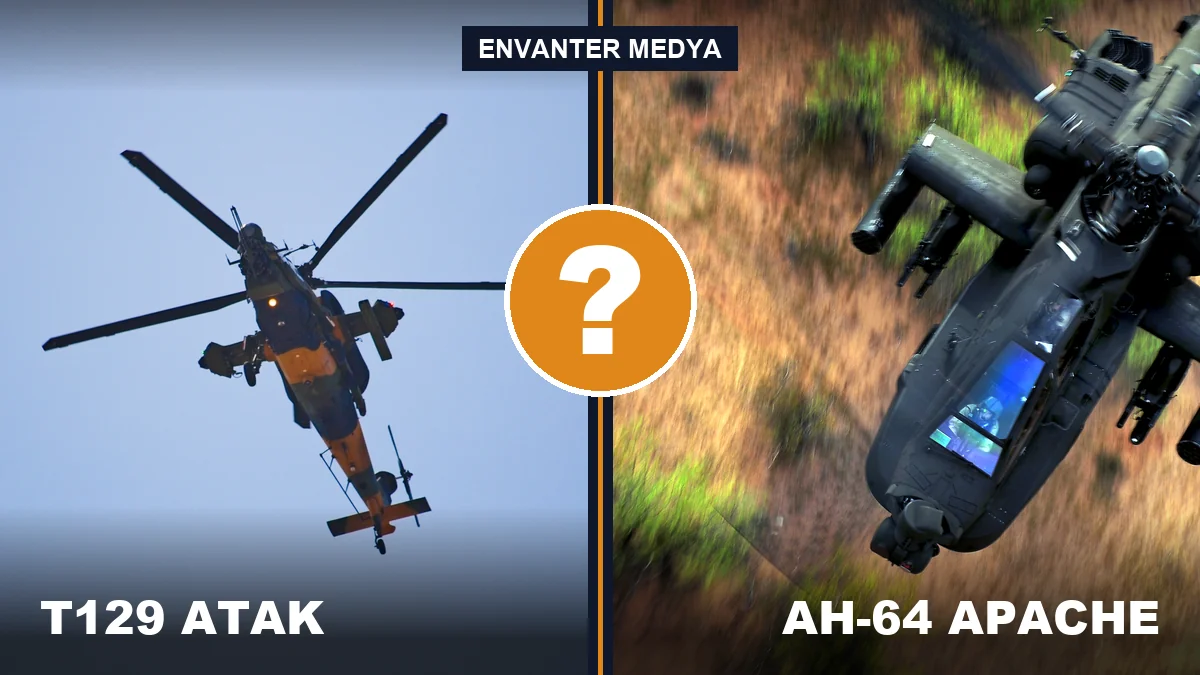
ATAK or Apache? Which Is the Best Attack Helicopter for Hot, High-Altitude Climates?
Summary Not Found.
Desert heat, high altitude and thin air test a helicopter’s engine power, cooling and payload. This is our gallery of the attack helicopters best suited to hot, high-altitude operations — led by Türkiye’s T129 ATAK, designed for exactly these conditions. Scores reflect hot-climate and high-altitude operational fitness.
Each system is scored 0-10 across 8 criteria; the weighted total is out of 100.
Criterion
Weight
What It Measures
Operational Success
%18
Mission performance and operational reliability
Combat Experience
%16
Proven record in real conflicts
Technology Level
%16
Level of sensor, weapon and protection technology
Export Success
%12
International sales and contract volume
Operator Count
%10
Number of active operator nations
Upgrade Potential
%10
Availability of upgrade and modernization paths
Production Status
%10
Whether serial production continues
Cost-Effectiveness
%8
Unit price and life-cycle cost
Ranking Table
Rank
System
Origin
Score
#1
T129 ATAK
Türkiye
86.2/100
#2
AH-64E Apache Guardian
United States
85.8/100
#3
Mi-35M
Russia
73.0/100
#4
AH-1Z Viper
United States
71.4/100
#5
Ka-52 Alligator
Russia
69.4/100
#6
Z-10ME
China
66.4/100
#7
T929 ATAK-2
Türkiye
62.4/100
#8
Eurocopter Tiger
France/Germany
62.0/100
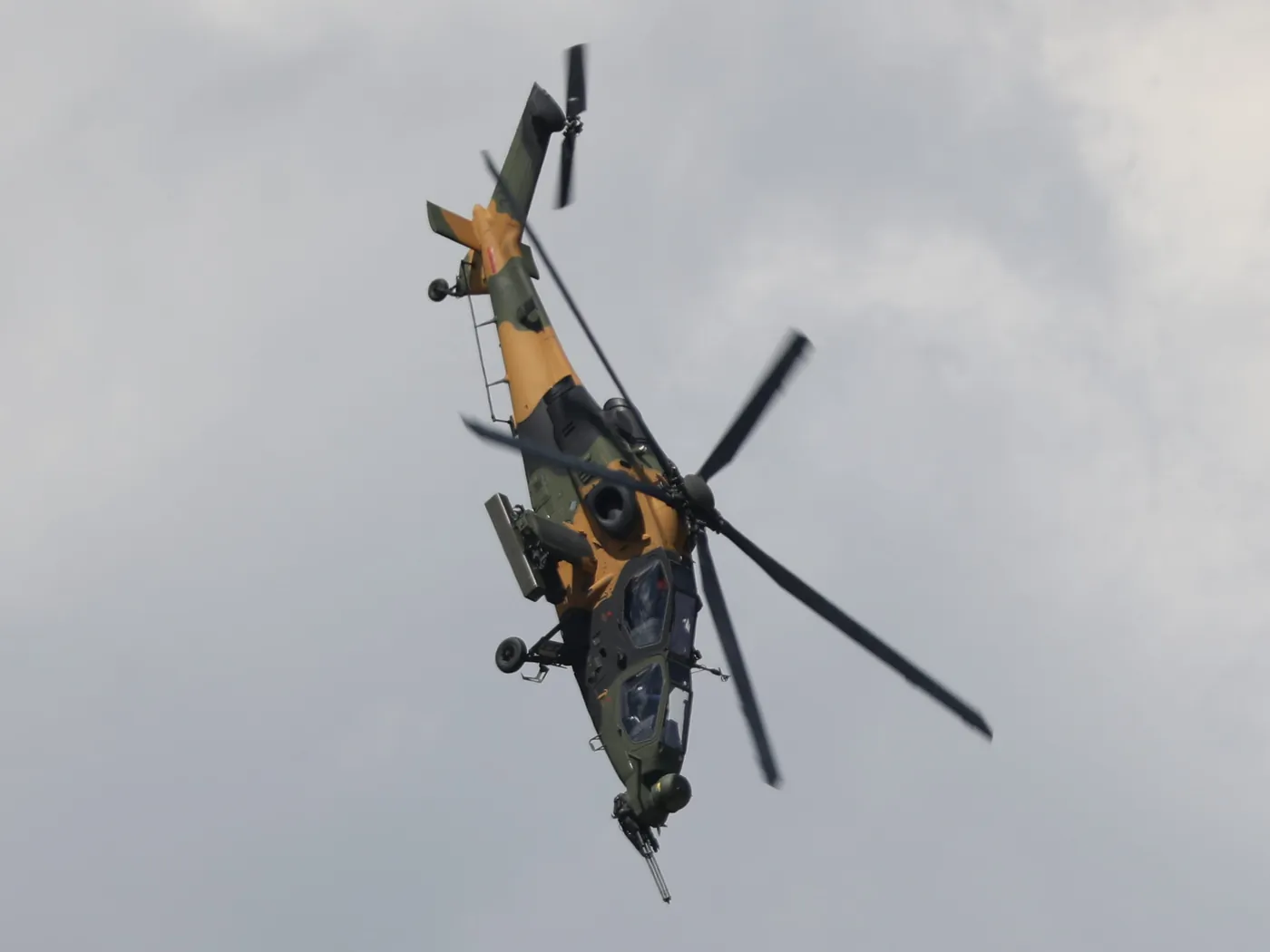
#1 — T129 ATAK (Türkiye) · 86.2/100
T129 ATAK — CC BY-SA 4.0
Score Breakdown — 86.2/100
Operational Success10/10
Combat Experience8/10
Technology Level8/10
Export Success8/10
Operator Count8/10
Upgrade Potential9/10
Production Status8/10
Cost-Effectiveness10/10
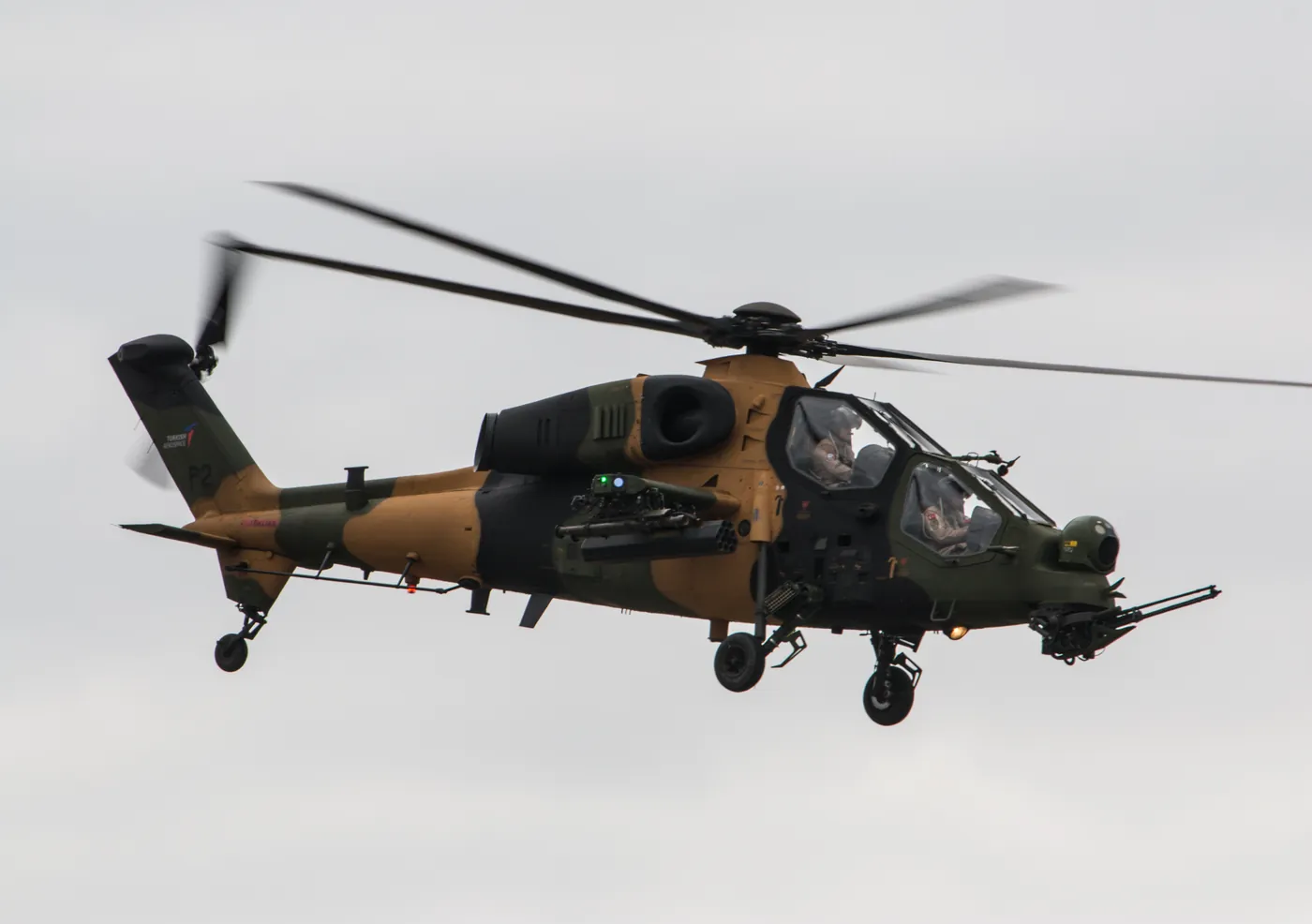
The star of hot-and-high operations. Re-engineered from the A129 Mangusta for Türkiye’s hot, high-altitude mountains, the T129 ATAK keeps a strong power margin in thin, hot air thanks to its potent twin engines — sustaining performance where heavier rivals shed payload.
It has been proven across diverse hot environments, from southeastern Türkiye and the mountains of Azerbaijan to the scorching plains of Pakistan and the tropical humidity of the Philippines, pairing precision with the indigenous ROKETSAN UMTAS and Cirit munitions.
With low operating costs and a sovereign support chain, it is one of the most sensible attack solutions for hot-climate forces on a budget.
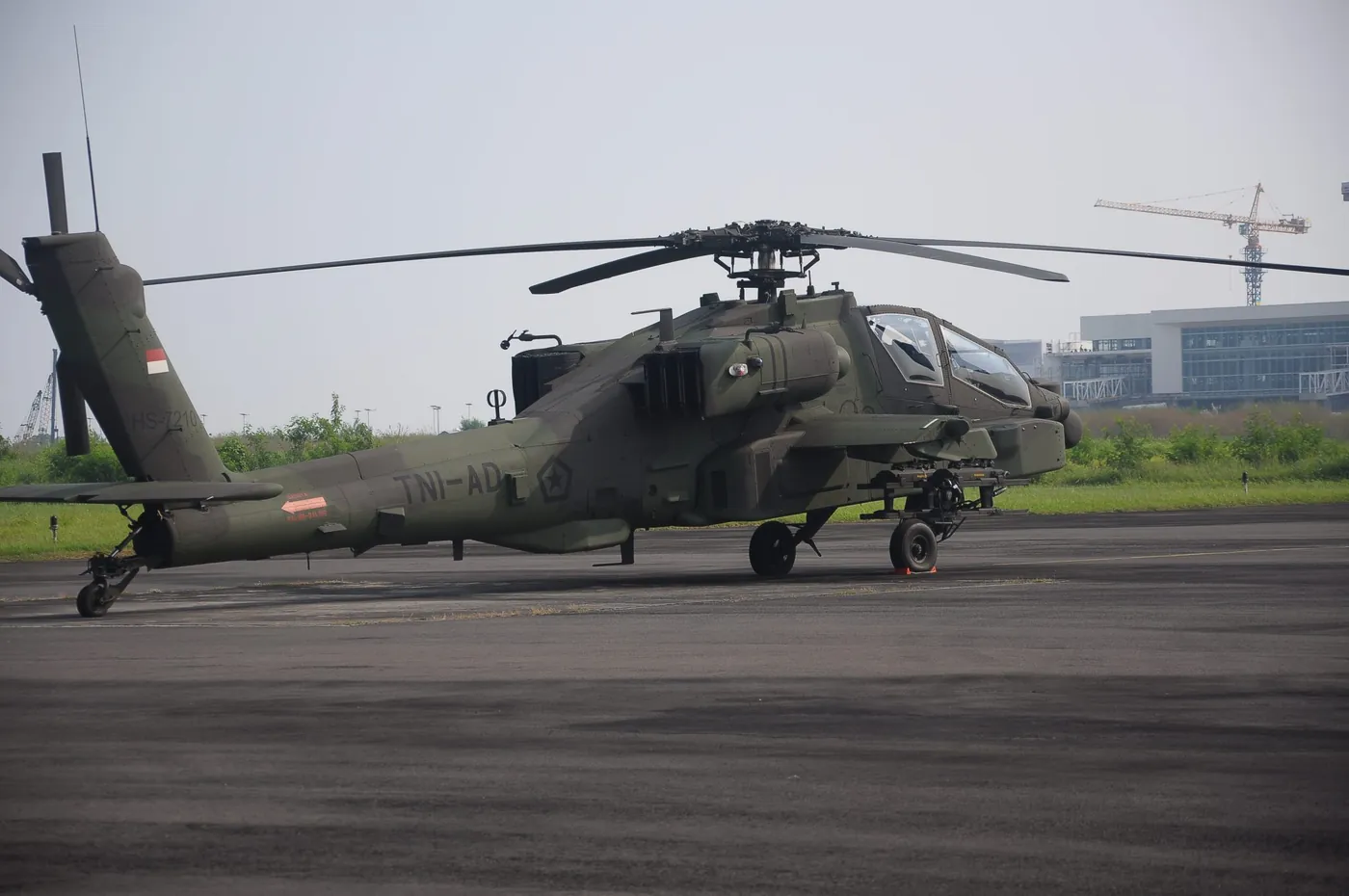
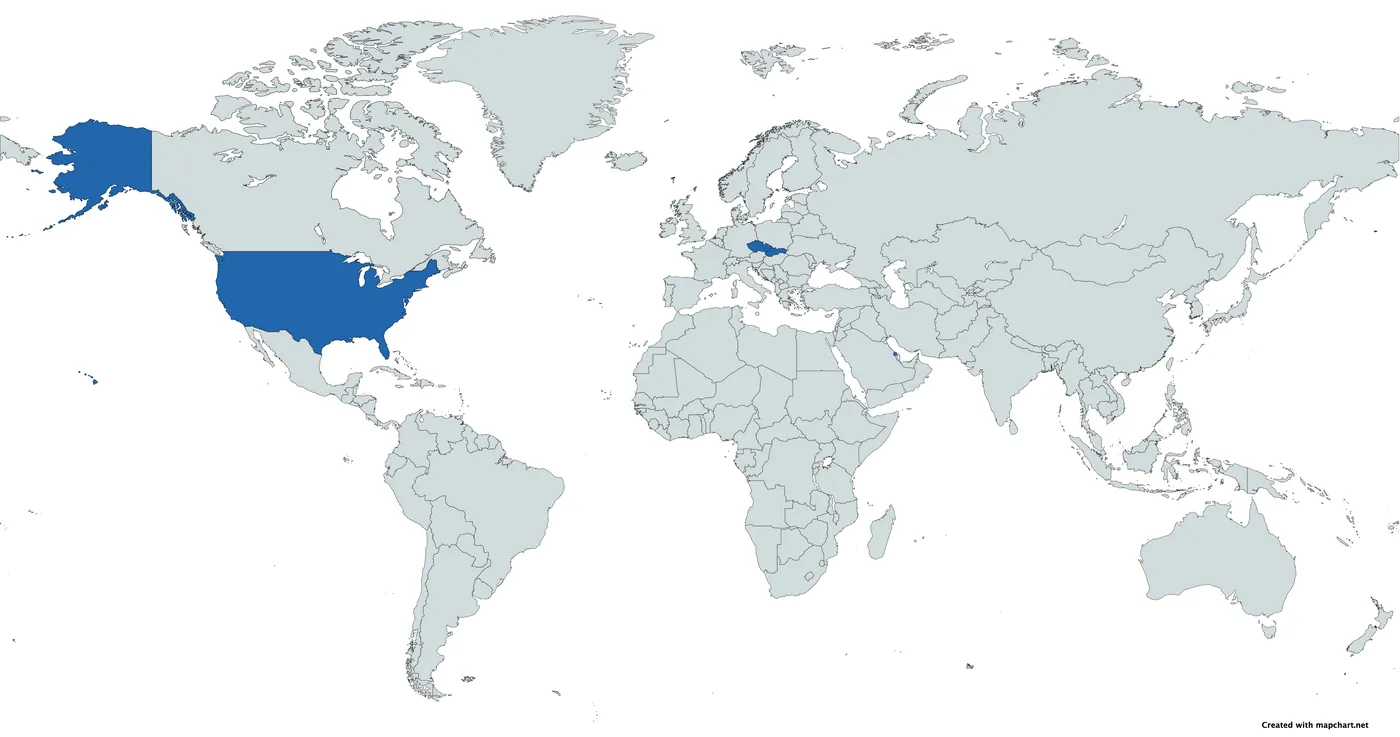
The global benchmark for desert combat: proven in Iraq, Afghanistan and Yemen, the AH-64E endures hot environments with sand filters and uprated engines.
Its Longbow radar and heavy weapons load lead on raw capability, but its heavy airframe narrows payload margins in hot-and-high conditions and operating costs are high.
Key Specifications
Engine
2× GE T700-GE-701D
Max Speed
293 km/h
Origin
United States
#3 — Mi-35M (Russia) · 73.0/100
Score Breakdown — 73.0/100
Operational Success7/10
Combat Experience8/10
Technology Level6/10
Export Success8/10
Operator Count8/10
Upgrade Potential6/10
Production Status8/10
Cost-Effectiveness8/10
The rugged workhorse of hot, dusty climates: widespread across Africa and the Middle East, the Mi-35M is reliable in rough terrain and high heat, offering both gunship and eight-troop transport capability.
It lacks the sensor finesse of modern rivals but is favored in harsh hot regions for its low maintenance and durability.
Key Specifications
Engine
2× Klimov VK-2500
Max Speed
310 km/h
Origin
Russia
#4 — AH-1Z Viper (United States) · 71.4/100
AH-1Z Viper — CC BY-SA 4.0
Score Breakdown — 71.4/100
Operational Success8/10
Combat Experience7/10
Technology Level8/10
Export Success6/10
Operator Count5/10
Upgrade Potential8/10
Production Status8/10
Cost-Effectiveness6/10
The specialist of maritime and hot, salty environments: the AH-1Z’s corrosion-resistant design and twin engines make it strong in hot littoral and shipboard operations, with Gulf users such as Bahrain.
Being lighter than the Apache helps its hot-and-high performance, and its AIM-9 air-to-air capability stands out.
Key Specifications
Engine
2× GE T700-401C
Max Speed
300 km/h
Origin
United States
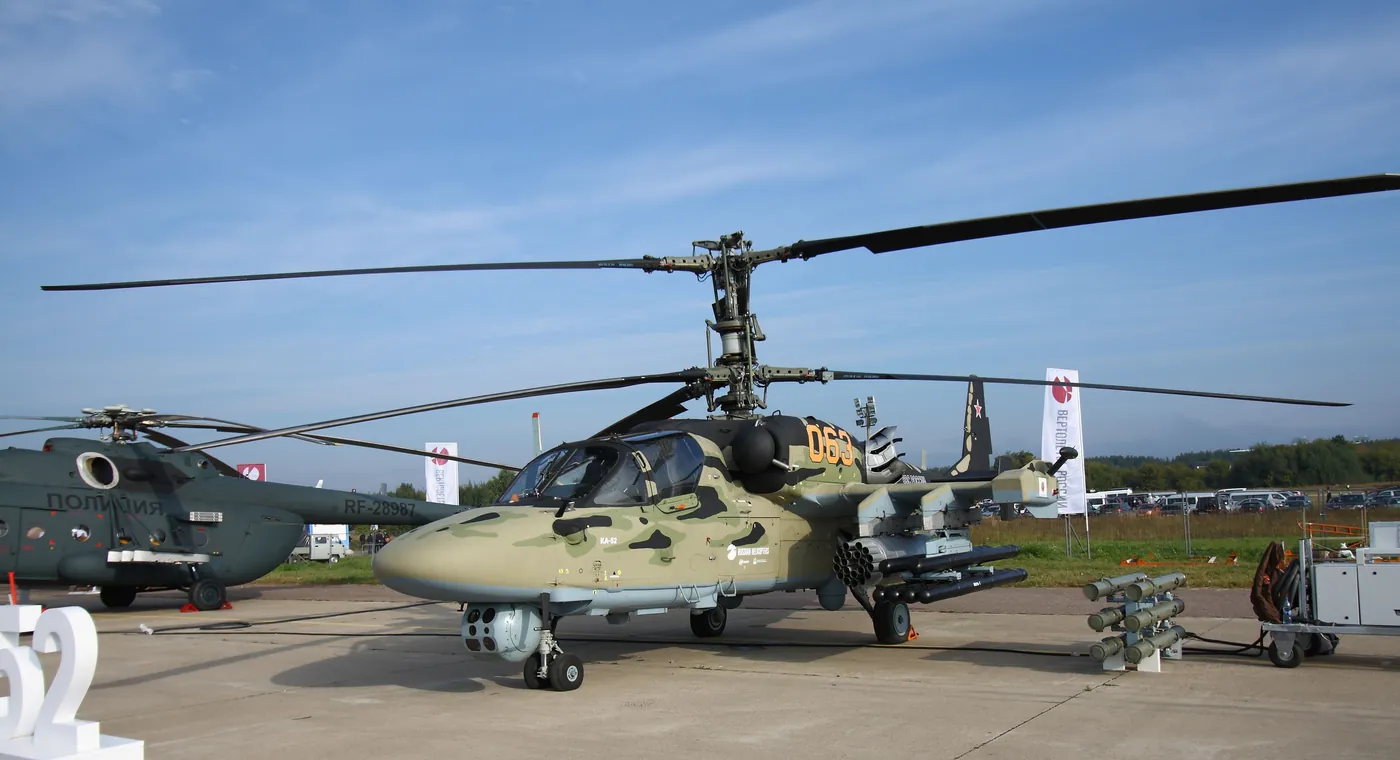
#5 — Ka-52 Alligator (Russia) · 69.4/100
Ka-52 Alligator — Public domain
Score Breakdown — 69.4/100
Operational Success7/10
Combat Experience7/10
Technology Level8/10
Export Success6/10
Operator Count5/10
Upgrade Potential8/10
Production Status7/10
Cost-Effectiveness7/10
Its coaxial rotor architecture eliminates tail-rotor loss risk in hot, high-altitude air and grants superior agility; the Ka-52 is a nimble attack platform in harsh climates.
It carries a strong weapons package but has a narrow export base and suffered losses in Ukraine.
Key Specifications
Engine
2× Klimov VK-2500
Max Speed
300 km/h
Origin
Russia
#6 — Z-10ME (China) · 66.4/100
Z-10ME — CC0
Score Breakdown — 66.4/100
Operational Success7/10
Combat Experience5/10
Technology Level7/10
Export Success6/10
Operator Count5/10
Upgrade Potential8/10
Production Status8/10
Cost-Effectiveness8/10
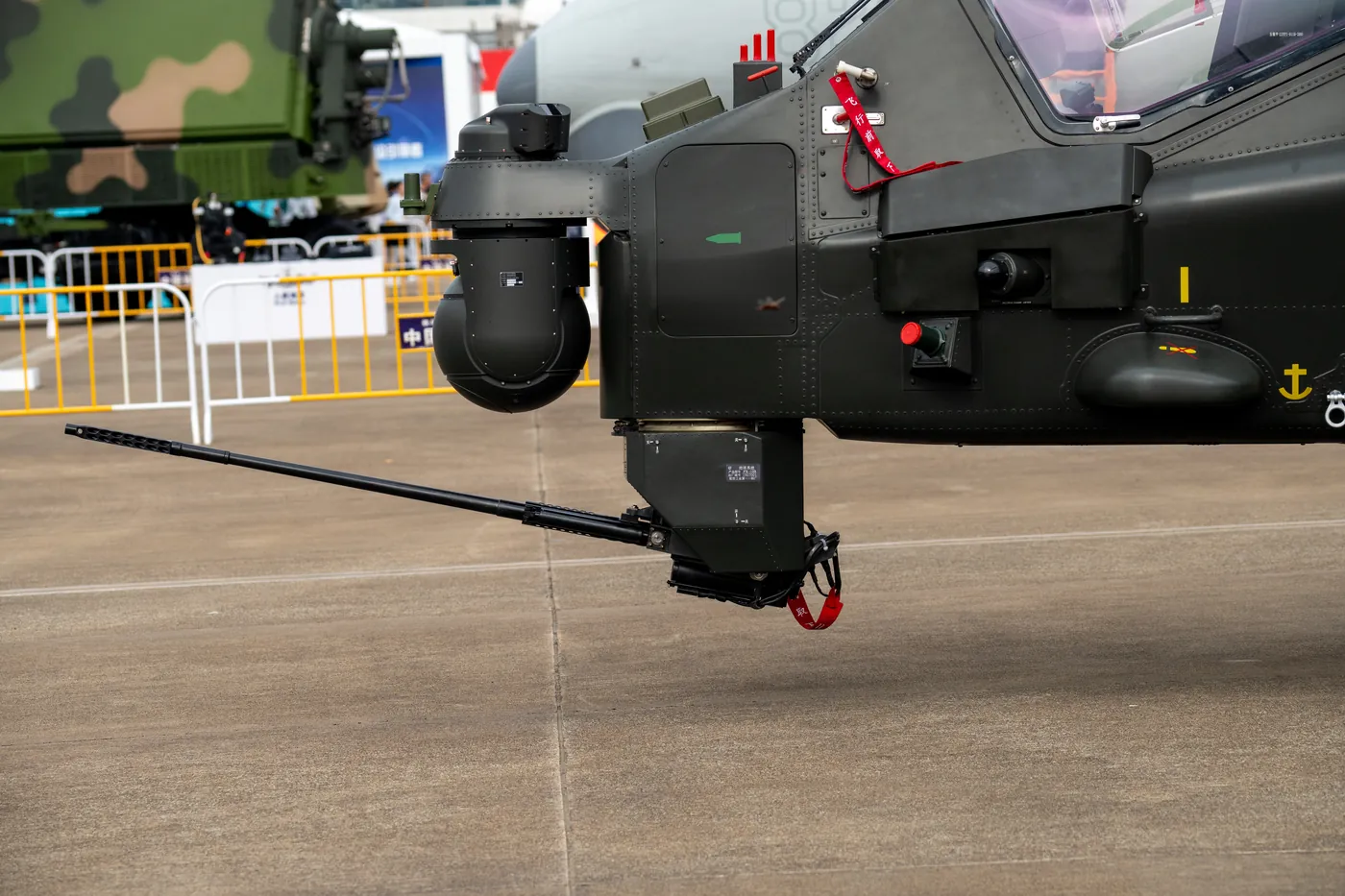
The export Z-10ME, with an uprated engine and added protection, was offered for Pakistan’s hot climate; its affordability appeals to developing nations.
It trails Western rivals in combat record and transparent data.
Key Specifications
Engine
2× WZ-9
Max Speed
270 km/h
Origin
China
#7 — T929 ATAK-2 (Türkiye) · 62.4/100
T929 ATAK-2 — CC BY 2.0
Score Breakdown — 62.4/100
Operational Success7/10
Combat Experience3/10
Technology Level9/10
Export Success5/10
Operator Count3/10
Upgrade Potential10/10
Production Status6/10
Cost-Effectiveness7/10
Türkiye’s new 10-tonne heavy attack helicopter, the T929 ATAK-2, targets hot-and-high capability in the heavy class, carrying the ATAK family into the Apache segment with indigenous engine and avionics.
Still new and unproven, but with high modernization potential.
Key Specifications
Engine
2× turboşaft
Max Speed
~300 km/h
Origin
Türkiye
#8 — Eurocopter Tiger (France/Germany) · 62.0/100
Eurocopter Tiger — Public domain
Score Breakdown — 62.0/100
Operational Success6/10
Combat Experience6/10
Technology Level8/10
Export Success5/10
Operator Count5/10
Upgrade Potential7/10
Production Status6/10
Cost-Effectiveness6/10
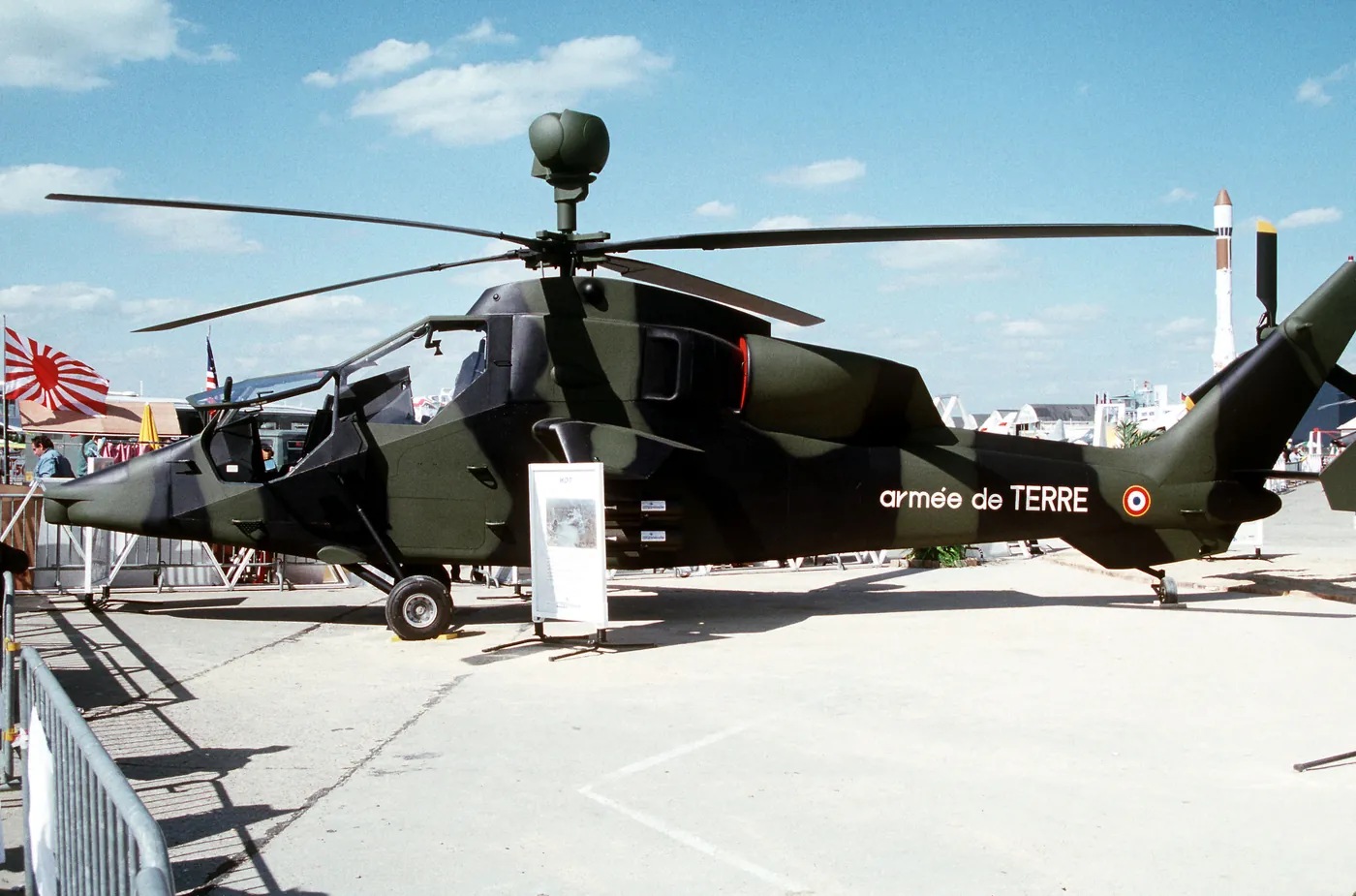
The advanced-avionics Tiger served in Afghanistan and Mali, but its engine power margin in hot-and-high conditions drew criticism and operating costs were high.
Despite modern sensors, its hot-climate performance lagged behind rivals.
In our gallery the T129 ATAK leads on hot-and-high operational fitness: re-engineered from the A129 for Türkiye’s hot mountains, its powerful twin engines keep a high power margin in thin hot air; the AH-64E Apache is a very close second as the global desert-combat benchmark.
Why is the ATAK good in hot-and-high conditions?
Its light airframe and powerful LHTEC twin engines preserve the payload margin that heavier rivals lose at high altitude and high temperature — it was designed for Türkiye’s hot, high-altitude mountains.
How does the Apache perform in the desert?
The AH-64E is the global benchmark for desert combat, durable with sand filters and uprated engines, though its heavy airframe narrows payload margins in hot-and-high conditions.
How was the gallery ranked?
Each helicopter was scored 0-10 across eight criteria (hot-climate operational success, combat, technology, exports, operators, modernization, production, cost) for a weighted total out of 100.
Which hot-climate nations operate the ATAK?
Türkiye, the Philippines and Nigeria, with a Pakistan contract signed — all hot or tropical climates.