GÖKBEY cockpit and avionics: glass cockpit, 4-axis autopilot, and ASELSAN systems


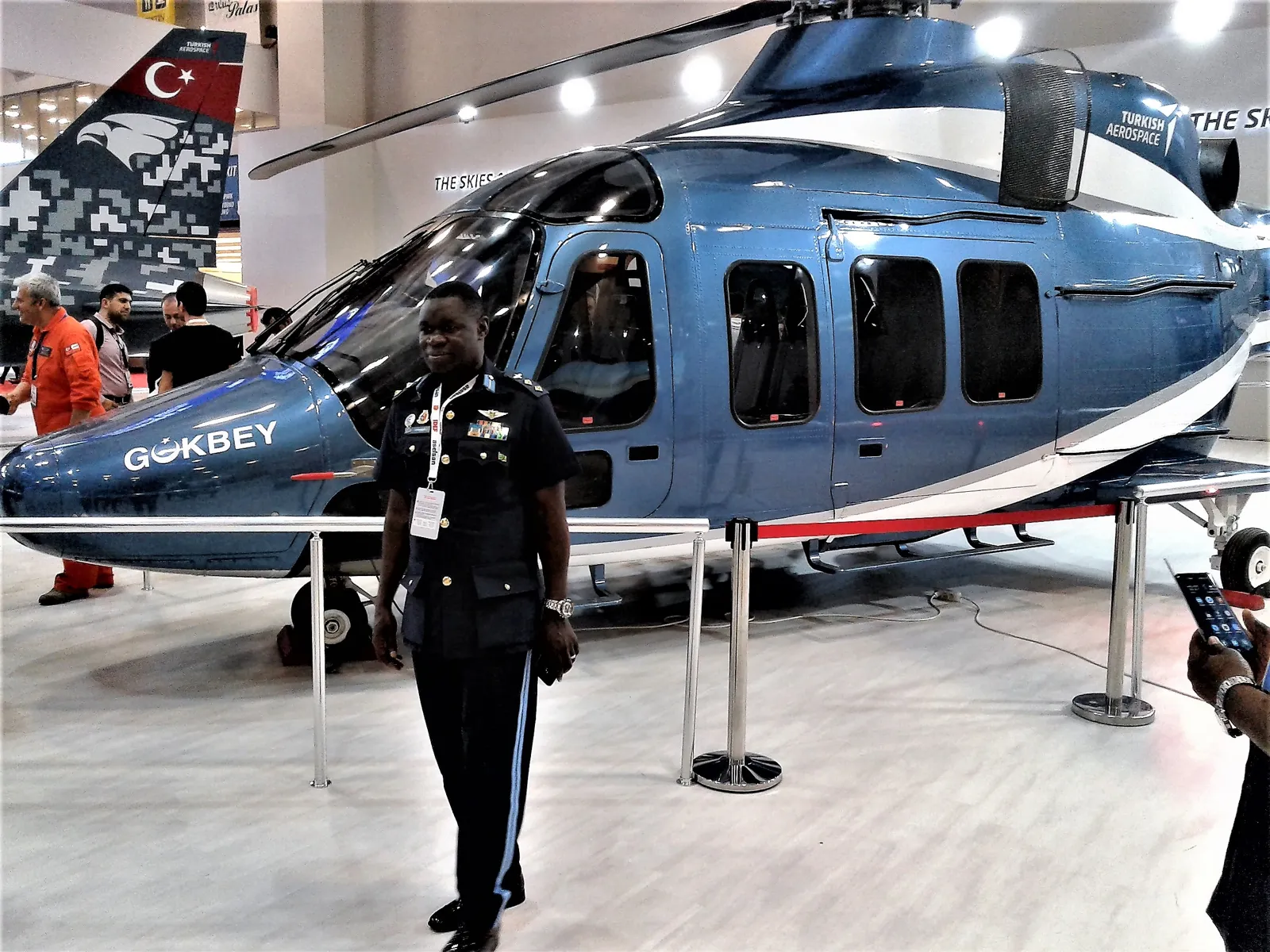
The most visibly modern aspect of the utility helicopter GÖKBEY (T625) is in the panel in front of its pilots. Analog gauges have given way to a glass cockpit that is entirely digital and a suite of national avionics built around ASELSAN. The architecture aims to reduce the workload in flight with one or two pilots and make mission data easily readable at a glance.
Glass cockpit: multifunction displays
Instead of mechanical needles, the GÖKBEY features large multifunction digital displays (MFD). Flight data, engine and system status, navigation maps, and mission information are presented in layers on these displays. The pilot can reconfigure the layout according to the phase of the mission, and critical alerts are highlighted by priority. This is the essence of the glass cockpit philosophy: fewer large displays are read faster than many small gauges.
4-axis digital autopilot
A standout element of the flight control is the 4-axis digital automatic flight control system (AFCS/autopilot). The four axes cover pitch, roll, yaw, and the collective (vertical) axis. This allows the helicopter to maintain a fixed altitude and speed, and modes such as automatic hover and automatic approach relieve the pilot’s workload. A digital autopilot is especially valuable in low visibility, at night, and over the sea.
ASELSAN avionics suite
The backbone of the GÖKBEY’s avionics is largely supplied by ASELSAN. The suite is a national set that encompasses integrated navigation, communications, identification, and mission systems. National avionics are important for both supply chain security and reducing dependence on third-party export permits.
Integrated Modular Avionics (IMA)
Modern helicopter avionics tend towards Integrated Modular Avionics (IMA) instead of a separate box for each function. Shared processing resources are utilized through software-defined modules. The result is less wiring, less weight, and simpler updates. The contribution of national software companies like HAVELSAN to the GÖKBEY’s software base supports this integrated architecture.
Pilot Workload and Mission Flexibility
The common goal of the glass cockpit, digital autopilot, and integrated alert management is to reduce the pilot’s workload. In transport, search and rescue, air or maritime ambulance missions, the crew can focus on managing the mission rather than flying. Being able to adapt the layout of the displays to the task also makes it easier to deploy the same platform in different variants.
The avionics configuration of the GÖKBEY may vary depending on the customer and the variant; the final mission systems are fixed by contract. Some mission systems have not yet been officially detailed one by one.
Frequently Asked Questions
Does the GÖKBEY have a glass cockpit? Yes. It uses multifunction digital displays (MFD) instead of analog gauges.
How many axes does the autopilot control? It uses a 4-axis digital flight control system (AFCS).
Who supplies the avionics? The avionics column is largely domestic, from ASELSAN.
What do the four axes mean? Automatic control of pitch, roll, yaw, and collective (vertical).
What is the purpose of the autopilot? It maintains altitude and speed and offers automatic hover and approach modes.
{“@context”:”https://schema.org”,”@type”:”Article”,”headline”:”GÖKBEY Cockpit and Avionics”,”inLanguage”:”en”,”datePublished”:”2026-07-24″,”author”:{“@type”:”Organization”,”name”:”Envanter Medya”},”publisher”:{“@type”:”Organization”,”name”:”Envanter Medya”}}