Finland Joins France’s Forward Nuclear Deterrence Initiative

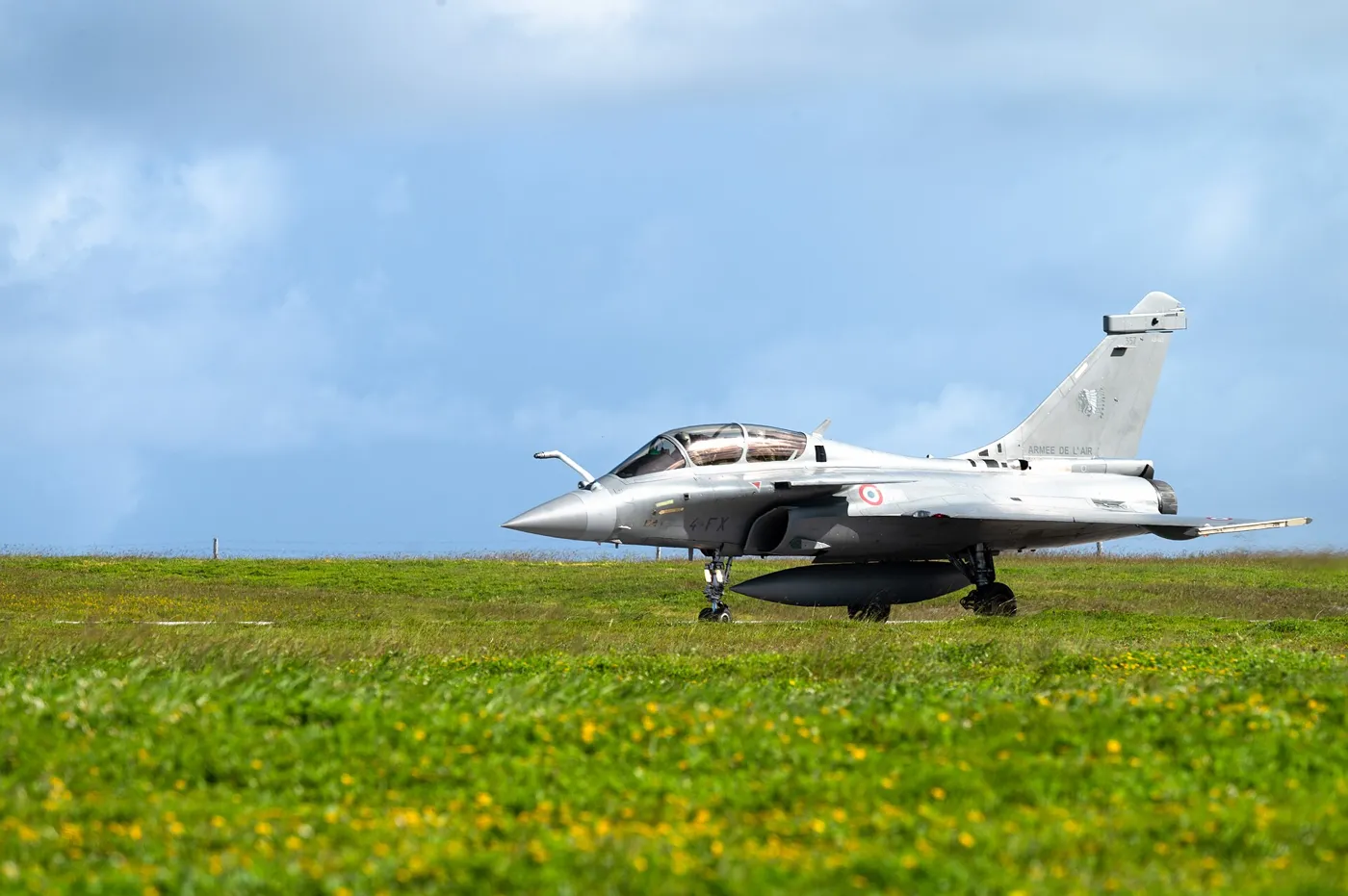
Finland, which shares a 1,300-kilometer border with Russia, has agreed to join France’s “Forward Nuclear Deterrence” initiative for European allies. The two countries announced in a joint statement on September 14, 2026 that they had agreed on a framework opening the door to the temporary peacetime deployment of French strategic air assets on Finnish soil.
At a Glance
- Finland becomes the 10th country to join France’s nuclear deterrence initiative.
- The bilateral arrangement is called “Forward Deterrence.”
- It is designed to complement, not replace, NATO’s nuclear umbrella.
- France retains full control over nuclear decision-making; Finland keeps its peacetime non-hosting policy.
- Cooperation opens the door to temporary deployments of French strategic aircraft, doctrine consultations, and joint exercises.
- A nuclear steering group will be established in the coming months to manage implementation.
Background
France unveiled its Forward Nuclear Deterrence Initiative in March 2026 under President Emmanuel Macron, responding to both President Donald Trump’s repeated questioning of America’s long-term security commitment to Europe and the broader anxiety generated by Russia’s war in Ukraine. Rather than lending out its own nuclear deterrent, Paris has framed the initiative as building a shared security umbrella with willing partners while keeping the launch button firmly in French hands.
Nine countries had already joined before Finland: the United Kingdom, Germany, Poland, the Netherlands, Belgium, Greece, Sweden, Denmark, and Norway. Finland’s accession is notable because it is the first participant with a direct, extensive land border with Russia, pulling the initiative’s geographic center of gravity further north toward the Baltic and Nordic theater.
Helsinki was careful to stress that its long-standing refusal to host nuclear weapons on its territory in peacetime remains unchanged. What the agreement does provide is a legal and operational basis for French Rafale jets and other strategic air elements to deploy temporarily to Finnish bases during periods of crisis or heightened tension. The cooperation also includes regular consultations on French nuclear doctrine and joint exercises in which Finland can contribute conventional capabilities.
Regional Impact
Finland’s move is widely read as reinforcing NATO’s northern flank deterrence architecture. Having joined NATO in 2023 — a step that nearly doubled the alliance’s border with Russia — Finland’s new bilateral link with France now fits into a broader Nordic-Baltic pattern of layered, multi-source deterrence. Analysts note the initiative’s real value lies less in any immediate weapons deployment than in building political trust on nuclear matters among European capitals that increasingly hedge against reduced US commitment. The trend also illustrates a wider shift in how NATO members are diversifying deterrence arrangements beyond a purely US-centric model — a dynamic that regional security debates involving other alliance members, including Türkiye, are likely to watch closely.
Short FAQ
Will Finland acquire nuclear weapons? No. Finland will not host nuclear weapons on its territory in peacetime; the agreement only enables temporary deployment of French air assets during crises.
Does this replace NATO’s nuclear umbrella? No, both sides have explicitly described it as a complementary bilateral arrangement, not a substitute for the alliance’s own deterrence structure.
When does the framework become operational? A nuclear steering group to be set up in the coming months will define the concrete implementation steps.
Sources
- Bloomberg, “Finland Will Join France’s Nuclear Deterrence Initiative,” September 14, 2026
- South China Morning Post, “Finland to join France’s forward nuclear deterrent”
- Aerotime, “Finland joins France’s nuclear deterrence initiative”