The F-35’s Heat Problem Gets a Test Result: Collins Aerospace Completes EPACS Altitude Trials

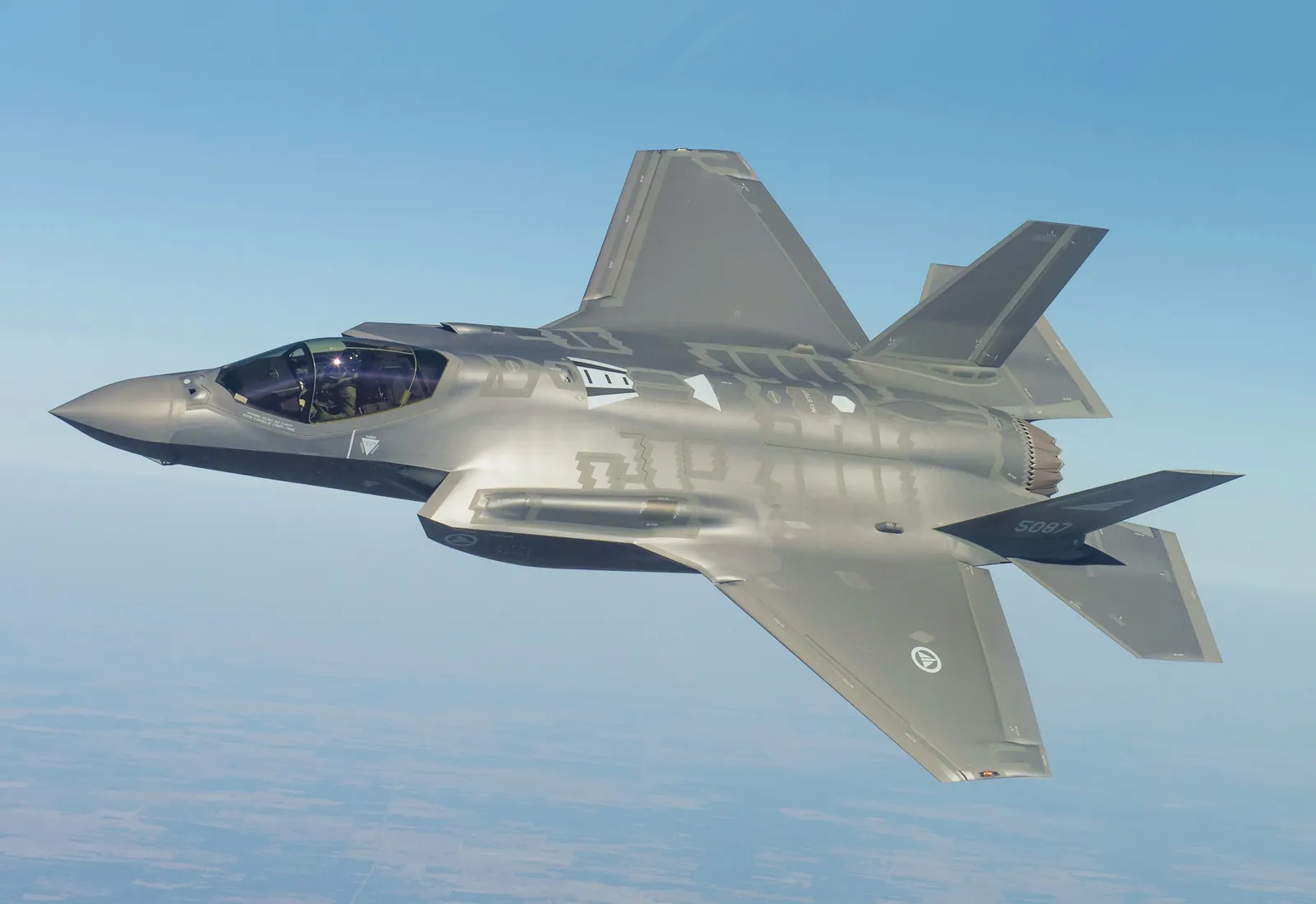
Collins Aerospace has completed altitude testing of EPACS, the next-generation power and thermal management system intended to give the F-35 additional cooling capacity for planned technology and mission systems upgrades.
The campaign ran for several days at power levels replicating operational mission requirements. EPACS was evaluated across multiple altitudes and driven to its operating limits, and the tests also demonstrated the system’s ability to supply emergency power in flight.
The constraint nobody puts on a spec sheet
F-35 debate usually circles radar cross-section, sensor fusion or unit cost. The factor actually limiting how much new capability the aircraft can absorb is thermal management. Radars, electronic warfare suites, fusion processors and datalinks all generate heat, and a low-observable airframe cannot simply dump that heat overboard. It goes into the fuel, which serves as a heat sink.
Every avionics upgrade demands more electrical power and more cooling; the fuel’s capacity to absorb heat does not grow to match. That ceiling has shadowed the Block 4 upgrade schedule for years, which is why airframe-side and engine-side fixes are being pursued in parallel.
What the testing showed
Collins Aerospace says EPACS will supply the thermal margin needed to support F-35 upgrades across the aircraft’s service life. Ira Grimmett, vice president of Environmental and Airframe Control Systems for Power and Controls, said successful altitude testing validated system performance in real-world flight conditions and advanced EPACS maturity.
Engineers collected performance data throughout, using the results to validate the performance models built for the system. Altitude testing is an early development and risk-reduction step for power and thermal management hardware. The milestone follows a 2025 announcement that EPACS had met aircraft integration requirements.
Two fixes, one problem
The airframe-side work runs alongside engine-side effort. Pratt & Whitney’s Engine Core Upgrade for the F135 is intended to free additional power and airflow that can be spent on thrust or cooling. The two are complementary: the engine produces the margin, the aircraft system distributes it to the avionics. Cost and schedule for that pairing remain among the most contested items in the F-35 programme.
Collins also positions the technology beyond the F-35, for future defence and commercial aircraft with higher power and cooling demands — a nod to sixth-generation fighters, directed energy weapons and high-power electronic warfare, all of which run into the same thermal wall.
With more than 20 nations flying or ordering the type, fleet-wide retrofits raise cost-sharing questions as much as engineering ones. Neither the next development phase nor a fielding timeline has been announced.