What Are BOZDOĞAN and GÖKDOĞAN? Türkiye’s Indigenous Air-to-Air Missiles (the Göktuğ Programme)

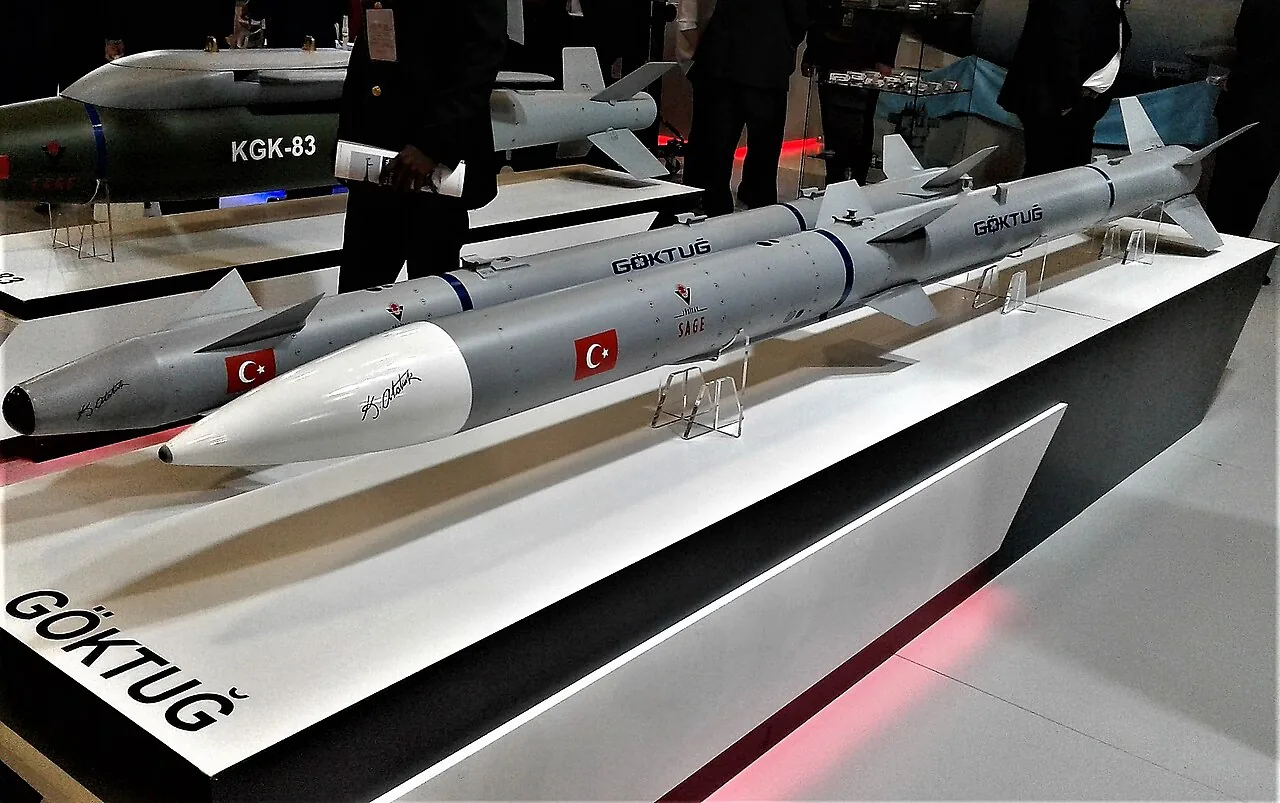
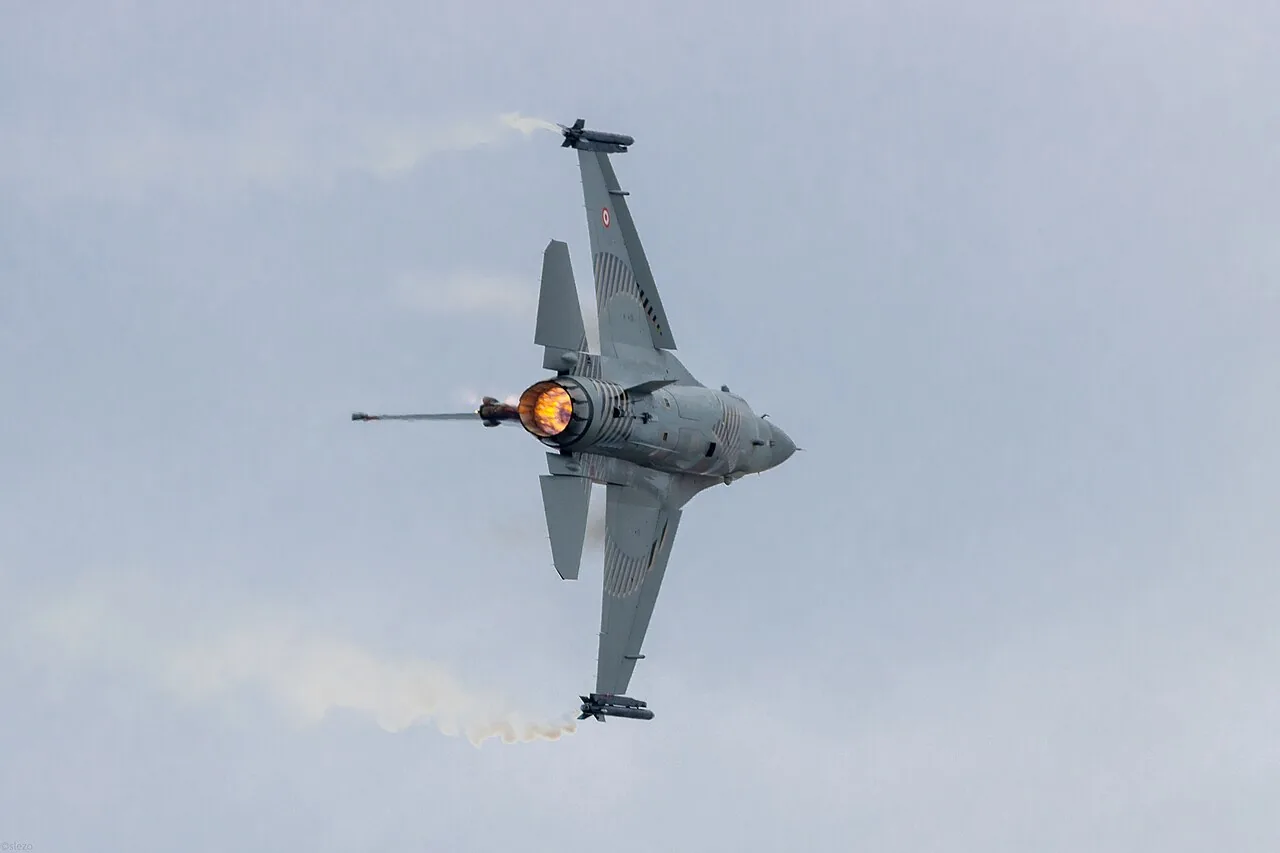
A fighter’s air superiority is only as strong as the air-to-air missiles it carries. For a Turkish Air Force that for years depended on U.S.-made AIM-9 Sidewinder and AIM-120 AMRAAM missiles, that meant both cost and dependence.
The Göktuğ programme was born to close exactly that gap. The two missiles developed by TÜBİTAK-SAGE — BOZDOĞAN and GÖKDOĞAN — give Türkiye the ability to produce its own air-to-air missiles. And these missiles will be among the primary weapons of the indigenous fighter KAAN.
The Göktuğ Programme: Why It Was Developed
Türkiye’s F-16 fleet relied for decades on U.S.-made missiles for air combat: the AIM-9 Sidewinder at close range, the AIM-120 AMRAAM at long range. Supplying these depended on U.S. export licensing (ITAR) — meaning Türkiye was dependent on a foreign power for a critical combat capability.
Its removal from the F-35 programme and the constraints it faced in defense procurement pushed Türkiye to develop its own air-to-air missiles. The Göktuğ programme is the product of that drive for strategic independence: a fully indigenous, exportable solution for both within- and beyond-visual-range combat.
BOZDOĞAN and GÖKDOĞAN: Two Missiles, Two Ranges
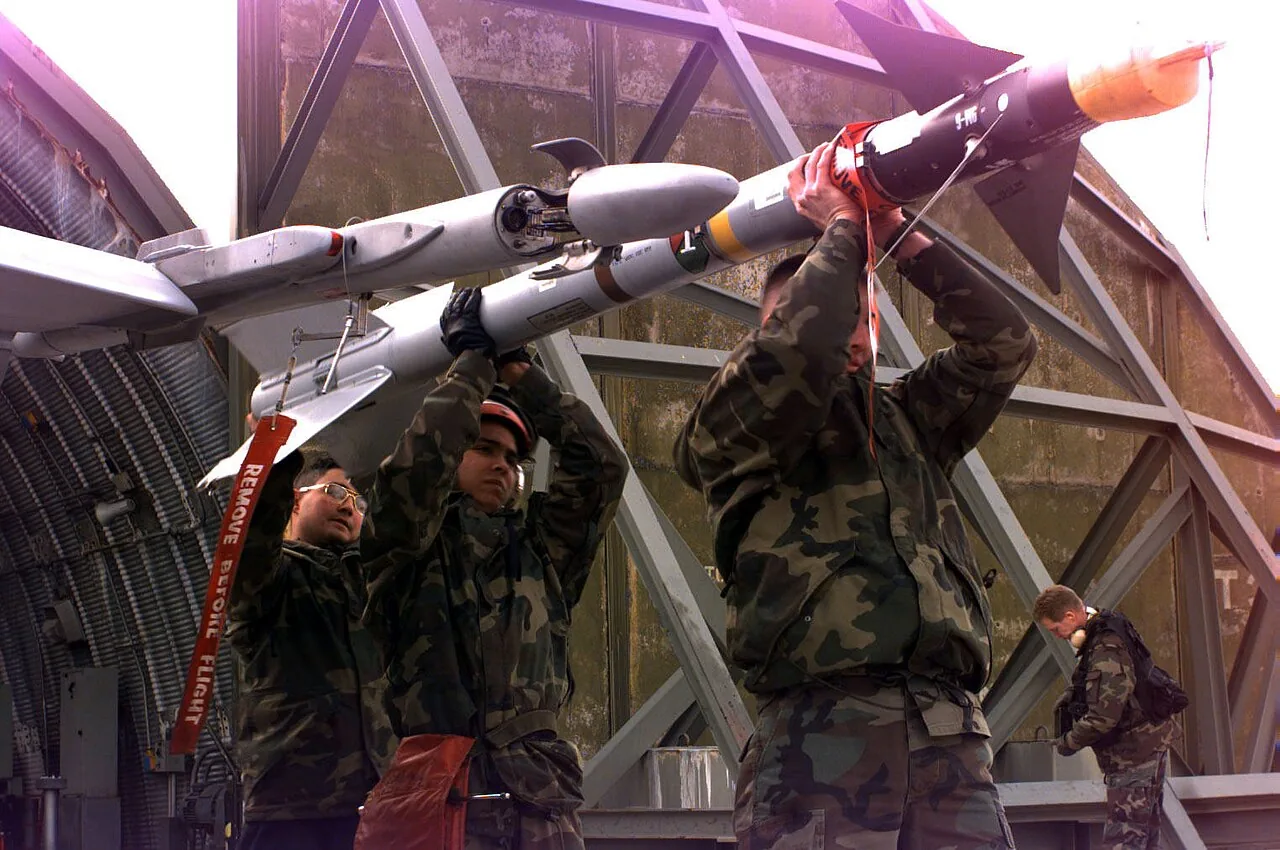
BOZDOĞAN (within-visual-range, WVRAAM) is a close-combat missile with an infrared seeker and high agility. Thanks to wide-angle target lock (high off-boresight) and thrust-vector control, it can chase a target the pilot can see through sharp turns. In that respect it is the indigenous equivalent of the U.S. AIM-9X Sidewinder.
GÖKDOĞAN (beyond-visual-range, BVRAAM) is a medium-range missile with an active radar seeker. It can lock onto a target with its own radar and operate in ‘fire-and-forget’ mode, letting the pilot maneuver away after launch. GÖKDOĞAN sits in the same class as the U.S. AIM-120 AMRAAM. Together, the two missiles meet a fighter’s close- and long-range needs by indigenous means.
| Feature | BOZDOĞAN | GÖKDOĞAN |
|---|---|---|
| Class | Within-visual-range (WVR) | Beyond-visual-range (BVR) |
| Guidance | Infrared (IIR) seeker | Active radar (RF) seeker |
| Western equivalent | AIM-9X Sidewinder | AIM-120 AMRAAM |
| Range class | Short | Medium |
| Notable | High off-boresight, agility | Fire-and-forget, active seeker |
| Developer | TÜBİTAK-SAGE | TÜBİTAK-SAGE |
| Platforms | F-16 / KAAN / HÜRJET / KIZILELMA | F-16 / KAAN / HÜRJET |
Context: Why Both WVR and BVR Are Needed
Modern air combat runs in two layers. Beyond visual range (BVR), aircraft fire from tens of kilometres away on radar data without seeing each other; here active-radar missiles like GÖKDOĞAN are decisive. In close combat (dogfight, WVR), speed and maneuver dominate; here agile infrared missiles like BOZDOĞAN come into play.
To be a deterrent, an air force needs capability in both layers. By providing both indigenously, the Göktuğ programme frees Türkiye’s air superiority from dependence on others.
Strategic Meaning for Türkiye
BOZDOĞAN and GÖKDOĞAN strengthen Türkiye’s sovereignty in air combat. Because these missiles are not subject to ITAR, Türkiye decides for itself which aircraft to integrate them on, when, and in what numbers. Not having to wait for another country’s export license in a crisis is a strategic advantage.
The real significance is that these missiles will arm the backbone of future Turkish air power. The indigenous fighter KAAN, the HÜRJET light combat aircraft, the Bayraktar KIZILELMA unmanned combat aircraft and AKINCI can all be armed with BOZDOĞAN and GÖKDOĞAN. Türkiye is indigenizing not just the aircraft but the missile that makes it lethal.
The export dimension is strong too: an ITAR-free, sovereign air-to-air missile is attractive to nations wanting to arm their own fighters independently. With KAAN exported on a ‘sovereign configuration’ basis to buyers like Indonesia, the export potential of these missiles grows. Türkiye is becoming one of the few countries to indigenize an entire air-combat package, from aircraft to missile.
Frequently Asked Questions
What is the difference between BOZDOĞAN and GÖKDOĞAN?
Who develops these missiles?
Which aircraft are they integrated on?
Why does it matter so much?
Conclusion
BOZDOĞAN and GÖKDOĞAN symbolize Türkiye’s move to indigenize not just its fighter but the missiles that give it air superiority. By offering a sovereign capability in both within- and beyond-visual-range combat, the Göktuğ programme puts the future of Turkish air power — from KAAN to KIZILELMA — on an independent footing.
Sources
- Savunma Sanayii Başkanlığı (SSB) ve TÜBİTAK-SAGE resmi açıklamaları — Göktuğ programı
- Daily Sabah — “Türkiye’s indigenous air-to-air missiles Bozdoğan and Gökdoğan”
- TÜBİTAK SAGE (official) — Göktuğ programme — BOZDOĞAN and GÖKDOĞAN development data
- Army Recognition — “Turkey’s Gökdoğan and Bozdoğan air-to-air missiles”