Turkey’s KAAN Takes a Leap Forward: Prototypes Flying, Block-10 Buy Signed

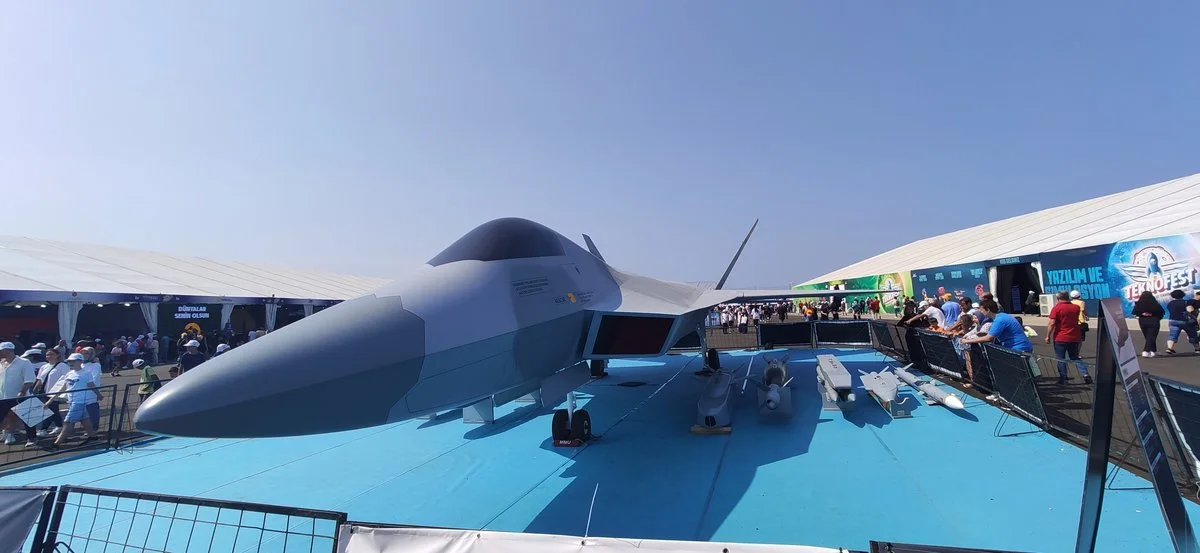
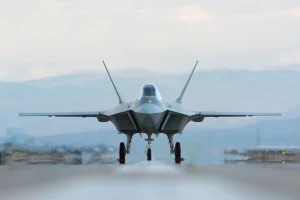
Turkey’s ambition to join the exclusive club of nations that design, build, and fly their own fighter jets moved from aspiration to operational reality this spring. The P1 and P2 prototypes of the TUSAŞ KAAN entered structured flight-test programs in April 2026, with the first true flight-standard prototype expected to lift off before the end of June. For a program that recorded its maiden flight with the P0 demonstrator back in February 2023, the pace has accelerated markedly, and the procurement machinery has moved in lockstep.
Block-10 Contract Signed at SAHA Expo 2026
The headline from this year’s SAHA Expo was the formal signing of a KAAN Block-10 procurement agreement between the Turkish Defence Industries Presidency (SSB) and TUSAŞ. The deal covers 20 aircraft to be delivered between 2028 and 2030. The Block-10 configuration represents what TUSAŞ describes as the “initial operational capability” standard — fully combat-capable, though deeper integration of indigenous sensors will come with later blocks.
The aircraft currently fly on General Electric F110-GE-129 turbofans. The indigenous TEI TF-6000 engine is not expected to reach maturity until the early 2030s, meaning the first Block-10 jets will leave the factory on American powerplants.
KAAN vs. the Competition
| Specification | KAAN Block-10 | F-16 Block 70 | Eurofighter Typhoon |
|---|---|---|---|
| Generation | 5th (target) | 4.5th | 4.5th |
| Engine | GE F110-GE-129 (interim) | GE F110-GE-129 | EJ200 (×2) |
| AESA Radar | Domestic (ASELSAN) | AN/APG-83 SABR | Captor-E |
| MTOW | ~27,000 kg | ~19,200 kg | ~23,500 kg |
| Combat Radius | >1,000 km (est.) | ~550 km | ~600 km |
| First Delivery | 2028 (planned) | In service | In service |
| Domestic Content | >55% (target) | ~30% | Varies by nation |
Export Horizon
TUSAŞ ranked seventh in Turkey’s ISO 500 index with 141 billion Turkish lira in net production sales. Azerbaijan, Uzbekistan, and several Gulf states have been identified as potential early customers, with Turkish officials arguing that KAAN offers a politically uncomplicated alternative to Western platforms that carry end-user restrictions.