US Navy Tests 3D-Printed Composite Repair on the F/A-18

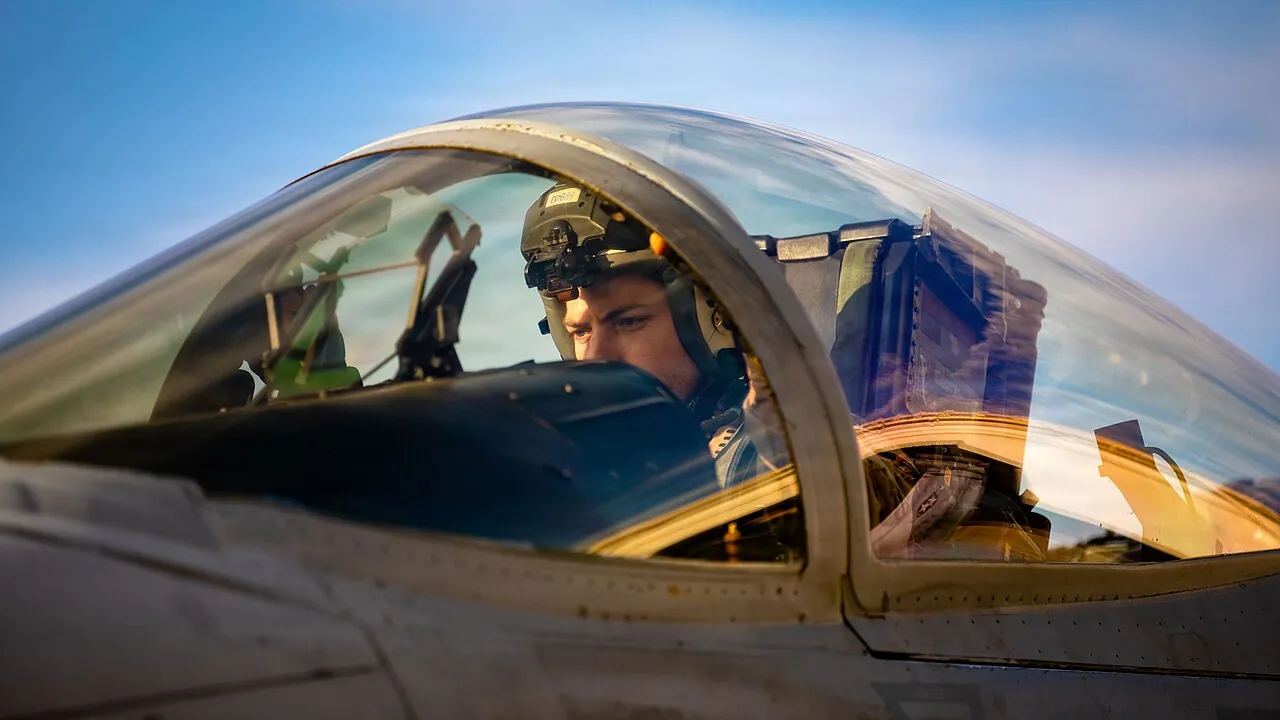
A technology-based efficiency push is coming to the maintenance and sustainment of fighter jets. According to the US Navy, engineers from the Naval Air Warfare Center Aircraft Division (NAWCAD) and a Fleet Readiness Center have developed high-performance 3D-printed composite patches for the F/A-18 Super Hornet. The aim is to speed up composite repairs that traditionally take a long time.
The method aims to cut composite repair time by about half. More importantly, these repairs can be made directly in the field, at the forward base where the aircraft is deployed. This removes the need to transport a damaged aircraft to a specialized maintenance facility, shortening the time it takes for the aircraft to be flight-ready again.
The Problem and the Solution: Composite Repairs
A significant portion of modern fighter jets is made from composite materials. Composites are light and durable, but when they crack or are damaged, their repair requires skilled labor, special equipment and time. A damaged composite panel often keeps the aircraft grounded, lowering operational readiness. NAWCAD’s work targets exactly this bottleneck.
3D printing (additive manufacturing) has the potential to move spare-part and patch production from the factory to the field. Being able to print a part at the base where the aircraft is located, starting from a design file, shortens long supply chains and shipping times. The Navy is focusing on composite components that can ground the aircraft, such as engine bay doors.
22 Sites and a Flight Test
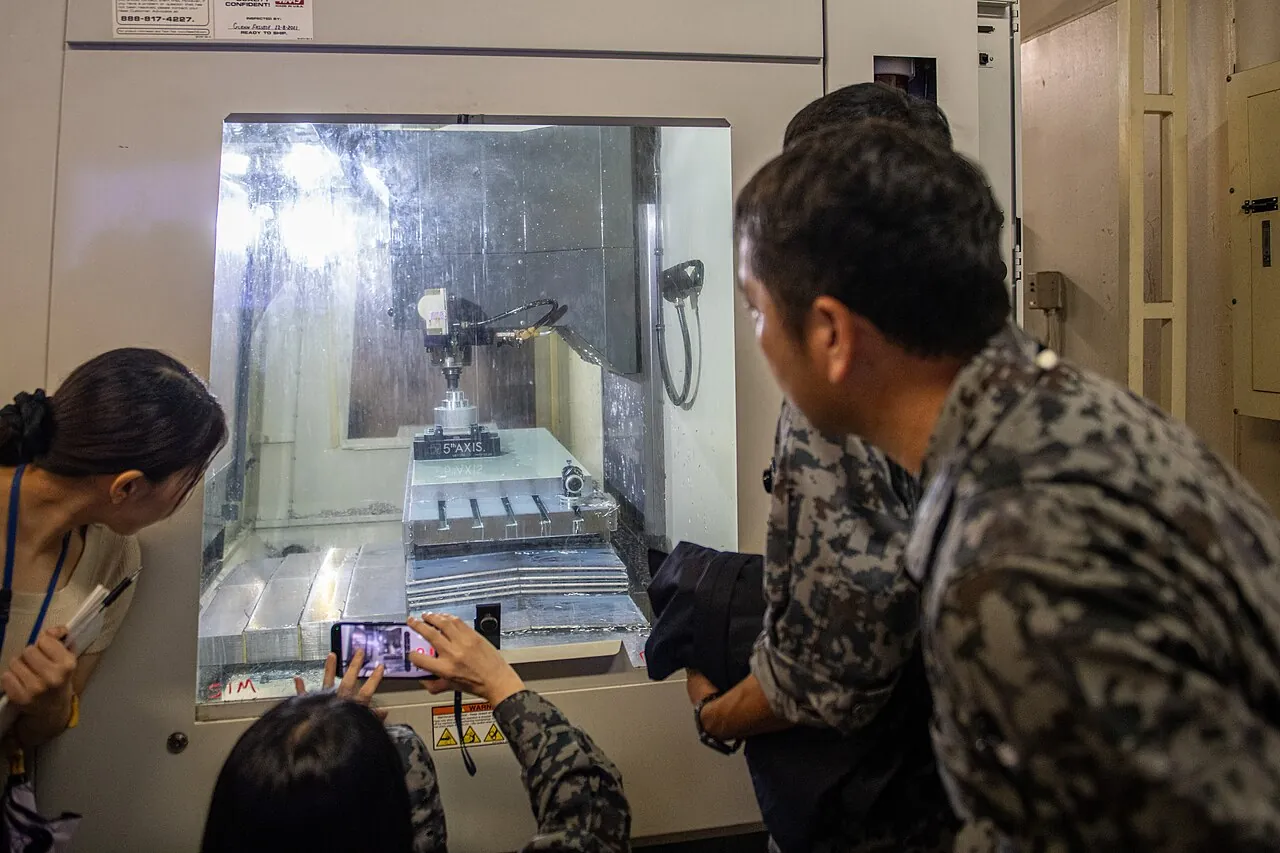
The reason the Navy can spread this capability quickly is an already-installed infrastructure. 3D printers had been deployed at 22 maintenance sites worldwide for other additive manufacturing projects; this network can now be the backbone for pushing composite repair capability to wherever Super Hornets actually operate.
After laboratory and ground tests were completed successfully, the joint development team plans to flight-test the 3D-printed repair on an operational aircraft this summer. The efficiency dimension is striking: for example, while replacing an F/A-18 tire is costly by traditional methods, 3D-printed solutions can significantly reduce cost and time on certain repair items.
| Item | Detail |
|---|---|
| Organization | US Navy (NAWCAD + FRC) |
| Method | 3D-printed (additive) composite patch |
| Aircraft | F/A-18 Super Hornet |
| Goal | Composite repair time cut by ~50% |
| Location | Forward base / on-site repair |
| Focus parts | Cracked panels, engine bay doors |
| Infrastructure | 3D printers at 22 maintenance sites |
| Next step | Flight test on an operational aircraft this summer |
Additive Manufacturing and Sustainment Power
The value of a fighter jet is measured not only while it is in the air, but also by how quickly it becomes flight-ready again. Maintenance and sustainment are the unseen but decisive dimension of modern air power. Every innovation that shortens the time aircraft spend on the ground increases a fleet’s actual strength.
Additive manufacturing has the potential to fundamentally change this equation. Being able to produce a spare part in the field reduces dependence on long supply chains and large part stockpiles. This is a critical advantage especially in remote regions or when the supply chain is under strain; it means returning an aircraft to duty in hours rather than days.
For Türkiye: Indigenous Additive Manufacturing
Additive manufacturing is an area where the Turkish defense industry is also investing more and more. Turkish Aerospace uses additive manufacturing methods in the production of platforms such as the KAAN and HÜRJET; TEI (TUSAŞ Engine Industries) has know-how in producing jet engine parts by 3D printing. This both increases production speed and makes the domestic production of complex parts possible.
Sustainment and spare parts are a strategic heading for Türkiye. Experiences with embargoes and supply restrictions have shown that dependence on imports for spare parts is an operational risk. Additive manufacturing reduces this risk by enabling critical parts to be produced at home, even near the field; this secures the sustainment of national platforms.
The US Navy’s F/A-18 work shows that additive manufacturing has become an operational sustainment tool, not an experimental one. The lesson for Türkiye is clear: the long-lived, independent sustainment of national platforms (KAAN, HÜRJET, TB2, AKINCI) depends largely on mastering such production technologies. Every step taken in this area strengthens the sustainability of Turkish air power.
Frequently Asked Questions
What is the US Navy developing?
Why does this matter?
When will it be used?
Does Türkiye work in this area?
Conclusion
The US Navy’s 3D-printed composite repair work for the F/A-18 shows that additive manufacturing has become an operational sustainment tool. For Türkiye, this is a critical direction for the independent and sustainable sustainment of national platforms: the longevity of the national inventory, from the KAAN to the TB2, depends largely on mastering technologies such as additive manufacturing.