Ukraine to Co-Produce Raytheon Patriot Missiles: Frontline Consumption is Straining the West’s Capacity


- Who: Ukraine + Raytheon (Delegation headed by Vice President Joseph DeAntona)
- What: Licensed joint assembly of the Patriot PAC-2 GEM-T interceptor
- When: Announced on July 23, 2026; installation at least one year
- Authority: Trump announced the production license at the Ankara NATO Summit on July 8, 2026
- Why: Ukraine’s normal consumption is 60-70, and in intense attacks, 150-180 interceptors/month
Field consumption has disrupted the supply equation
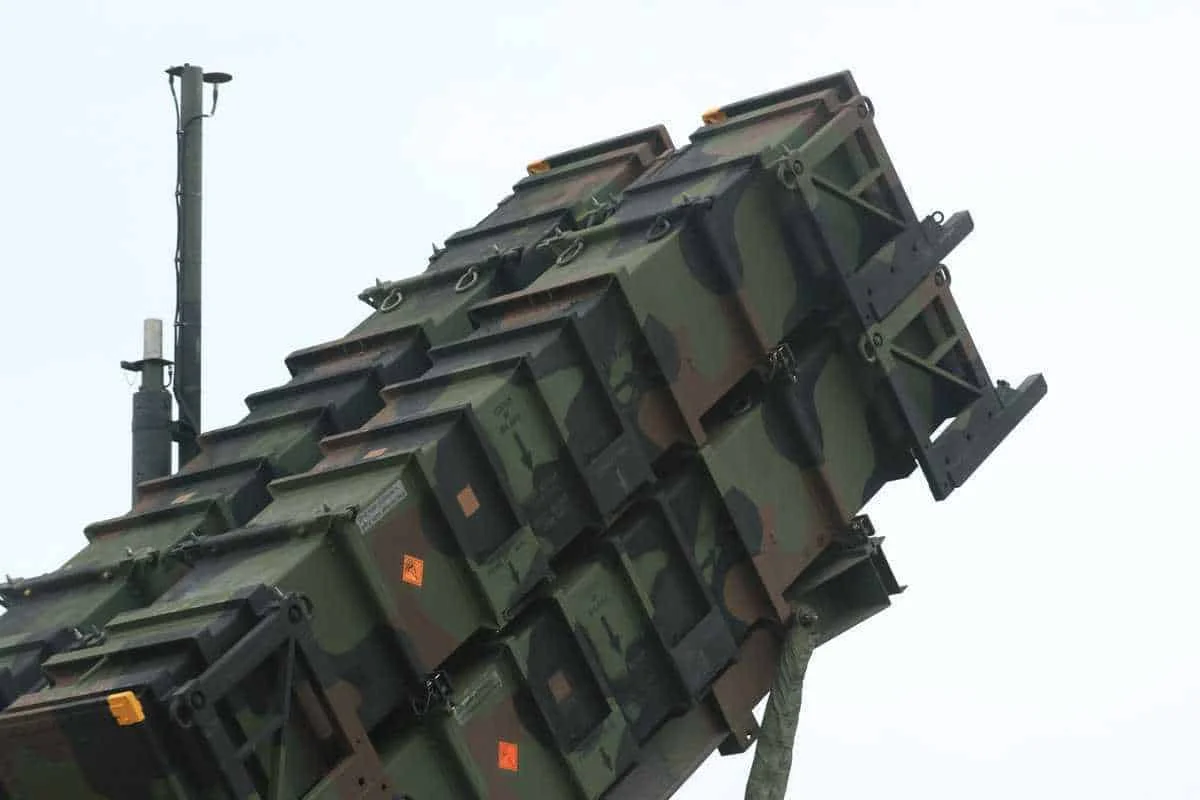
The framework announced by Zelensky foresees the licensed assembly of the Patriot family’s larger and more impactful warhead-carrying PAC-2 GEM-T interceptor in Ukraine. Urgent needs will be met with existing European infrastructure, such as the COMLOG facility in Germany. The decision is based on simple arithmetic in the field: Ukraine is consuming its interceptors at an unprecedented rate to stop Russian Iskander-M and Kh-47M2 Kinzhal ballistic missiles.
The figures illustrate the scale of the problem. While 60-70 interceptors are used in a normal month, this number can rise to 150-180 in concentrated waves of attacks. This translates to an annual basis of 720-840 for normal consumption and 1,800-2,160 for peak periods. However, the number of PAC-3 MSE units produced by Lockheed Martin in 2025 was approximately 620, and this production must also go to U.S. Army stocks, training, and allied orders simultaneously.
Who will produce it, and where?
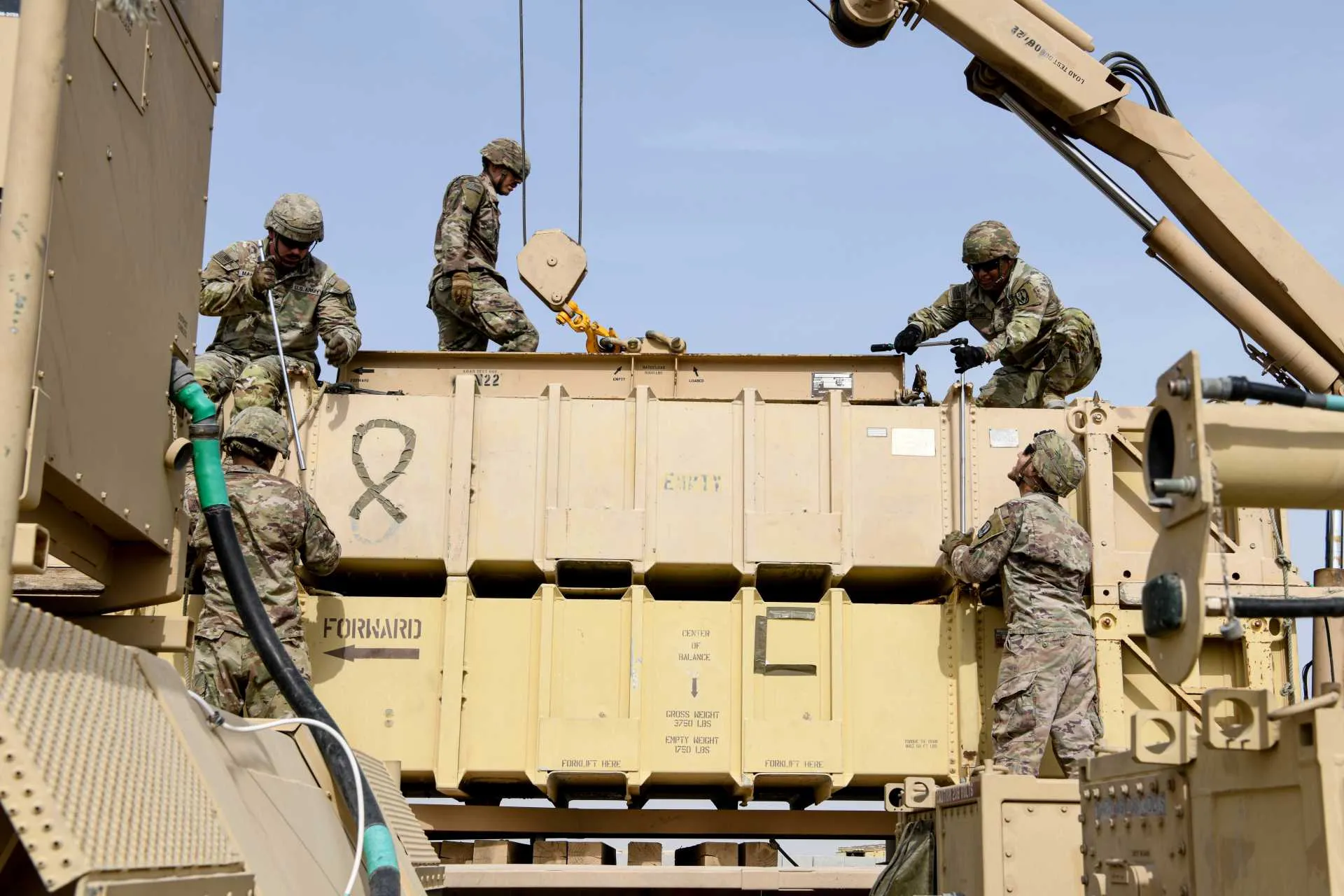
The most critical details of the agreement are still unclear: the annual production target, factory location, and which variant will be prioritized have not been finalized. The most mature option on the table is the GEM-T line expected to be operational at Germany’s COMLOG facility in Schrobenhausen by early 2027. A second formula involves a tripartite U.S.-Poland-Ukraine arrangement that includes Poland. In a distributed model, the seeker head and guidance electronics would come from the U.S., rocket motors from established suppliers, while the body workmanship would come from Ukraine and Poland, with final assembly potentially taking place in Germany or Poland.
The Trump administration opened the door on July 8, 2026, during the NATO Summit held in Ankara; Washington announced there that it would allow Ukraine to produce Patriot missiles. However, removing an interceptor from the line requires the establishment of an industrial chain that extends from the rocket motor to the seeker head, from the warhead to dozens of specialized subcontractors — which explains why at least a year of setup time is mentioned.
Patriot Interceptor Variants — Technical Comparison
| PAC-2 GEM-T | Large body, fragmentary warhead; manufacturer Raytheon; aircraft/cruise missile/short-range threat |
| PAC-3 MSE | Small body, hit-to-kill; manufacturer Lockheed Martin; high-speed ballistic threat |
| Ukraine normal consumption | 60-70 interceptors per month |
| Intensive attack consumption | 150-180 interceptors per month |
| Western target capacity | ~2,000 interceptors per year (~167/month) — shared among all customers |
| Priority threat | Iskander-M, Kh-47M2 Kinzhal ballistic missiles |
Why is interceptor production an industrial marathon?
The Patriot system has been the backbone of U.S. and allied air defense since the 1980s. However, the system’s deterrence relies more on the number of interceptors left than on the radar and launcher. The example of Ukraine has shown all of NATO how quickly interceptor stocks can deplete in a high-intensity conflict. Therefore, joint production is a search for a solution to the supply depth issue not only for Kyiv but for the entire alliance.
This table is also instructive for countries that are building their own air and missile defense in a multi-layered manner with domestic industry. Turkey’s SİPER long-range, HİSAR medium/low altitude, and ÇELİK KUBBE layered architecture is precisely based on the logic of ‘produce your own interceptor, maintain stock depth’ — the Ukrainian scenario concretizes what external dependency means in a crisis moment.
Sources
- Army Recognition — “Ukraine and US Raytheon agree on joint Patriot missile production” (July 23, 2026)
- Ukrainian Presidential Statement (July 23, 2026)
- Raytheon / RTX corporate announcements