Ukrainian Intelligence Claims Russia Deploying Drone Designed to Cut Power Lines

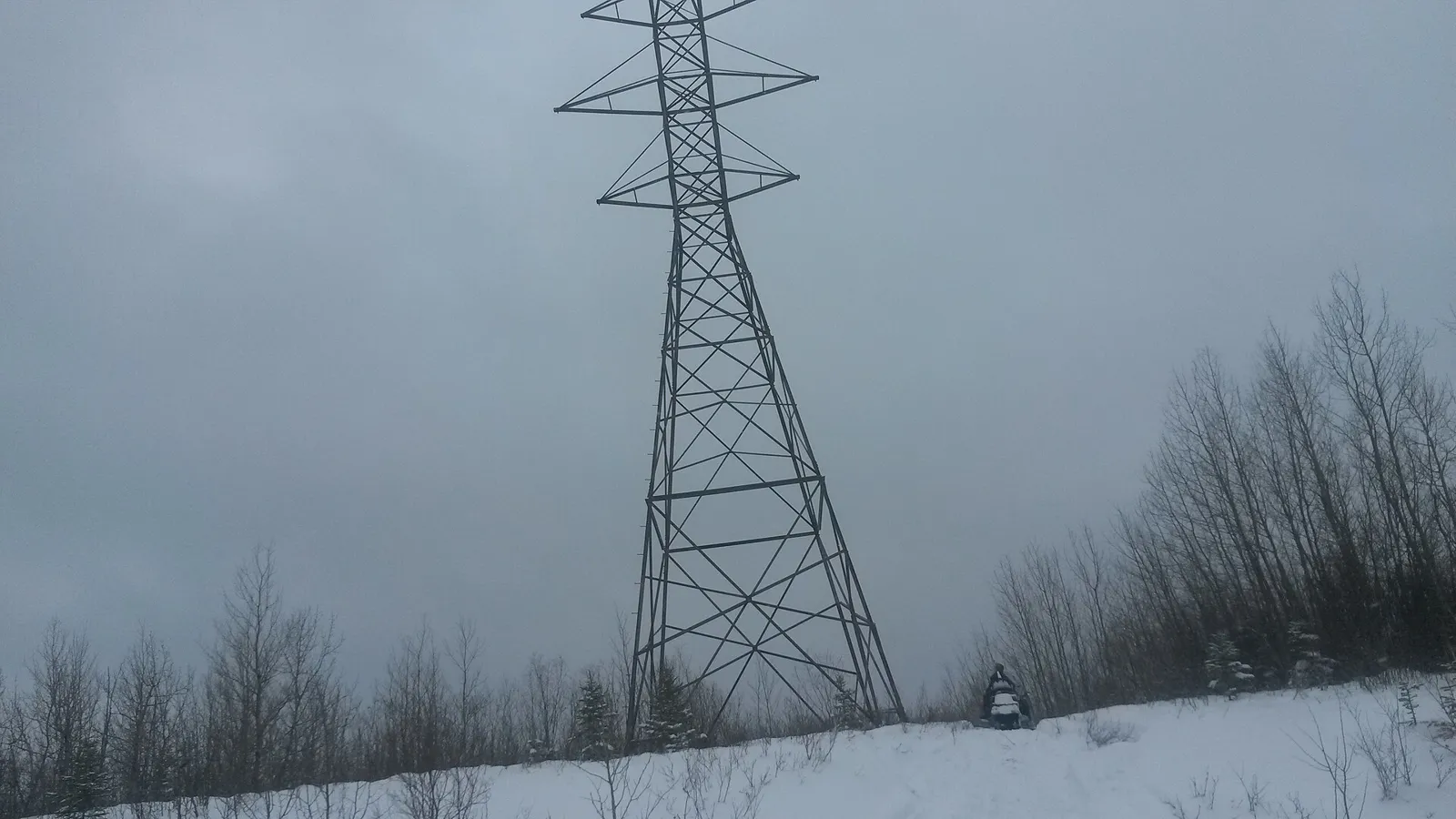
Ukraine’s Defense Intelligence, GUR, has claimed Russia is using a purpose-built attack drone to destroy electricity pylons and transmission lines.
Ukraine’s Defense Intelligence Directorate (GUR/HUR) has claimed that Russia is deploying a purpose-built attack drone to destroy electricity pylons and transmission lines. The claim surfaced in reports citing Ukrainian intelligence sources in August 2026 and is presented strictly as attributed to a HUR statement, with no independent verification available so far.
According to HUR, the drone in question carries specially embedded explosive material within its wings, material the agency says is capable of cutting through metal. Per the intelligence agency’s account, this design allows Russian forces to sever overhead transmission lines and damage distribution pylons without striking major power generation plants directly. HUR describes the method as intended to cripple Ukraine’s electricity and heating infrastructure in a targeted, surgical manner.
The claim fits within the broader pattern of energy-infrastructure warfare that has run through the Russia-Ukraine conflict. Both sides have periodically targeted energy facilities since the war began, with such attacks known to intensify as winter approaches. Last winter, Russia’s intense missile and drone campaigns reportedly left hundreds of thousands, and at times millions, of Ukrainians without power.
If confirmed, the use of a “metal-cutting” drone of this kind could signal a shift in tactics against energy infrastructure — moving from strikes on major plants, which draw heavy international attention, toward distribution-level attacks that are less conspicuous but potentially just as disruptive. That interpretation, however, rests entirely on HUR’s one-sided statement, and no independent source has verified technical details such as the drone’s range, frequency of use, or the regions where it has been detected.
Ukrainian officials frequently publicize claims of this nature to underscore the systematic scale of Russian strikes on civilian infrastructure and to draw international attention. For that reason, this report should be understood clearly as an official statement from Ukrainian intelligence rather than a verified technical finding.
No official Russian comment or confirmation regarding the matter has surfaced publicly so far. The claim’s accuracy could become clearer through independent technical analysis or examination of debris collected on the ground; until such verification emerges, it remains at the level of an allegation.
Given that attacks on energy infrastructure tend to intensify as winter approaches, similar reports on this claim are likely to resurface in the coming weeks.
Verifying claims of this kind typically takes time, requiring laboratory analysis of debris collected on the battlefield, satellite imagery, or on-the-ground confirmation by independent observers. HUR has issued similar early-warning-style statements about Russian weapons systems in the past; some were later corroborated by independent sources, while others remained unclear on technical detail. The current claim is likely to go through a comparable process before it can be considered established.
The impact of attacks on energy infrastructure on the civilian population forms another important dimension of this story. Power outages affect not only heating systems but also water pumps, hospital generators, and communications infrastructure directly. In that context, whether or not this particular claim is ultimately confirmed, the broader question of what risks Ukraine’s power grid faces heading into winter remains a live and pressing one.
Sources
- The Defense Post, August 24, 2026 (citing a statement from Ukraine’s Defense Intelligence, HUR)