Rheinmetall Targets First Cruise Missile Order by the End of 2026

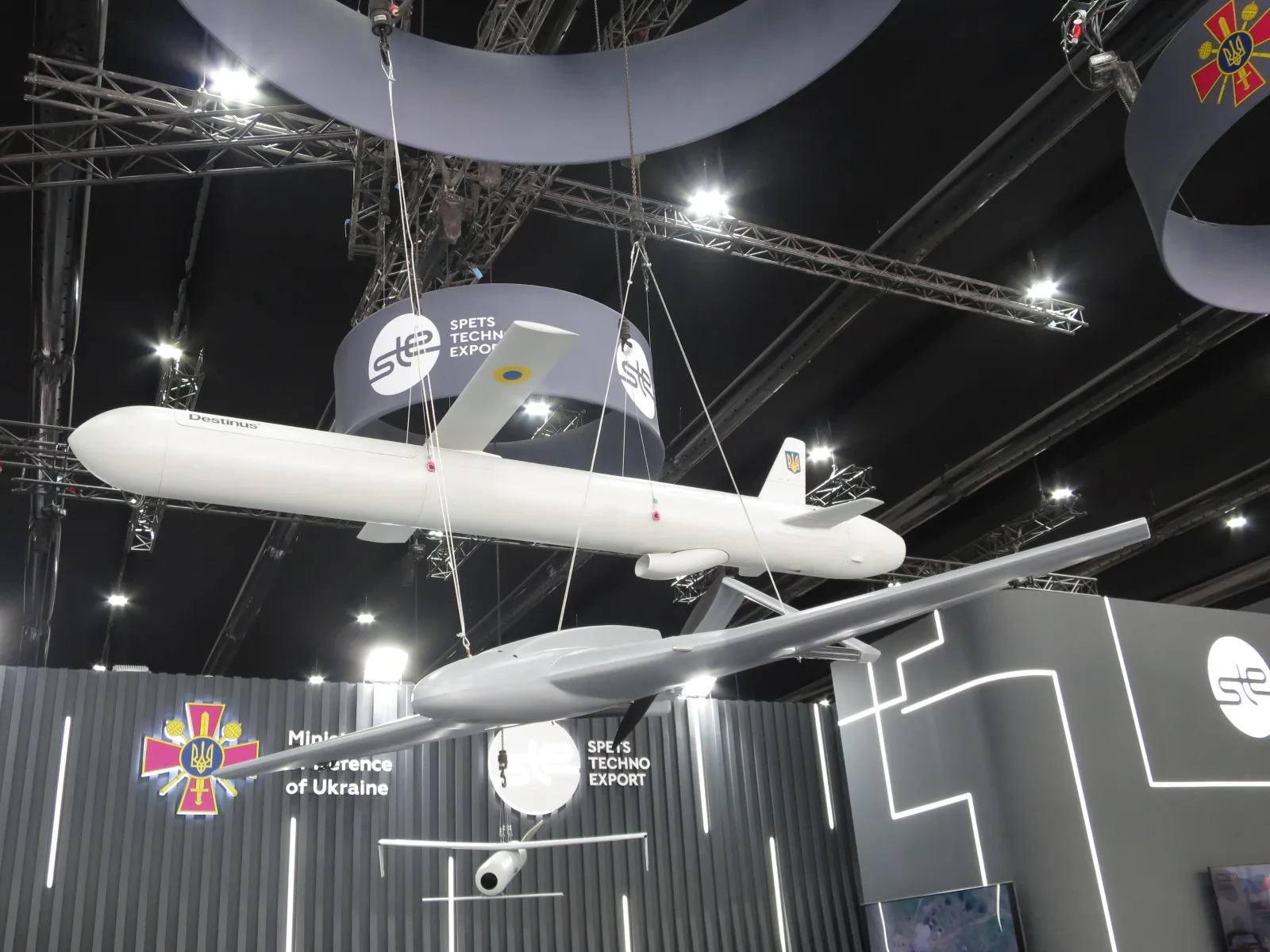
Rheinmetall expects to book its first cruise missile order before 2026 ends, with production preparations complete by year-end and a dedicated factory opening in 2027 under its joint venture with Destinus.
At a Glance
- First cruise missile order targeted by the end of 2026; dedicated factory operational in 2027
- Partnership focused on the Ruta Block 2 and Kryla cruise missiles
- Rheinmetall holds the majority stake in the joint venture; sales territories have been divided
- Destinus has completed its 1,000th T150 turbojet in Europe, the engine powering Ruta
- Rheinmetall will manufacture the warheads and take on additional production work
- CEO Papperger: thousands of cruise missiles are being fired in Ukraine; product needed in under 12 months
Order target and production timeline
Rheinmetall aims to secure its first cruise missile order by the end of 2026 through its partnership with Destinus. According to defence-industry.eu on August 11, 2026, production preparations will be completed at the end of 2026, and a dedicated cruise missile factory will come online in 2027.
The partnership centers on the Ruta Block 2 and Kryla cruise missiles. Rheinmetall holds the majority stake in the joint venture with Destinus, and the two companies have divided sales territories between them. The German group will manufacture the warheads and take on additional production work, while Destinus remains free to cooperate with other companies in markets outside Rheinmetall’s territories.
The T150 engine milestone
Destinus has completed its 1,000th T150 turbojet engine in Europe. The T150 is the propulsion system of the Ruta cruise missile, and reaching four-digit engine output marks a key threshold on the path to series missile production.
CEO Armin Papperger framed the ambition in blunt terms, noting that thousands of cruise missiles are being fired in Ukraine and that the company wants to win its first contract by the end of this year. Rather than traditional multi-year procurement programs, he stressed the need to have the product available in under 12 months — a compressed cycle that has become the benchmark for European missile ventures.
A strategy shaped by the Ukraine war
The war in Ukraine pushed Rheinmetall toward rapidly deployable systems. Battlefield consumption rates have shown that missile stocks cannot be replenished through classic procurement cycles, and the company experienced availability problems with the alternative Barracuda systems. The Destinus partnership is designed to fill that gap with a mass-producible, comparatively low-cost line.
The venture also illustrates an emerging division of labor in European defense: a startup contributes engine and airframe technology while an established prime brings warhead production, industrial scale and customer access. The territorial split gives each side room to operate independently in its own markets, a structure aimed at accelerating sales rather than centralizing them.
Why It Matters
If the order lands on schedule, Rheinmetall will have moved from partnership announcement to contracted cruise missile supplier inside a compressed timeframe that legacy European missile programs have rarely matched. It positions the group as a direct challenger in a segment long dominated by established missile houses.
The 12-month availability benchmark set by Papperger reflects a broader shift in European procurement: away from multi-year development programs and toward consumable, stockpile-oriented missile lines. How buyers structure contracts around that promise will shape the next round of European deep-strike acquisitions.
Frequently Asked Questions
When does Rheinmetall expect its first cruise missile order?
By the end of 2026. Production preparations will be complete at the end of 2026, and a dedicated factory will become operational in 2027.
Which missiles does the Destinus partnership cover?
The Ruta Block 2 and Kryla cruise missiles. Rheinmetall holds the majority stake in the joint venture, will build the warheads and takes on additional production work.
What is the significance of the T150 engine?
Destinus has completed its 1,000th T150 turbojet in Europe. The engine powers the Ruta cruise missile, and its production volume underpins the planned series output.
Sources
- defence-industry.eu — Order target, T150 engine, production plan and Papperger remarks; August 11, 2026