Lockheed Introduced the Cheap Patriot at Farnborough, MBDA Unveiled the Low-Cost Interceptor

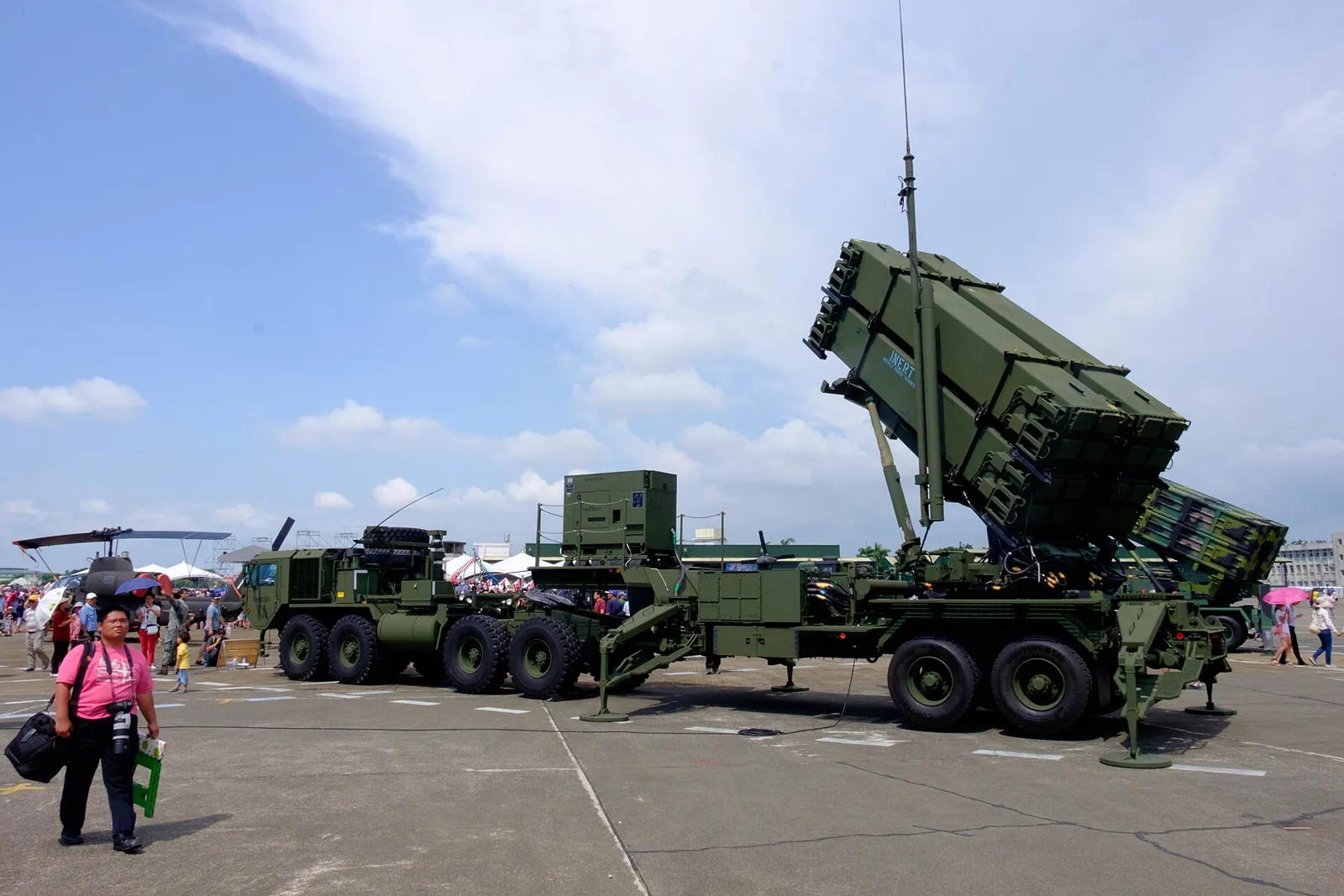
Lockheed Martin introduced the PAC-3 ACE (Adapted Capability Effector) missile, which costs about half the price of the current PAC-3 MSE interceptor, at Farnborough 2026; MBDA showcased its low-cost Counter Mass interceptor against drones, helicopters, and cruise missiles.
At a Glance
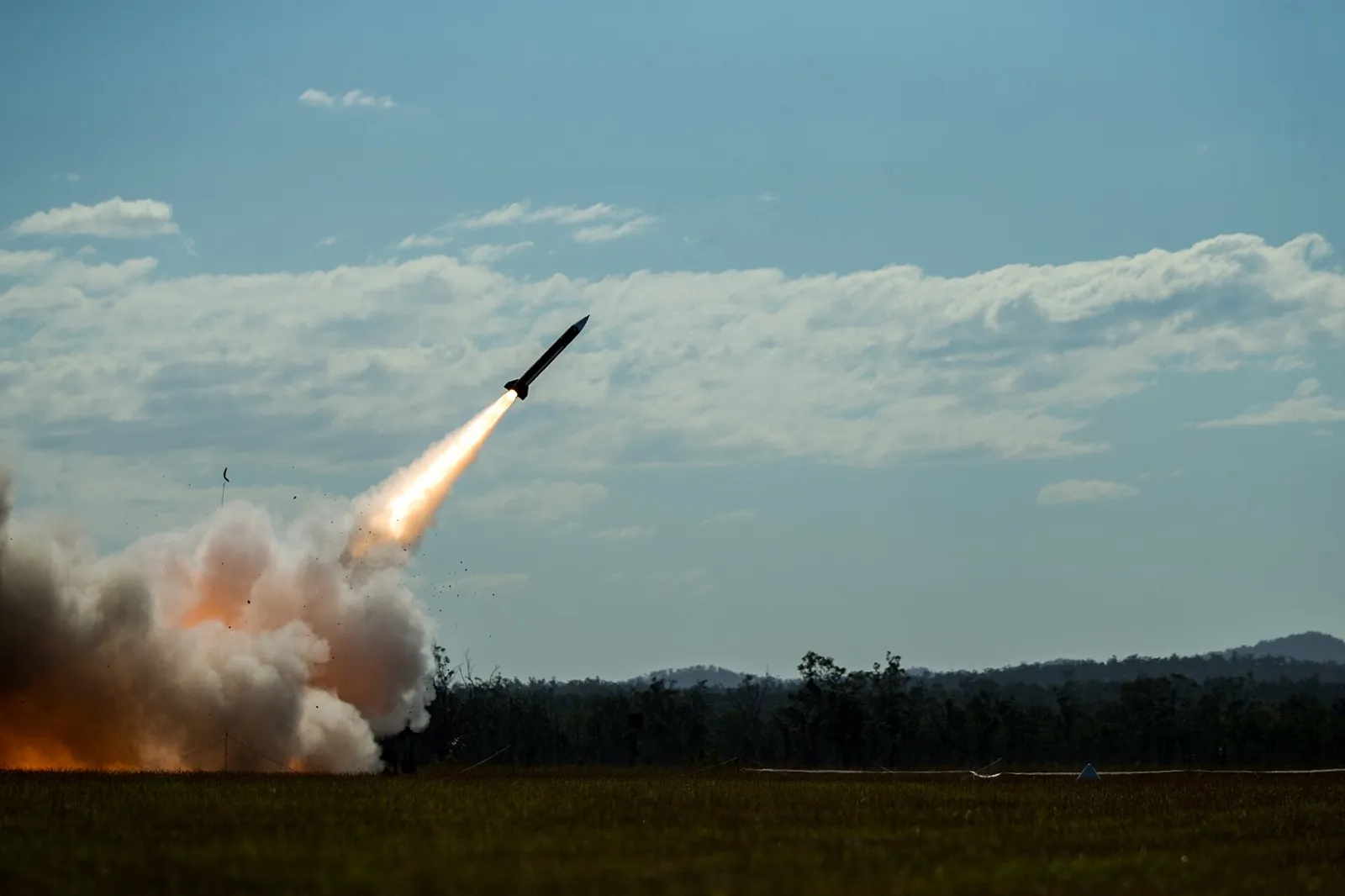
- Lockheed PAC-3 ACE: against cruise missiles and short-range ballistic missiles, at half the price of PAC-3 MSE.
- Method: ‘throttled back’ solid rocket motor + advanced manufacturing techniques and artificial intelligence.
- First test: early 2028; designed to complement, not replace, the MSE.
- MBDA Counter Mass: ASRAAM-based, 53 kg, targeting drone/helicopter/cruise missile threats.
- Common trend: global demand for abundant, cost-effective air defense.
Details of the Development
The PAC-3 ACE (Adapted Capability Effector) introduced by Lockheed Martin is designed to neutralize cruise missiles and short-range ballistic missiles and costs about half the price of the current PAC-3 MSE per unit. The cost reduction is achieved through modified component capabilities, including a “throttled back” solid rocket motor, advanced manufacturing techniques, and artificial intelligence that enhances production efficiency. Tim Cahill, the company’s missile and fire control chief, stated that the system is designed to complement, not replace, the MSE. The first test is expected to take place in early 2028.
MBDA showcased its Counter Mass interceptor. Based on the ground-launched ASRAAM short-range air-to-air missile, the system weighs 53 kilograms and is designed to neutralize drones, helicopters, and cruise missiles. It doubles the altitude ceiling of traditional counter-drone interceptors, reaching approximately 4-6 kilometers; it can be integrated into trucks, unmanned ground vehicles, or unmanned maritime vehicles. The first live-fire test is planned within 18 months.
Context of the System
Both systems respond to a common lesson learned from recent conflicts: against the threat of numerous cheap drones and missiles, the cost balance of expensive interceptors is tilted against the defending side. A defense system cannot spend millions of dollars on an interceptor for a $20,000 drone. Therefore, manufacturers are turning to cheaper, mass-producible solutions that will complement existing high-performance interceptors.
Lockheed indicated that it is seeking European partners like Saab and Diehl for radio frequency and seeker head technology for the PAC-3 ACE; production of the seeker is planned to be done abroad. Ukraine’s recent acquisition of a domestic production license for the Patriot could facilitate the establishment of a scaled-down system like the ACE.
Significance for Turkey
Cost-effective, layered air defense is directly related to Turkey’s Iron Dome concept and domestic air defense missiles (HİSAR-A/O, SİPER, SUNGUR). In a layered architecture against the threat of cheap drones and missiles, the approach that the most expensive interceptor should not be used for every target is a design philosophy adopted by the Turkish industry. Close air defense systems like GÜRZ and the search for low-cost interceptors align with this trend showcased by Western manufacturers at Farnborough. The shaping of global demand in this direction also creates opportunities for Turkish export products.
Frequently Asked Questions
Does PAC-3 ACE replace MSE?
No. According to Lockheed, ACE was designed not to replace MSE but to complement it; it costs about half the price of MSE.
What does MBDA Counter Mass target?
The ASRAAM-based 53 kg interceptor targets drones, helicopters, and cruise missiles, up to an altitude of approximately 4-6 km.
References
- Breaking Defense — Lockheed cheaper Patriot, MBDA low-cost interceptor — Details on PAC-3 ACE and MBDA Counter Mass; Farnborough 2026.
- MBDA — Farnborough 2026 — Context of MBDA product exhibition.