China’s Tailless J-36 Seen with New Prototype: Three-Engine 6th Generation Fighter Demonstrates Sharp Maneuverability


- Aircraft: Chengdu (CAC) J-36, unofficial designation; 6th generation candidate
- New image: July 23, 2026; possible 5th flying prototype
- Design: Tail-less, diamond-shaped twin-delta wing, three engines
- Innovation: Two-dimensional thrust vectoring nozzles, redesigned DSI air inlets
- Size: Maximum takeoff weight estimated in the range of 50-55+ tons
Debate on the Agility of Tail-less Design
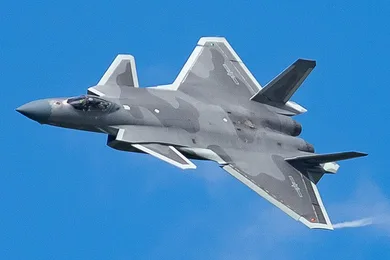
The new footage captured this large prototype performing a maneuver — a sharp turn-climb movement — that experts did not expect from a tail-less fuselage. The J-36 lacks vertical tail surfaces; instead, two-dimensional thrust vectoring nozzles restore much of the authority in pitch and agility that the lost tail would provide. This is one of the ‘flagship’ features of sixth-generation designs: compensating for lost control with engines and software while reducing aerodynamic surfaces and radar visibility.
The prototype also showcases redesigned DSI (divertless supersonic inlet) air inlets, a new landing gear arrangement, and modifications in the inlet-exhaust combination. These details provide clues about the direction in which the program is evolving: each new prototype marks a refined design from airflow management to thermal/radar signature.

Why three engines?
The most striking feature of the J-36 is its three-engine configuration, unlike most of its contemporary fighters. This choice may serve the purpose of providing the thrust required for a very large fuselage, enabling supersonic cruise capability at high altitudes, and accommodating a massive internal fuel/armament volume. With an estimated maximum takeoff weight exceeding 50-55 tons, the J-36 approaches the profile of a long-range ‘regional dominance’ platform rather than a classic fighter — range and payload capacity are decisive in the vast distances of the Pacific.
China’s rapid visibility of this program indicates that the sixth-generation race is no longer limited to the US (F-47 NGAD) and Europe (GCAP). Although it progresses based on unverified and largely open-source observations, the J-36 provides the most concrete clue about Beijing’s future air power doctrine.
J-36 — Known/Estimated Features
| Manufacturer | Chengdu Aircraft Corporation (CAC) |
| Class | 6th generation candidate (unofficial designation) |
| Wing | Tailless, diamond-shaped double-delta |
| Engine | Triple-engine configuration |
| Thrust control | Two-dimensional thrust vectoring nozzle |
| Air intake | Redesigned DSI |
| Maximum takeoff weight | ~50-55+ tons (estimated) |
| First appearance | End of 2024; possible 5th prototype on July 23, 2026 |
What does the sixth generation promise?
The sixth generation concept is based on a tailless and extremely low observable fuselage, long range, open architecture system software, teamwork with unmanned ‘loyal wingman’ drones, and AI-supported mission management. The J-36’s large fuselage and three engines seem to provide the physical foundation to support many of these promises — particularly range, payload, and energy production.
Turkey’s national fighter program KAAN, while officially positioned as a fifth generation, follows a design philosophy that leaves room for growth into sixth generation capabilities with its open architecture and block-based development roadmap. Programs like the J-36 remind us once again how fast this race has accelerated globally and the strategic weight of having a national fighter.

Sources
- Army Recognition — “China’s Possible Fifth J-36 Prototype Shows a More Refined Sixth-Generation Fighter Design” (July 23, 2026)
- The Defense Post; 19FortyFive; open source satellite/photo analyses
- Wikipedia — Chengdu J-36 (context)