UK and Netherlands Sign £2.4 Billion Deal for Eight Amphibious Ships
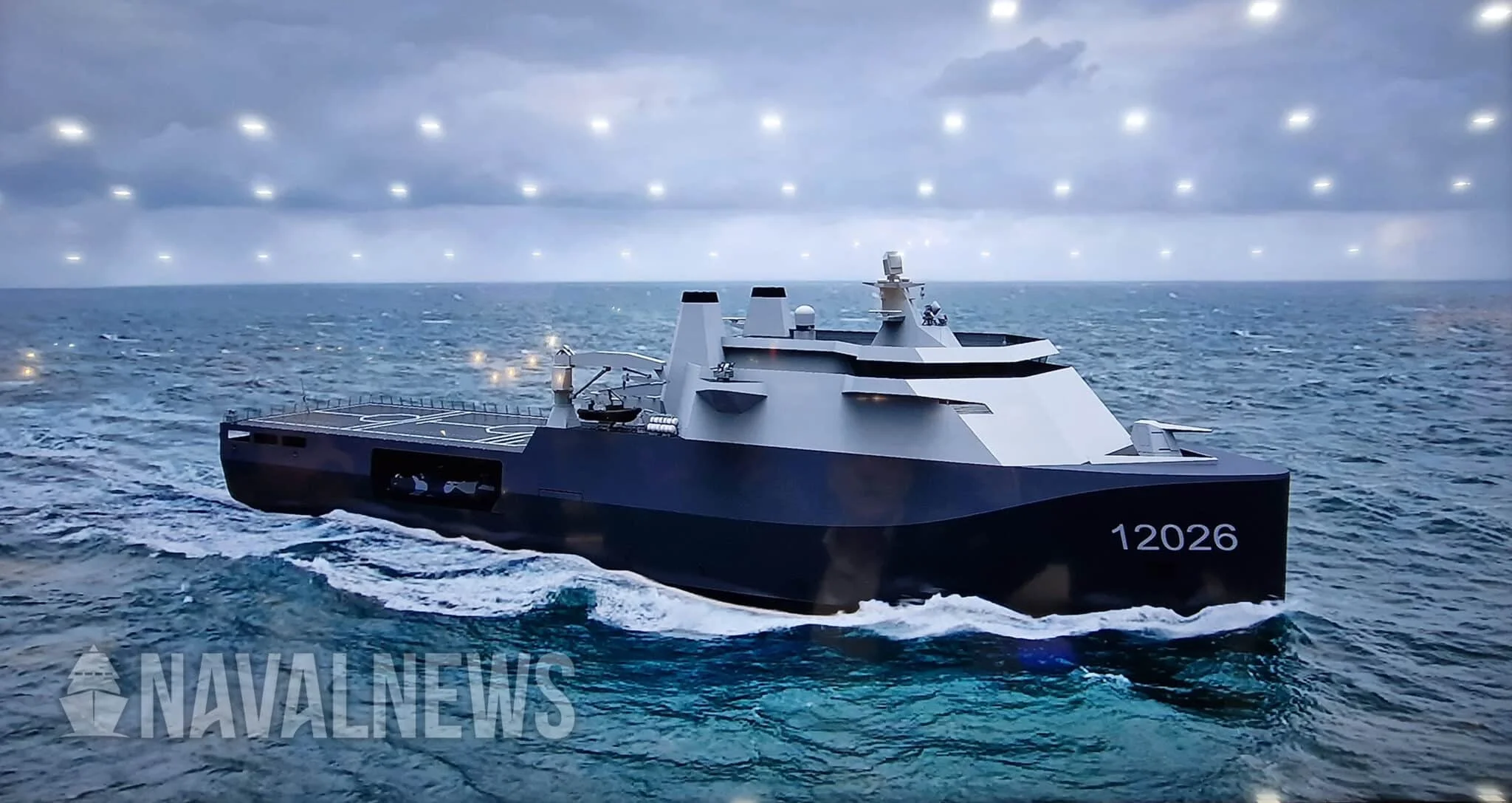
The United Kingdom and the Netherlands have signed a major partnership set to renew their amphibious forces. The two countries sealed a £2.4 billion deal to build eight next-generation amphibious transport ships. The agreement was announced by UK Prime Minister Keir Starmer and Dutch Prime Minister Rob Jetten during the NATO leaders’ meeting in Ankara, giving the signing the imprint of the alliance’s top political gathering.
Four ships for each nation
The new ships will form the backbone of a strengthened UK-Netherlands amphibious force, with each nation operating four vessels. Based on a Dutch design, they will be built in UK shipyards alongside Dutch industry, and the deal is expected to support hundreds of high-skilled UK jobs. The model is a classic example of the contemporary European approach that turns defense procurement into shared production and employment policy rather than a mere import line.
15,000-tonne platforms designed for drone warfare
Technically the ships are ambitious. At around 160 meters long and 15,000 tonnes, they are designed to carry troops, vehicles and equipment as well as unmanned systems. The most striking feature is that their flight decks are planned to operate current and future long-range drones and autonomous systems. That turns them from classic landing ships into floating bases optimized for hybrid manned-unmanned drone warfare — a concrete step in the Royal Navy’s transition to a “hybrid Navy.”
The NATO and European defense context
Signing the deal at the Ankara NATO summit is no coincidence. Europe’s drive to deepen its own defense-industrial capacity while reducing reliance on the U.S. is among the clearest recent trends. Two maritime nations pooling amphibious capability boosts NATO’s landing and response capacity in its northern and Baltic waters. That such deals unfold at a Turkiye-hosted summit keeps Ankara at the center of the alliance’s defense-industrial diplomacy.
Why it matters
Amphibious capability measures a navy’s ability to project force ashore; rapid response, evacuation and landing operations in crisis zones depend on these platforms. The UK and Netherlands redesigning this capability for the drone age again confirms the central role of unmanned systems in future naval warfare. For Turkiye, this design philosophy runs directly parallel to the TCG Anadolu and unmanned naval vehicle projects.