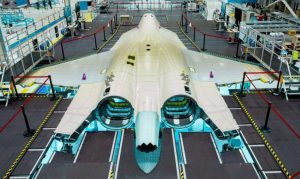
KAAN’s New Prototype Begins Ground Tests: Taxi Footage Released

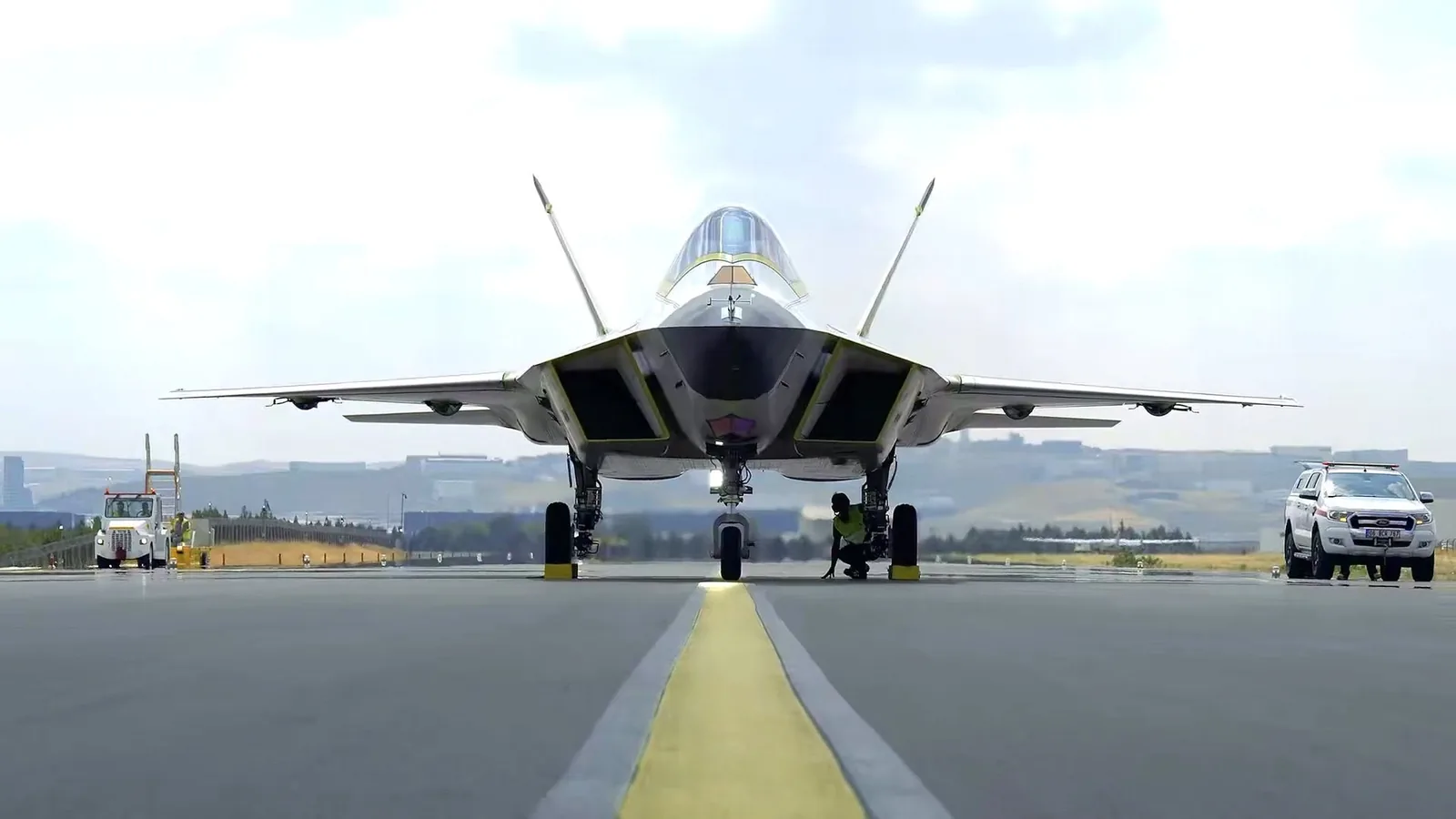
Türkiye’s fifth-generation fighter KAAN has moved into ground testing with its newest prototype. Turkish Aerospace Industries (TUSAŞ) released footage of the aircraft running taxi tests on the runway on 31 July 2026, showing the jet moving under its own power as it works through the milestones that precede a first flight.
What the ground tests cover
Taxi testing validates how the aircraft behaves on the ground before it faces aerodynamic loads in the air. In this phase, engineers check engine response, nose-wheel steering, braking effectiveness, landing gear and the flight control systems working together. Low-speed runs come first, followed by high-speed taxi tests in which the aircraft accelerates close to rotation speed without leaving the ground.
TUSAŞ’s footage shows the prototype moving on the runway at its facilities near Ankara. Once the ongoing ground and system tests are complete, the aircraft is scheduled to proceed to its maiden flight.
Timeline to first flight
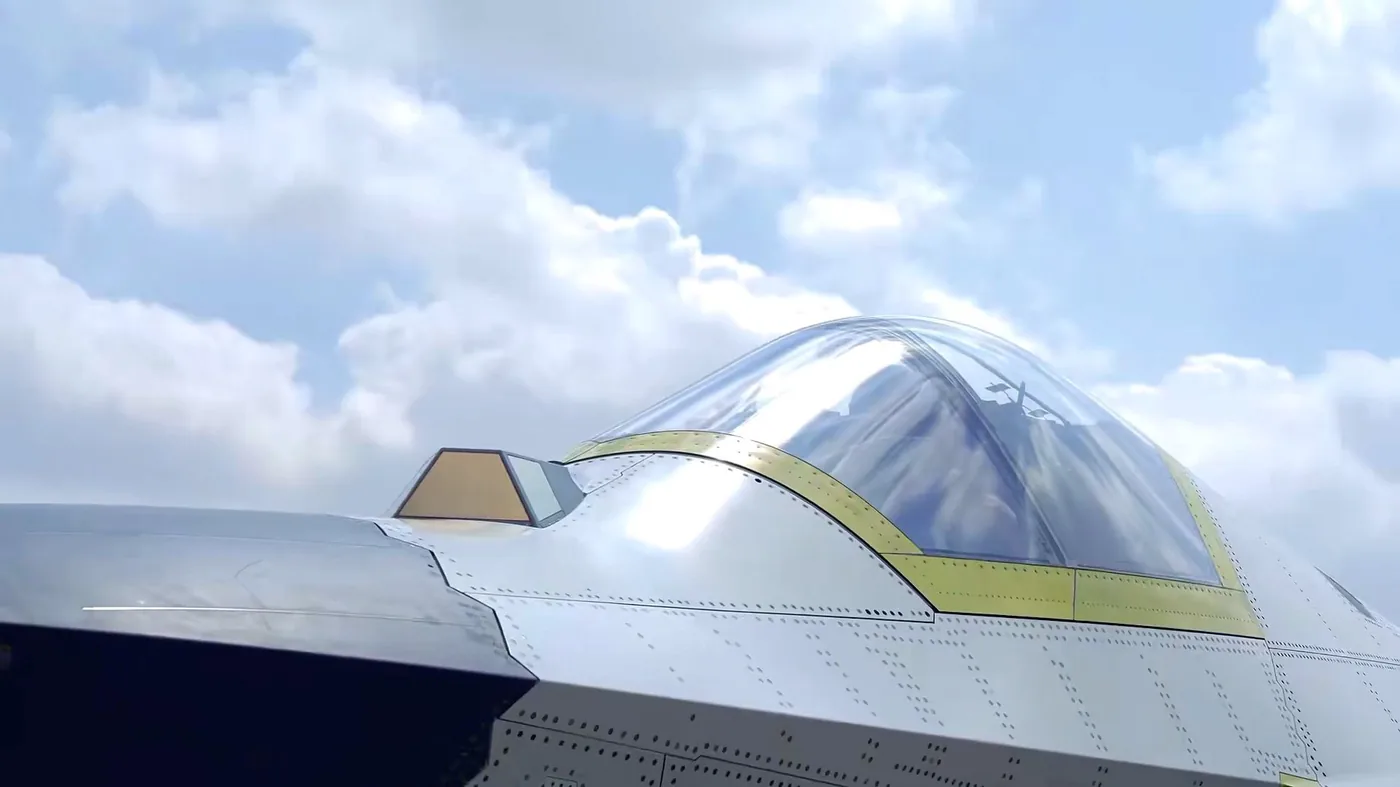
Speaking at the Farnborough International Airshow, TUSAŞ CEO Mehmet Demiroğlu said the new prototype had begun its first ground movements and, after completing the remaining ground and system tests, is targeted to fly “in a couple of months.” Demiroğlu added that the goal is for two KAANs to fly side by side by the end of the year.
According to the program schedule, the newest prototype is expected to fly in the coming months, while the next flight-test prototype is targeted to get airborne before the end of 2026. KAAN’s first prototype made its maiden flight on 21 February 2024. Serial production and initial deliveries to the Turkish Air Force are targeted around 2028.
Propulsion: F110 now, TF35000 later
KAAN’s early prototypes and roughly the first 40 production aircraft are powered by the General Electric F110-GE-129, which produces about 29,000 pounds of thrust with afterburner. TUSAŞ has previously announced the successful completion of a twin-engine afterburner test on KAAN.
The indigenous track centers on the TF35000 turbofan developed by TEI and TRMOTOR, targeting roughly 35,000 pounds (about 156 kilonewtons) of thrust. The engine entered its Critical Design Review in February 2026. Early ground testing of the TF35000 is planned for 2026, with integration into the aircraft scheduled to begin in 2032 on later Block 30/40 airframes.
KAAN at a glance
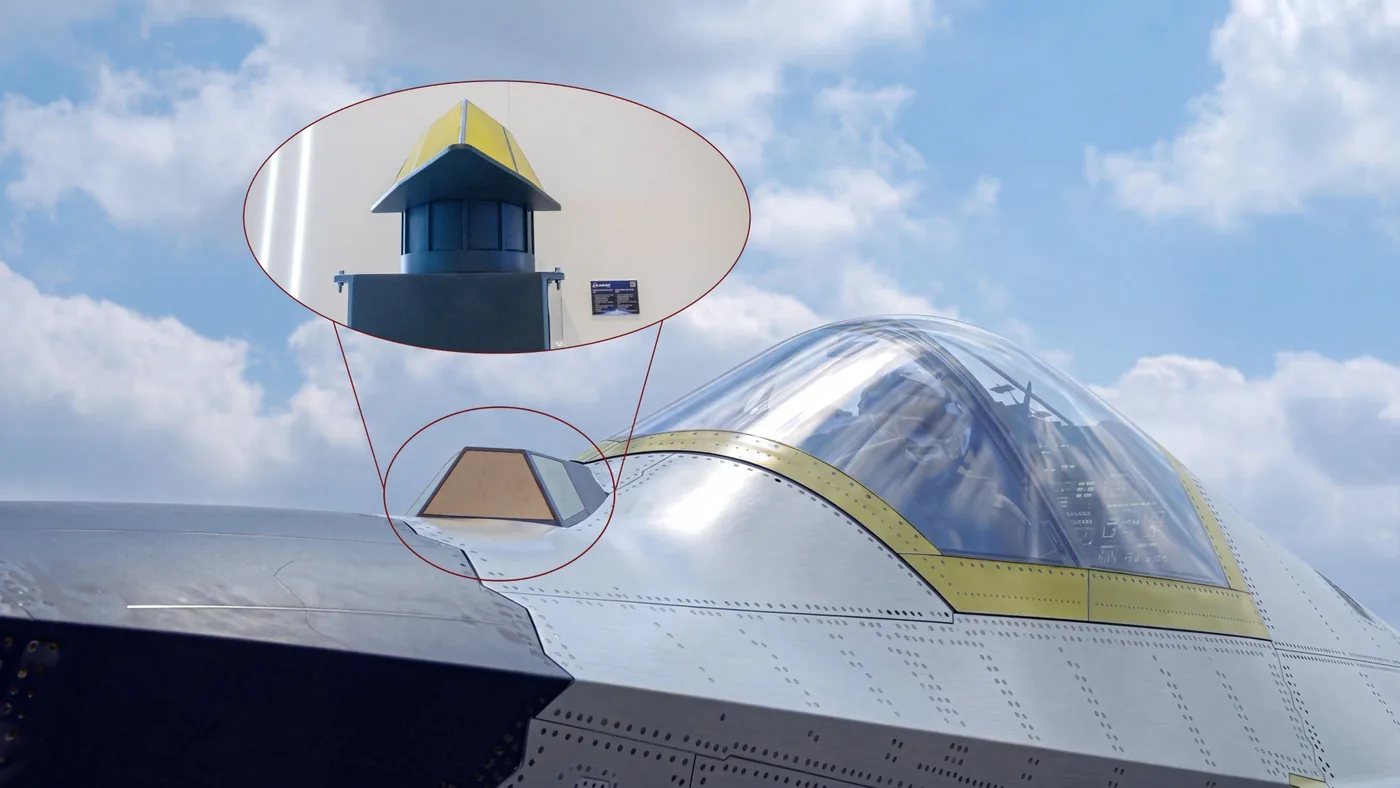
KAAN is a twin-engine, fifth-generation fighter featuring low radar visibility, internal weapons bays, supersonic cruise capability (Mach 1.8 maximum) and a +9g / -3.5g maneuver envelope. It is being developed with indigenous sensors and AI-supported avionics, and is designed to carry Turkish-made munitions such as SOM, GÖKHAN, GÖKDOĞAN and BOZDOĞAN.
Exports
KAAN has already drawn export interest while still in development. Indonesia is reported to have committed to 48 KAAN aircraft, with industrial-cooperation discussions ongoing.
Key points
- KAAN’s newest prototype has begun low-speed taxi tests; footage was released on 31 July 2026.
- Testing covers engine response, braking, nose-wheel steering, landing gear and flight control systems.
- First flight is targeted “in a couple of months,” with two prototypes to fly by year-end.
- Early aircraft use the F110-GE-129; the indigenous TF35000 is set for integration from 2032.
- Serial production and first deliveries are targeted around 2028.
Sources
- TUSAŞ Media Center — official statements
- Defence Security Asia — “KAAN P1 Taxi Tests, Maiden Flight, TF35000, F110”
- Anadolu Agency (AA) — KAAN taxi tests