Germany’s Lithuania Deployment Gets a €250 Million Camp, and Rheinmetall Will Run It
Rheinmetall will build and operate a modular camp for up to 2,000 soldiers supporting the Bundeswehr’s deployment in Lithuania. Construction is valued at €250 million, with annual operating costs of €40 million.
The contract
The order comes from the Federal Office of Bundeswehr Infrastructure, Environmental Protection and Services (BAIUDBw). It is the first concrete award under the framework programme designated G-CAP II SU, where “SU” denotes static accommodation.
The camp is scheduled to enter service in mid-August 2027, with the order booked in Q3 2026. Once commissioned, Rheinmetall also takes on facility management, laundry and catering.
What G-CAP II covers
The framework exists to have the private sector provide the static accommodation the Bundeswehr needs during deployments and standby commitments. It is not limited to construction: manufacture, transport by sea, land or air, assembly, multi-year autonomous operation and eventual dismantling all sit under one contract.
The logic is resource management. Personnel and equipment tied up building and running a camp are personnel and equipment not available for combat tasks. Transferring the function to a contractor lets the Bundeswehr reserve its own capacity for high-threat scenarios.
Why Lithuania is different
Germany’s decision to station a permanent combat brigade in Lithuania is one of the sharpest breaks in postwar German military policy. It is the first time since the end of the Cold War that the Bundeswehr has deployed a permanent, full-strength combat formation abroad. The brigade is intended to reach full strength by the end of 2027.
Permanent basing demands different infrastructure from rotational presence. Rotational units can share existing host-nation facilities; a permanent brigade needs its own accommodation, maintenance, training and family support. Given Lithuania’s population and existing military estate, building at this scale from scratch was unavoidable.
The host nation’s share
The cost of permanent basing does not fall on the sending state alone. Lithuania is funding a substantial share of the ranges, road connections, power and water infrastructure the brigade requires. That burden sits behind the country’s decision to push defense spending toward 5 per cent of GDP.
It is a reminder that deterrence on NATO’s eastern flank is not measured in troop numbers alone. Whether a deployment is sustainable depends directly on host-nation infrastructure capacity.
Modular trade-offs
Modular construction buys speed and portability. Standardised units are factory-produced and assembled on site, entering service far faster than conventional concrete construction, and can be dismantled and relocated when a mission ends.
The trade is service life and running cost. Modular structures have a shorter useful life than permanent buildings, and the €40 million annual operating figure shows the price tag: over a decade of deployment, operating expenditure exceeds the construction cost.
Rheinmetall’s second leg
Rheinmetall has added logistics and infrastructure services alongside ammunition and armoured vehicle production. The company is also building a 155 mm ammunition plant in Lithuania. Read together, the camp contract and the industrial investment show a company establishing durable operational presence on NATO’s eastern flank.
The wider read
Deployable military infrastructure is one of the less-discussed export segments in the Turkish defense sector, and one with real potential. Turkish manufacturers have supplied container-based field hospitals, mobile command centres and field accommodation systems used on UN and NATO missions for years.
What the German case signals is a shift from one-off equipment sales to multi-year service contracts. Selling installation, operation and dismantling as a single package gives the manufacturer predictable revenue. With eastern-flank infrastructure demand set to grow, that model is worth Turkish suppliers’ attention.
Sources
- Rheinmetall AG corporate announcement, 26 August 2026
- European Defence Review (EDR Magazine), 26 August 2026
- hartpunkt, 26 August 2026
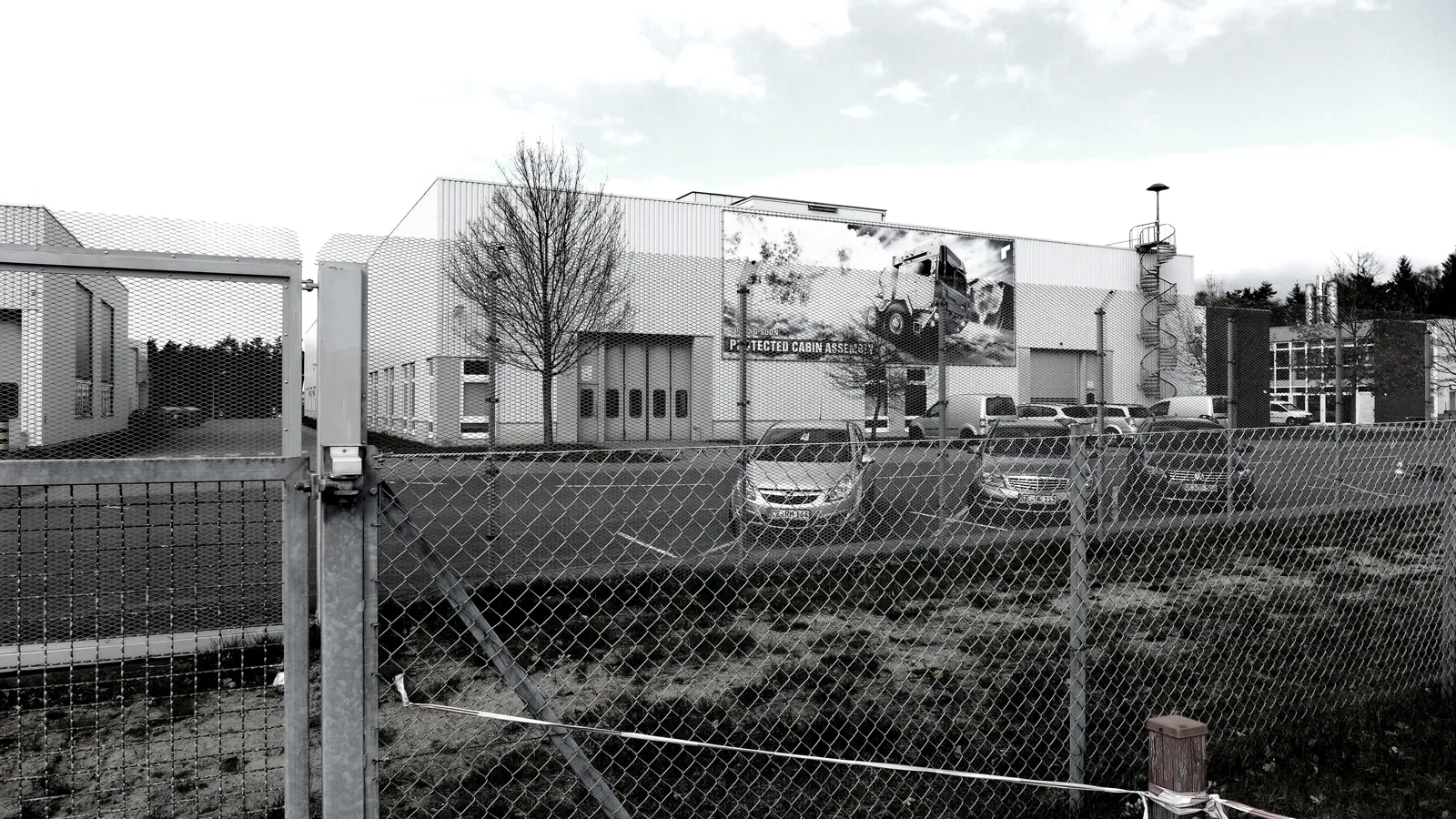
Image: Rheinmetall defence facility (representative). Source: Wikimedia Commons.