An Engine Maker Buys Its Way Into Armour: Deutz Shareholders Wave Through the FFG Deal

German industry has been quietly rearranging itself around defence demand for two years. On 24 August 2026 one of those rearrangements cleared its last internal hurdle: the extraordinary general meeting of Cologne-based engine manufacturer Deutz AG approved, almost unanimously, the capital increase needed to acquire tracked armoured vehicle builder FFG Flensburger Fahrzeugbau Gesellschaft for roughly €1.6 billion.
How the deal is structured
Deutz agreed terms in early July. The price splits into €1.0 billion in cash and €0.6 billion in newly issued Deutz shares. That second component is the interesting one: FFG’s owning families are not cashing out and walking away. They take a stake of up to 29.9 percent in Deutz and become long-term anchor shareholders.
The 29.9 percent figure is not accidental. German capital markets law triggers a mandatory takeover offer once a holder crosses 30 percent; the structure was built to sit just underneath it. The result is a company whose largest shareholder is the former owner of the business it just bought — good for long-term commitment, and a governance question that shareholders will keep watching.
The capital increase required a three-quarters majority of votes cast, and cleared it comfortably. Had it failed, the equity leg would have collapsed and Deutz would have had to rebuild the financing from scratch. Closing now depends on regulatory clearances, expected between late 2026 and the first quarter of 2027.
What FFG actually does
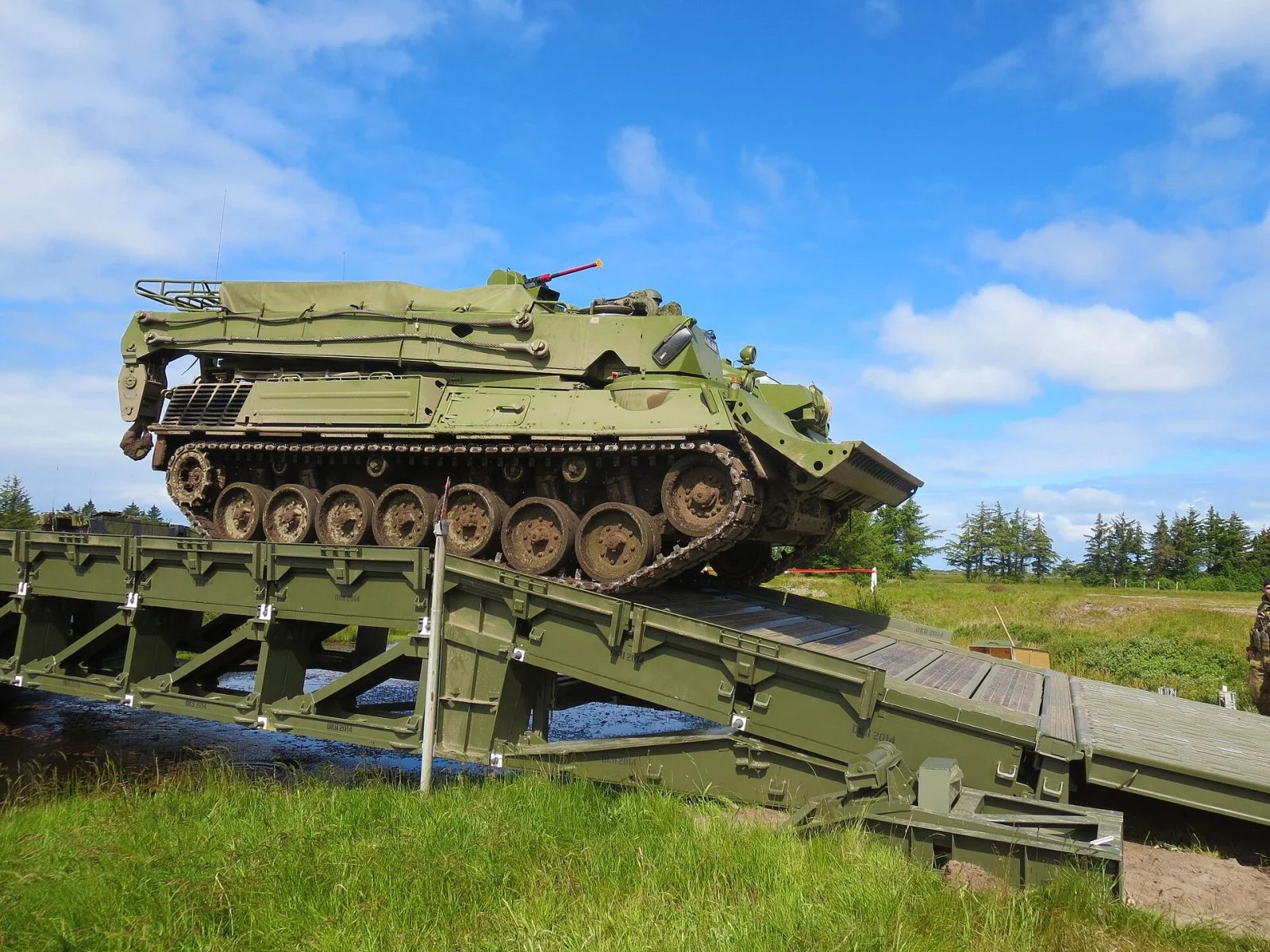
FFG is one of those German firms with low public visibility and high functional weight. Based in Flensburg, it builds, upgrades and sustains tracked armoured vehicles. Its own products include the Wisent family of armoured recovery and engineering vehicles and the PMMC G5 tracked personnel carrier. Alongside that sits a large refurbishment business: Leopard 1 and Leopard 2 hulls, M113 derivatives, and used platforms reworked for second-hand markets.
That profile maps precisely onto what Europe currently needs. Replacing inventory sent to Ukraine, returning stored platforms to service and closing equipment gaps on NATO’s eastern flank is a refurbishment problem far more than a clean-sheet production problem.
Deutz’s logic
Deutz is not new to defence — its engines have powered military vehicles for years — but it sat low in the supply chain. Buying FFG moves it from component supplier to platform manufacturer.
The commercial reasoning is straightforward. Deutz’s traditional markets — construction, agriculture, material handling — are cyclical and under electrification pressure. Defence, by contrast, offers budgeted, long-dated and growing demand, with German spending decisions giving the land systems segment roughly a decade of visibility.
The outcome is a third mid-sized player alongside Rheinmetall and KNDS. It will not compete with them in main battle tank production, but in support vehicles, engineering platforms and upgrade work it becomes a serious competitor.
Part of a wider consolidation wave
The Deutz-FFG transaction is not an isolated event. Civil industrial firms across Europe — automotive suppliers, machinery builders, electronics companies — have spent two years either acquiring defence assets or standing up defence lines, hedging shrinking civil demand against expanding military orders.
The upside is capacity: Europe’s chronically discussed production shortfall closes a little with each of these deals. The risk is institutional. Firms arriving from outside defence still have to learn export control, security vetting and multi-decade sustainment commitments — disciplines that are not optional and not quick to acquire.
What comes next
With the shareholder vote done, closing now rests with competition authorities and Germany’s foreign-investment and security review regime, which has tightened notably in recent years. Both parties being German smooths that path without making it automatic.
The real test comes after closing: whether Deutz can carry its engine-side manufacturing discipline into a vehicle line, and integrate FFG’s order book and sustainment contracts without disrupting them. That, rather than the price tag, will determine whether €1.6 billion was well spent.
Sources
- Deutz AG extraordinary general meeting announcements and investor communications, July-August 2026
- FFG Flensburger Fahrzeugbau product documentation
- hartpunkt, esut.de, 24 August 2026