UK Forces’ Training and Operations Squeezed by Budget Gap: Defense Chief Sounds the Alarm

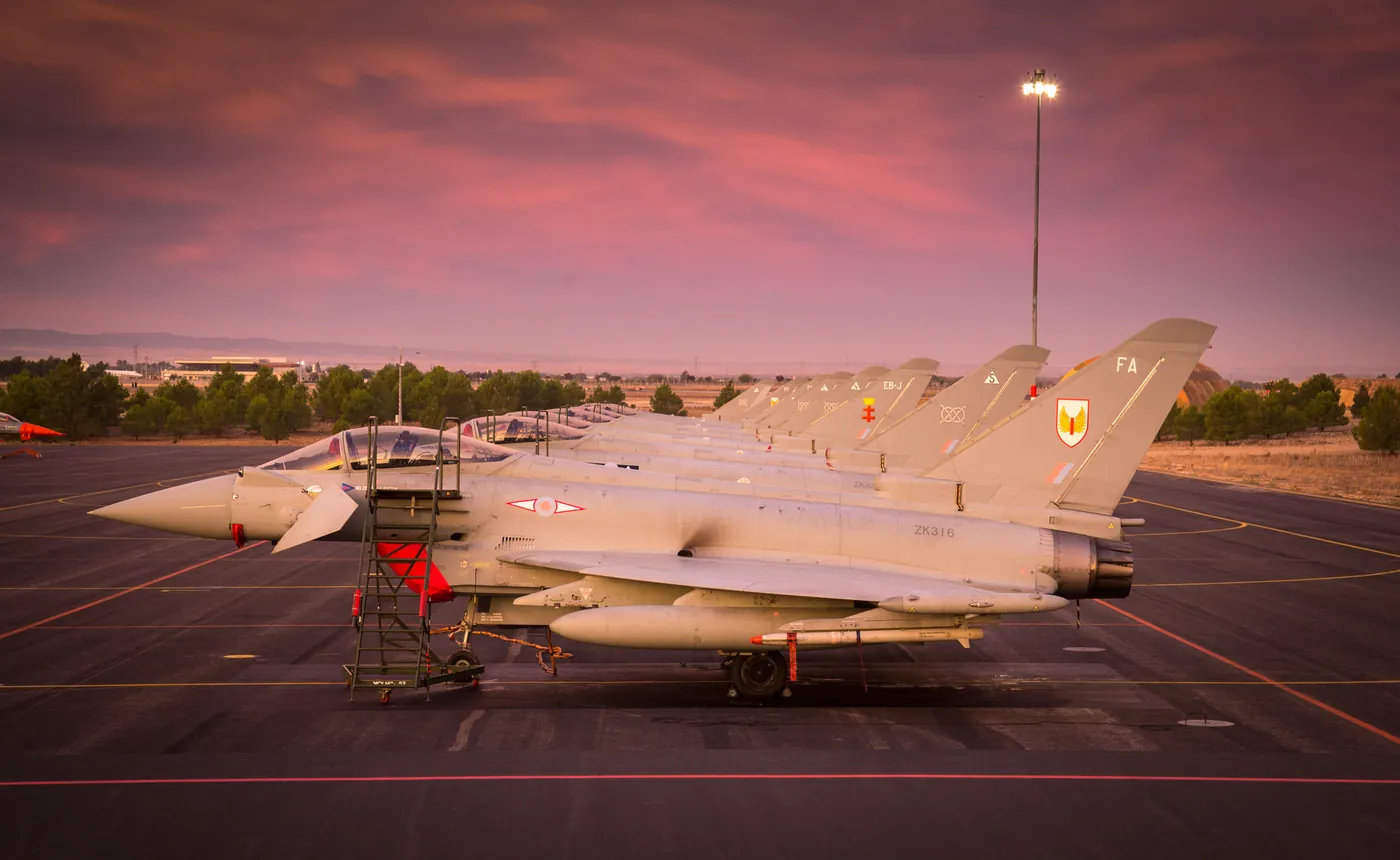
The UK Armed Forces may be forced to cut back on training, exercises and day-to-day operations because of a funding gap in the defense budget. Chief of the Defence Staff Air Chief Marshal Sir Richard Knighton, in testimony to Parliament, warned that without additional funding the military will have to pull back its activities.
By Knighton’s account, the problem stems at its core from the Ministry of Defence planning to spend more than the budget it holds for the period ahead. The defense chief summed up the situation, saying, “We are in a position where we are forecasting to spend more than the budget we currently have.” That picture makes it harder to meet existing commitments and modernize the force at the same time.
Which areas are most at risk?
In his assessment to the committee, Knighton said he was most concerned about the day-to-day (operational) budget set aside for live operations and exercises. These activities span a wide geography stretching from the NATO area to the Middle East. In other words, the risk of cuts is concentrated less in long-term equipment programs not yet committed and more in the line items that can directly affect the forces’ day-to-day readiness in the field.
A concrete sign of the budget pressure is the structural shift in the spending balance. According to Knighton, twenty years ago the ratio between resource (operating) spending and capital (investment) spending was roughly 80 to 20; today that balance is 60 to 40, and by 2030 it is expected to turn into 50 to 50. As the operating side’s share erodes, a marked rise in fuel costs and an operational tempo that has reached levels unseen since the Cold War put further strain on the budget in the field.
The disputed shortfall figure: GBP 28 billion
The British press reported that over the next four years the Ministry of Defence faces a funding gap of roughly GBP 28 billion just to cover its existing commitments. But the official status of this figure is disputed. In his testimony to the House of Commons Defence Committee, Knighton declined to confirm the GBP 28 billion shortfall claims put to him and characterized the reports as “speculation.”
As a result, the precise size of the gap has not been clearly shared with the public. What made the picture even thornier was the turmoil on the political front: Defence Secretary John Healey resigned on the grounds that the government’s defense investment plan “falls significantly short of the level needed to defend the country in this dangerous period.” That development showed that the gap between the military’s needs and the resources political will can spare is not merely an accounting matter.
Big programs with ballooning costs
Part of the pressure on the budget comes from long-running, high-cost investment programs. Foremost among them are the Dreadnought-class nuclear submarines, the sixth-generation GCAP fighter development project, the Type 26 frigates and the Ajax armored vehicle program. These items are set to occupy the investment side of the defense budget for many years.
| Topic | Situation as relayed by Knighton |
|---|---|
| Operating/investment balance (20 years ago) | About 80 / 20 |
| Operating/investment balance (today) | About 60 / 40 |
| Operating/investment balance (2030 forecast) | About 50 / 50 |
| Area of greatest concern | Live operations and exercises day-to-day budget |
| Shortfall cited in press (unconfirmed) | ~GBP 28 billion over 4 years |
The European and NATO context
The debate in the UK coincides with a period in which defense spending is being reshaped across Europe. As pressure within NATO for member states to raise the resources they devote to defense continues, the alliance’s agenda is discussing spending targets that climb, over the long term, to as much as 5 percent of gross domestic product. That backdrop lifts London’s funding squeeze out of being merely a national budget problem and makes it part of a broader debate over readiness and deterrence.
The British military leadership’s core aim is to move the forces from a structure focused on short, limited operations to a posture ready for protracted, high-intensity conflict. But with the day-to-day operations and training budget under pressure, there is serious tension in the funding leg of that transformation.
Knighton’s warning came at a time when the political decision on whether additional resources will be provided is drawing near. How much budget reinforcement the government makes in the period ahead will also determine which exercises and operations are preserved and which are cut.
Open-source verification notes
- The warning by Chief of the Defence Staff Air Chief Marshal Sir Richard Knighton — that operations, exercises and training will be cut without additional funding — appeared in multiple independent sources.
- The statements on the operating/investment spending ratios (80/20 → 60/40 → 50/50) were attributed directly to Knighton.
- The ~GBP 28 billion shortfall figure cited for the four-year period was “reported” in the press; however, Knighton did not confirm it before the committee and called it “speculation.” The figure is therefore not definitive but at the level of a claim.
- The resignation of Defence Secretary John Healey and his stated rationale rest on press sources.
- The information that individual equipment programs (Dreadnought, GCAP, Type 26, Ajax) are straining the budget rests on open-source reporting.
Sources
- Militarnyi — “UK Armed Forces Training and Operations Under Threat Due to Budget Shortfall”
- Bloomberg — “UK Military Faces Cuts to Operations Without Additional Defense Funding” (16 June 2026)
- Defense News — “UK running out of time to boost defense as investment plan stalls, military chief warns”
- UK Parliament / House of Commons Defence Committee testimony transcripts (Hansard)