Netherlands Redirects Air-Defence Frigate Toward the Strait of Hormuz


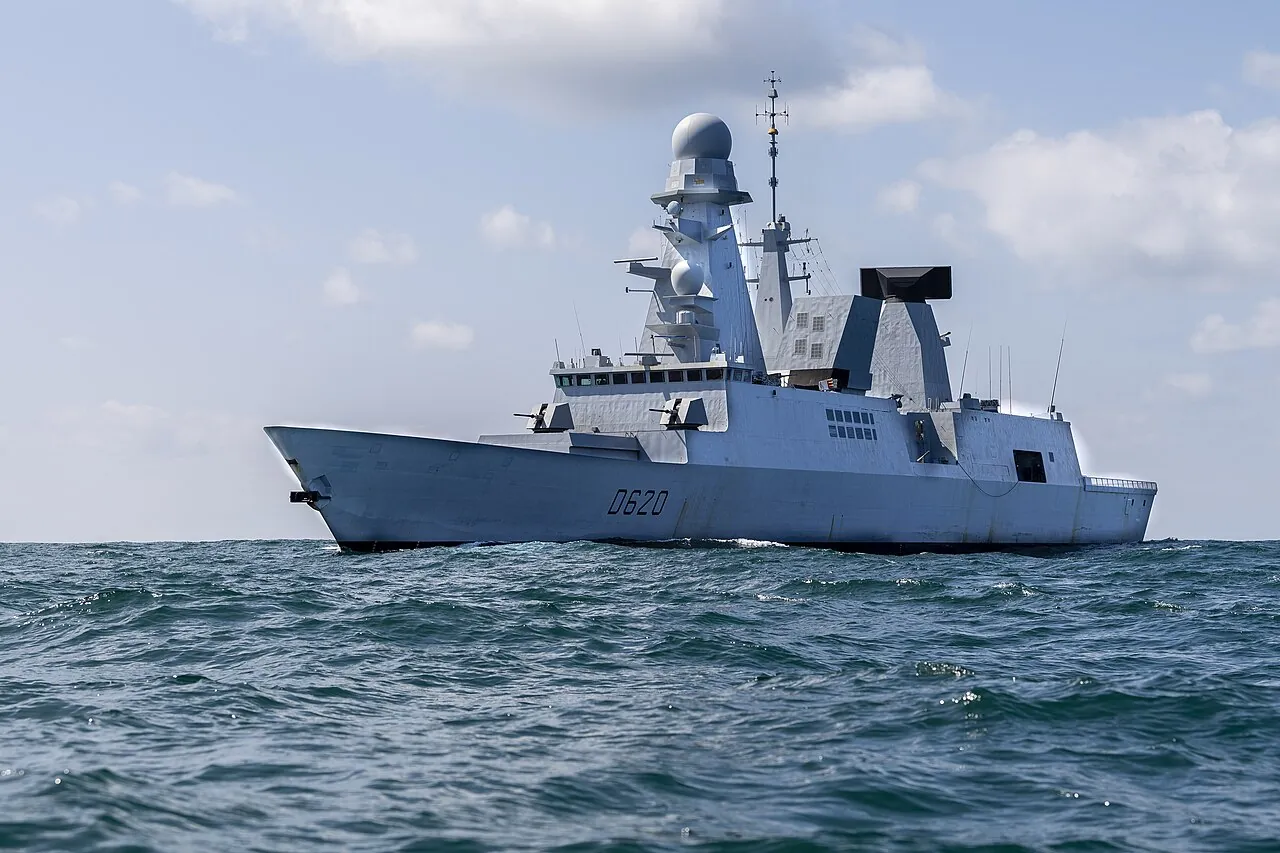
According to Defence Industry Europe, a Royal Netherlands Navy air-defence frigate was sent toward the Strait of Hormuz, as the cabinet considers a possible multinational mission.
| Country | Netherlands |
| Platform | Air-defence frigate |
| Region | Strait of Hormuz / Gulf |
| Context | Regional tension, navigation security |
| Date | 22 June 2026 |
Hormuz and Energy Security
The Strait of Hormuz is a critical chokepoint for global oil and LNG shipments. Regional tensions directly threaten sea-lane security, prompting navies to head for the strait. Air-defence frigates protect both ships and sea space against missile and drone threats.
Multinational Maritime Security
Navigation security in the Gulf is often provided by a multinational task force. The Dutch move is one example of European navies seeking to contribute to regional stability.
Why It Matters for Turkey
Sea-lane security carries direct strategic weight for Turkey, whose energy and exports depend on it. Barbaros and İ-class frigates and TCG assets give the Turkish navy the capacity to contribute to regional maritime security. Turkey is an actor across waters from the Mediterranean to the Gulf with indigenous ships and sensors.
Indigenous platforms like MİLGEM and the İ-class let Turkey contribute to maritime security without external support — autonomy in energy and trade security.
Frequently Asked Questions
Why Hormuz?
A critical chokepoint for global oil and LNG; tension threatens sea lanes.
What does an air-defence frigate do?
Protects ships and sea space against missile and drone threats.
Turkey’s role?
Contributing to regional maritime security with Barbaros, İ-class and MİLGEM assets.
Bottom Line
The Dutch frigate move shows Gulf tension spilling onto sea lanes. Turkey can contribute independently to regional maritime security with indigenous frigates and sensors.
Sources
- Defence Industry Europe — deployment detail