Iraq’s New Air Defense Buildup: ASELSAN Korkut Joins South Korea’s M-SAM II Missiles

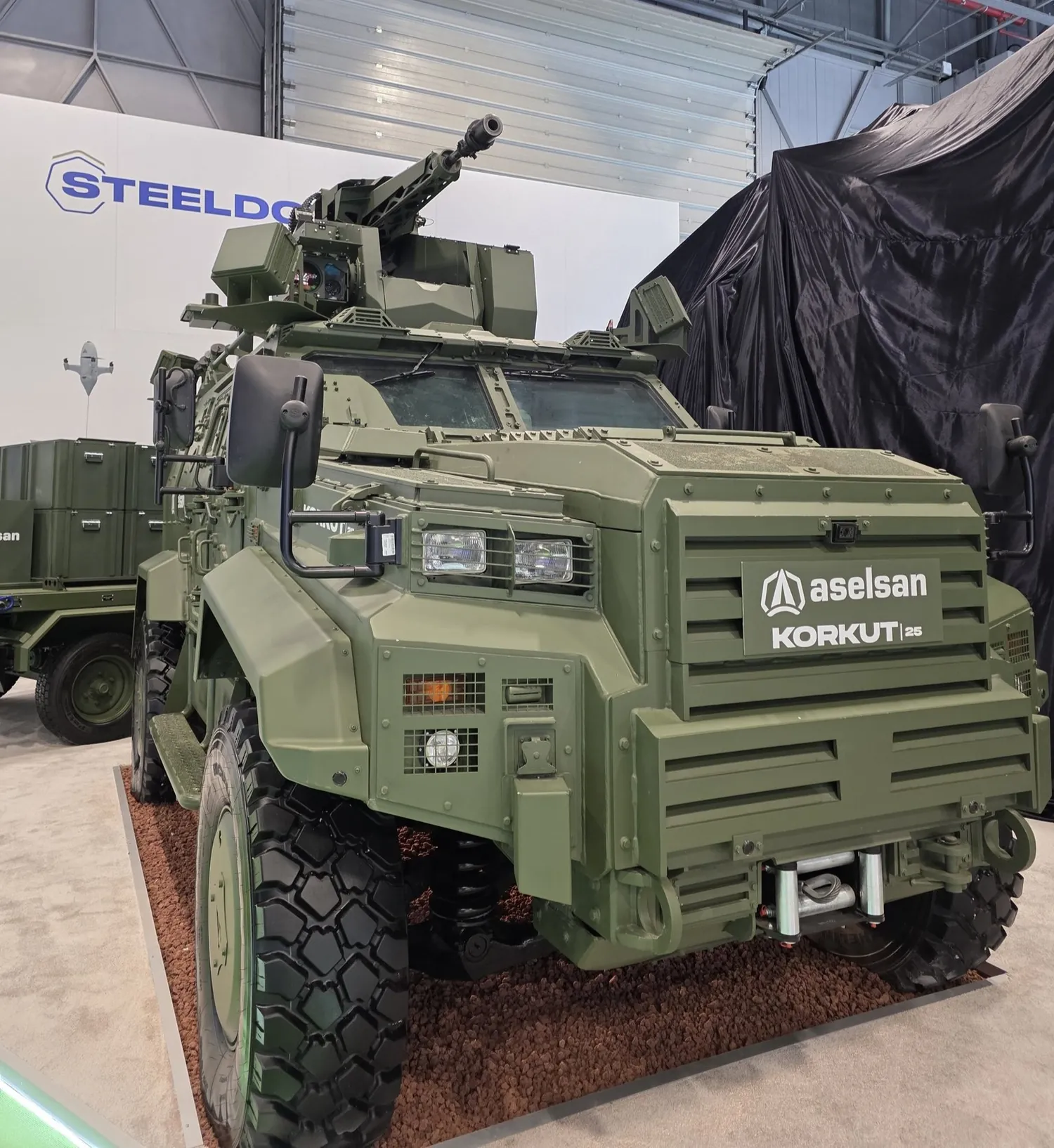
Iraq is rebuilding its air defense architecture around systems from two different suppliers. Alongside South Korea’s medium-range Cheongung-II (M-SAM II) missile batteries, Turkish-made ASELSAN Korkut counter-drone systems are entering Iraqi service to plug the low-altitude gap.
- What happened: Iraq is layering its air defenses with a medium-range missile system and a short-range counter-drone gun in parallel.
- Who: South Korea’s LIG Nex1 and Turkey’s ASELSAN.
- How much: Eight Cheongung-II (M-SAM II) batteries worth roughly $2.8 billion (signed in 2024), plus 20 Korkut systems.
- Why it matters: Iraqi airspace has been repeatedly breached in recent years, and the legacy Avenger and Pantsir-S1 inventory is seen as no longer sufficient.
Baghdad’s push for layered air defense
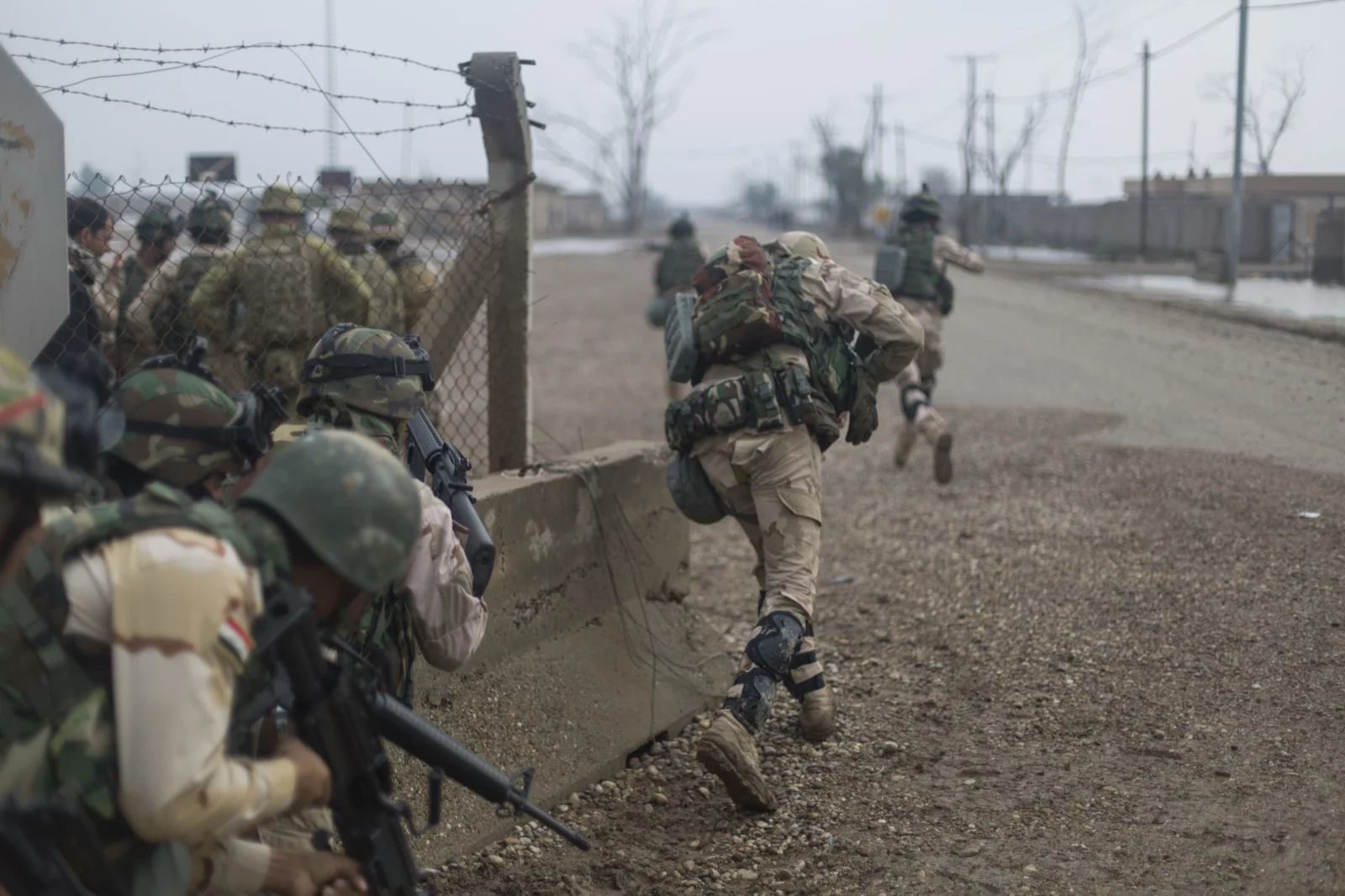
Iraqi airspace has been penetrated repeatedly in recent years. Dozens of aircraft used Iraqi skies from different directions during the regional escalation of summer 2025, while the spring 2026 Iran-Israel conflict brought a spillover surge in missile and drone traffic. Baghdad’s long-standing Avenger systems and Russian-made Pantsir-S1s are now considered inadequate against either low-flying commercial-grade drone swarms or medium-range ballistic threats.
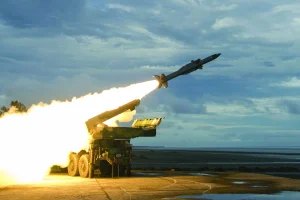
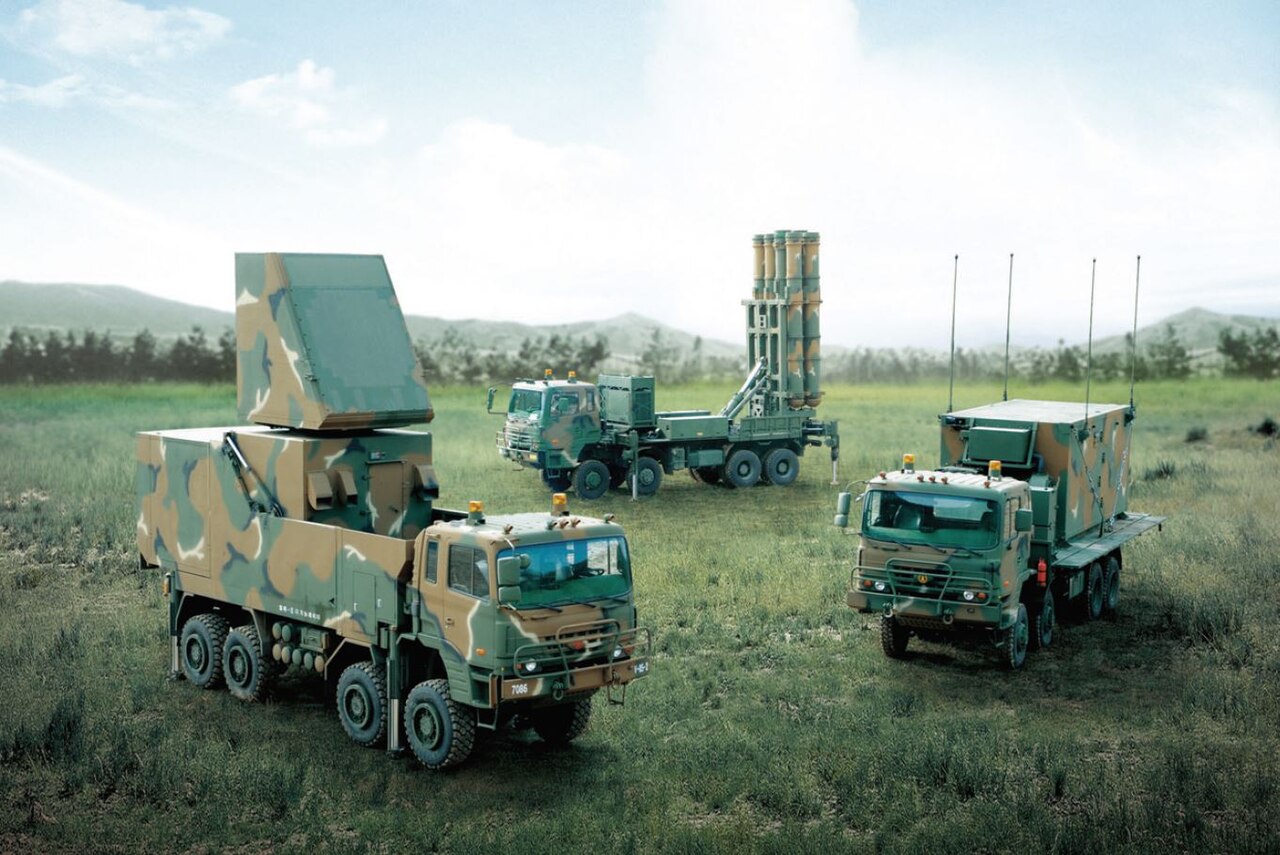
Rather than relying on a single supplier, Iraq is combining complementary systems from two countries to close that gap. LIG Nex1’s Cheongung-II — marketed internationally as M-SAM II — covers the medium-to-high altitude layer with active radar guidance, a range of up to 40 kilometers and an intercept ceiling of about 15 kilometers. Under an approximately $2.8 billion deal signed in late 2024, eight batteries carrying a combined 256 ready-to-fire missiles are set to be delivered, with per-battery costs reported at roughly $350 million.
Korkut closes the low-altitude gap
A medium-range missile umbrella alone leaves the most exposed layer uncovered — the low altitudes where commercial quadcopters and small reconnaissance drones slip through. Iraq plans to close that gap with 20 units of ASELSAN’s Korkut, a system that pairs twin 35mm automatic cannons with an AESA radar and an electro-optical sighting suite in a single platform, engaging drones out to roughly 1,200 meters. That gun-based approach acts as a cost filter, sparing expensive guided missiles from being expended against cheap commercial drones — an approach the war in Ukraine has pushed to the center of modern air defense doctrine.
The Iraqi order gives Korkut one of its most concrete export references in the Middle East. The system had previously found buyers in markets such as Qatar and Turkmenistan; its selection by one of the region’s most exposed countries adds another data point to ASELSAN’s growing short-range air defense export footprint.
| Specification | Cheongung-II (M-SAM II) | ASELSAN Korkut |
|---|---|---|
| Manufacturer | LIG Nex1 (South Korea) | ASELSAN (Turkey) |
| Role | Medium-range air/missile defense | Short-range counter-drone |
| Range | ~40 km | ~1,200 m (gun range) |
| Altitude ceiling | ~15 km | Low altitude |
| Guidance/sensors | Active radar homing | AESA radar + EO/IR sighting |
| Armament | Missile | Twin 35mm automatic cannon |
| Iraq order | 8 batteries / 256 missiles | 20 systems |
What is Korkut?
Korkut is ASELSAN’s self-propelled, short-range air defense system, built on the FNSS tracked platform. After entering Turkish Armed Forces service, it has become an attractive option for countries seeking low-cost firepower against small UAS threats, and has also been showcased on a wheeled configuration through a joint venture with Germany’s CSG. Its main advantage is sustaining a defense line against swarming small drones at a fraction of the cost of missile-based engagements.
Sources
- Army Recognition, “Iraq’s New Air Defense Strategy Combines Korean M-SAM II Missiles With Turkish Counter-Drone Systems”
- ASELSAN official product pages
- LIG Nex1 corporate statements