Turkey’s 104 Kamikaze Sea Drone Program Takes Shape: Aselsan Tufan, STM Yaktu, and Havelsan Swarms Are Coming to the Navy

According to information reported by Defense Express (en.defence-ua.com), Turkey’s kamikaze USV program has officially gained a framework with the procurement of 104 units approved by SSB in February 2026 and allocated to three main domestic companies. The contract, divided into 40 vehicles for Aselsan, 32 for STM, and 32 for Havelsan, elevates the Turkish Naval Forces’ surface unmanned strike capability to brigade level in a single move. The design philosophy of the system is based on a quad “swarm” concept; 104 vehicles mean 26 tactical swarms operating simultaneously.
| Total procurement: 104 kamikaze USVs | Decision date: February 2026 (SSB) |
| ASELSAN: 40 Tufan | STM: 32 Yaktu |
| HAVELSAN: 32 units (model not yet announced) | Swarm doctrine: 4-vehicle tactical unit |
| Sea trials: June 2026 | Fleet integration: 2027 |
Background: From Albatros to Tufan and Yaktu
According to statements supported by SSB published by Anadolu Agency since 2023, Turkey’s first major breakthrough in the kamikaze USV field was the ALBATROS-S developed by Aselsan. In a series of tests conducted in the Black Sea in October 2023, the ALBATROS-S destroyed a target ship within a swarm of eight vehicles; this marked the world’s first recorded joint swarm attack by a USV and UAV. The Tufan in the new program is a relatively large platform in this line: 8.5 meters long, with a maximum speed of approximately 90 km/h, a range of 370 km, and capable of carrying a Mk 82 class 250 kg equivalent warhead. The STM Yaktu, with its compact 5.8-meter hull, is positioned as a model suitable for faster mass production, lower radar signature, and sudden attack missions in narrow waters.

Details: Production Sharing of the Program
According to technical comparisons featured in Daily Sabah’s defense pages and analyses dedicated to the Turkish USV series by Interesting Engineering, the sharing among three companies directs the systems towards different mission profiles. Aselsan’s Tufan is designed for open sea ambush missions with a heavy strike role for large-tonnage submarines; STM Yaktu is tailored for short-range, fast, and low-cost operations in crowded bay/channel environments; while the Havelsan platform is being optimized for a different tactical concept that has not yet been shared with the public. The table below summarizes the comparative table.
| Parameter | ASELSAN Tufan | STM Yaktu | HAVELSAN |
|---|---|---|---|
| Order quantity | 40 | 32 | 32 |
| Length | 8.5 m | 5.8 m | — |
| Speed | ~90 km/h | Similar (compact) | — |
| Range | ~370 km | Near sea | — |
| Warhead | ~250 kg (equivalent to Mk 82) | Not disclosed | — |
| Swarm size | 4 vehicles | 4 vehicles | 4 vehicles |
NATO and Regional Context: The Age of USVs in the Black Sea and Eastern Mediterranean
As emphasized in Breaking Defense’s analyses of Baykar K2 and STM AI-guided kamikaze drones in recent months, swarm attacks with unmanned surface vehicles (USVs) have transformed into the fundamental naval warfare doctrine of the Black Sea after 2022. While Ukraine’s Magura and Sea Baby type USVs have inflicted serious losses on Russian naval elements in Sevastopol, NATO’s eastern flank aims to rapidly integrate this concept into its inventory. Turkey’s move with 104 platforms represents not only a national scale initiative but also signifies a new layer of attack awaiting tasks on the NATO Black Sea front. Under the Blue Homeland doctrine, fleet defense, EEZ protection, and port approach line security missions in the Eastern Mediterranean will also shift towards these swarms.
What Does This Mean for Turkey?
This program is a concrete validation of the superiority that the Turkish defense industry has achieved in maritime unmanned systems worldwide. The domestic USV series, starting with ARIDA, ULAQ, and MARLIN; has now been enhanced to strike capacity with ASELSAN ALBATROS and now Tufan, along with STM Yaktu. The fact that three main domestic companies share the same program — a rarity in a sector dependent on foreign suppliers — proves the maturity of Turkey’s domestic production ecosystem. The independence achieved by KAAN in the 5th generation air dimension, SİPER in strategic air defense, and BAYKAR and TUSAŞ in the UAV segment is now crowned with the Aselsan-STM-Havelsan trio in surface unmanned platforms. The serial production of 104 platforms elevates Turkey to the position of the first country within the NATO alliance to possess an advanced USV swarm doctrine.
On a strategic level, this has a clear meaning: Turkey is gaining the ability to deter enemy major surface elements in both the Black Sea and the Eastern Mediterranean in a balanced and cost-effective manner. The “strike from afar, retreat” understanding of the Blue Homeland doctrine is being realized with 104 AI-supported platforms. Additionally, this program serves as a significant reference for Turkish companies’ export lines: parties such as Gulf countries, Pakistan, and Indonesia have entered the official bidding process for Tufan and Yaktu.
Frequently Asked Questions
What is the main difference between Tufan and Yaktu? Tufan is a heavy strike platform designed for open sea missions, measuring 8.5 meters in length. Yaktu, on the other hand, is more compact at 5.8 meters; optimized for shallow waters and rapid operations.
What does swarm doctrine mean? Units of four vehicles operate together, share autonomous tasks, continue the swarm mission even if some are downed, and approach targets from multiple fronts simultaneously.
Why is the name of the Havelsan model secret? Havelsan’s USV has different architecture for its front equipment and mission systems; the company seems to have postponed the official announcement until after the 2026 IDEF or SAHA Expo.
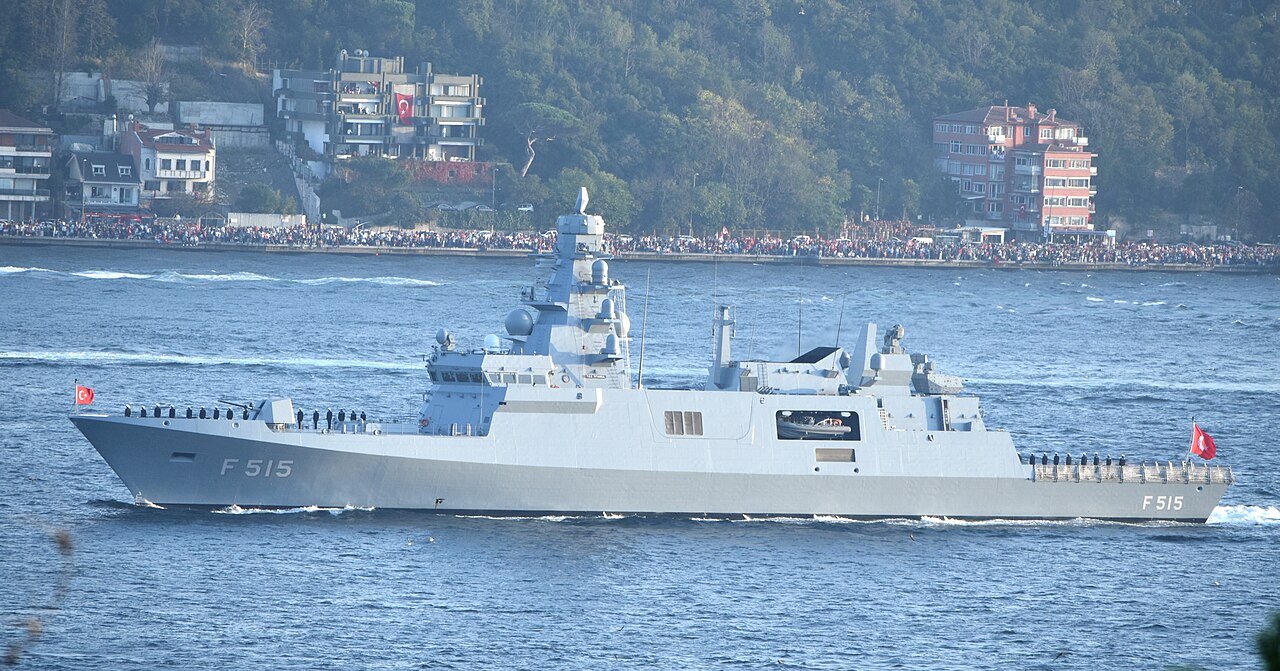
Which ship classes will these USVs be derived from? The frigates of the İstif class (TCG Istanbul), MILGEM corvettes, and LST class landing ships are considered the main materiel platforms; dock-based operations are also included in the scenarios.
Is the program export-oriented? The first phase is for the Turkish Navy; however, contracts maintain the flexibility for ASELSAN and STM to establish new production lines in case of foreign demand.
Conclusion
The Turkish kamikaze USV program, consisting of 104 platforms, is not just a procurement decision but a doctrinal turning point. The events in the Black Sea have proven that swarm unmanned surface attacks are the asymmetric weapon of 21st-century naval warfare. Turkey is strengthening both its national defense and export line by bringing this concept to the field through a single source, single procurement contract with three domestic companies.
Sources
- Defense Express (en.defence-ua.com): Four Drones Per Swarm, 104 Total: Turkiye’s Kamikaze Maritime Drone Program Takes Shape, May 23, 2026.
- Anadolu Agency (AA): Turkey tests naval kamikaze drone ‘Albatros’.
- Army Recognition: Turkish Navy successfully tests Albatros S kamikaze naval drone (2023 archive — contextual).
- Interesting Engineering: Turkey unveils two autonomous naval strike drones with 230-mile reach.
- Breaking Defense: Baykar unveils K2 Kamikaze drone with AI, swarming capabilities (contextual).
- Daily Sabah: Turkish drone teams with kamikaze naval vessel in landmark joint operation.