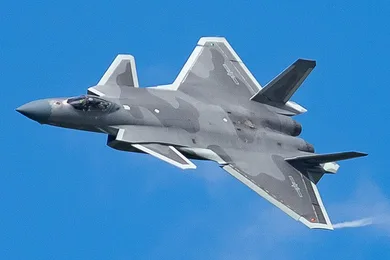
The tail-less Chinese J-36 fighter appears in a new model: the sixth-generation tri-engine aircraft performs a sharp maneuver.


- Aircraft: Chengdu (CAC) J-36, unofficial designation; sixth-generation contender
- New Sightings: July 23, 2026; potential fifth flying prototype
- Design: Tailless, diamond-shaped double delta wing, three engines
- Innovation: Redesigned two-dimensional thrust vectoring nozzles and DSI inlets
- Size: Maximum takeoff weight estimated in the range of 50-55+ tons
Debate on Tailless Design Agility
The new footage captured the massive tri-engine prototype in the same maneuver that analysts had questioned the tailless structure’s ability to perform — a sharp turn-climb. The J-36 lacks vertical tail surfaces; instead, the two-dimensional thrust vectoring nozzles reclaim a significant portion of the lift and agility authority that the missing tail would have provided. This is a hallmark of sixth-generation thinking: reducing aerodynamic surfaces to lower the radar signature and then compensating for lost control with engine and software.
The prototype also features redesigned DSI inlets, a new landing arrangement, and changes in the inlet-exhaust mix. Each new structure hints at the program’s direction, from airflow management to thermal and radar signatures.

Why Three Engines?
The standout feature of the J-36 is its triple-engine configuration, unlike most contemporary fighters. This choice may serve the necessary thrust for a massive airframe, sustained supersonic flight at high altitude, and a huge internal volume for fuel and armament. With a maximum estimated takeoff weight exceeding 50-55 tons, the J-36 seems closer to a long-range ‘regional dominance’ platform than to a traditional fighter — as range and payload become critical across the vast Pacific distances.
China’s readiness to unveil the program so clearly shows that the sixth-generation race is no longer confined to the United States (F-47 NGAD) and Europe (GCAP). Even relying on uncertain open-source observations, the J-36 remains the clearest evidence so far of the future Chinese air power doctrine.
J-36 — Known/Estimated Characteristics
| Manufacturer | Chengdu Aircraft Corporation (CAC) |
| Category | Sixth generation candidate (unofficial designation) |
| Wing | Tailless, diamond-shaped double delta |
| Engines | Tri-engine configuration |
| Thrust Control | Two-dimensional thrust vectoring nozzles |
| Inlet | Redesigned DSI |
| Maximum Takeoff Weight | ~50-55+ tons (estimated) |
| First Appearance | Late 2024; potential fifth prototype on July 23, 2026 |
What Does the Sixth Generation Promise?
The sixth generation concept revolves around very low-observable tailless structures, long range, open-architecture mission software, collaboration with loyal wingman drones, and AI-enhanced mission management. The large J-36 airframe and its three engines provide the physical foundation for much of this — particularly range, payload, and onboard power generation.
The Turkish national fighter Kaan, officially classified as fifth generation, follows a design philosophy that leaves — with its open architecture and block-based development roadmap — a growth path towards sixth generation capabilities. Programs like the J-36 remind once again of the pace of this global race and the strategic weight of possessing a sovereign fighter.

Sources
- Army Recognition — “Potential fifth J-36 model…” (July 23, 2026)
- The Defense Post; 19FortyFive; Open-source satellite and imagery analysis
- Wikipedia — Chengdu J-36 (Context)