Ejder Yalçın Deliveries & Inventory: How Many Built, and Which Countries Operate It? (2026)
Summary Not Found.
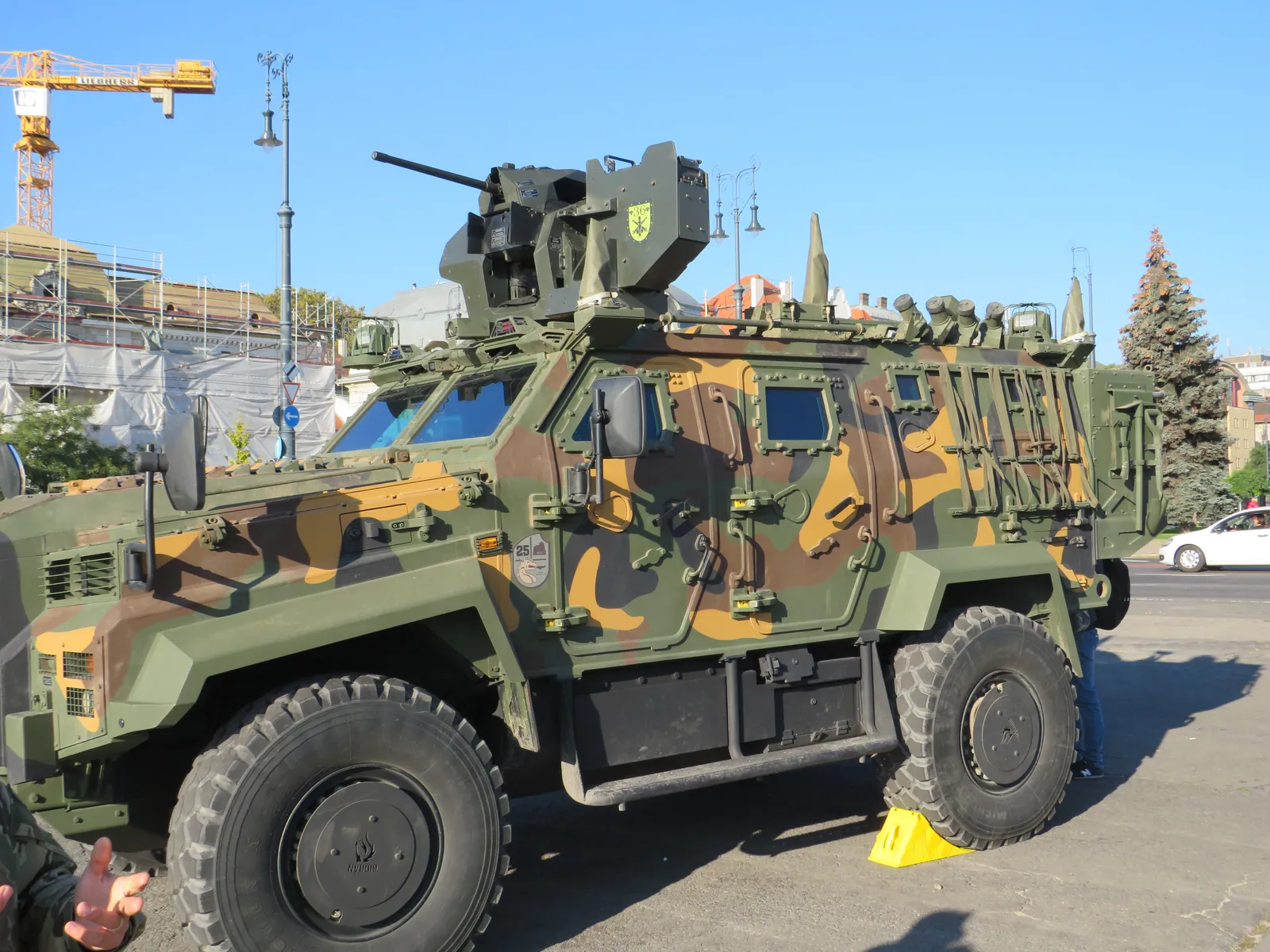
Ejder Yalçın 4×4 — in Hungarian service as the ‘Gidran’. Source: Wikimedia Commons (CC BY-SA 4.0).
Ejder Yalçın 4×4 is a tactical wheeled armored vehicle built by Türkiye’s Nurol Makina. It entered Turkish Armed Forces service around 2015 and quickly became one of Türkiye’s most-exported land vehicles. Produced in Hungary under the name Gidran, it is one of the rare Turkish platforms to enter the NATO and EU market.
This dossier compiles its delivery timeline, operators, export contracts and technical data from open sources and is updated regularly.
~2015
First service — Turkish forces
1,800+
Nurol Makina fleet (20+ countries)
Hungary
400+ vehicles, first EU member
STANAG 4
Ballistic/mine protection
Contents: Tap each heading to expand — what the Ejder Yalçın is, operators, first delivery, how many, exports, field use, timeline, specs, peer comparison, variants, manufacturer and FAQ.
What is the Ejder Yalçın?
The Ejder Yalçın 4×4 is a modular tactical armored vehicle offering high protection against mine and IED threats. Its all-welded steel hull provides protection up to STANAG 4569 Level 4, making it one of the most protected vehicles in its class.
Its modular design allows adaptation to many missions — from troop carrier to missile/mortar carrier, air-defense platform and command vehicle — making it attractive for both internal security and conventional roles.
Which institutions and countries operate it?
The Ejder Yalçın serves with Türkiye’s security forces and an expanding export network. The table summarises operators and order sizes per open sources.
Country / Institution
Units
Note
Türkiye (Army / Gendarmerie)
Hundreds
Exact figure not disclosed
Hungary (Gidran)
400+ (through 2031)
6th country, first EU; local production
Uzbekistan
1,024 (reported)
Largest export order
Qatar
342 (reported)
Open source
Tunisia
150
Open source
Senegal
25
UN mission (Africa)
Malaysia
20
UNIFIL (MALBATT)
Georgia / Morocco
—
Operator (Morocco: first N. Africa)
Some order figures (Uzbekistan, Qatar) appear in open sources as total/framework contracts and may differ from delivered quantities.
When was the first delivery? When did production start?
Unveiled in the early 2010s, the Ejder Yalçın entered Turkish service around 2015. Positive operational results accelerated its move into export markets.
The first export contract was signed in 2017, followed by orders across Africa, Central Asia and Europe. Production continues at Nurol Makina’s Ankara facilities, with a local line established in Hungary.
How many have been built and delivered?
Per open sources, Nurol Makina has reached a fleet of around 1,800 vehicles in 20+ countries, the bulk of which is the Ejder Yalçın family. Hungary’s order of over 400 alone shows the scale of exports.
Production continues amid rising export demand, with the company offering multiple mission configurations on a common hull to improve scale and cost-effectiveness.
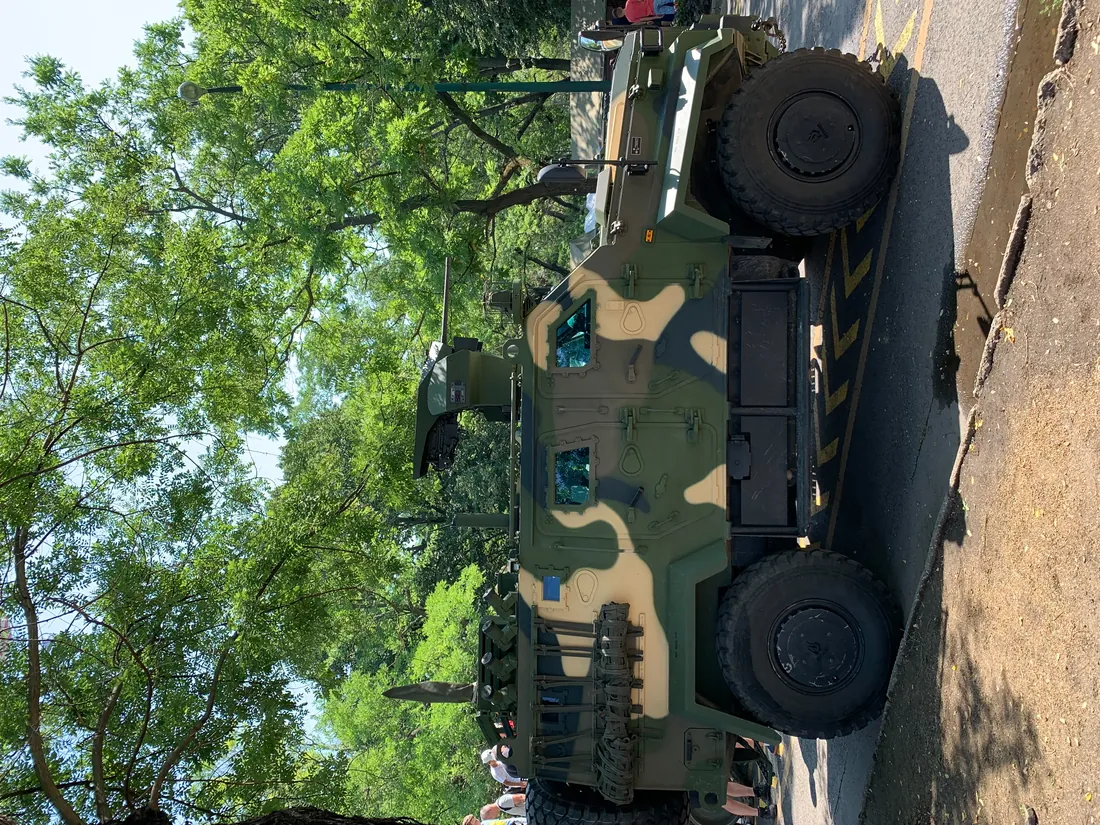
A Hungarian Armed Forces Gidran (Ejder Yalçın 4×4) in Budapest. Source: Wikimedia Commons (CC BY-SA 4.0).
Exports: Hungary, Uzbekistan, Qatar and Africa
The Ejder Yalçın is one of Türkiye’s export showcases. The Gidran deal with Hungary was a strategic step placing the vehicle in an EU member’s inventory with local production. Uzbekistan and Qatar stand out with large orders, while Tunisia, Senegal, Morocco and Georgia are also operators.
Strategic significance: Hungary’s choice of the Ejder Yalçın is seen as concrete proof that Turkish land vehicles meet NATO standards and European market expectations.
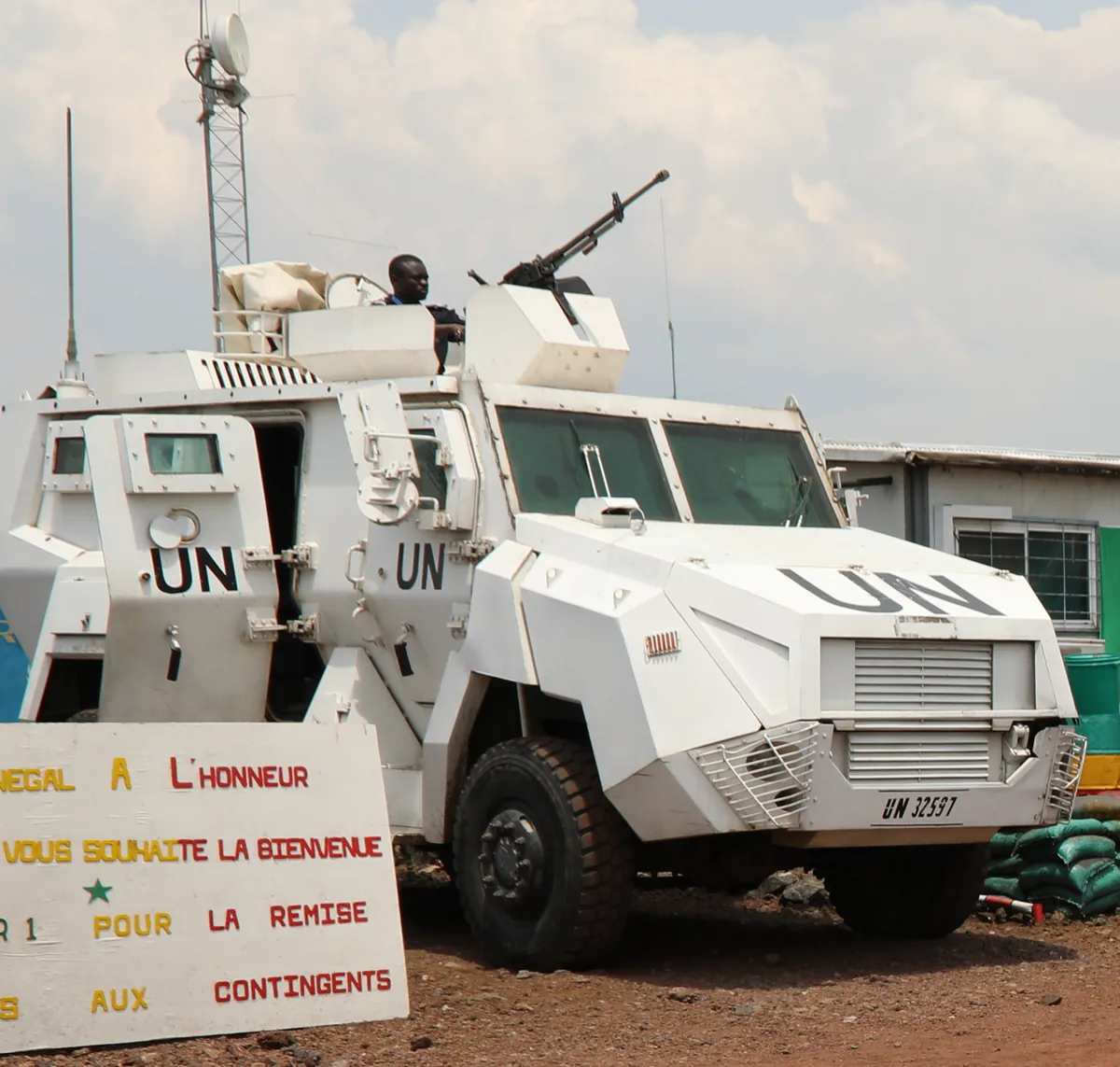
The Ejder Yalçın with a Senegalese police unit on UN duty (Goma, 2019). Source: Wikimedia Commons (CC BY-SA 2.0).
Field performance and roles
The Ejder Yalçın has been used in Türkiye’s border and internal security operations and in UN missions. Its use by Senegal’s UN Formed Police Unit demonstrated the platform’s reliability in international peacekeeping.
Its high protection and modular mission capability allow many tasks — convoy protection, reconnaissance, tank destroyer, air defense — to be performed through a single logistics chain, reducing training and maintenance burden.
Delivery and export timeline
Date
Event
Party
Source
~2015
Entered Turkish Armed Forces service
TSK
Open source
2017
First export contract
—
Defense News
2018–2019
Deployed on UN duty
Senegal
Open source
2020
Gidran contract signed
Hungary
Türkiye Today
2024
UNIFIL order (20)
Malaysia
Open source
Feb 2025
Batch delivery (100+)
Hungary
C4 Defence / AA
2031
Completion of 400+ vehicles (plan)
Hungary
Türkiye Today
Technical specifications
Feature
Value
Class
4×4 tactical wheeled armored vehicle (MRAP class)
Weight
~14 tonnes
Dimensions
5.4 × 2.5 × 2.3 m
Crew / capacity
2 + 9
Engine
Cummins diesel ~375 hp
Range
~700 km
Protection
STANAG 4569 Level 4 (ballistic + mine/IED)
Armament
Remote weapon station (7.62 / 12.7 mm / 40 mm); missile, mortar and air-defense integration
Comparison with global peers
The Ejder Yalçın competes with Australia’s Bushmaster, the US JLTV (Oshkosh) family and South African-origin MRAPs. With STANAG 4569 Level 4 protection and a 2+9 capacity, it matches — and on protection often leads — these peers.
Its real edge is consolidating a wide mission set on one platform and offering flexible export models such as local production and technology transfer. Establishing a production line in the buyer country, as with Hungary, is an advantage many Western rivals do not provide.
Variants and mission configurations
Armored personnel carrier (APC)
Border security and reconnaissance
Missile / mortar carrier
Air-defense platform
Command and control
CBRN reconnaissance
Mine/IED detection and disposal
Tank destroyer
Armored ambulance
Manufacturer: Nurol Makina
The Ejder Yalçın is built by Nurol Makina. Its export success lifted the company hundreds of places in global defense rankings and made it one of Türkiye’s leading armored-vehicle exporters.
Alongside the Ejder Yalçın, the company expands its range with platforms such as the Ejder 6×6 and NMS, offering an integrated land-vehicle family across tonnages and missions.
Why it matters for Türkiye
The Ejder Yalçın shows that Türkiye’s defense industry can export not only products but also production technology and co-production models. The Hungarian partnership proved this model works in the European market too.
Its broad export network brings Türkiye both revenue and diplomatic influence, while scaling the domestic land-vehicle ecosystem and strengthening the supply chain.
Frequently Asked Questions
How many Ejder Yalçın have been built and exported?
Per open sources, Nurol Makina has around 1,800 vehicles in service across 20+ countries, mostly the Ejder Yalçın family. Hungary alone will receive over 400 vehicles through 2031.
Which countries operate the Ejder Yalçın?
Beyond Türkiye, operators or customers include Hungary (Gidran), Uzbekistan, Qatar, Tunisia, Senegal, Georgia, Morocco and Malaysia.
When did the Ejder Yalçın enter service?
It entered Turkish Armed Forces service around 2015, with the first export contract signed in 2017.
What is the Gidran?
Gidran is the Hungarian designation of the Ejder Yalçın 4×4. Hungary was the 6th country and first EU member to select it, with part of production carried out locally.
How much protection does it offer?
Its all-welded steel hull meets STANAG 4569 Level 4 — above the Kirpi’s Level 3 — protecting against heavier ballistic and mine threats.
What roles does the Ejder Yalçın perform?
Troop transport, border security, reconnaissance, command and control, missile/mortar carrier, air defense, tank destroyer, CBRN reconnaissance, mine/IED detection and armored ambulance.