Otokar COBRA II Deliveries Explained: Which Countries, and How Many Exported?
Summary Not Found.
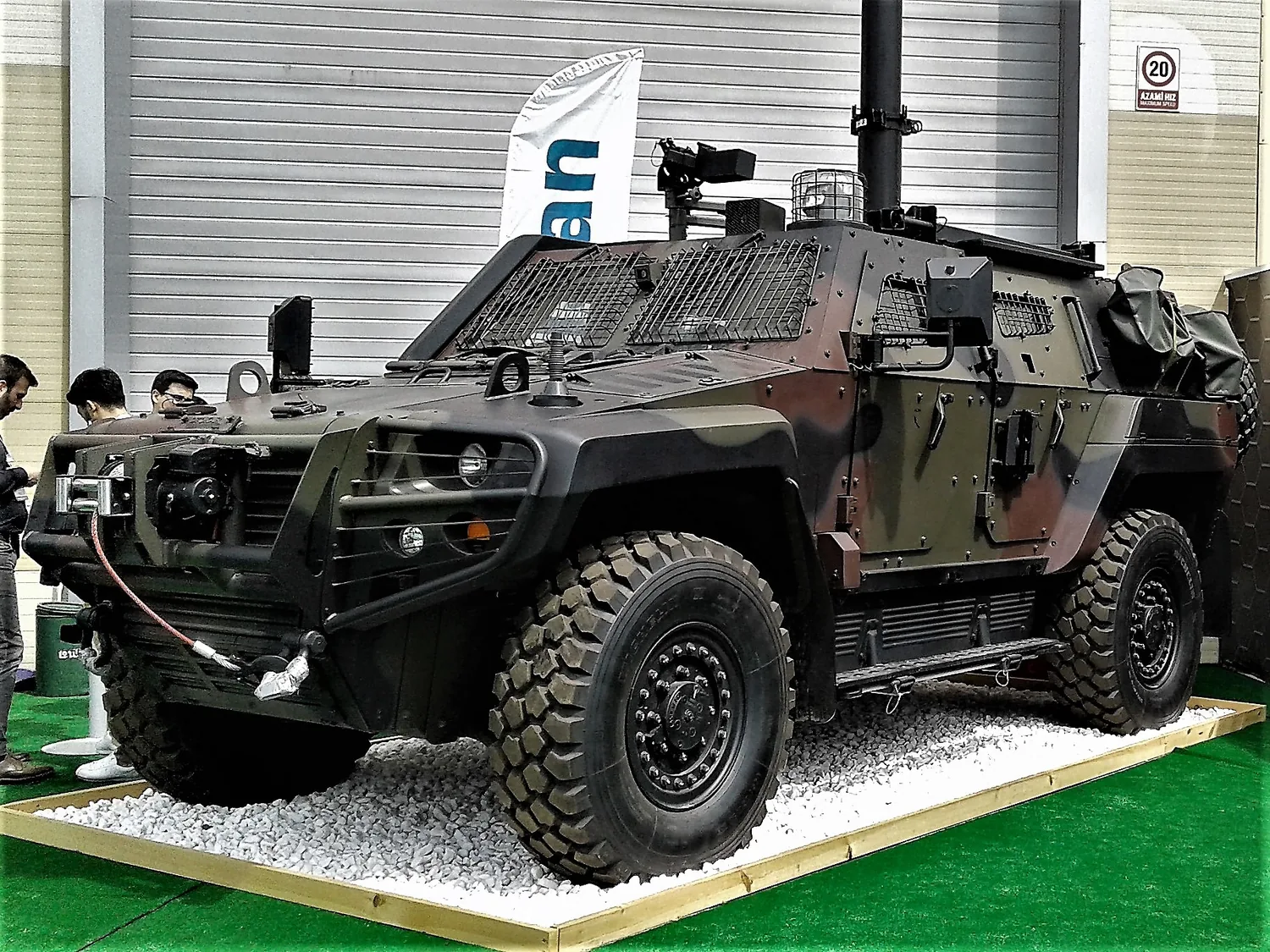
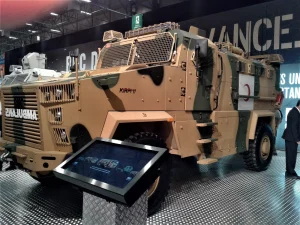
The Otokar COBRA II 4×4 tactical wheeled armored vehicle. Source: Wikimedia Commons (CC).
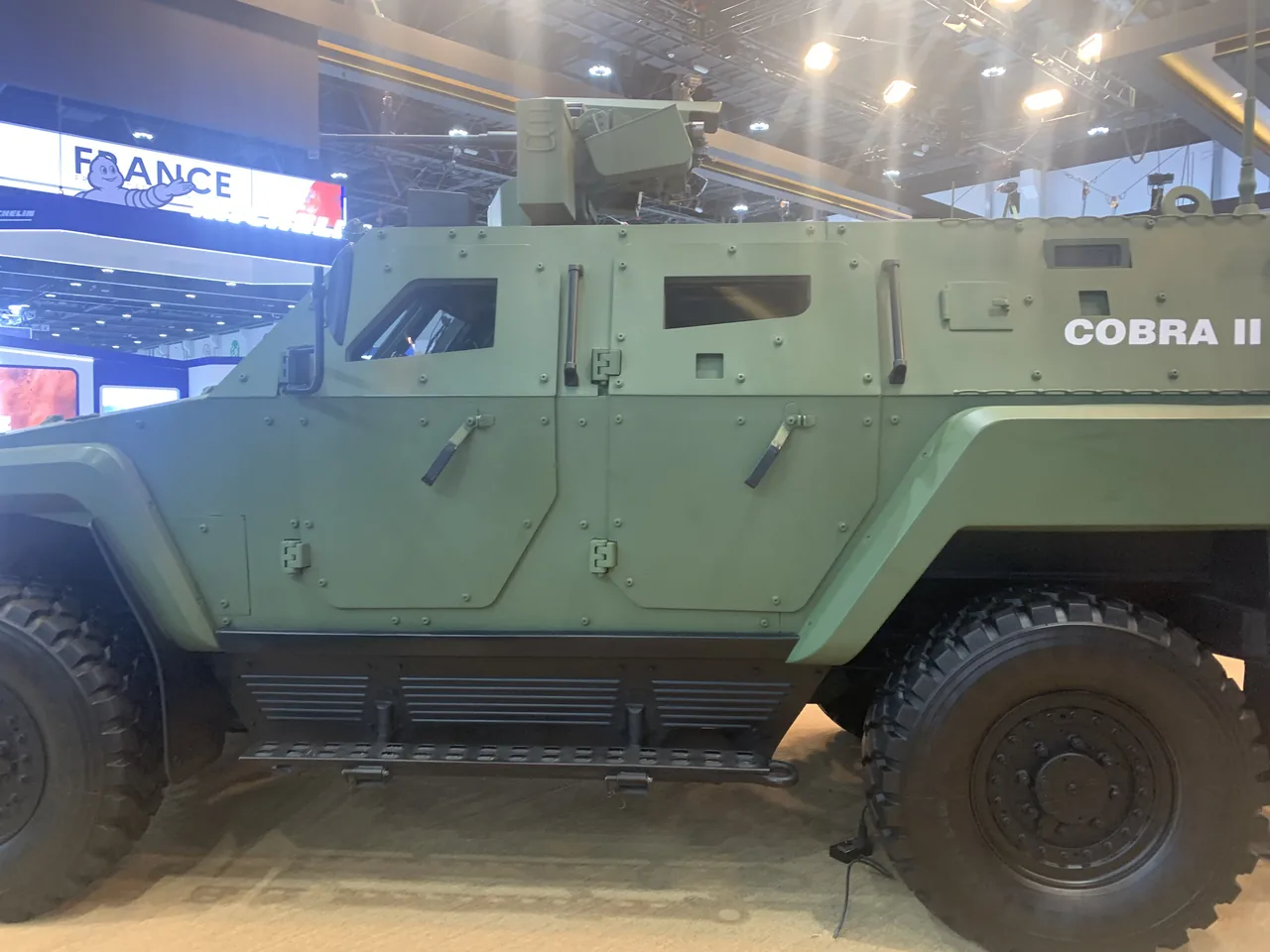
COBRA II is a 4×4 tactical wheeled armored vehicle developed by Otokar. Successor to the first-generation Cobra, COBRA II entered Turkish Armed Forces service in 2017 and is today operated by more than 20 users in 13 countries. With a monocoque armored hull, modular architecture and high mobility, COBRA II has become a preferred platform for both internal security and combat roles. This dossier compiles COBRA II’s service entry, operators, export deliveries and technical data from open sources.
The wide user base built up since the 1990s, as the first-generation Cobra was exported to dozens of countries, created a natural market for COBRA II; many existing Cobra operators are moving to the new generation for its greater protection and modularity.
2017
Entered Turkish service
13 countries
20+ users
200 units
Morocco order ($136M)
9 troops
Capacity
Contents: Tap each heading to expand or collapse — what COBRA II is, operators, service entry, exports, timeline, specs and FAQ.
What is COBRA II?
COBRA II is Otokar’s new-generation 4×4 tactical wheeled armored vehicle, built on the experience of the first Cobra. It uses a monocoque armored hull, independent suspension and an open-architecture electronic backbone, improving ballistic and mine protection while enabling quick integration of different mission kits.
The vehicle can be configured as an APC, weapons platform, CBRN reconnaissance, ground surveillance radar, internal security, ambulance or command-and-control variant — a flexible platform shaped to each user’s needs.
Which institutions and countries operate it?
COBRA II serves with the Turkish Armed Forces and Gendarmerie and the security forces of many countries, standing out as a leading Turkish armored-vehicle export.
Operator
Status
Turkish Armed Forces
Active (since 2017)
Gendarmerie
Active
Exports (Morocco, Romania, etc.)
13 countries, 20+ users
Service entry and exports
COBRA II entered Turkish service in 2017. Exports then took center stage: Morocco bought 200 COBRA II vehicles for the Royal Armed Forces for $136 million, while Romania began producing the vehicle domestically — showing COBRA II has become not just an export but a co-produced platform.
Otokar continues to sign new export contracts, and the vehicle is an increasingly visible option for allied nations’ tactical armored-vehicle needs.
COBRA II, monokok zırhlı gövdesiyle. Kaynak: Wikimedia Commons (CC).
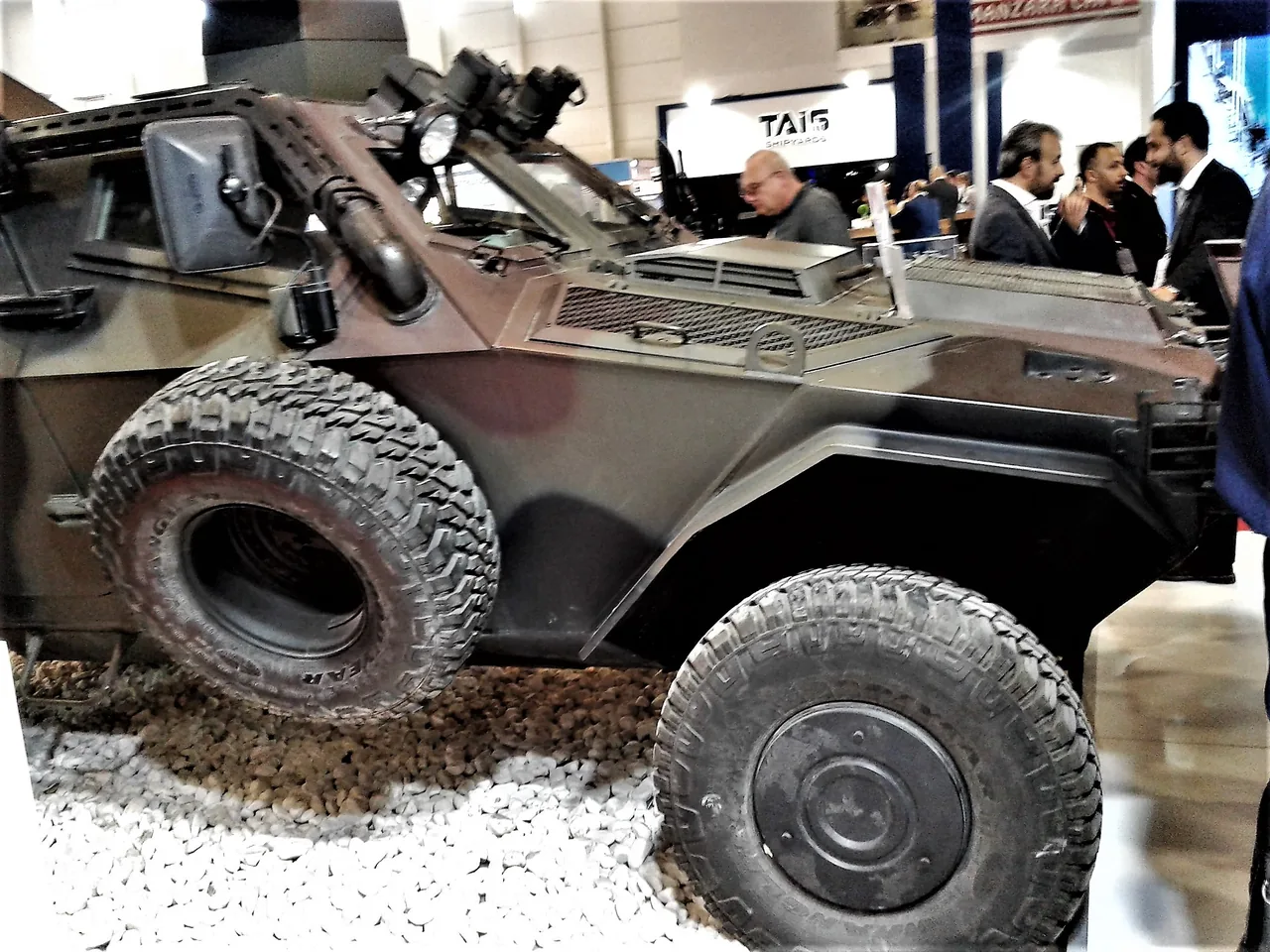
COBRA II’nin selefi olan ilk nesil Otokar Cobra. Kaynak: Wikimedia Commons (CC).
From the first Cobra to COBRA II
COBRA II was developed on the experience of Otokar’s first-generation Cobra, produced since the 1990s and exported to many countries, giving Otokar a wide user base. COBRA II advances that legacy with higher protection, more internal volume and a modular architecture — a natural upgrade for existing Cobra users and an attractive option for new customers.
Why it matters for Türkiye
COBRA II is one of the platforms symbolizing the Turkish defense industry’s export strength in land vehicles. A user base spanning 13+ countries brings export revenue and long-term training, maintenance and spares relationships. Romania’s local production shows Otokar can export not just a product but production technology.
At home, COBRA II strengthens the tactical mobility of the Turkish military and Gendarmerie with domestic production, while its many configurations let a single platform meet many needs.
Another important aspect of COBRA II is its high readiness and low operating cost. A widespread spare-parts network and relatively simple maintenance keep the vehicle in service with field units for long periods — a critical advantage for armies operating across large geographies. Its open architecture also makes life-cycle upgrades with new systems easier.
The international user base Otokar has built with the Cobra and COBRA II forms one of the backbones of the Turkish defense industry’s export ecosystem. Each new deal brings training, logistics support and modernization services, creating long-term, sustainable relationships. In this sense COBRA II is less a one-off sale than a gateway to a lasting partnership.
In short, COBRA II reflects the maturity Türkiye has reached in the tactical wheeled armored-vehicle segment. At home it strengthens the mobility of the Turkish military and Gendarmerie through domestic production, while abroad it represents Turkish engineering in the security forces of dozens of countries. Rising protection demands, the spread of urban operations and asymmetric threats will keep demand for vehicles in this class alive for years to come, and the COBRA II family is expected to keep evolving with new configurations and upgrades.
Configurations and mission flexibility
One of COBRA II’s greatest strengths is its adaptability to many roles on a single hull. Thanks to its open-architecture electronics and modular design, the vehicle can be configured as an armored personnel carrier, a combat vehicle with a remote weapon station, a CBRN (chemical-biological-radiological-nuclear) reconnaissance vehicle, a ground-surveillance radar carrier, an ambulance, a command-and-control vehicle or an internal-security variant.
This flexibility is a major advantage for procurement and logistics: a user nation can meet the needs of different units through a common platform and a shared spare-parts pool. Independent suspension and a strong powertrain let the vehicle operate effectively in both urban operations and demanding terrain.
COBRA II’s export success shows that Türkiye can offer not just a platform but training, integration and on-site production packages. Romania’s local assembly line exemplifies a cooperation model that lets buyer nations involve their own industries, laying the groundwork for long-term partnerships and follow-on orders.
Frequently Asked Questions
When did COBRA II enter Turkish service?
Otokar COBRA II entered Turkish Armed Forces service in 2017.
How many countries operate COBRA II?
COBRA II is operated by more than 20 users across 13 countries today.
What is COBRA II’s notable export deal?
Morocco bought 200 COBRA II vehicles for $136 million, and Romania began producing the vehicle domestically.
How many troops does COBRA II carry?
COBRA II has a capacity of 9 personnel.
What missions can COBRA II perform?
Its modular design allows APC, weapons platform, CBRN reconnaissance, surveillance radar, ambulance and command-and-control configurations.