BAE Systems: Eurofighter Typhoon in New Capability Phase — Turkey the 10th Customer

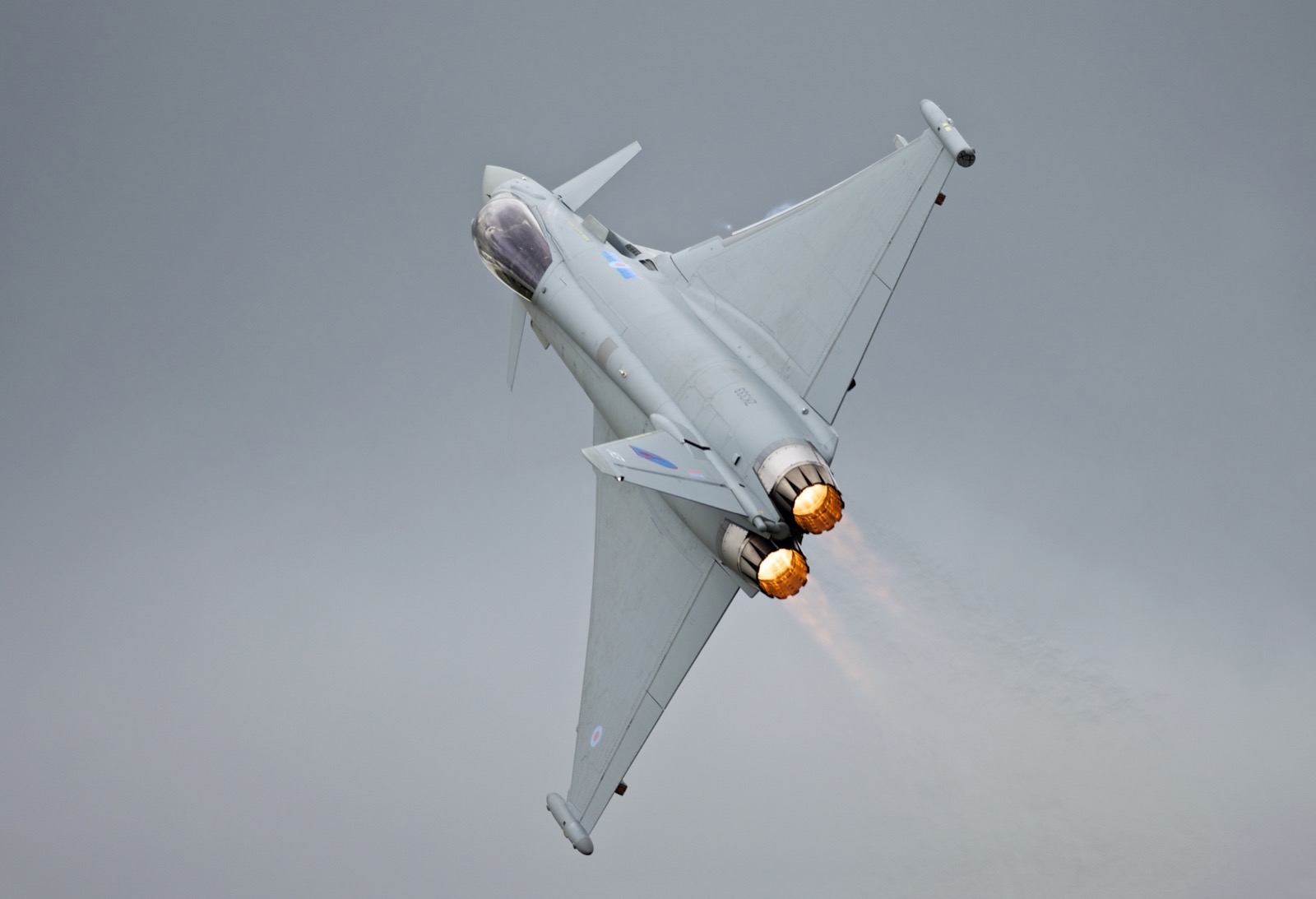
BAE Systems announced that the Eurofighter Typhoon has entered a new capability phase with APKWS precision rockets, the next-generation ECRS Mk2 radar, and a mission computer that is 200 times faster. Turkey is listed as the 10th Typhoon customer.
According to a news report by Defence Industry Europe dated May 24, 2026, BAE Systems completed the integration of APKWS guided rockets into the RAF’s Typhoons stationed in the Middle East in a record time of six months. It took six months from concept to the first test flight, and less than two months from the test flight to operational deployment in the RAF. The company presents this speed as “proof of how quickly engineering teams responded to customer needs.”
APKWS: affordable precision, a response to UAV issues
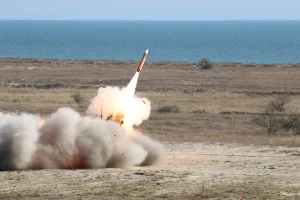
BAE Systems introduced the integration of the APKWS guided rocket set into the Typhoon to eliminate the costly air-to-air missile expenditure against expensive one-way attack UAVs. The use of million-dollar missiles like the AIM-120 AMRAAM against low-cost UAVs of the Shahed class had created an unsustainable cost curve for the US and UK during Yemen-Red Sea operations. APKWS addresses this issue in terms of both cost and ammunition capacity as a laser-guided version of the 70 mm Hydra rocket.
ECRS Mk2: AESA with added electronic attack capability
The second major update is the ECRS Mk2 AESA radar developed by the UK. The new standard offers not only search-tracking but also “advanced electronic attack capability.” The existing ECRS Mk0/Mk1 variants are already in service with the Qatar and Kuwait Air Forces. The Mk2 will play a role in scanning threat emissions and converting them into threats, as well as reducing reliance on electronic warfare assets in mixed mission packages with F-35s for Tranche 4 Typhoons.
200 times accelerated mission computer
The third backbone update is the new mission computer. BAE Systems stated that the new system has “200 times faster” data processing capacity compared to the previous generation. This is critical for sensor fusion, multi-threat prioritization, and collaborative missions with unmanned platforms (manned-unmanned teaming).
Turkey: 10th Typhoon customer
The report highlights that Turkey is listed as the 10th customer of the Eurofighter Typhoon. Work is underway on the first batch of 20 units under a framework agreement signed at the beginning of 2026. Turkey’s acquisition of the Typhoon will meet the need for a transition generation twin-engine multirole aircraft that will fill the gap alongside the F-16 fleet until the KAAN fifth-generation fighter jet reaches operational capability.
BAE’s announcement of this new capability phase indicates that the Typhoons to be acquired by the Turkish Air Force can be delivered with the ECRS Mk2 and the new mission computer in the Tranche 4/5 building block. The integration of APKWS, MBDA SPEAR 3, and Meteor will quickly meet capabilities that are either not present or in development in the Turkish inventory.
Consortium context
The Eurofighter core partners consisting of Germany, Italy, Spain, and the United Kingdom have committed to long-term investment in 2024. Airbus, Leonardo, and BAE Systems continue to collaborate on the industrial side. The next step for the consortium is to ensure the interoperability of the Typhoon with sixth-generation architecture until the transition to GCAP/Tempest.
References
- Defence Industry Europe — “BAE Systems Says Typhoon is Entering New Capability Phase With APKWS, Advanced Radar and Faster Mission Computing”, May 24, 2026
- BAE Systems — Eurofighter Typhoon press page
- Leonardo — ECRS Mk2 radar data sheet
- Wikipedia — “Eurofighter Typhoon” / “APKWS”
- Open source Tranche 4/5 Typhoon analysis reports