BAE Systems Turns to a Turkish Supplier for the Weakest Link in Autonomy

An autonomous aircraft is only as good as its link to the outside world. That is the premise behind a memorandum of understanding signed by BAE Systems and Ankara-based TUALCOM, announced by the British group on 12 August.
The agreement runs through FalconWorks, BAE Systems’ advanced research and technology business in the Air sector. It covers the integration of advanced radio-frequency communications, resilient navigation and electronic warfare technologies into autonomous platforms. Both sides describe the initial phase as an exploration of development opportunities in what they call “resilient autonomy” — concepts that will be evaluated before any move into a funded programme.
What the two companies said
Dave Holmes, managing director of FalconWorks, framed the problem in terms of dependency rather than airframes: future autonomous capability, he said, will rest “not only on advanced aircraft, but on the resilience of the systems that enable them to sense, communicate and make decisions in increasingly contested environments.”
Ali Pastonoglu, chief executive of TUALCOM, said the company had invested heavily in RF communications, assured navigation and electronic warfare technologies “designed to perform in the most demanding operational conditions.”
BAE Systems listed the United Kingdom, Türkiye and international customers as the target markets — a formulation that leaves room for the work to feed both national programmes and export campaigns.
The supplier
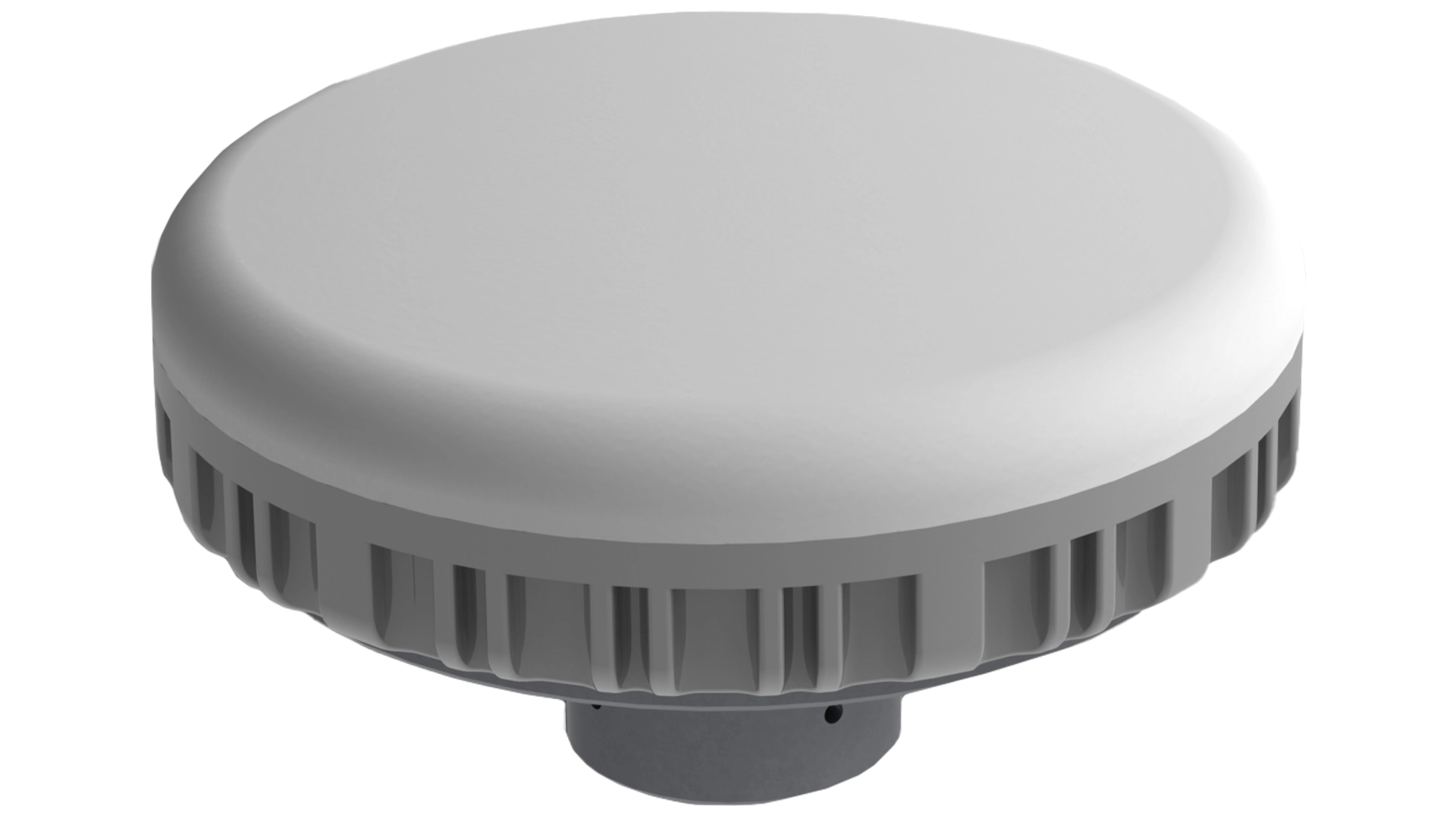
TUALCOM is not a household name outside the Turkish market. Founded in Ankara, it builds telemetry transmitters and receivers, flight-termination systems, datalinks and GPS/GNSS anti-jam equipment. Its TUALAJ family uses controlled-reception-pattern antenna architecture — an array that steers nulls toward the direction of an interfering signal — to keep satellite navigation usable while a jammer is radiating. Land, naval and airborne configurations exist.
That product line explains the technical logic of the deal. Uncrewed and optionally crewed aircraft are vulnerable at two points that have nothing to do with aerodynamics: the satellite navigation signal and the command-and-control datalink. Both are routinely attacked in contemporary operations, by jamming that drowns the signal and by spoofing that substitutes a false one.
Where it fits
FalconWorks was stood up in 2022 to move faster than BAE Systems’ traditional programme structure allows, and it sits close to Britain’s uncrewed combat air and loyal-wingman work. The UK is not partnered with Türkiye at the prime level on next-generation combat air — the Global Combat Air Programme pairs Britain with Italy and Japan — but British industry has widened its use of Turkish sub-tier suppliers in recent years.
For Ankara, that is the more interesting part of the announcement. Turkish defence exports have been read for a decade through the lens of complete platforms, above all uncrewed aircraft. Selling communications, navigation and electronic warfare subsystems into a Western prime’s technology arm is a different kind of entry, and a harder one to reverse: it places a Turkish supplier inside another country’s design process rather than at the end of its procurement queue.
Nothing in the announcement commits either side to hardware. Memoranda of this kind frequently stop at joint demonstrations. Whether this one produces a flying demonstrator will depend on the schedule the two companies choose to disclose next.
Sources
- BAE Systems press release, “BAE Systems and TUALCOM to collaborate on autonomous technologies”, 12 August 2026
- TUALCOM corporate product information