BAE Systems Nedir? Avrupa’nın Savunma Devi — Eurofighter, Denizaltılar ve GCAP Savaş Uçağı

BAE Systems, 2024 yılında yüzde 14 büyüme ile 28,3 milyar sterlinlik rekor satış rakamına ulaştı ve şirketin fabrikalarını yıllarca meşgul edecek 77,8 milyar sterlinlik sipariş portföyüne sahip. Şirket, dünyada üretilen her F-35’in arka gövdesini yapıyor; İngiltere’nin stratejik caydırıcılığını taşıyan nükleer denizaltıları tasarlıyor ve Batı’nın bir sonraki altıncı nesil savaş uçağını inşa eden üç ülkeli konsorsiyuma öncülük ediyor.
Şirket Genel Bakışı
BAE Systems, 30 Kasım 1999’da British Aerospace (BAe) ile GEC plc’nin savunma elektroniği iştiraki Marconi Electronic Systems’ın (MES) 7,7 milyar sterlin değerindeki birleşmesiyle kuruldu. Bu birleşme, Birleşik Krallık’ın önde gelen savunma şirketini ve dünya genelinde gelir açısından ilk beş savunma şirketinden birini ortaya çıkardı.
Temel Programlar ve Ürünler
Eurofighter Typhoon
BAE Systems, Eurofighter Typhoon programında ortak yüklenici konumundadır. İngiltere, Almanya, İtalya ve İspanya’dan oluşan dört uluslu konsorsiyumla üretilen Typhoon, bugün 700’den fazla adet üreterek NATO’nun omurgasını oluşturuyor. Şirket, UK Typhoon filosunun tüm yükseltme ve bakım çalışmalarından sorumlu; bu da otuzlu yıllara uzanan uzun vadeli gelir akışı sağlıyor.
F-35 Küresel Tedarik Zinciri
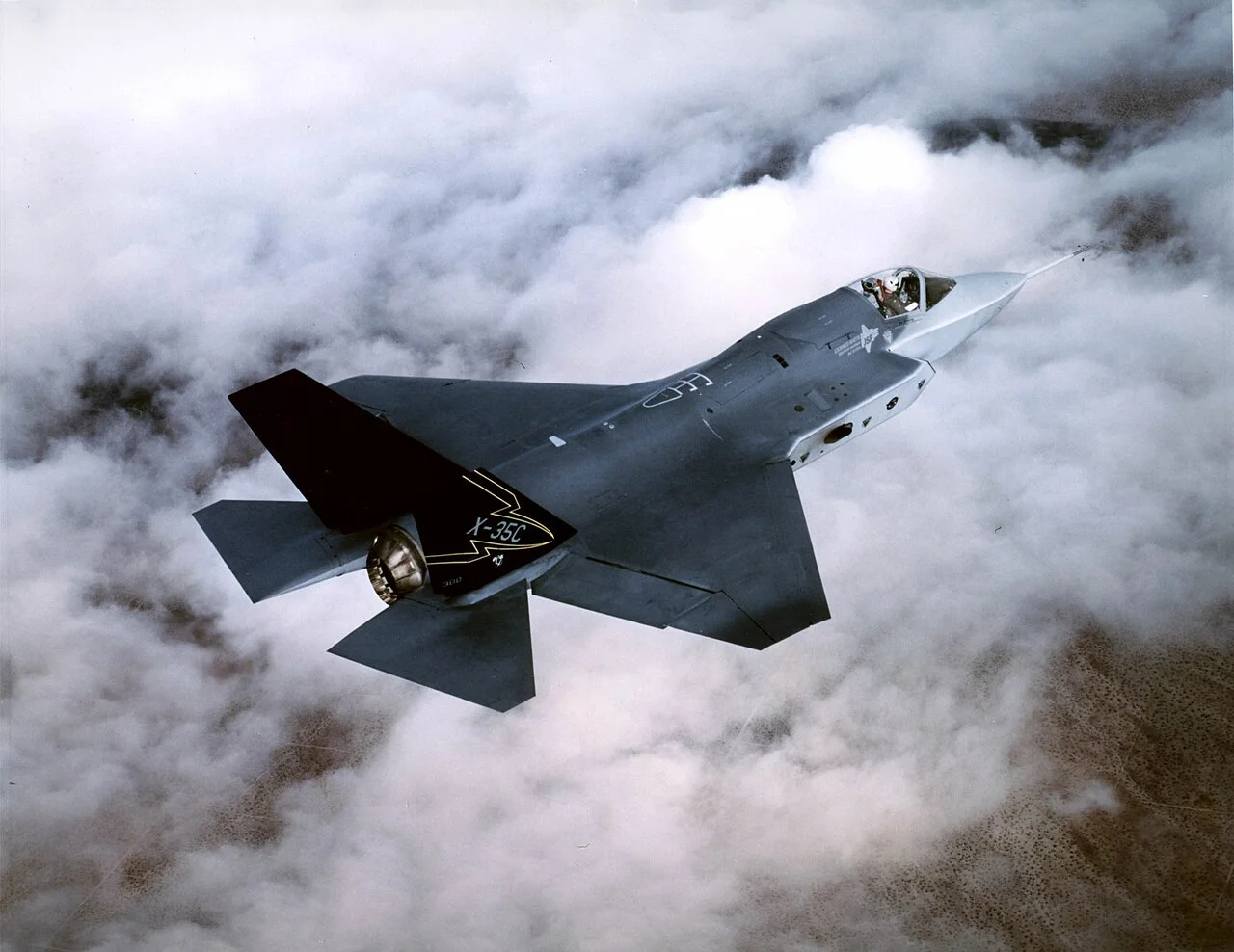
BAE Systems, üretilen her F-35’in arka gövdesini yapıyor; bu da şirketi küresel F-35 tedarik zincirinin vazgeçilmez bir parçası haline getiriyor. Bu sözleşme, İngiltere savunma bütçelerinden bağımsız uzun vadeli gelir görünürlüğü sağlayarak F-35 programının ömrü boyunca devam ediyor.
Hawk İleri Jet Eğitim Uçağı
BAE Systems Hawk, 1974’ten bu yana 18’den fazla ülkede 1.000’den fazla adet üretilerek dünyanın önde gelen ileri jet eğitim uçağı konumunda. İngiltere’nin ünlü akrobasi ekibi Red Arrows, Hawk uçuyor. T-45 Goshawk versiyonu ise ABD Donanması’nın standart uçak gemisi pilot eğitim uçağı. Hawk’ın uzun ömürlülüğü, temel eğitim ile cephe hattı uçaklarını birbirine bağlayan köprü rolünü yansıtıyor.
Astute Sınıfı Nükleer Saldırı Denizaltıları
Yalnızca BAE Systems’ın Barrow-in-Furness tersanesinde inşa edilen Astute sınıfı, İngiliz denizaltı mühendisliğinin zirvesini temsil ediyor. Yedi denizaltı planlandı; altısı teslim edildi ya da inşa aşamasında. Bu program, uzun vadeli üretim ve ikmal geliri sağlayan İngiliz deniz gücünün bel kemiğini oluşturuyor.
CV90 Piyade Muharebe Aracı
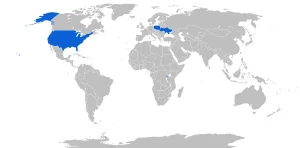
Hägglunds markası altında üretilen CV90 ailesi, Avrupa’nın en çok ihraç edilen piyade muharebe aracı konumunda. İsveç, Norveç, Hollanda, İsviçre, Finlandiya, Danimarka, Estonya, Slovakya ve Ukrayna dahil dokuz ülke CV90 kullanıyor. Modüler tasarımı sürekli yükseltmelere olanak tanıyor; birden fazla ülkedeki devam eden programlar BAE’nin İsveç tesislerini meşgul ederek uzun vadeli ikmal geliri üretiyor.
Bradley ve AMPV — ABD Ordusu Programları
BAE Systems, ABD Ordusu’nun Bradley Piyade Muharebe Aracı modernizasyon programı ve beş görev rolünde yaşlanan M113 ailesinin yerini alan yeni platform Zırhlı Çok Amaçlı Araç (AMPV) için ana yüklenici. Şubat 2025’te BAE Systems, ABD Deniz Kuvvetleri için 31 adet Amfibi Muharebe Aracı (ACV) orta kalibreli top versiyonu için 181 milyon dolarlık sözleşme aldı.
GCAP — 6. Nesil Savaş Uçağı
BAE Systems, Japonya ve İtalya ile birlikte Küresel Muharebe Hava Programı’nı (GCAP) yürütüyor. Bu program, Typhoon ve F-2’nin yerini alması hedeflenen altıncı nesil bir savaş uçağı geliştirmeyi amaçlıyor. Haziran 2026’da GCAP hükümetleri resmi anlaşmayı imzaladı. Bu, BAE için on yıllar sürecek en kritik yeni nesil program.
Mali Performans
BAE Systems, 2024 yılında 28,3 milyar sterlin satış gerçekleştirdi; bu yüzde 14 büyümeye karşılık geliyor. 77,8 milyar sterlinlik sipariş portföyü, yıllarca sürecek gelir görünürlüğü sağlıyor. Şirket, ABD, İngiltere, Avustralya ve Orta Doğu’da önemli varlığa sahip; bu coğrafi çeşitlilik, herhangi bir ülkenin bütçe baskısına karşı tampon işlevi görüyor.
Güçlü ve Zayıf Yönler
- Güçlü yönler: F-35 gövdesi, nükleer denizaltılar ve GCAP gibi programlarda vazgeçilmez konumu; geniş coğrafi çeşitlilik; uzun vadeli devlet sözleşmeleri
- Zayıf yönler: NATO müttefikleriyle rekabetin derinleşmesi; İngiliz savunma bütçesindeki kalıcı kısıtlamalar
Kaynaklar
- BAE Systems 2024 Yıl Sonu Sonuçları — Resmi yatırımcı raporu, Şubat 2025
- Astute ve Dreadnought Sözleşmeleri — BAE Systems basın açıklaması, Mayıs 2018
- BAE Systems 2024 Stratejik İnceleme — Nordic Defence Review analizi