Turkish Defence Industry in Africa: A Country-by-Country Brief
Turkish Defence Industry in Africa: A Country-by-Country Brief
Africa is the fastest-growing market for Turkish defence exports. The reasons go beyond drones — they include armoured vehicles, naval platforms, training packages and direct government-to-government finance. Here is the brief, country by country.
The North
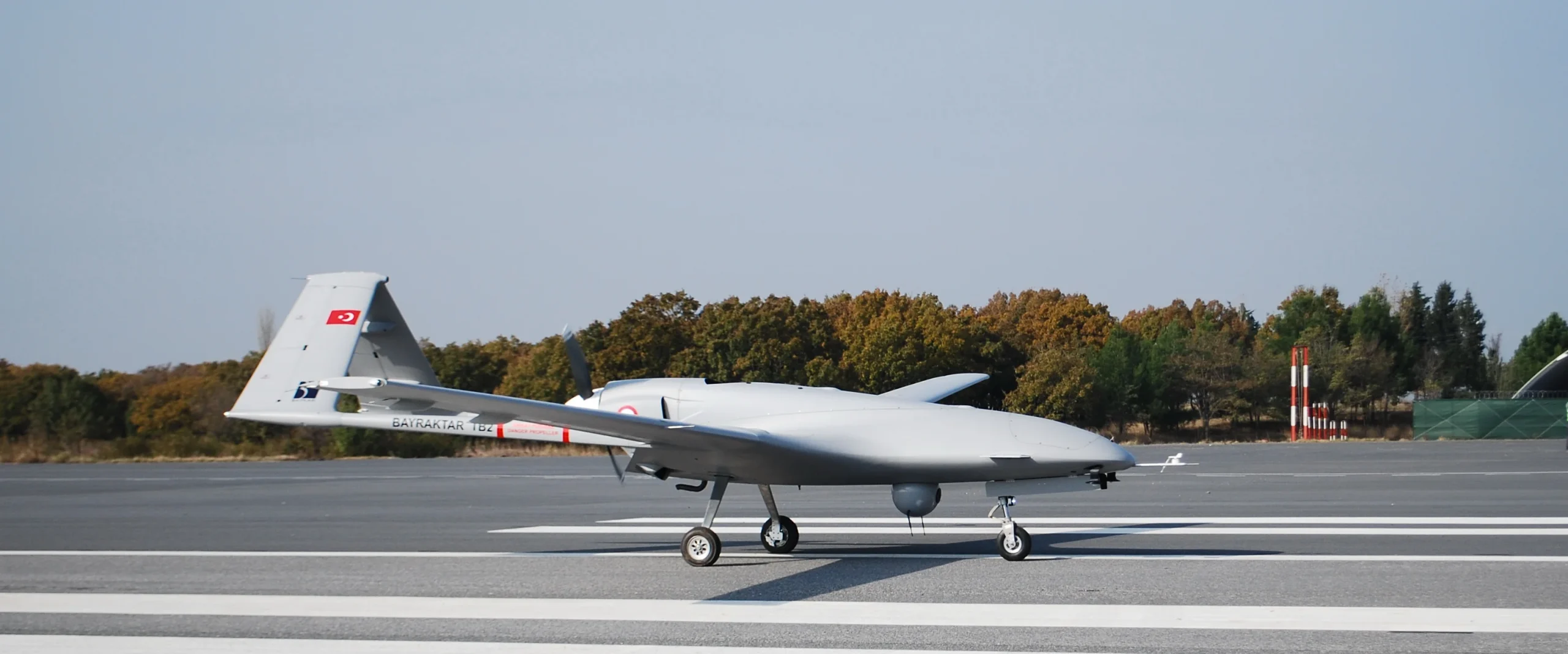
Morocco operates Bayraktar TB2 UAVs and has discussed armoured vehicle and air-defence packages. Casablanca’s Industrial Acceleration Plan opens the door to Turkish industrial partnership beyond off-the-shelf sales.
Tunisia has acquired ANKA-S MALE UAVs and reportedly explored Turkish naval and patrol-vessel options.
Libya operated the TB2 with the Government of National Accord during the 2019-2020 campaign — a turning point that established the platform’s combat reputation.
The Sahel
Niger, Burkina Faso, Mali and Chad have all sourced or expressed interest in Turkish UAVs, ground vehicles and small arms. The political vacuum left by reduced French and U.S. presence has been filled in part by Turkish, Russian and Chinese suppliers. Türkiye’s offering combines NATO-standard equipment with no political conditions on use.
East Africa
Ethiopia operates TB2 and AKINCI UAVs that played a documented role in the 2021-2022 Tigray conflict.
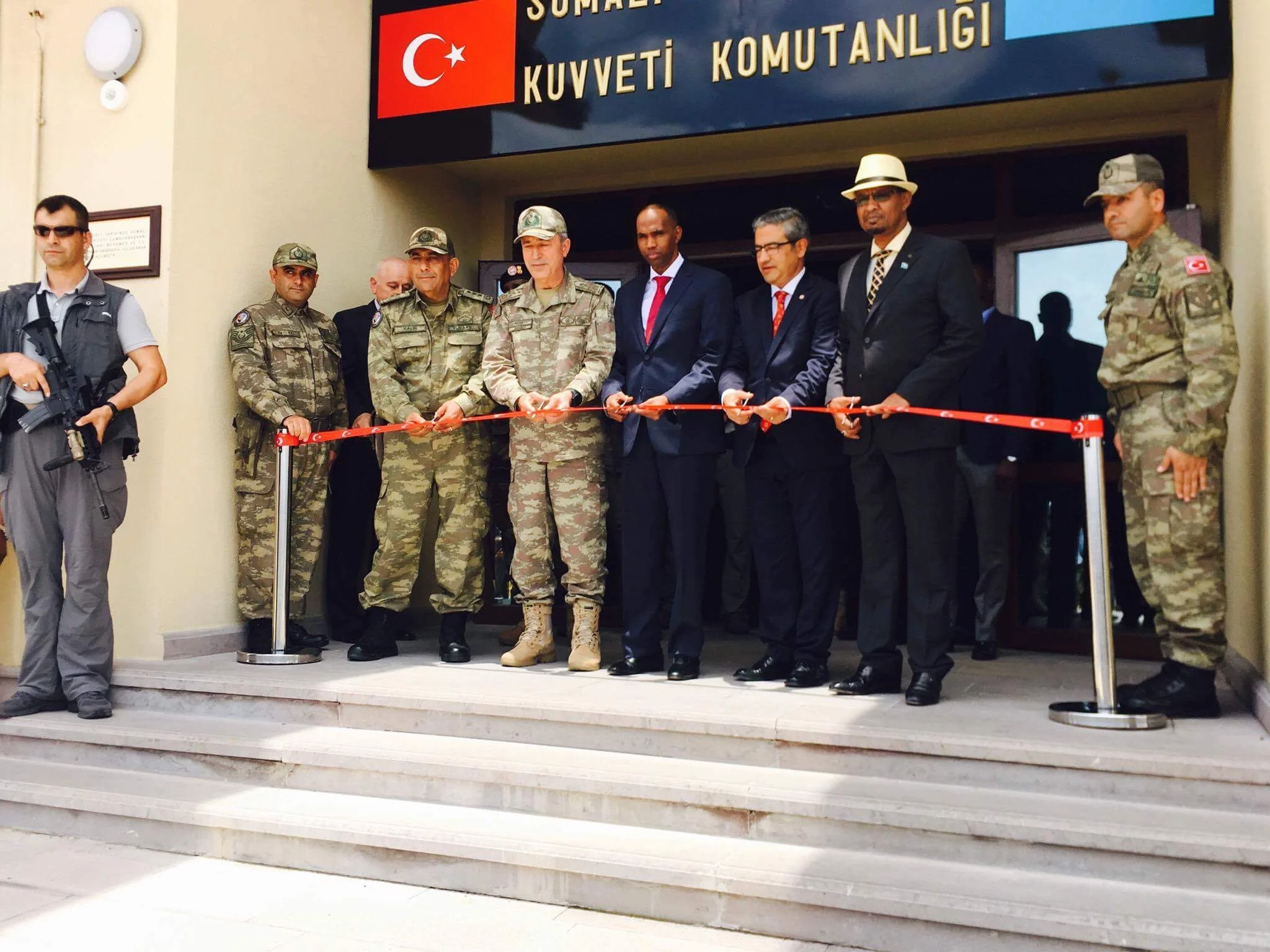
Djibouti, Somalia and Kenya have discussed Turkish training packages, Kirpi MRAPs and patrol vessels. Somalia hosts Türkiye’s largest overseas military training facility.
The Gulf Of Guinea And West Africa
Nigeria has placed orders for TB2, T-129 ATAK helicopters and naval patrol vessels — one of the largest Turkish defence packages on the continent.
Senegal, Togo and Ghana have moved into the Turkish supplier base through smaller initial orders (UAVs, armoured vehicles) that traditionally lead to larger follow-ons.
Southern Africa
Less Turkish presence today — South Africa has its own defence industry (Denel, Paramount) and competes in the same export segments. But Türkiye-South Africa industrial cooperation discussions have moved forward on specific subsystems and components.
Why It Works
Turkish exports to Africa share a common pattern: equipment delivered fast, training included, financing flexible (often via Türk Eximbank), no conditions on operational use. For governments facing immediate security pressures, that combination outcompetes Western suppliers who deliver slower with more conditions, and Russian/Chinese suppliers who deliver fast but with less software and sustainment depth.
The Bottom Line
Türkiye is not the cheapest supplier in Africa, nor the most capable. It is the supplier that delivers credible capability on a timeline and political profile African governments can actually accept.