DF-21D what is it? China’s anti-ship ballistic missile “Carrier Killer”

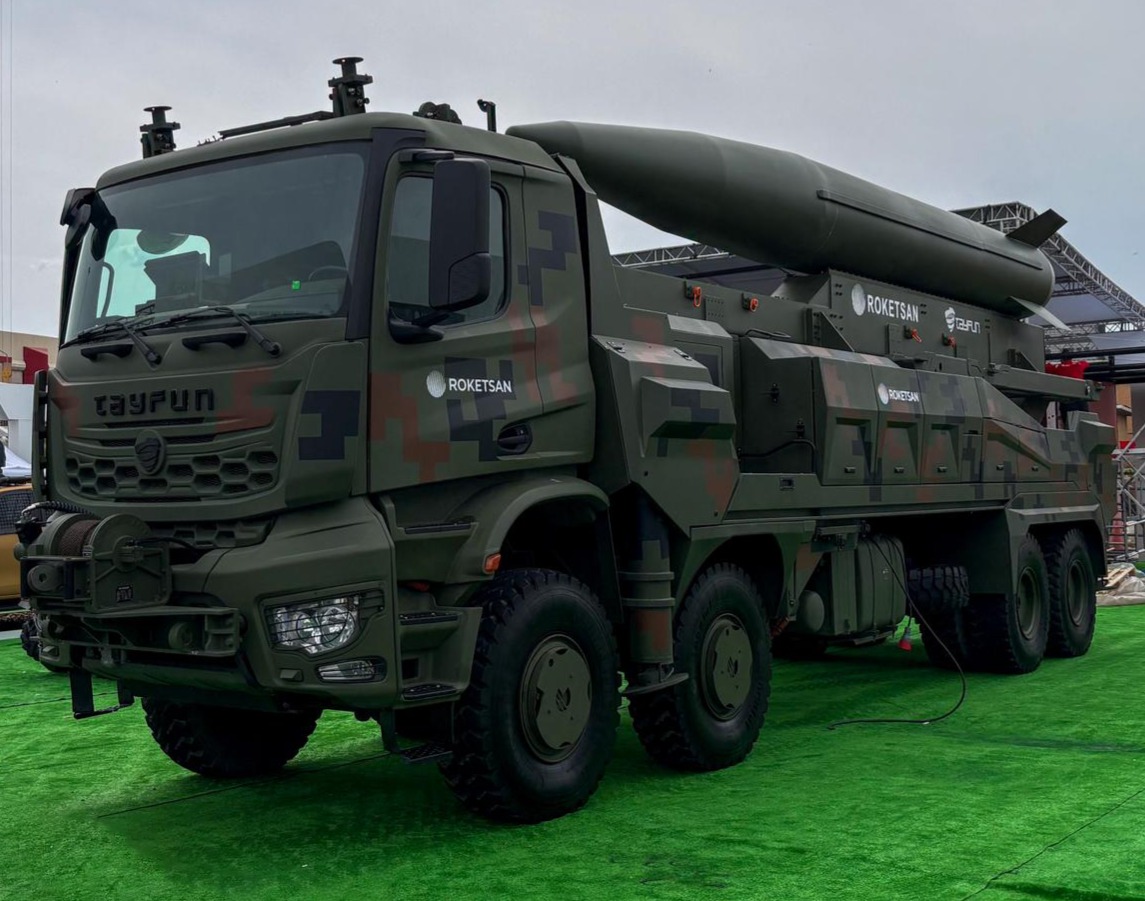
DF-21D
DF-21D is the first operational anti-ship ballistic missile (ASBM) developed by China. Classic ballistic missiles hit stationary ground targets; the DF-21D is aimed at moving U.S. aircraft carriers. It was designed to prevent the approach of the U.S. Pacific Fleet to Taiwan at a distance of 1,500 km. Therefore, it is called the “carrier killer.” It is the flagship weapon of China’s anti-access/area denial (A2/AD) strategy.

What is DF-21D?
DF-21D (Dong Feng-21D) is the first operational anti-ship ballistic missile (ASBM) produced by the Chinese company CASIC. NATO code CSS-5 Mod-4.
The reason this weapon is revolutionary is as follows:
- Classic ballistic missiles hit stationary ground targets (city, command center, airbase). The target coordinates are known before firing.
- The DF-21D was designed to hit a moving aircraft carrier. An aircraft carrier can move in open sea at a speed of 50 km/h; at the moment of firing, it is unknown where it will be in a minute.
- Solution: the missile detects and locks onto a large metal target (aircraft carrier) at sea using radars and electro-optical sensors on the front during re-entry into the atmosphere.
- At this point, the speed reaches Mach 10+; the ship has virtually no time to escape.
Strategic goal: “anti-access/area denial” (A2/AD). China wants to make it impossible for U.S. aircraft carriers to approach Taiwan to deter possible U.S. intervention in the Taiwan issue. The range of the DF-21D at 1,500 km reaches the First Island Chain (Japan-Taiwan-Philippines).
American defense analysts describe the DF-21D as a “game changer” — assumptions about U.S. naval operations in the Pacific have changed with the emergence of this weapon. In response, the U.S. continues to develop the SM-3 / SM-6 Standard Missile family; U.S. aircraft carriers are transitioning to using long-range munitions and drone platforms to avoid entering the direct strike zone.
Its older brother with a longer range, the DF-26 (4,000+ km), is known as the “Guam Killer” — it can reach U.S. bases in Guam. The family continues to expand.