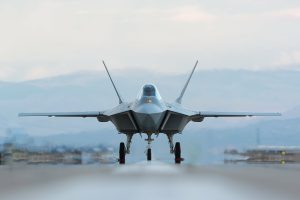
Africa’s 10 Most Powerful Militaries in 2026 — and Where Turkish Drones Are Tipping the Balance
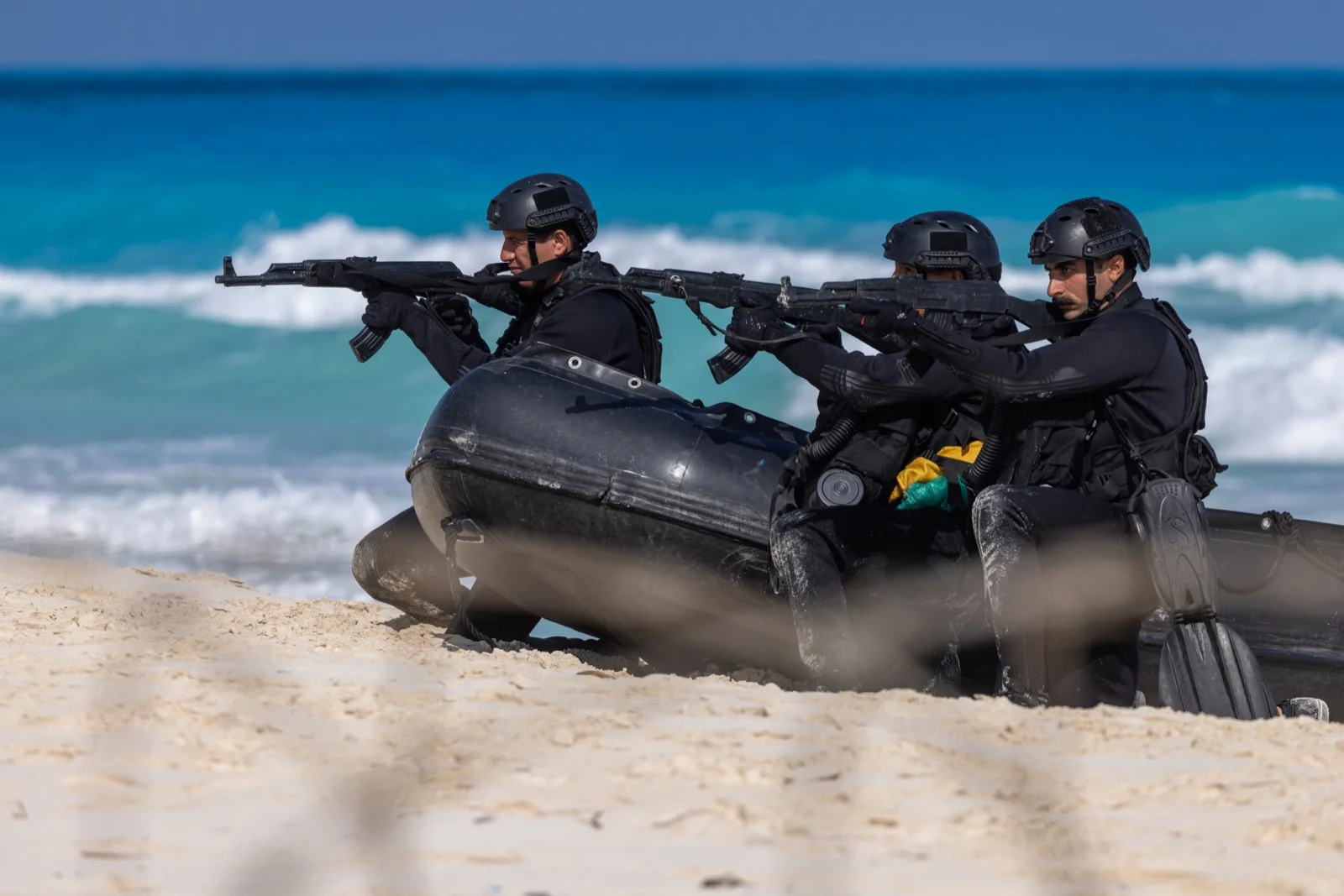
From the Sahel to the Horn of Africa, the continent’s armed forces are being reshaped by a new generation of affordable, combat-proven systems — and Turkish drones are increasingly at the centre of that shift. This is our 2026 ranking of Africa’s ten most powerful militaries, weighing manpower, equipment, combat experience and the ability to actually sustain operations.
How we ranked them
Raw numbers never tell the whole story. A large army that cannot move, supply or maintain its equipment is weaker than a smaller one that can. So this list blends active manpower, the depth and modernity of equipment, recent combat experience, and — crucially — sustainability: spare parts, training pipelines and the political ability to keep fighting.
One pattern stands out in 2026. Across the continent, governments facing insurgencies, border threats or contested airspace have reached for the same tool: the medium-altitude armed drone. And more often than not, the aircraft on the flight line is Turkish. The Bayraktar TB2 — roughly the budget-class cousin of an American MQ-9 Reaper — and its heavier sibling, the Akinci, have given air forces that could never afford a Western strike package a usable, exportable alternative.
The result is a quiet rebalancing. Countries that once depended entirely on Soviet-era stockpiles or expensive Western lifelines now have a faster, more flexible supplier that ships quickly, trains crews on the user’s own soil and adapts the package to local needs. Below, the ten militaries that matter most — and where that Turkish factor is already changing outcomes.
At a glance
| Rank | Country | Active personnel (approx.) | Notable strengths | Turkish systems in service |
|---|---|---|---|---|
| 1 | Egypt | ~440,000 | Heavy armour, large air force, two carriers’ worth of amphibious lift | — |
| 2 | Algeria | ~325,000 | Best-funded in Africa, modern Russian air defence | — |
| 3 | South Africa | ~75,000 | Indigenous industry (Denel), blue-water navy heritage | — |
| 4 | Nigeria | ~220,000 | Largest West African force, combat-hardened | Bayraktar TB2 |
| 5 | Morocco | ~200,000 | Modernising fast, Western + Turkish mix | Bayraktar TB2, Akinci |
| 6 | Ethiopia | ~160,000 | Large, battle-tested, drone-enabled | Bayraktar TB2, Akinci |
| 7 | Angola | ~107,000 | Oil-funded, sizeable air arm | — |
| 8 | Sudan | ~200,000 | Large but fractured by civil war | — |
| 9 | Libya | fragmented | Drone-heavy factions, contested airspace | Bayraktar TB2 |
| 10 | Tunisia | ~89,000 | Professional, NATO-trained, drone-equipped | Anka-S |
Personnel figures are approximate active-duty estimates and vary by source.
#1 Egypt
Egypt fields the heaviest conventional military on the continent: thousands of main battle tanks, one of Africa’s largest air forces, and amphibious assault ships that give Cairo reach across the Mediterranean and Red Sea. Decades of US military aid sit alongside French Rafale fighters and Russian systems, giving Egypt unusual diversity — and the logistics headache that comes with it.
Key strengths
- Largest armoured and air forces in Africa
- Mistral-class amphibious assault ships
- Control of the Suez Canal — strategic leverage
- Diverse Western and Russian inventory
Verdict: The benchmark for conventional power in Africa. Its challenge is integration, not capability — keeping a mixed Western-Russian arsenal supplied and interoperable.
#2 Algeria
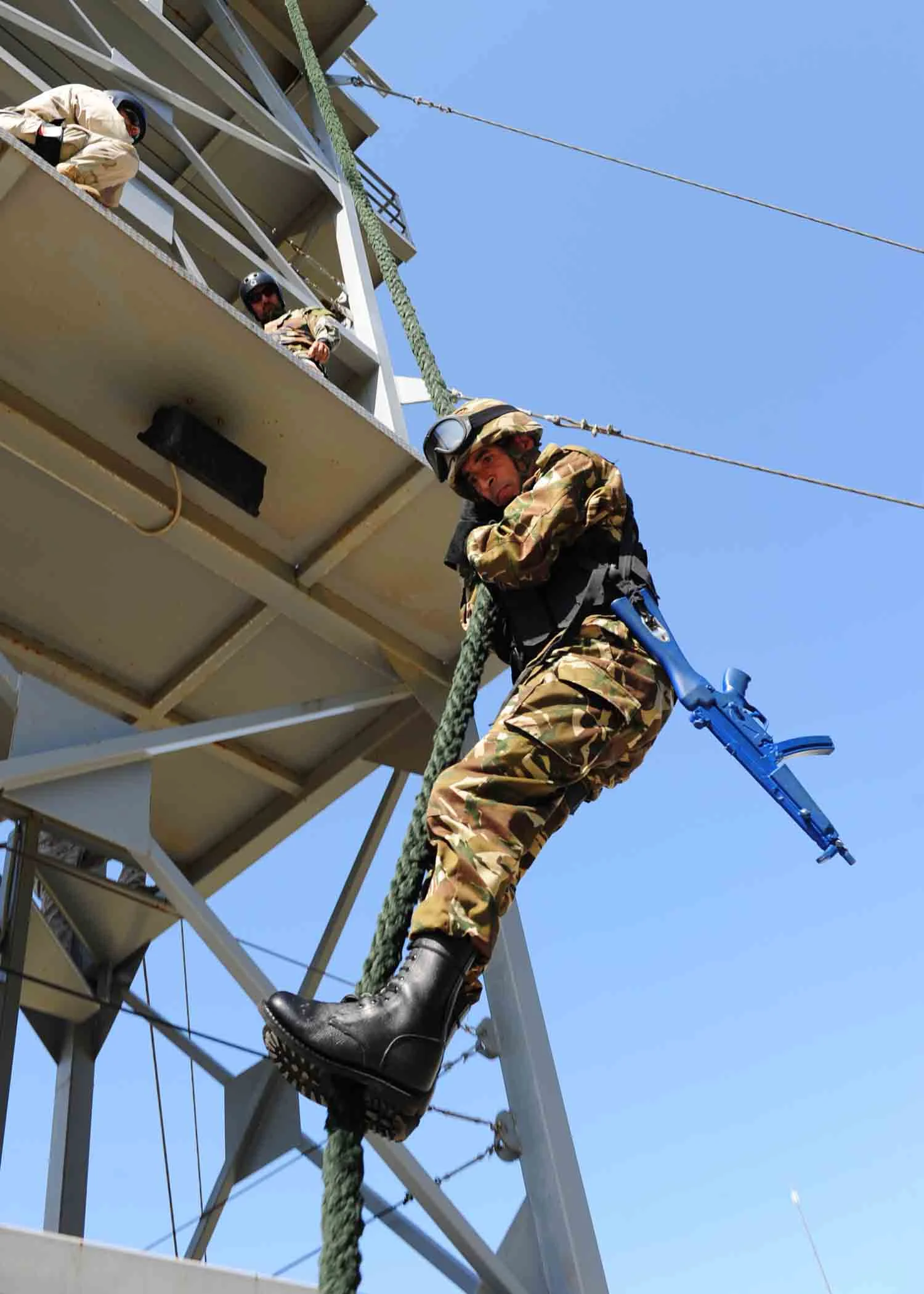
Algeria spends more on defence than any other African state, and it shows in the air-defence layer: long-range Russian S-400-class systems, modern Su-30 fighters and a steady modernisation budget underwritten by gas revenue. Its posture is defensive and continental, focused on border security and deterrence rather than expeditionary reach.
Key strengths
- Highest defence budget in Africa
- Layered Russian air defence (S-300/S-400 class)
- Modern Su-30 fighter fleet
- Strong domestic financing from energy exports
Verdict: A heavyweight built for deterrence. Deep pockets and modern air defence make Algerian airspace some of the most contested on the continent.
#3 South Africa
South Africa’s edge is industrial. Through Denel and a mature private sector, it designs and builds its own armoured vehicles, artillery and missiles — a rarity in Africa. The catch is readiness: years of budget cuts have grounded aircraft and thinned the ranks, so the paper strength outruns what the SANDF can deploy today.
Key strengths
- Indigenous defence industry (Denel, Paramount)
- Advanced artillery and armoured vehicle design
- Naval and air heritage
- Regional power-projection experience
Verdict: The most technologically self-sufficient military in Africa — held back by funding and readiness rather than know-how.
#4 Nigeria
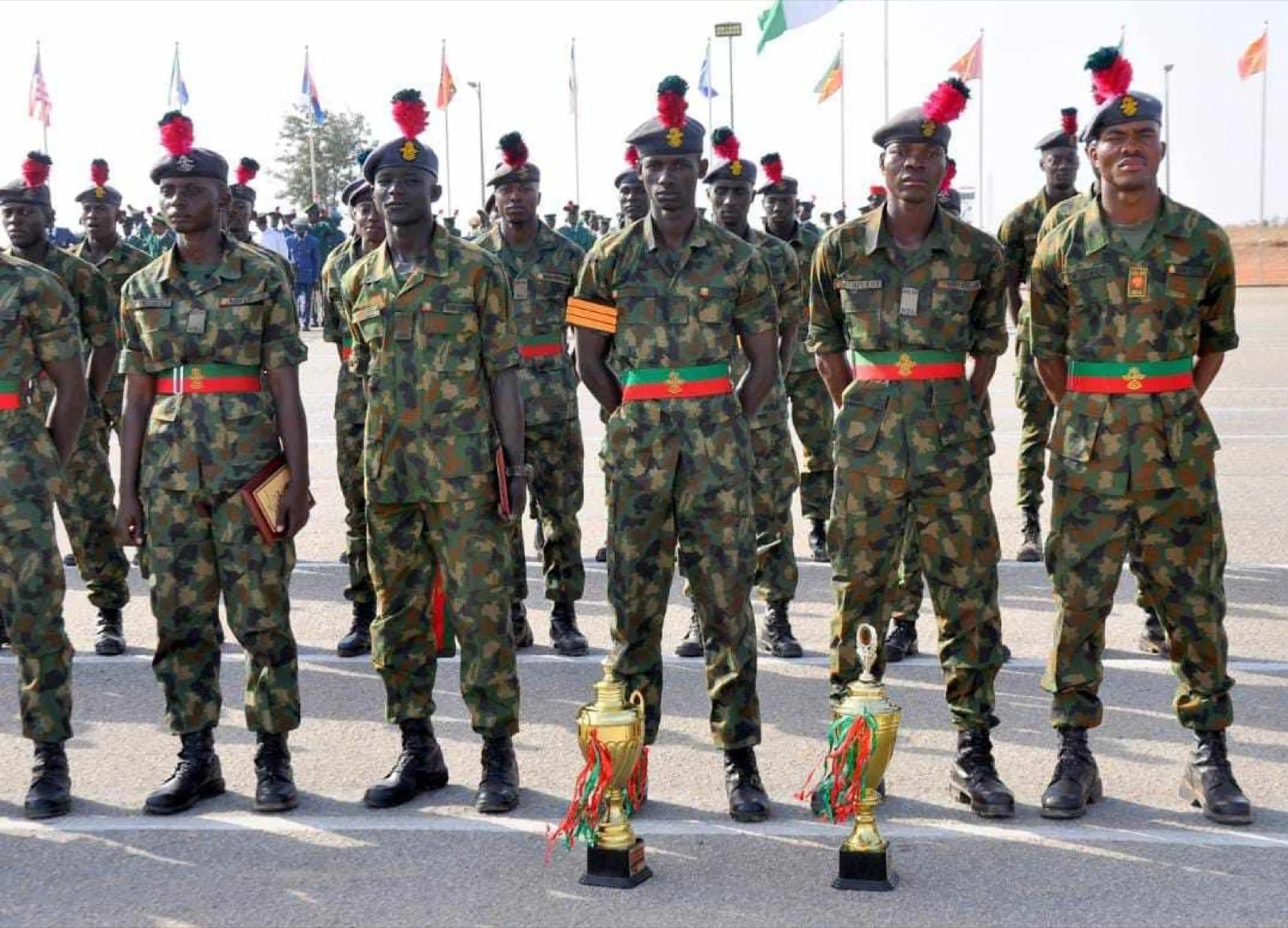
Nigeria’s army is large and, after more than a decade fighting Boko Haram and ISWAP in the north-east, genuinely combat-experienced. Lagos and Abuja have invested heavily in air power to break the insurgents’ freedom of movement — and a key part of that effort now flies under Turkish design.
Key strengths
- Largest military in West Africa
- Years of counter-insurgency experience
- Growing armed-drone and light-attack fleet
- Regional leadership role in ECOWAS
Turkish hardware in service: Nigeria operates the Bayraktar TB2, using it to track and strike insurgent columns that once moved freely across the Sahel. The aircraft’s low cost and quick delivery let the air force put persistent armed surveillance over the north-east without waiting years for a Western strike package — a textbook case of Turkish hardware filling a capability gap fast.
Verdict: A combat-hardened force whose drone investment is steadily eroding the insurgents’ mobility advantage.
#5 Morocco
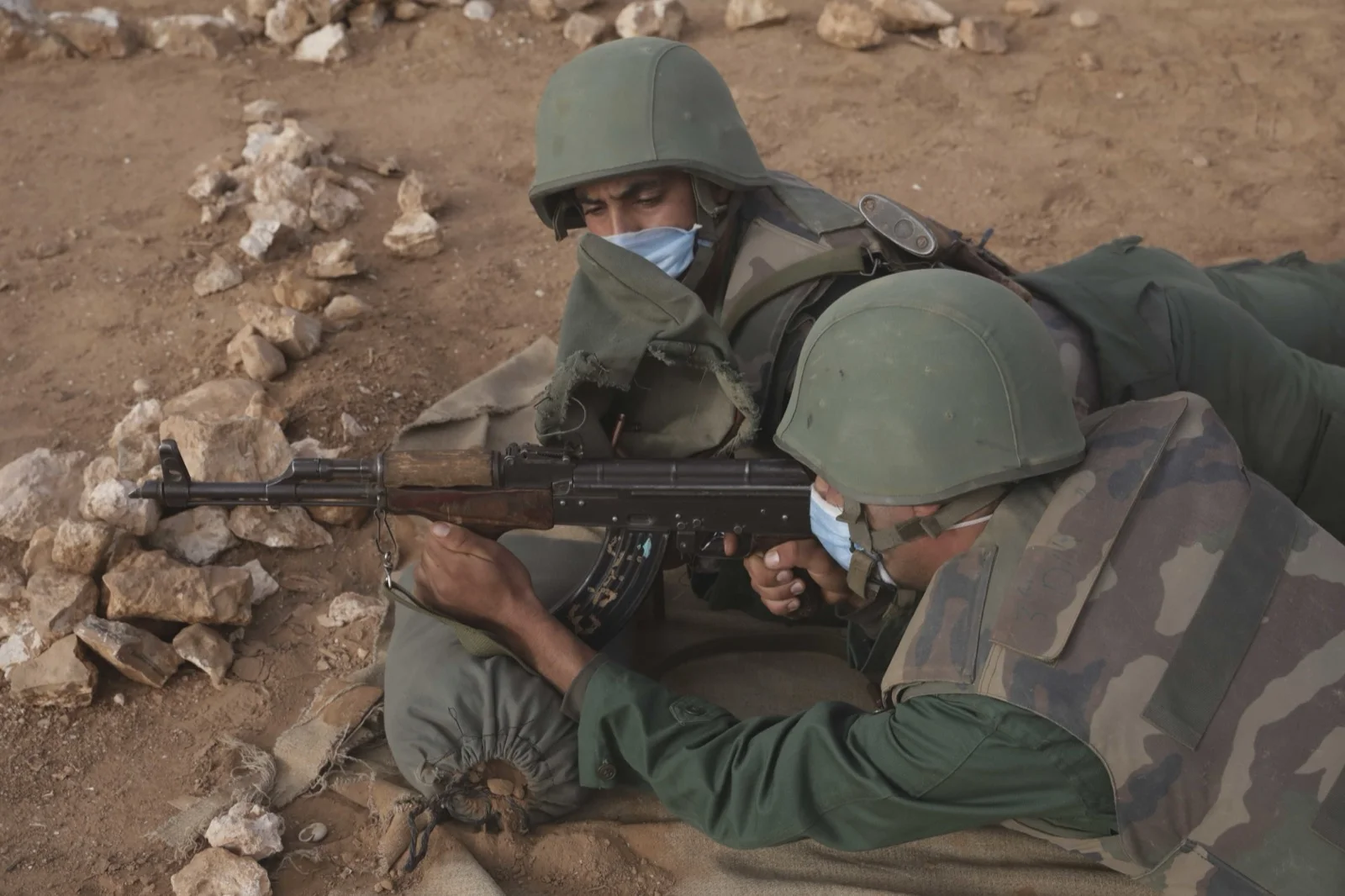
Morocco is modernising faster than almost any military on this list, blending US F-16s and Abrams tanks with a deliberate pivot toward Turkish and Israeli systems. Its priority is the long, contested frontier in Western Sahara, where persistent surveillance and precision strike matter more than mass.
Key strengths
- US F-16 fighters and M1 Abrams tanks
- Fast, well-funded modernisation drive
- Layered surveillance over Western Sahara
- Diversified suppliers — US, Turkey, Israel
Turkish hardware in service: Rabat has acquired the Bayraktar TB2 and ordered the heavier Akinci, giving it round-the-clock armed reconnaissance over Western Sahara. For a military that needs to watch a vast desert frontier cheaply and continuously, the Turkish package offered exactly the cost-to-coverage ratio that Western alternatives could not match.
Verdict: The model of a mid-size African power buying smart — pairing Western heavy metal with affordable Turkish persistence.
#6 Ethiopia
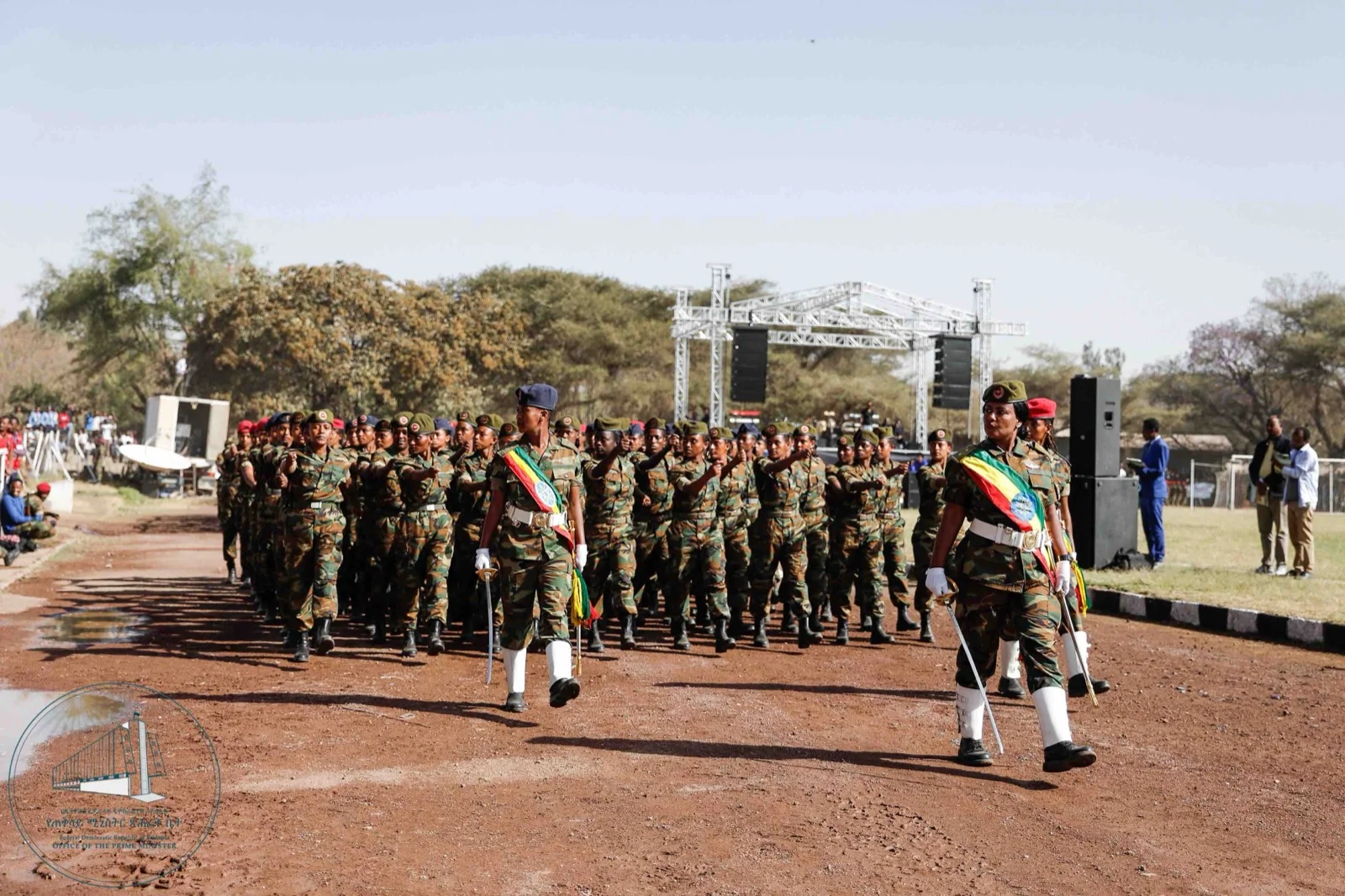
Ethiopia’s military is large and hardened by the Tigray war, a conflict that became one of Africa’s clearest demonstrations of drone power. Facing a fast-moving offensive, Addis Ababa turned to armed UAVs to halt and reverse it — and the aircraft doing much of that work were Turkish.
Key strengths
- One of Africa’s largest standing armies
- Recent, intense combat experience
- Armed-drone-enabled operations
- Central position in the Horn of Africa
Turkish hardware in service: Ethiopia fielded the Bayraktar TB2 and Akinci during the Tigray conflict, using them to strike supply lines and armour. The campaign underlined a wider lesson: a state under existential military pressure could acquire, integrate and employ Turkish drones in months, not years — speed that decided outcomes on the ground.
Verdict: A heavyweight of the Horn whose recent wars proved how quickly Turkish drones can change a campaign’s momentum.
#7 Angola
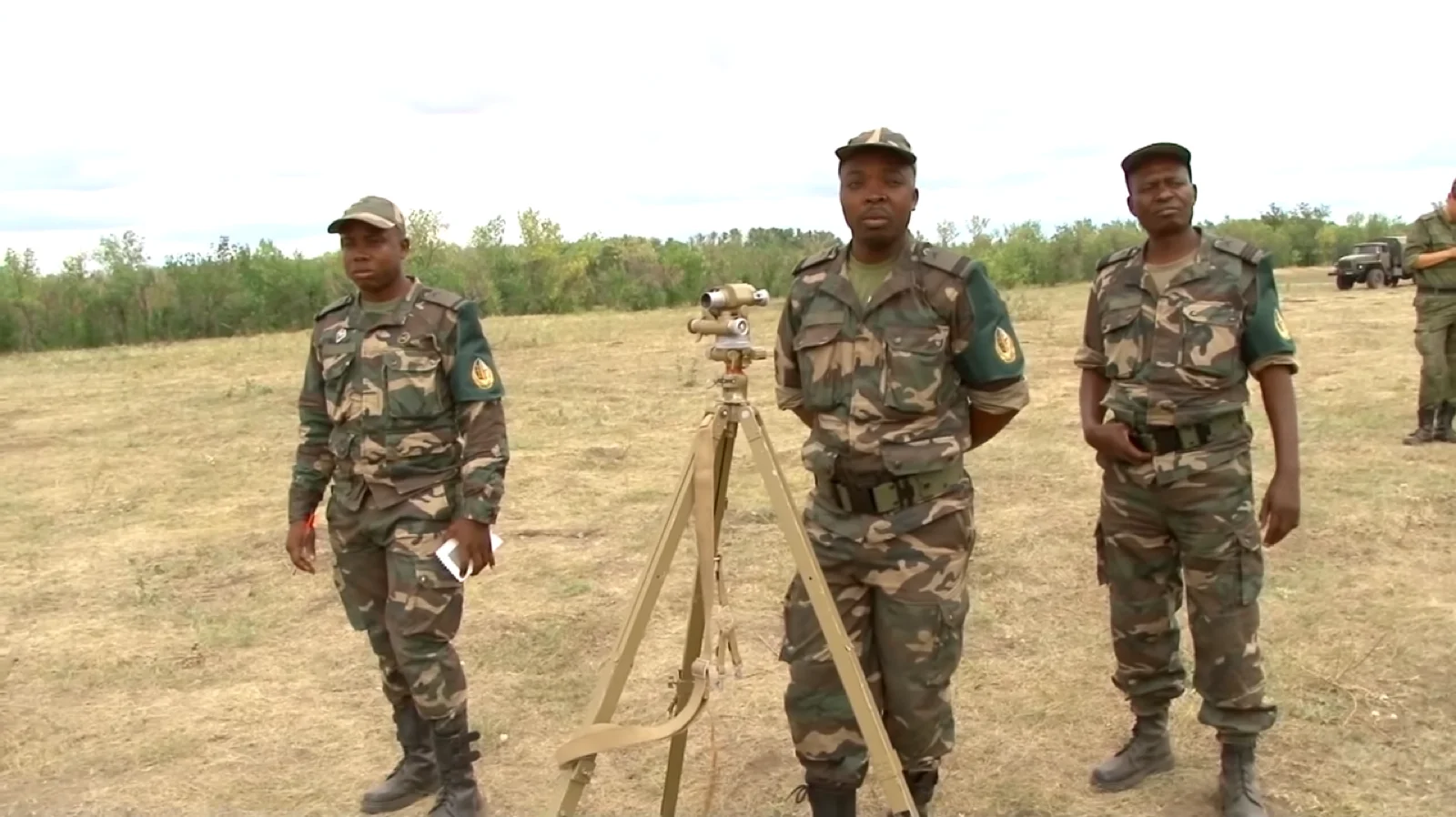
Angola’s military is funded by oil and built largely on Russian-origin equipment, including a respectable fighter and helicopter fleet. It is a regional player in Central and Southern Africa, though much of its inventory is ageing and ripe for the kind of affordable modernisation other states on this list have already begun.
Key strengths
- Oil-financed defence spending
- Sizeable air force by regional standards
- Combat experience from past regional conflicts
- Influence in Central/Southern Africa
Verdict: A regional heavyweight running on legacy Russian kit — a prime candidate for the affordable drone-led modernisation reshaping its neighbours.
#8 Sudan

On paper Sudan’s army is one of Africa’s largest, with substantial armour and artillery. In practice it has been consumed since 2023 by a brutal civil war against the Rapid Support Forces, fragmenting command and burning through equipment. Its raw mass keeps it on this list; its cohesion is the open question.
Key strengths
- Large nominal manpower and armour
- Long conventional-war experience
- Domestic light-arms production
- Strategic position on the Red Sea
Verdict: A force defined right now by its civil war. The hardware exists; whether it functions as a unified military is another matter.
#9 Libya
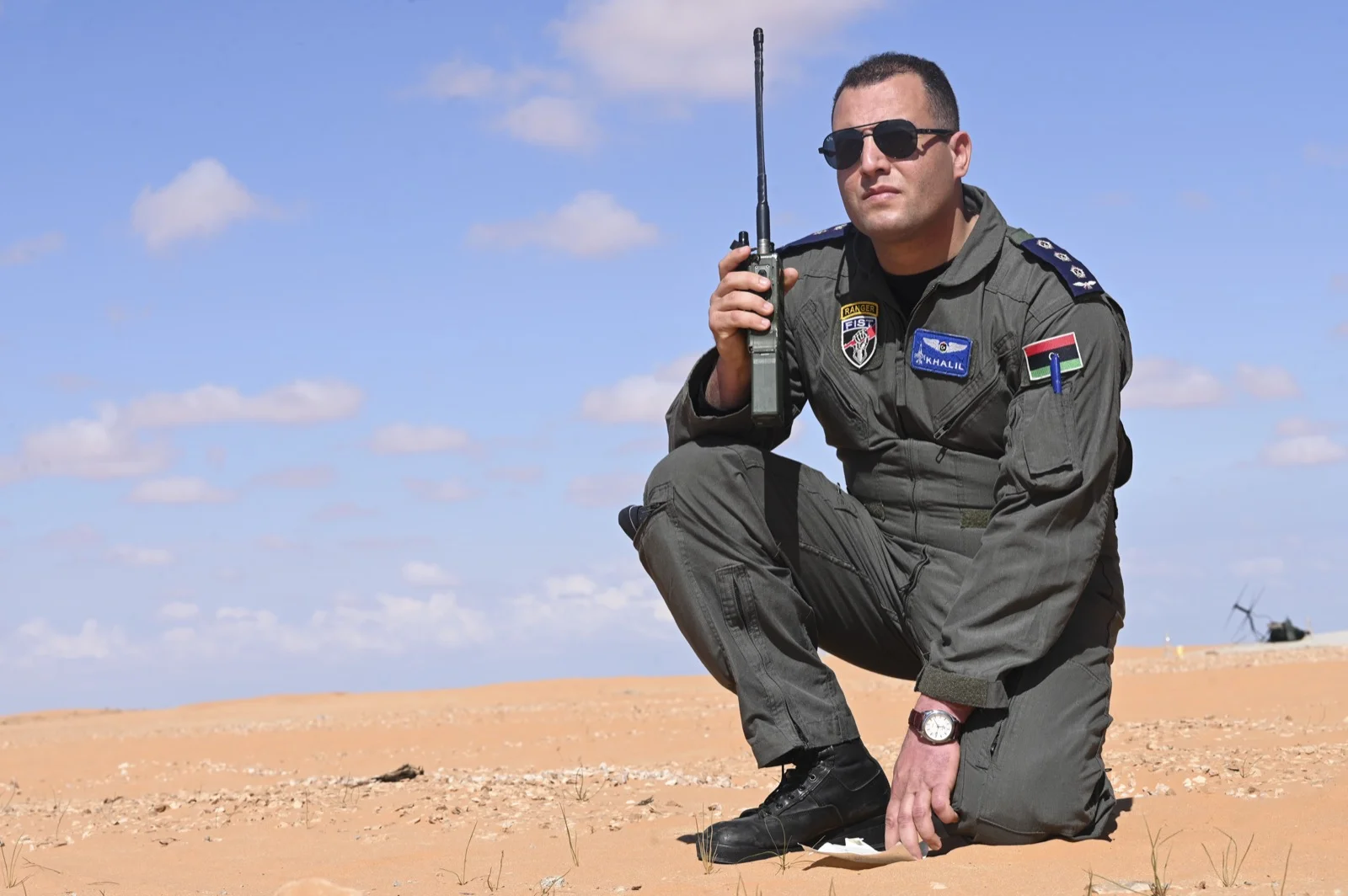
Libya has no single national military, but its rival factions field some of the most drone-saturated forces in Africa. The country’s airspace became a live laboratory for unmanned warfare — and the single most consequential aircraft in that fight was Turkish.
Key strengths
- Among the most drone-intensive battlespaces in Africa
- Mix of Turkish, Russian and Emirati systems
- Hardened urban-warfare experience
- Strategic Mediterranean position
Turkish hardware in service: When the Tripoli-based government faced collapse in 2019-2020, the Bayraktar TB2 was widely credited with reversing the offensive against it — knocking out armour, air defence and supply lines. It remains one of the clearest real-world demonstrations anywhere of how a low-cost Turkish drone can blunt a much heavier conventional assault.
Verdict: Fragmented as a state, but a defining case study in how Turkish drones reshaped a modern battlefield.
#10 Tunisia
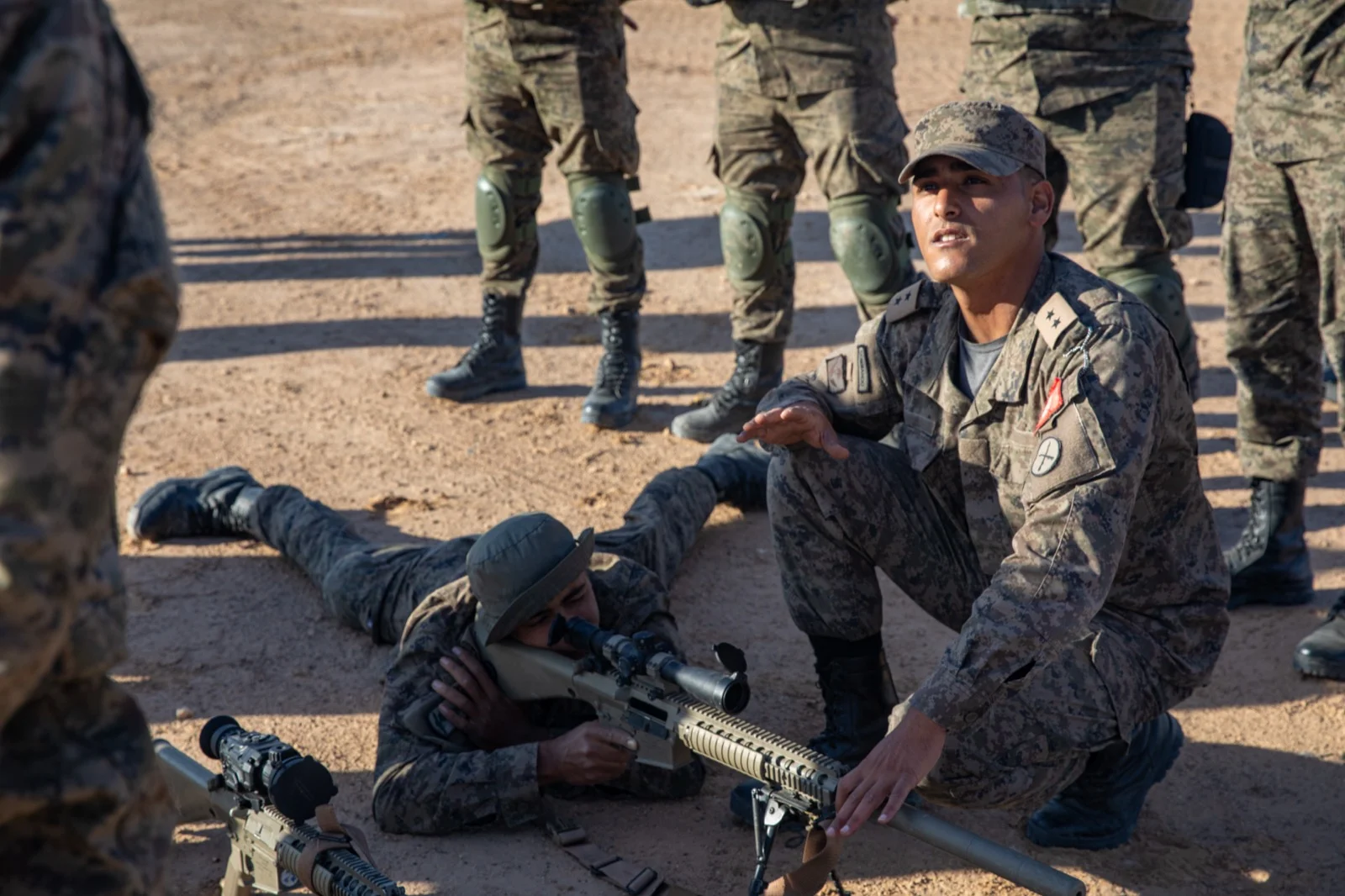
Tunisia’s military is small but professional, closely trained with NATO partners and focused on counter-terrorism along its borders. Rather than chase mass, Tunis has invested in capability — including a step into the medium-altitude drone era with a Turkish-built platform.
Key strengths
- Professional, NATO-trained force
- Strong counter-terrorism focus
- US and European equipment ties
- Step into MALE-class drone operations
Turkish hardware in service: Tunisia operates the Anka-S, the satellite-controlled drone built by Turkey’s TAI — giving a modestly sized force persistent surveillance and strike reach along its borders. It is a reminder that the Turkish offer is not just the TB2: a whole ecosystem of platforms now lets smaller states buy exactly the level of capability they can sustain.
Verdict: Small but smart. Tunisia shows how a professional force punches above its weight by buying capability, not bulk.
The Turkish factor: why African air forces keep choosing Ankara
Five of the ten militaries on this list now fly Turkish drones, and the reasons are consistent across very different countries:
- Speed of delivery. Aircraft arrive in months, not the years a Western strike package can take.
- Cost to coverage. Persistent armed surveillance at a fraction of the price of a Reaper-class system.
- Few political strings. Sales rarely come with the export conditions that complicate Western deals.
- Training on home soil. Crews are trained in-country, building real operational independence.
- A whole ecosystem. From the tactical TB2 to the heavier Akinci and TAI’s Anka, buyers pick the tier they can sustain.
The through-line is not salesmanship; it is fit. African states facing insurgencies, contested frontiers or outright war needed usable air power quickly and affordably. Turkey offered a package that matched that need — and the battlefield results in Libya, Ethiopia and the Sahel did the rest of the talking.
Frequently asked questions
Which African country has the most powerful military in 2026?
Egypt, by a clear margin in conventional terms — the largest armour and air forces on the continent, plus amphibious lift and control of the Suez Canal.
Which African militaries use Turkish drones?
Among this top ten, Nigeria, Morocco, Ethiopia and Libya operate the Bayraktar TB2 (Morocco and Ethiopia also the Akinci), while Tunisia flies TAI’s Anka-S.
Why are Turkish drones so popular in Africa?
Fast delivery, low cost relative to Western systems, few political conditions, in-country training and a range of platforms that let each buyer match capability to budget.
Did Turkish drones really change battles in Africa?
Yes. The Bayraktar TB2 is widely credited with reversing the 2019-2020 offensive on Tripoli, and armed drones played a decisive role in Ethiopia’s Tigray campaign.
Is manpower the best measure of military strength?
No. Sustainability — logistics, spares, training and political cohesion — often matters more, which is why a fractured large army can rank below a smaller, professional one.
Sources
- Global Firepower — annual military strength rankings
- International Institute for Strategic Studies (IISS), The Military Balance
- Baykar and Turkish Aerospace Industries (TAI) — official platform data
- Open-source defence reporting on Libya, Ethiopia and Sahel operations
- Images: Wikimedia Commons (CC BY / CC BY-SA / public domain)