






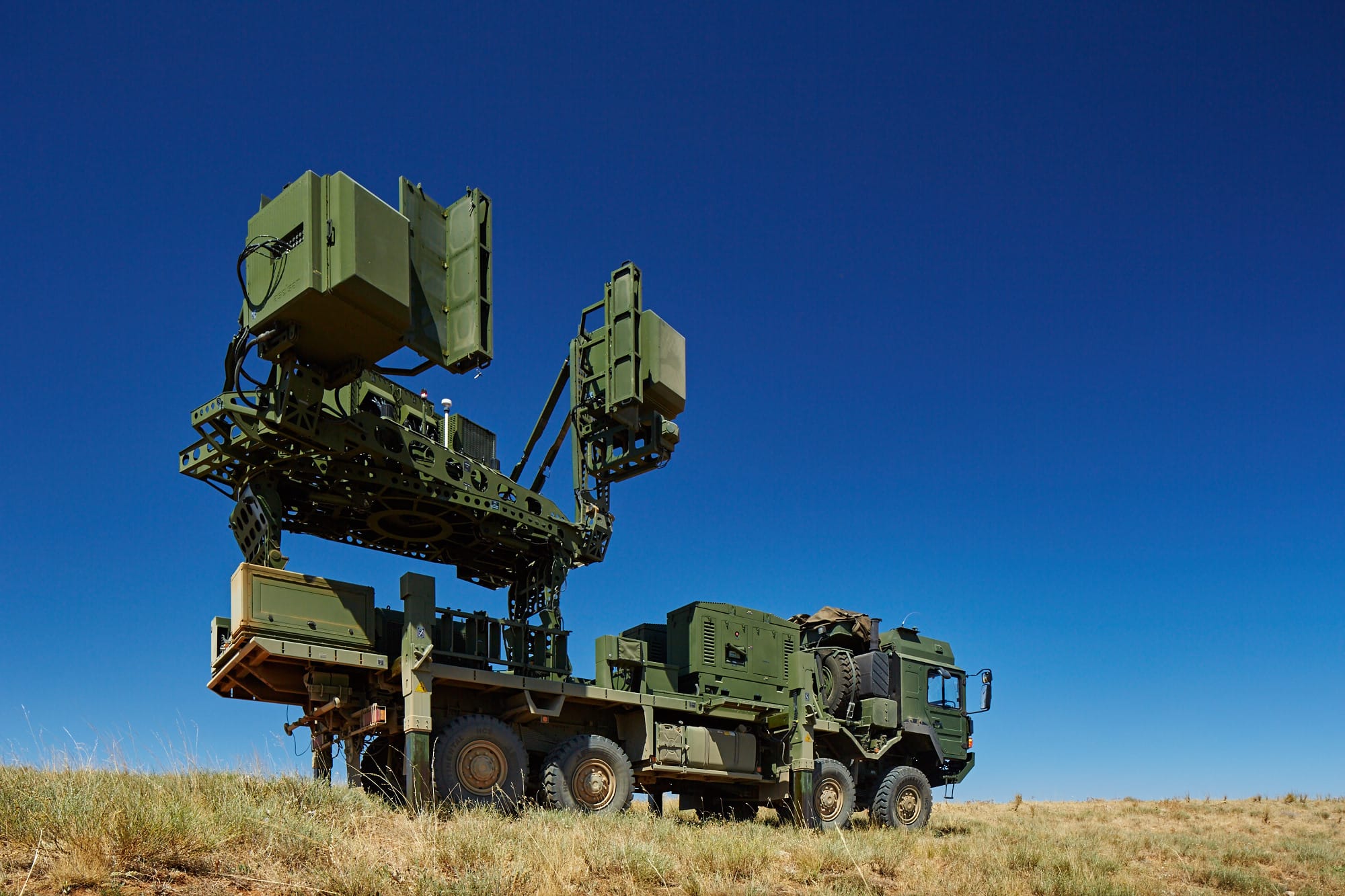
Electronic Warfare (EW)
What Is Electronic Warfare?
Electronic warfare (EW) is military action that uses electromagnetic and directed energy to control the electromagnetic spectrum or to attack an enemy, in the US Department of Defense’s formal definition. In practice, this means using radio, radar and other electromagnetic signals both as weapons — to jam, deceive or disable an adversary’s sensors and communications — and as a shield, to protect friendly forces’ own use of the spectrum.
Key Specifications: The Three Pillars of EW
- Electronic attack: uses electromagnetic energy to degrade or deny an enemy’s use of the spectrum, for example by jamming radar or communications.
- Electronic protection: limits the electromagnetic signature of one’s own equipment and hardens it against an enemy’s electronic warfare, so friendly forces can keep using the spectrum.
- Electronic warfare support: identifies and catalogues friendly and enemy emissions, feeding both force-protection efforts and plans to deny the enemy’s access to the spectrum.
Framework per the US Department of Defense, as summarized by the Congressional Research Service’s Defense Primer on Electronic Warfare.
How It Works
An electronic-attack system works by flooding a target’s receiver — a radar, a radio, a satellite link — with noise or false signals so it cannot function normally, or by emitting a decoy signal so a sensor locks onto the wrong target. Electronic protection works the other way: reducing how much electromagnetic energy friendly equipment gives off, and building radios and radars that can keep working even while under jamming. Electronic warfare support sits between the two, using receivers to listen across the spectrum, identify what emitters are present and where they are, and turn that picture into either a target list for attack or a warning system for defense.
Where EW Is Used
- Air defense suppression: jamming or deceiving enemy radar so aircraft or missiles are harder to detect and track.
- Protecting aircraft and ships: onboard self-protection jammers and decoys that counter radar- or infrared-guided missiles.
- Ground operations: jamming systems to counter remote-controlled roadside bombs and small drones.
- Signals intelligence support: electronic support measures that locate and characterize enemy radars and communications for both attack planning and defense.
Oversight and Development
EW has long been identified as an area needing sustained management attention: a 2012 US Government Accountability Office report (GAO-12-479) found that the Department of Defense had developed an electronic warfare strategy but had only partially addressed several characteristics GAO considers desirable in such a strategy, and recommended improvements, which the Department of Defense generally accepted. Since then, the proliferation of cheap jamming equipment and small drones in recent conflicts has kept electronic warfare — including defending against enemy jamming of GPS and communications — a continuing area of investment for many militaries.
Frequently Asked Questions
What is the Department of Defense’s definition of electronic warfare?
Military action involving the use of electromagnetic and directed energy to control the electromagnetic spectrum or to attack the enemy.
What are the three main types of electronic warfare?
Electronic attack (degrading or denying an enemy’s use of the spectrum), electronic protection (defending friendly use of the spectrum) and electronic warfare support (identifying and cataloguing emissions).
Is jamming the same as electronic warfare?
Jamming is one form of electronic attack, which is itself one of the three pillars of electronic warfare alongside electronic protection and electronic warfare support.
Why has electronic warfare become more prominent in recent conflicts?
The wide use of GPS-guided weapons, radio-controlled drones and satellite communications has made jamming and other electromagnetic-spectrum operations a practical, lower-cost way to disrupt an adversary’s systems.
Has the Pentagon been criticized over its EW strategy?
Yes — a 2012 GAO report found the Department of Defense’s electronic warfare strategy only partially met several characteristics GAO associates with a sound strategy, and recommended changes that the Department generally accepted.
Related Glossary Entries
Sources: US Department of Defense electronic warfare framework; Congressional Research Service, “Defense Primer: Electronic Warfare”; US GAO report GAO-12-479. Last reviewed: 19 November 2026.