Training Packages: The Hidden Advantage of Turkish Defence Exports
Training Packages: The Hidden Advantage of Turkish Defence Exports
A defence platform delivered without a serious training pipeline is a hangar queen waiting to happen. Türkiye’s training infrastructure for export customers has become one of the most underappreciated reasons buyers return for follow-on orders.
The Training Architecture
Turkish defence training for export customers spans three layers:
- Operator training: Pilots, vehicle crews, missile operators, technicians — delivered in-country (Türkiye) or in-buyer country.
- Maintainer training: First, second and depot-level maintenance for the specific platform.
- Doctrine and integration training: How to employ the system at unit, formation and operational level.
The third layer is where Türkiye competes hardest. A platform sale without doctrine support produces equipment without capability. Turkish military advisors and contractor training teams routinely deploy alongside major export contracts.
The Somalia Model
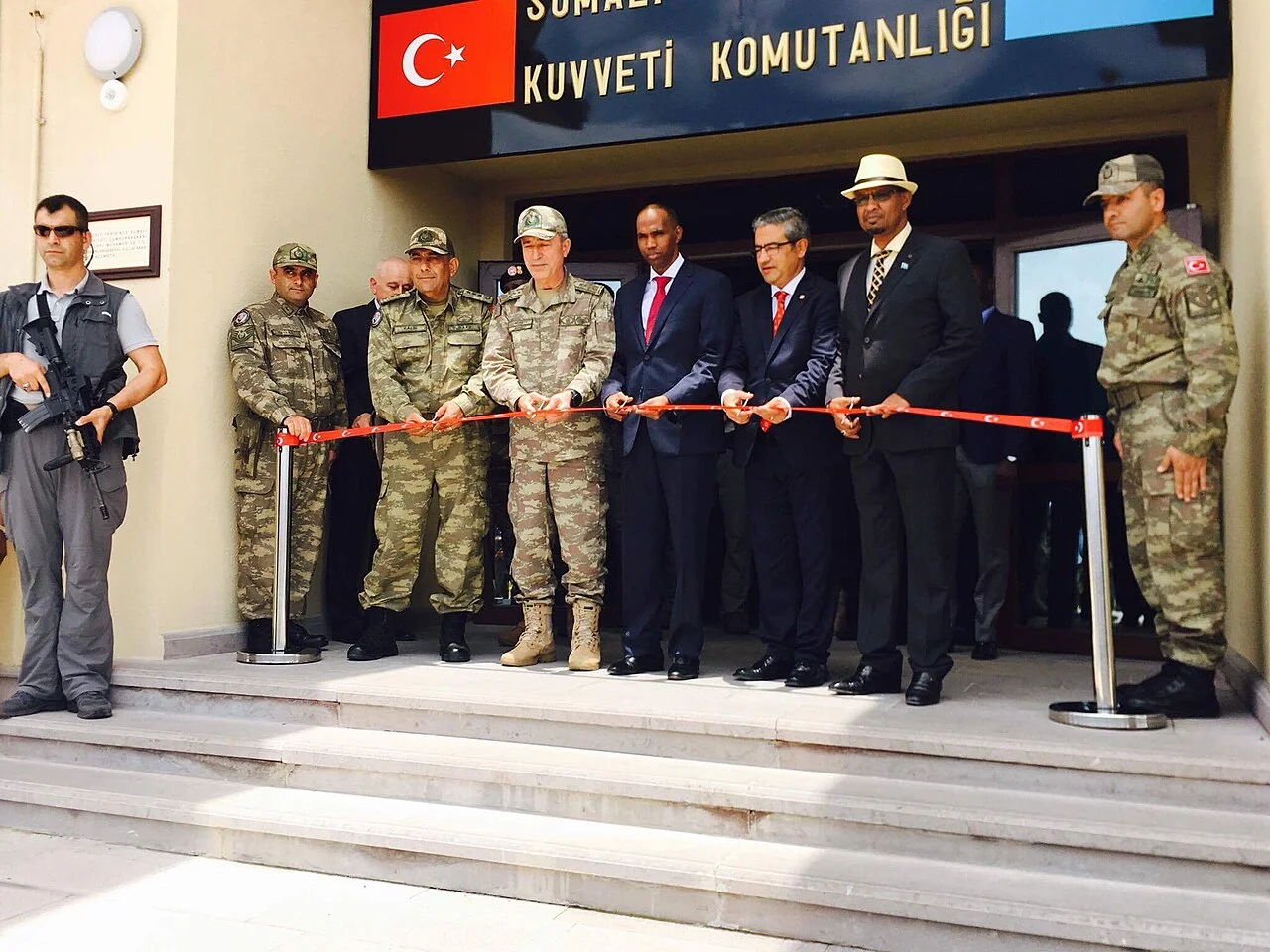
The Turkish Task Force in Mogadishu (TURKSOM) operates the largest overseas military training facility in the Turkish defence portfolio. Somali National Army units trained there have absorbed Turkish small arms, vehicles, communications equipment and tactical doctrine — and produced the most combat-effective formations in the SNA today. The model has been replicated in scaled form in Libya, Azerbaijan and elsewhere.
The Azerbaijan Model
The 2020 Nagorno-Karabakh campaign is widely understood as a Turkish UAV story. The fuller picture includes years of Turkish-Azerbaijani joint exercises, advisor exchange, doctrine development and tactical training — culminating in a force that knew how to integrate UAV strike with ground manoeuvre. The platforms mattered. The training that made them effective mattered as much.
What Buyers Should Specify In The Contract
- Initial cadre size: How many of your personnel will be trained before initial operational capability?
- Train-the-trainer milestones: When does your team take over training without Turkish supervision?
- Doctrine documentation rights: Do you receive the doctrine, tactics, techniques and procedures in writing — and can you adapt them?
- Refresher and sustainment training: Five-year, ten-year refresher cycles built into the original contract.
- Simulator delivery: Hardware and software for in-country training simulators, with update rights.
Where The Turkish Training Model Has Limits
Language. Turkish training is delivered primarily in Turkish, secondarily in English, occasionally in Arabic. For buyers whose officer corps lacks strong English-language depth, the training pipeline narrows. Buyers should plan language preparation in parallel with platform procurement.
The Bottom Line
Buyers who treat training as a line item lose. Buyers who treat training as the core of the contract — and negotiate accordingly — get the full value of what Turkish industry can deliver.