Turkish Defence in Southeast Asia: Indonesia, Malaysia, the Philippines

Turkish Defence in Southeast Asia: Indonesia, Malaysia, the Philippines
Southeast Asian defence budgets are growing, the threat environment is consolidating around maritime sovereignty, and buyers are diversifying away from over-reliance on any single supplier. Türkiye has positioned itself as one of the credible second-tier alternatives.
Indonesia — The Flagship Relationship
Indonesia is Türkiye’s largest defence customer in Southeast Asia and arguably the most strategically significant globally outside the immediate neighbourhood.
- KAAN fighter: Memorandum of understanding for co-development and co-production — Türkiye’s most significant fifth-generation export commitment.
- Atmaca anti-ship missile: Order placed for the Indonesian Navy.
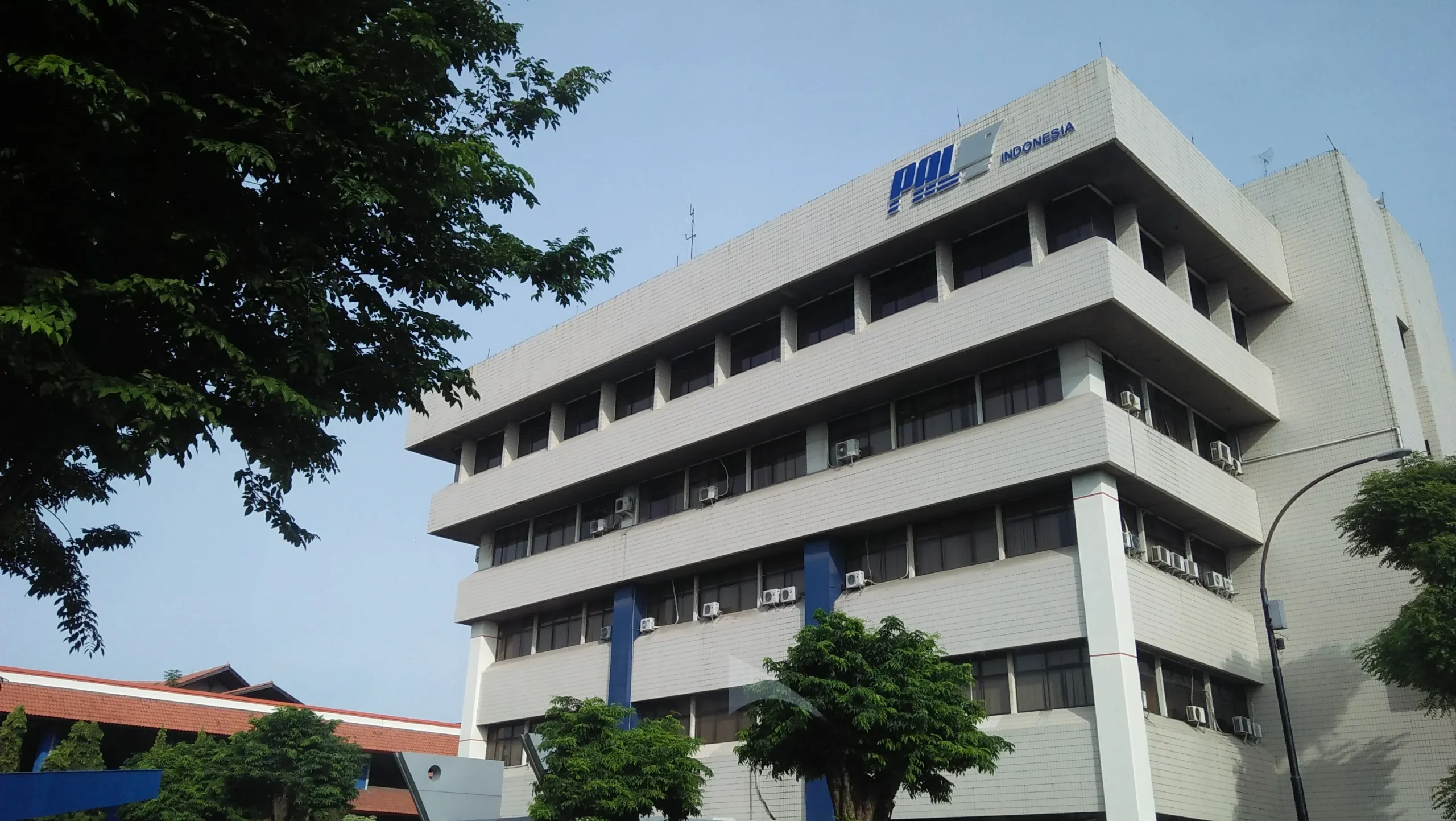
- Istanbul-class frigate: Design selected, with local construction at PT PAL Surabaya.
- Kaplan medium tank (joint with FNSS): Already in production for both armies as the Harimau / Kaplan MT.
- UAV cooperation: ANKA discussions ongoing.
Indonesia’s “Free and Active” foreign policy makes diversified procurement a strategic imperative. Türkiye fits the doctrine.
Malaysia — Emerging Relationship
Malaysia has selected the AnatolEagle / Anka UAV family for some requirements and explores broader Turkish industry options including armoured vehicles and patrol craft. The relationship is younger and smaller than Indonesia’s, but the trajectory is positive.
The Philippines — Quiet Growth
The Philippines has acquired T129 ATAK attack helicopters — one of the most notable Turkish defence exports in the region. Maritime security pressure in the South China Sea is driving broader Philippine procurement, and Turkish industry is one of the suppliers in serious consideration for follow-on capabilities.
What Drives Southeast Asian Procurement
- Maritime sovereignty: The South China Sea defines threat assessments for Vietnam, Indonesia, Malaysia and the Philippines. Anti-ship missiles, fast-attack craft, corvettes and maritime patrol UAVs lead procurement priorities.
- Supplier diversification: ASEAN buyers explicitly seek to avoid over-reliance on any single foreign supplier — the U.S., Russia, China or Europe. Türkiye is the natural diversifier.
- Industrial benefit: Local content, technology transfer and offset are demanded — and Türkiye delivers on these in ways that match or exceed European competitors.
- Speed: Threats are accelerating; procurement cycles must accelerate too. Turkish delivery timelines compete favourably.
Where Turkish Industry Is Underweight
Submarine capability — France, South Korea and Germany dominate. Heavy long-range air-defence — Russia and the U.S. dominate. Carrier and large amphibious capability — Türkiye is years away from offering an export-ready alternative. The strongest Turkish position in Southeast Asia is in UAVs, anti-ship missiles, light armour and surface combatants up to frigate class.
The Bottom Line
Indonesia is the proof case. Malaysia and the Philippines are the next growth markets. Vietnam, Thailand and Singapore remain harder targets — but the regional pattern of supplier diversification gives Türkiye long-term opportunities across the bloc.